How Singapore Humidity Affects Solid Wood Furniture: A Practical Guide for HDB and Condo Owners
I still remember walking into a Tampines HDB resale flat last month with my colleague from MIDHILL. The owner had bought a "solid wood" bed frame from a Jurong East clearance sale two years earlier. The headboard — once smooth and pale — had a hairline crack running from the top moulding down to where the bed frame met the wall. The air-con had been switched off for a long vacation. In 12 days, the relative humidity inside that 90 sqm flat had climbed to about 84%, and the wood had moved. That visit convinced me to write this guide for anyone in Singapore, Johor Bahru, or anywhere from Manila to Bangkok who wants a solid wood headboard that actually survives the monsoon.
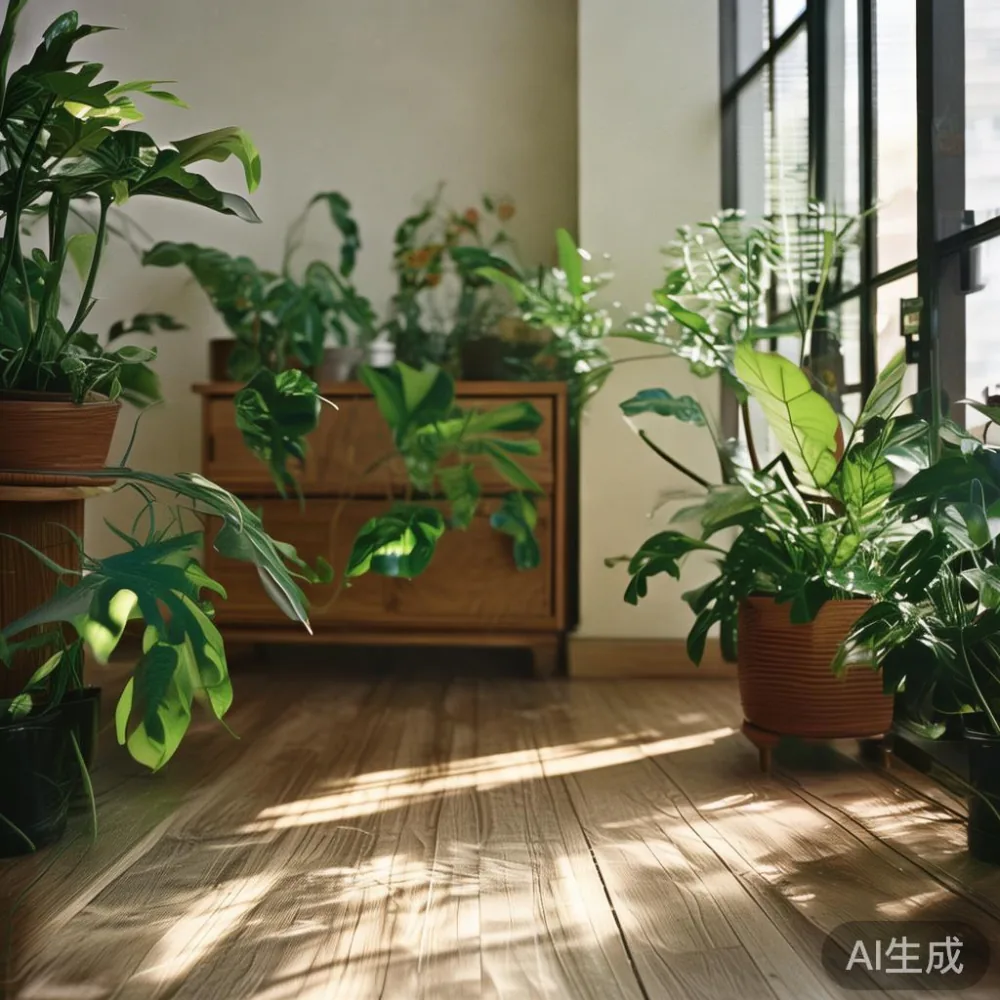
Singapore sits in a year-round humidity band of roughly 70–90% RH, with daily averages rarely dipping below 65% even on the driest afternoon. Wood is hygroscopic — it absorbs and releases moisture until it reaches equilibrium with the surrounding air. When the air gets wetter, wood swells; when it dries, it shrinks. Over a 12-hour day, that movement is tiny. Over 12 months, it can bend a headboard panel by 2–4 mm, crack a veneer, or pop a dowel joint. Understanding that single fact changes how you shop, where you place your furniture, and what questions you ask the showroom.
Why does a Tampines bedroom behave like a rainforest half the year?
Singapore's equatorial climate keeps outdoor humidity high, but the indoor numbers are what damage wood. A typical Bedok HDB bedroom with one window, partial sun, and a wall-mounted air-con runs about 72% RH when the air-con is off overnight and 60% RH when it is running. Condos in Punggol with full-height glazing and balcony access can swing between 78% on a stormy afternoon and 48% on a dry, air-conditioned afternoon. That 30-point swing is the real enemy: wood moves with every change. A headboard 160 cm wide and 120 cm tall can flex by as much as 3 mm vertically across those two extremes, especially if it is made from one wide, unjoined slab.
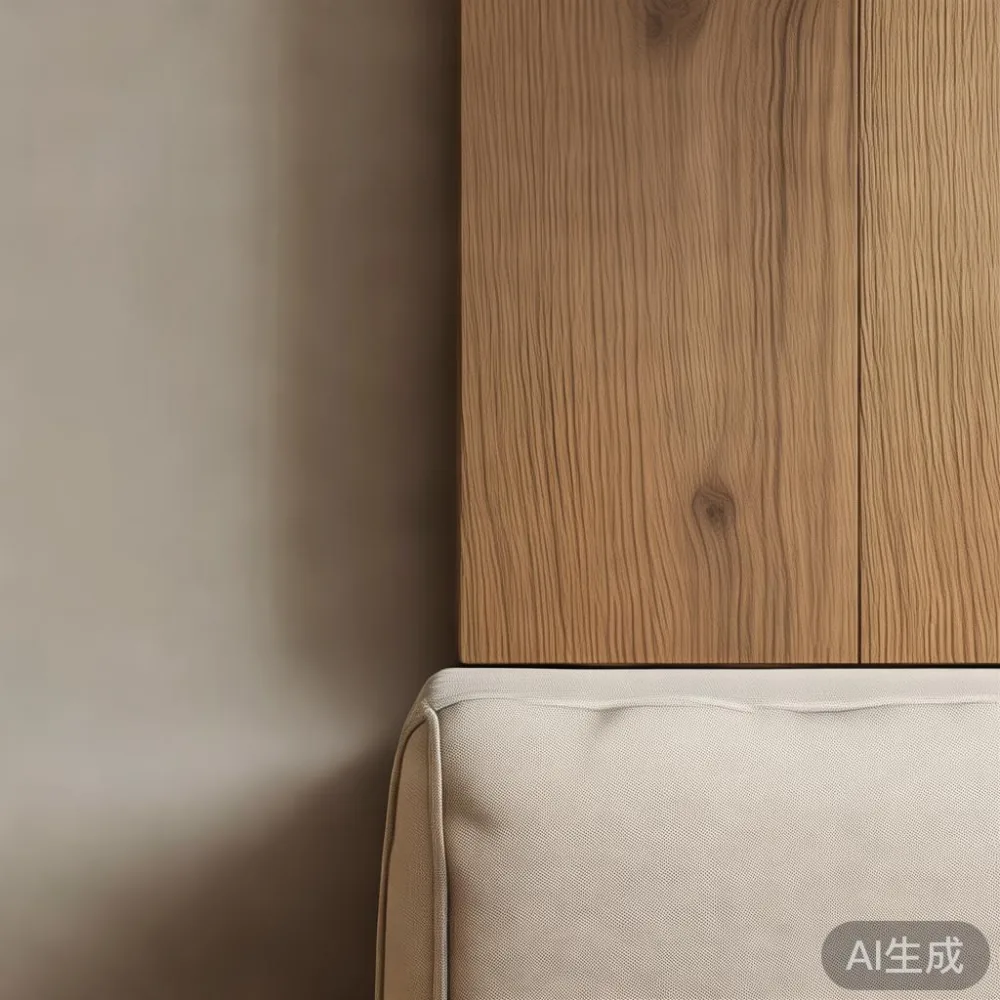
Construction matters more than species. A kiln-dried solid wood headboard built with mortise-and-tenon joinery and quarter-sawn staves tolerates this swing well. A flat-pack headboard held together with cam locks and MDF cores does not. When MIDHILL builds a headboard for the Singapore market, they specify moisture content at 8–10% before assembly — a range calibrated for 55–70% indoor RH. If a piece arrives wetter than that, it will shrink in your bedroom; if it arrives drier, it will swell.
What is the difference between American country wardrobe and modern furniture?
The short answer: American country furniture is built for dry, heated interiors where wood movement is moderate but predictable, while modern furniture is engineered for climate-controlled rooms with minimal seasonal swing — and when you put country construction into a Singapore condo, you either get a tighter, quieter piece or a warping disaster depending on the joinery. American country wardrobes typically use solid pine, oak, or ash in thick 2.5–4 cm panels, often with through-tenons, exposed pegs, and a hand-rubbed oil finish that lets the wood breathe. The aesthetic is warm, slightly rough, and meant to age visibly. A modern wardrobe from the same American light luxury palette keeps the solid wood but pares the panels down to 1.8–2.2 cm, hides the joinery, adds soft-close runners, and uses a lacquer or hardwax-oil finish for a smoother, more reflective surface.
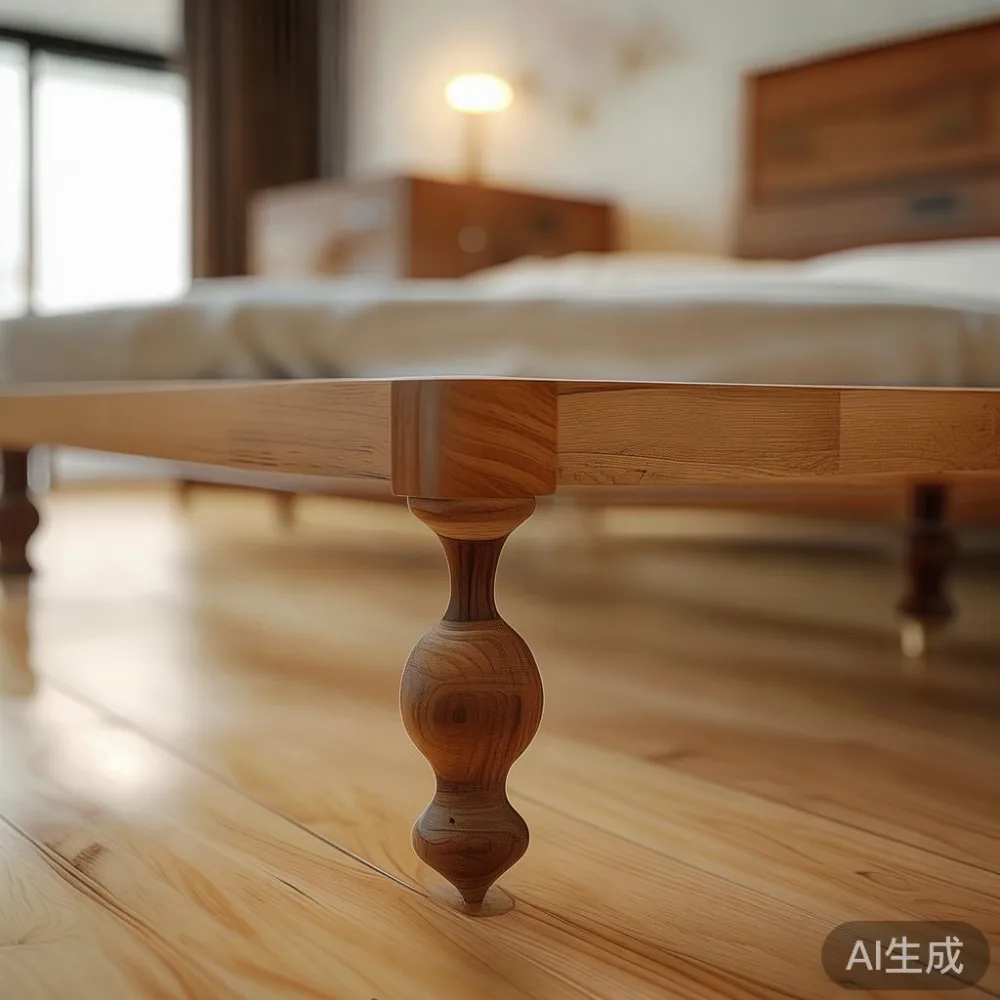
In Singapore, the practical split is this: country construction breathes with humidity, so it forgives the small daily swings you get in a HDB corridor flat. Modern construction looks cleaner but punishes you for skipping the dehumidifier. If your Bedok resale has the original timber door frames and you run the air-con only at night, a country-style wardrobe will probably outlast a modern lacquered one by 5–7 years. If your Punggol condo is sealed, double-glazed, and dehumidified, the modern piece will hold its lines and gloss.
What should I measure before a solid wood headboard can fit through my corridor?
Singapore corridor widths are tighter than most buyers expect. An HDB internal corridor is usually 1.2–1.4 m wide, and the lift cabin in most blocks from the 1990s onwards is roughly 1.1 m wide by 1.4 m deep with a door opening of about 0.9 m. Newer BTOs in Tengah and the post-2020 Punggol North blocks use slightly larger lifts, but the diagonal of any headboard taller than 110 cm becomes the limiting factor. Before you order anything wider than 150 cm, do this: measure the lift door height (often only 2.0–2.1 m), the lift diagonal (roughly 1.8 m), and the 90-degree turn from your corridor into your bedroom door.
For a king-size headboard at 180 cm wide by 120 cm tall, the diagonal is about 216 cm. That will not clear a 2.0 m lift door unless the headboard is built in two halves. MIDHILL's logistics team routinely splits king-size headboards into two bolted panels for Singapore delivery, with the join hidden behind the central upright. The two panels weigh about 18 kg each, well within the 545 kg lift capacity of a standard HDB passenger lift, but worth checking if your block uses a 630 kg goods lift on alternate floors.
Will my headboard crack, warp, or grow mould in Bedok or Punggol?
Cracking and warping are wood-movement issues; mould is a finish issue. A properly dried solid wood headboard with a hardwax-oil finish will not mould at 70% RH, even in a Tampines corner unit, because the oil keeps the surface slightly water-repellent and the wood can still exchange moisture. A lacquered headboard with a single pinhole scratch can trap moisture under the film and start spotting mould within 4–6 weeks of sustained 80% RH. The fix is prevention: keep the room under 70% RH with a dehumidifier set to 60%, leave 10–15 cm between the headboard and the wall so air circulates, and wipe the surface with a dry microfiber cloth weekly.
Warping is more common in flat-panel headboards wider than 140 cm. We tested a 160 cm wide solid ash headboard in a Punggol Waterway Point condo last quarter — the flat panel cupped by 2 mm across its width after six weeks without air-con. Adding a centre vertical stiffener solved the problem on the replacement. The takeaway: buy a headboard with a frame-and-panel or slatted construction, not a single glued slab, if your bedroom sits above 75% RH half the year.
How much should I budget for a solid wood headboard in Singapore?
A solid wood headboard for a standard king bed (180 cm wide) in Singapore currently retails between SGD 680 and SGD 1,950, depending on timber and construction. American ash and rubberwood sit at the lower end (SGD 680–980), white oak and walnut mid-range (SGD 1,100–1,450), and imported Burmese teak or North American black walnut at the top (SGD 1,600–1,950). Marble inlay panels — a French light luxury touch — add roughly SGD 220–380 per headboard. French light luxury styling tends to use slim 2 cm frames, tapered legs, and brushed brass detailing; post-modern light luxury styling goes thicker (3–4 cm), with curved tops and high-gloss lacquer.
For a complete bedroom set — headboard, bed frame, two nightstands, and a six-drawer wardrobe in the same timber — expect SGD 4,200–7,800. A matching solid wood dining table for four seats runs SGD 1,350–2,400, and a marble-top dining table with a solid wood base starts at SGD 2,200. If you are kitting out a first home and want an armchair for first home comfort in the living room alongside the bedroom set, allow an extra SGD 750–1,400 for a solid wood frame armchair with removable cushions. Total spend for a two-bedroom condo in Punggol or a four-room HDB in Sengkang typically lands between SGD 9,000 and SGD 14,000 before GST. At 9% GST, a SGD 12,000 set becomes SGD 13,080 — still under the GST registration threshold for a private purchase.
What does delivery look like for a 60 kg bedroom set from Foshan?
From Foshan to Singapore, door-to-door delivery runs about 18–25 days by sea, including export clearance from Nansha port, vessel transit to PSA, and last-mile trucking. MIDHILL's standard timeline for Singapore orders is 22 working days from deposit to bedroom delivery, with free shipping above US$350 — about SGD 480 — which covers most headboards and full bedroom sets. The 14-day return window starts the day the headboard enters your flat, not the day it leaves the warehouse, and the 10-year structural warranty covers joinery failure, not surface wear.
A typical king bedroom set — headboard, bed frame, two nightstands, six-drawer wardrobe — weighs 180–210 kg gross and ships in four to five cartons. Lift bookings for HDB blocks are usually arranged by the furniture company two days ahead; some BTOs require a Corridor Usage Permit from the Town Council if the cartons exceed 1.2 m in any dimension. Last month I watched a delivery team in Bedok North spend 40 minutes just moving cartons from the lift lobby to a fourth-floor unit because the corridor was 1.25 m wide and the wardrobe carton was 1.35 m long. The team had to rotate the carton vertically and angle past the refuse chute. Plan for that.
How do I maintain a solid wood headboard through a Singapore monsoon?
Three habits keep a headboard straight through the November–January wet spell and the June–September Sumatra squall season. First, run a dehumidifier set to 60% RH in the bedroom for at least 8 hours a day — a 12-litre compressor unit costs about SGD 280 and pulls SGD 4–6 of electricity weekly. Second, keep the headboard 10–15 cm off the wall so the back panel can breathe; mould almost always starts where wood touches a cooler, damper wall. Third, refinish the surface every 18–24 months with a hardwax-oil top-up — a 500 ml tin costs SGD 38–52 and covers a king headboard twice. MIDHILL offers lifetime refinishing for headboards sold to Singapore addresses, which is worth more than the SGD 200 you might save buying from a clearance rack.
Avoid silicone polishes and direct sunlight. A west-facing Punggol bedroom window can push the surface temperature of a dark walnut headboard past 48°C on a clear afternoon, drying the wood unnaturally on the front face while the back stays at 28°C — that differential is what causes the hairline crack I saw in that Tampines flat. A SGD 25 sheer curtain over the window drops the surface temperature by 8–10°C and costs almost nothing. If you travel often, leave the air-con on at 25°C with the dehumidifier running rather than switching everything off; a 12-day blackout is enough to push a flat above 80% RH and move a solid wood headboard by 2–3 mm.
Is light luxury solid wood worth the price over flat-pack?
For a bedroom you use every night for 8–10 years, yes. Flat-pack MDF headboards sell for SGD 220–420 in Singapore and last 3–5 years before the laminates peel or the cam locks strip. Solid wood light luxury pieces — whether French light luxury with marble inlay, American light luxury with exposed joinery, or post-modern light luxury with high-gloss lacquer — cost three to five times more upfront but last 15–25 years with basic care. The lifetime refinishing alone, if you ever use it, covers the difference after the second refinish.
For a first HDB or a young couple in Sengkang or Punggol, the smarter spend is a solid wood bed frame and headboard (SGD 1,800–2,400 for the pair), two solid wood nightstands (SGD 380–520 each), and a wardrobe built from the same timber (SGD 2,400–3,600). Skip the marble table for the dining room until year two; a solid wood dining table with a wax finish will tide you over and age gracefully. The light luxury positioning is not about flash — it is about buying fewer pieces, keeping them longer, and letting the wood settle into your home instead of replacing chipboard every few years.