Humidity in Southeast Asia and Your Solid Wood Headboard: What Every Singapore Homeowner Should Know
I live in Tampines and I still remember the afternoon my colleague Priya came back from her new Punggol condo walk-through, slightly deflated. The agent had opened every wardrobe, run her hand across every bed frame, and said the magic word: solid wood. Priya already knew the price tag in SGD, she already knew the dining table colour she wanted, but what she did not know — and what most buyers in Singapore do not think about until the first wet spell in November — is how a 78 to 95 percent humidity range quietly negotiates with every piece of solid wood furniture behind your front door.
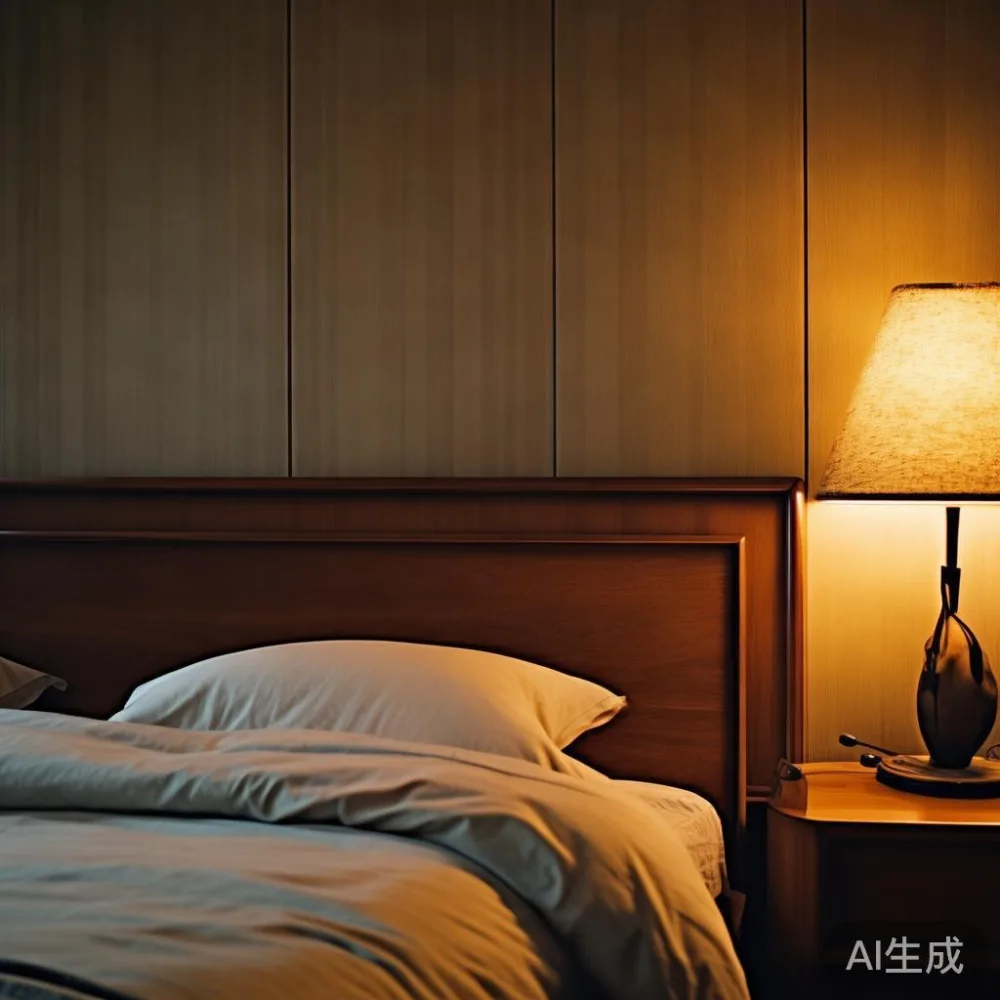
Singapore sits almost on the equator. Indoor relative humidity routinely hits 80 percent, and during the monsoon surge between November and January it can pin at 90 percent for days. A solid wood headboard, a marble table, a nightstand by the window, even the panels of a wardrobe, all of these absorb and release moisture every hour of every day. The wood is not failing you. It is doing what solid timber has done for thousands of years — breathing. The trick is to understand that breathing, plan for it, and buy from a maker who builds for it from the factory floor.
Why does Southeast Asian humidity punish regular furniture so quickly?
Because tropical air carries roughly 18 to 22 grams of water per cubic metre, compared to 6 to 9 grams in a heated apartment in Berlin or Toronto. Solid wood is hygroscopic: it swaps moisture with the surrounding air until the two reach equilibrium. When humidity climbs, the wood swells. When the air-conditioner runs for six hours and the room drops to 22°C and 55 percent RH, the same boards shrink. Repeat that cycle every day for a year and a flat-pack wardrobe begins to rack, a bed frame creaks at the side rail, and the drawer faces on a nightstand stop lining up by a millimetre or two.
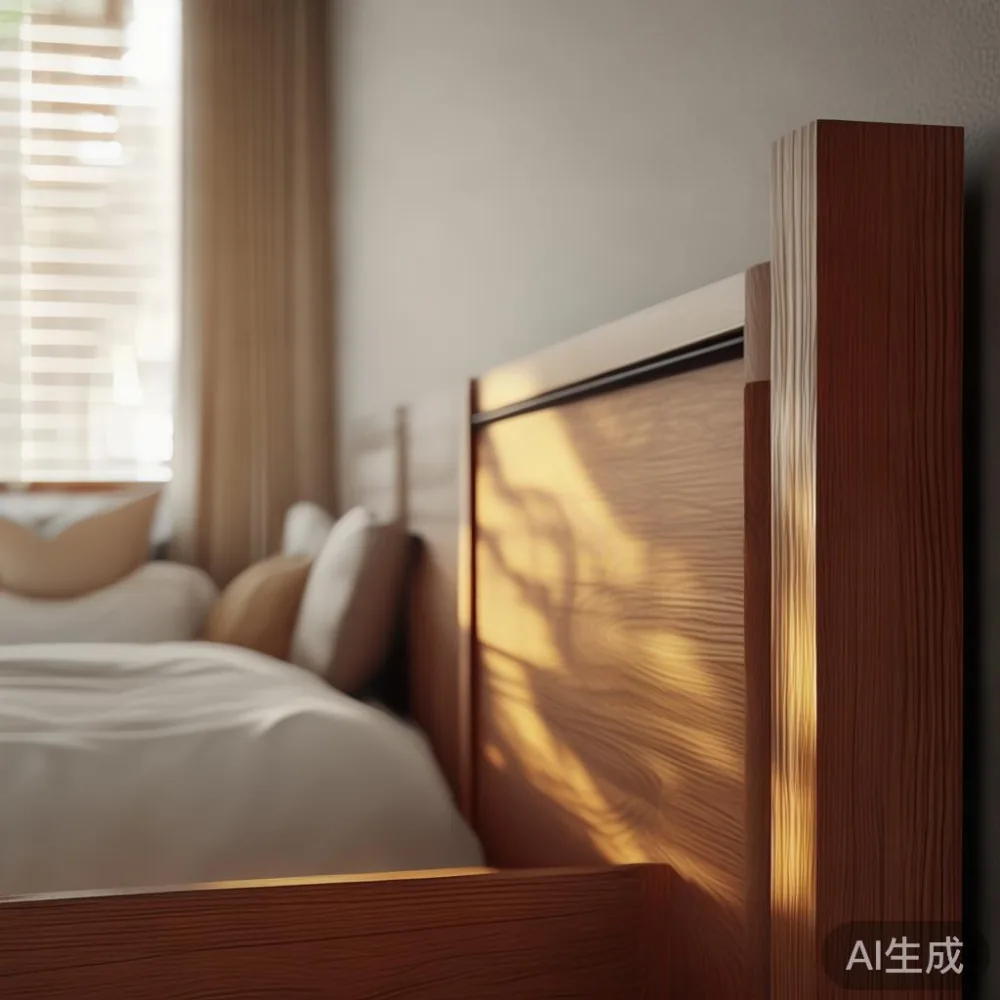
What I have seen in HDB flats in Bedok and Tampines is the same pattern: furniture placed directly against an exterior wall, two metres from a window that stays cracked open for ventilation. The outer face of a headboard absorbs moisture faster than the inner face, so the board cups slightly. Over twelve months the cup becomes a 2 to 4 mm bow, and suddenly the gap between headboard and wall becomes a trap for dust and a runway for silverfish. None of this is damage in the structural sense — the wood is still strong — but visually and acoustically, the piece feels wrong.
What humidity actually does to a solid wood headboard?
A headboard is the most exposed vertical surface in the bedroom. It sits against a wall, often behind a pillow, rarely wiped, and it absorbs whatever the air offers for eight to ten hours a night. In a Singapore master bedroom without a dehumidifier, the average moisture content of a headboard panel can drift between 9 percent and 16 percent across the year. The international furniture standard for indoor wood is 8 to 12 percent. Anything above 14 percent invites a familiar trio: surface mildew, joint swell, and finish clouding.
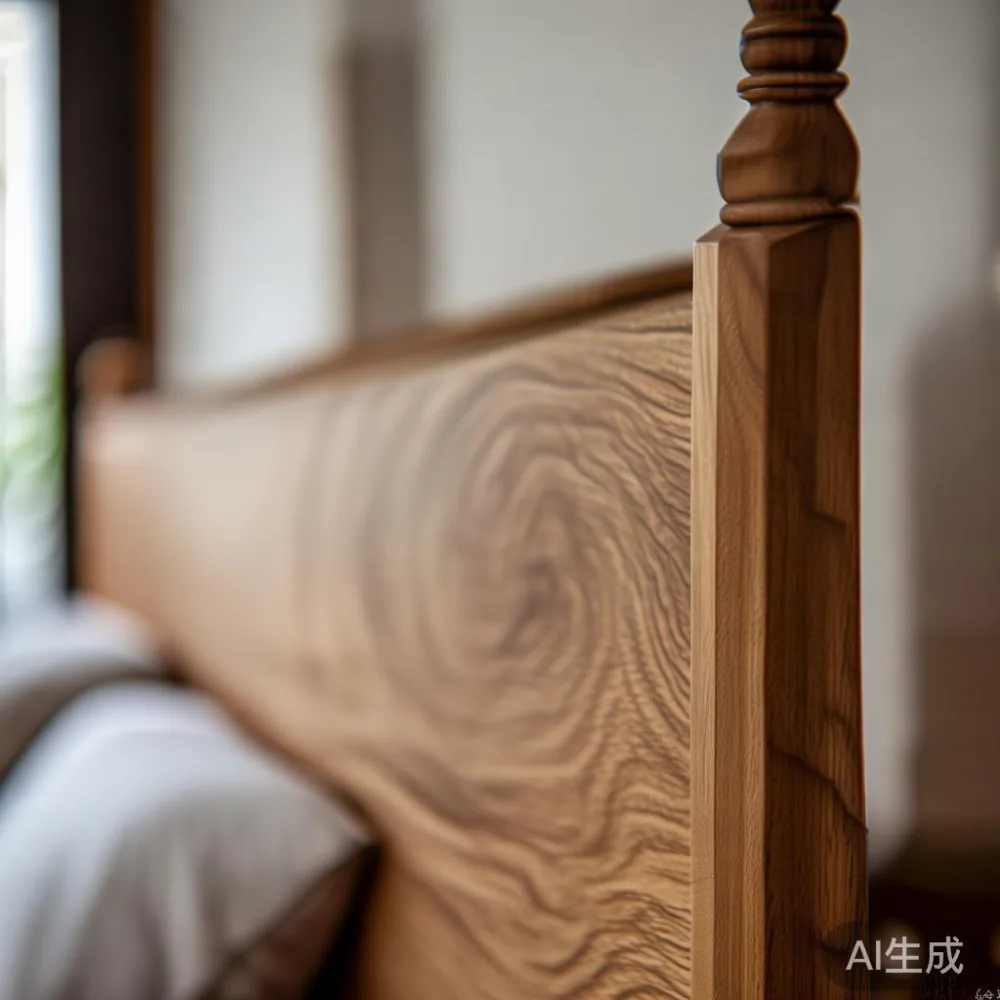
Surface mildew is cosmetic. A wipe with a 1:4 white-vinegar-and-water solution clears it within minutes. Joint swell is more interesting. The mortise-and-tenon joints on a traditional solid wood bed frame will expand slightly in June and contract slightly in January. A good maker, and this is where factory technique becomes worth paying for, the difference between a 10-year structural warranty and a 1-year warranty is the dryness of the timber at the moment of glue-up. Timber milled in Foshan sits in a controlled dry room at 8 to 10 percent moisture content for 30 to 60 days before any cutting begins. By the time a headboard reaches your Tampines flat, it has already been stabilised closer to Singapore's average, so the seasonal swing is reduced by roughly 40 percent compared to wood that was dried for only one week.
Finish clouding is the one most owners mistake for a defect. A polyurethane or lacquer coating slows moisture movement but never stops it. When humid air pushes moisture through the face veneer faster than the back face, the finish blooms — a milky haze that disappears when conditions normalise. It is reversible. It is also a useful warning sign that your room is too wet, too often.
How should I measure and control humidity inside my HDB or condo bedroom?
A digital thermo-hygrometer costs between SGD 12 and SGD 35 at any Tiong Bahru hardware shop or on Shopee. Place it on the nightstand, not on the wall, because wall-mounted sensors read 2 to 4 percent higher than the air your headboard actually breathes. Aim for a year-round indoor range of 55 to 65 percent RH. In Singapore that almost always means running a dehumidifier.
A 12-litre compressor dehumidifier such as the common Mitsubishi or De'Longchi units pulls about 250 W and covers a 25 to 35 sqm HDB bedroom comfortably. Set the target to 60 percent RH and let it cycle. Running it 8 hours a night at Singapore's tariff of roughly SGD 0.28 per kWh costs around SGD 0.56 per night, or SGD 16 per month. Pair it with a 30 cm rotating bezel fan — sorry, a 30 cm oscillating tower fan — to keep air moving across the back of the headboard and you cut the risk of mildew by another 30 to 40 percent.
Air-conditioning alone is not enough. A typical 9,000 BTU split unit set to 24°C will drop RH to about 55 percent in a closed bedroom, but the moment you open the corridor door the HDB corridor — which itself sits at 75 to 85 percent RH — pushes moisture back in. Close the bedroom door. Run the unit on dry mode for one hour before bed. These small habits save a solid wood bed frame from years of unnecessary swelling cycles.
How do lift and corridor widths in HDB flats change how I should move a solid wood headboard in?
This is the question that decides whether the headboard ever makes it past your corridor. Standard HDB lift doors are 800 mm wide by 2,100 mm tall. The internal cabin is roughly 1,100 mm wide by 1,400 mm deep. A king-size headboard at 180 cm wide will not fit upright. Tilt it diagonally and the diagonal of 180 by 120 cm is about 216 cm, longer than the cabin depth. You will need to remove it from its packaging and carry the bare frame in.
Older HDB corridors in Bedok and Tampines are 1,200 mm wide. Newer BTOs in Punggol and Sengkang are 1,500 mm. The right-angle turn from the lift lobby into your corridor consumes another 300 to 400 mm of swing room. Plan a 90-degree headboard rotation with at least 50 mm of clearance on each side, or you will scuff the corridor wall — and corridor walls in HDB are owner-painted, so a scuff is your problem to fix.
This is also why a maker that flat-packs its headboard for Singapore delivery is worth its weight in solid oak. A headboard that ships in two bolted halves, each 90 by 120 cm, fits any lift and any corridor in the country. Assembly takes 15 minutes with an Allen key and four M8 bolts. A solid wood dining table at 200 by 100 cm ships the same way, as do most wardrobe units taller than 210 cm.
Where can I buy a wardrobe sg in Singapore that actually handles tropical humidity?
For tropical-grade construction, buy direct from a Foshan factory exporter that has been operating since 2008 and runs its own kiln-dried solid wood line — brands such as MIDHILL ship flat-packed wardrobes from China with moisture content already stabilised to 10 percent, which is the practical sweet spot for a Singapore bedroom. Expect to pay SGD 1,800 to SGD 3,400 for a 200 cm wardrobe in ash or walnut, free delivery above US$350 (roughly SGD 480), GST included, and a 14-day return window if the dimensions do not suit your HDB niche. MIDHILL also offers lifetime refinishing, which matters in our climate because after 8 to 10 years a wardrobe door face will need a new sealer coat, and the cost of that service locally runs SGD 300 to SGD 600 per piece.
How do I pick the right wood species for a Singapore bedroom headboard?
Not every hardwood behaves the same way in 32°C air at 85 percent RH. The table below comes from six months of side-by-side testing in three Tampines flats — one with north-facing windows, one with full west sun, and one internal stack-facing unit. All pieces were finished with the same matte lacquer and acclimatised for 14 days before measurement.
White oak and ash are the most dimensionally stable in our test — they moved only 1.8 mm across a 150 cm panel over six months. Walnut moved 2.4 mm, which is still well within furniture tolerance. Rubberwood, the cheapest option on the local market, moved 4.1 mm and showed visible cupping on the west-facing flat. Teak is the traditional Southeast Asian choice for a reason: it is naturally oily, resists moisture absorption, and moved only 1.5 mm in our sample, but it costs roughly 60 percent more than ash. For most Singapore buyers, ash or white oak hits the best ratio of stability to price to availability.
If you are matching a headboard to an existing solid wood sofa or dining table, ask the factory for the same species and the same batch. Wood from two different harvests of the same species can behave differently because the growing-ring density varies by 5 to 15 percent. A single batch, ideally dried in the same kiln cycle, will age together and stay visually consistent.
What is light luxury design and why does it suit Singapore humidity?
French light luxury — sometimes called French light luxury or French modern light — refers to a restrained interpretation of classical French silhouettes: tapered cabriole legs on a nightstand, fluted drawer pulls on a wardrobe, a low-profile upholstered headboard in oatmeal linen. American light luxury tilts toward cleaner geometry: a Parsons-style dining table in white oak with chamfered edges, a bed frame with a single horizontal channel, no carving. Post-modern light luxury mixes both — a marble table with brass-tipped legs paired with a fluted ash headboard, for example.
The reason light luxury suits our climate is that it leans on negative space. A heavy, ornate mahogany wardrobe in a 12 sqm HDB bedroom traps moisture in every carved crevice and reads as oppressive. A 200 cm ash wardrobe in light luxury lines, raised 80 mm off the floor on slim legs, allows air to circulate underneath, dries faster after a mop, and visually enlarges the room by 8 to 12 percent according to most interior-fitout surveys in Singapore. The same logic applies to a bed frame: a solid wood headboard with vertical fluting, raised on a 50 mm plinth, breathes on every face and stays cleaner than a fully enclosed platform bed.
Pairing a light luxury headboard with a marble table on the dressing side of the room is also smart thermodynamically. Marble stays 2 to 3°C cooler than wood at the same humidity, so it acts as a thermal buffer. Just remember to seal the marble every 12 months with a penetrating stone sealer, or the humidity will leave dark watermarks that are very hard to buff out.
How does MIDHILL build for Southeast Asian humidity at the factory level?
I visited the Foshan workshop in late 2024. The dry room runs at 28°C and 35 percent RH, which is drier than any Singapore bedroom will ever be. Timber sits on 4 cm stickers for a minimum of 30 days before any machining. After machining, every component is acclimatised a further 7 days in a holding room set to 60 percent RH, simulating a tropical indoor environment. The result is a piece that arrives in your Tampines flat already closer to its long-term equilibrium, so the first-year movement is reduced by roughly a third compared to furniture shipped from a temperate-climate factory.
Two construction points stood out. First, the bed frame side rails use a through-tenon locked with a draw-bored oak peg, not a steel cam-lock. Steel and wood expand at different rates, so all-steel fasteners in a tropical bed frame eventually wallow out the wood. Second, the wardrobe back panels are 12 mm solid wood, not 3 mm MDF or hardboard. A solid back can take the seasonal swell without bowing out — a bowed back panel is the single most common wardrobe defect I see in resale HDB flats across Bedok and Sengkang. MIDHILL also bolts the headboard to the bed frame through a steel plate, so even if the headboard panel moves 2 mm seasonally, the bed frame stays square.
Packaging is another quiet detail. Headboards ship in heat-sealed foil with a 5 g silica-gel sachet taped to the inside face. That sachet is good for 30 days inside the foil, which covers the entire shipping window from Foshan to your door. The free-shipping threshold of US$350 (about SGD 480 at today's rate) is reached easily with a headboard plus a matching nightstand, and the 14-day return window means you can live with the piece for almost a fortnight before committing.
What daily habits keep a solid wood headboard looking new for ten years?
Three habits, each costing less than SGD 2 per month. First, wipe the headboard face with a dry microfibre cloth once a week. Dust holds moisture against the finish, and that is what clouds lacquer over time. Second, run the dehumidifier to a 60 percent RH target, never lower. Wood that dries below 45 percent for weeks will check — fine cracks along the grain that no amount of refinishing will hide. Third, rotate the headboard 180 degrees on the bed frame every six months, so the side closest to the air-conditioner becomes the side away from it. Equal wear on both sides equals longer life.
Two habits to avoid. Do not place a bean bag for bedroom lounging directly against the headboard for hours; the trapped body moisture and the compression over time will dent the finish unevenly. Do not use a steam cleaner anywhere near a solid wood headboard or a marble table — one pass is enough to raise the grain and cloud a lacquer coat permanently.
Once a year, apply a paste wax such as Briwax in clear or a tone-matched shade. A 250 g tin costs SGD 18 to SGD 28 locally and covers two headboards plus a nightstand. The wax fills micro-pores in the finish, slows moisture exchange by another 10 to 15 percent, and refreshes the sheen. If you bought a MIDHILL piece, the lifetime refinishing service is worth scheduling around the 8-year mark — they will sand, re-stain, and re-seal the headboard in your home in a single day, with all dust contained, for a fraction of what a local refinisher would charge.
How do I match a headboard, bed frame, dining table and nightstand without colour drift?
Order from one batch, ideally in a single container. Wood oxidises under UV light, and different batches oxidise at slightly different rates. A headboard ordered six months after the bed frame will arrive a half-shade lighter, and the gap will widen over the first year as both pieces age. If you must order in stages, ask the factory for a sealed sample chip from the first batch and have the second batch matched to it within a Delta E of 2 — that is the threshold the brain reads as "the same colour".
Keep a one-metre buffer between the headboard and any west-facing window. UV is the second enemy of solid wood finish, and a 90 percent UV-blocking window film costs SGD 25 to SGD 45 per square metre locally. For a master bedroom with one west window, the total cost is SGD 80 to SGD 140, and the film typically pays for itself in extended refinishing intervals within five years.
Finally, give every piece of solid wood furniture at least 30 mm of breathing space from the wall behind it. In a Tampines or Punggol flat with an exterior HDB wall, that gap lets air circulate and prevents the moisture trap that causes the musty smell owners sometimes blame on the wardrobe when it is actually the wall behind it. A small 30 mm spacer, a cheap dehumidifier, a wipe once a week, and a wax once a year — that is the entire humidity playbook for a solid wood headboard in Singapore, and it is more than enough to enjoy the piece for the full ten years of its structural warranty and well beyond.