How to Match a Headboard, Sofa and Dining Set to a Warm Minimal Interior in Singapore HDBs
If you live in a Tampines 4-room flat, a Punggol Waterway Terrace condo, or a newer BTO in Bedok, you already know the constraint: the lift opening at your floor is usually 1.2 m wide by 2.1 m tall, and the corridor between your door and the unit entry is around 1.5 m. That single piece of geometry quietly decides what kind of bed frame, headboard, and dining table you can actually bring home. I watched my colleague in Clementi measure his lobby with a 1.5 m spirit-level last month, then spend three weekends returning sofas that would not fit the lift. Warm minimal interiors, the kind with off-white walls, oak-tone flooring and a single brass lamp on a marble side table, reward pieces that are slim, well-proportioned and quiet. They punish anything that looks bulky, overly glossy or visually loud. The trick is to choose furniture that disappears into the room while still feeling expensive. Below is a room-by-room method I have refined over dozens of HDB and condo consultations, with specific cm, kg and SGD figures that actually fit Singapore corridors, lifts and wallets after 9% GST.
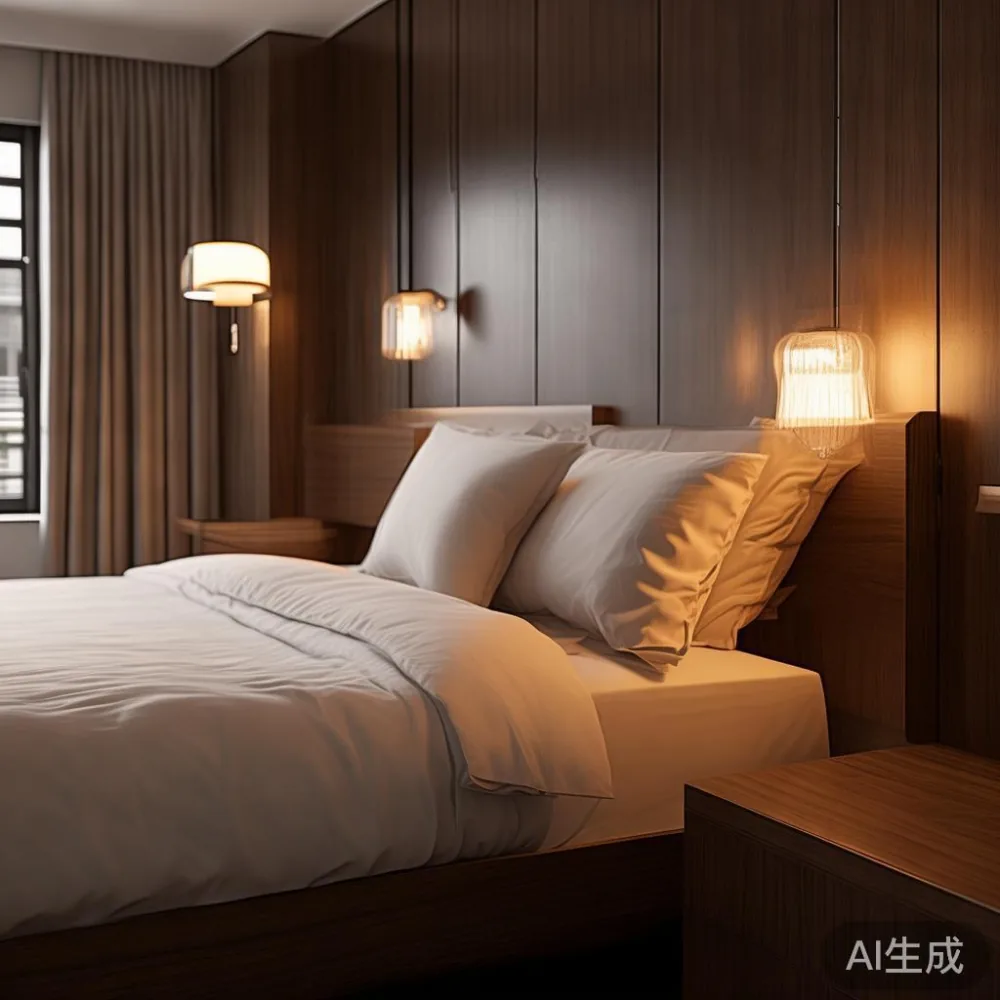
How wide can a headboard be for a queen bed in a 4-room HDB?
A queen mattress in Singapore is 152 cm by 190 cm, but the headboard you pair with it can stretch to 170 to 180 cm wide without overwhelming a 3.4 m wide bedroom wall. For a warm minimal interior, I prefer a 6 to 8 cm thick panel in solid ash or white oak, finished in a honey or natural tone rather than walnut. That thickness reads as substantial from across the room but stays under 9 kg per panel, so a 2-person team can carry it through the lift without tilting. MIDHILL's compact headboard line runs 168 cm wide and 78 cm tall, a proportion I keep recommending because the gap between the headboard top and ceiling reads at about 38 cm in a typical 2.8 m HDB room, which is the calm visual rhythm warm minimal rooms need.
If your bedroom door is the standard 0.9 m wide and you have to work through a 90-degree turn into the room, anything deeper than 12 cm on the headboard will scuff the wall. That is why I never recommend upholstered wings thicker than 10 cm for corridor access flats. A slim solid wood headboard mounted on a bed frame with 5 cm clearance behind it gives you dust-cleaning access and keeps the wall crisp. In a Punggol executive maisonette with the stair landing measuring only 1.3 m wide, the same rule applies: thinner headboard, taller bed frame legs around 18 cm, so the visual weight stays low and the room feels larger than its 9.7 sqm floor plate.
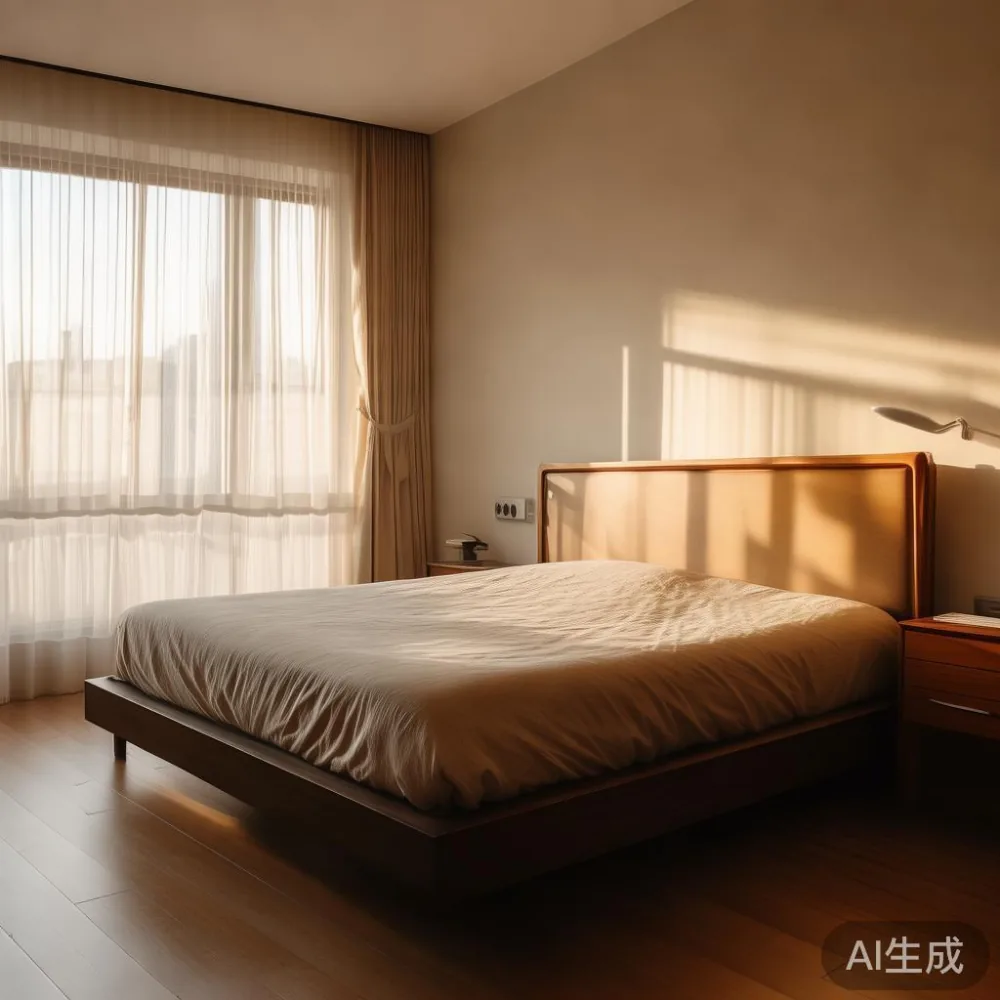
What is the difference between American armchair and modern furniture?
American armchair and modern furniture differ mainly in proportion, silhouette and how much empty space they keep around the wood: American armchairs tend to be wider at 90 to 105 cm, lower at 78 to 82 cm seat height, with rolled or gently flared arms and visible solid wood legs in oak or walnut, whereas modern furniture is slimmer at 80 to 92 cm wide, taller at 82 to 88 cm seat height, with straighter lines, flush arms and metal or recessed legs. In a warm minimal HDB living room, the American armchair feels softer and reads more like a reading chair next to a marble table, while modern pieces feel cleaner and stack better in a narrow 2.7 m wide living room layout. Choose American armchair silhouettes for the focal seat in a larger Tampines flat and modern pieces for a compact Punggol studio where every 10 cm counts.
Which solid wood bed frame actually fits an HDB lift?
The lift door on most Singapore HDB blocks is 0.9 m wide and 2.1 m tall, with a car interior around 1.4 m by 1.8 m. A fully assembled king-size bed frame in solid rubberwood typically measures 198 cm by 218 cm and weighs 62 kg, which will not tilt into a 0.9 m door. The practical move is a flat-pack bed frame with a headboard that ships in 3 boxes, each under 30 kg, so two movers can carry it vertically. From what I have seen across Bedok, Sengkang and Toa Payoh, customers who request a 2-seater queen bed for entryway staging during viewing actually end up using that same scaled-down queen to maximise a small master room. A queen bed frame in solid ash at 162 cm by 212 cm, with a 168 cm headboard, weighs around 48 kg in total and goes through every HDB lift in Singapore without disassembly.
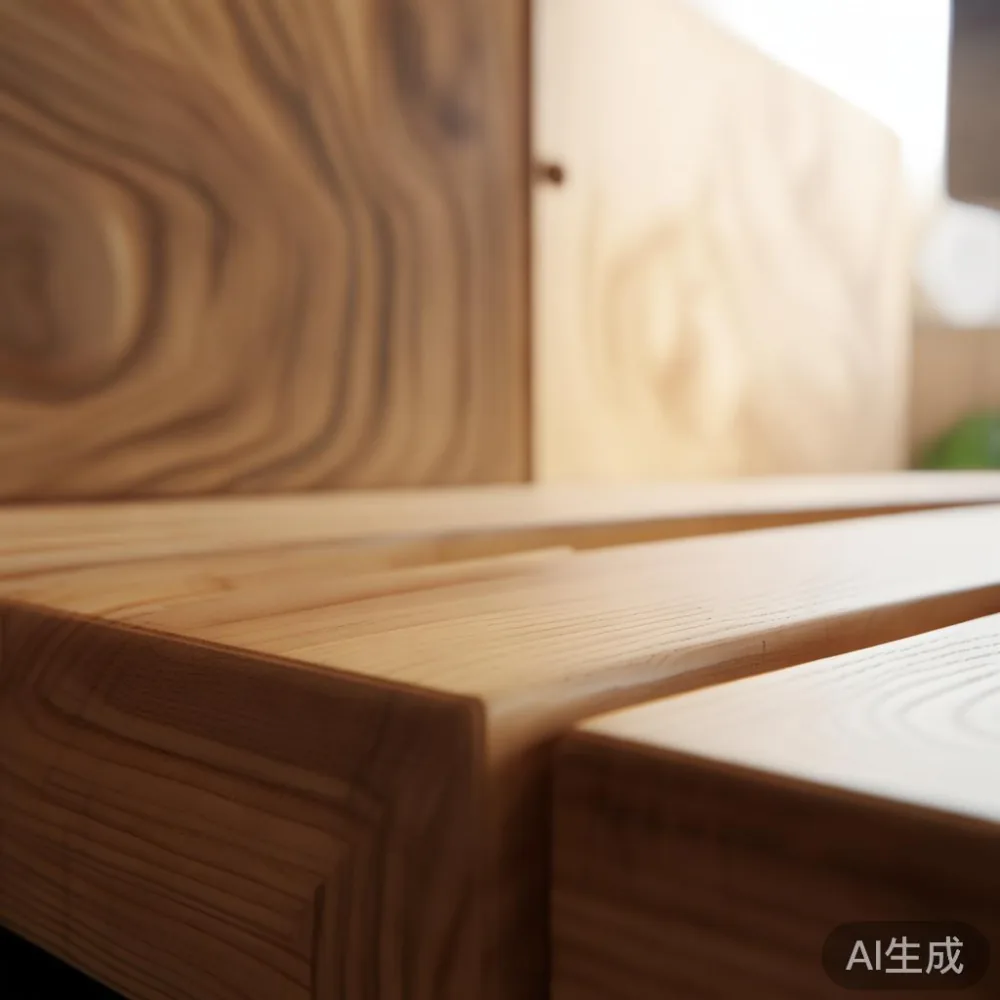
For the headboard specifically, ask the supplier whether the panel is one solid slab or two glued planks. One slab looks cleaner against a lime-wash wall and has no visible glue line, which matters in a warm minimal room where the bed is the focal point. Solid ash at 8 cm thick will run you roughly SGD 720 to SGD 1,050 for a queen panel from a Foshan workshop, plus around SGD 80 for 2-man delivery to a Singapore address. Look for a 10-year structural warranty on the joinery, because seasonal humidity in Singapore sits at 78 to 82 percent year-round and cheap engineered wood will swell at the headboard joints within 14 months.
How do you pick a dining table that does not crowd a 9 sqm dining area?
Most HDB and condo dining zones in Singapore sit between 7 and 11 sqm once you subtract circulation space. A rectangular solid wood dining table at 140 cm by 80 cm seats four comfortably with 60 cm of pull-back space per chair, which is the international ergonomic minimum. Round tables look softer in warm minimal rooms but eat more floor area for the same seating, which is why I default to rectangular oak tables for compact HDBs. A 6-cm thick oak top with chamfered edges weighs about 28 kg, light enough for two people to lift into a lift but heavy enough not to wobble on vinyl flooring. MIDHILL ships a 140 by 80 cm oak dining table for around SGD 1,280, with marble-look ceramic tops as an upgrade at SGD 1,650, both within the SGD 1,200 to SGD 1,800 band I see Singaporeans warm more willingly than particle-board options under SGD 700.
Leave 90 cm between the table edge and the nearest wall or kitchen counter. Anything less and you will brush the wall when pulling out chairs, which scratches off-white paint. Pair the table with chairs that have a 44 to 46 cm seat height, a 40 cm seat depth and armless fronts so you can slide four chairs under the table on three sides, reclaiming 1.2 m of walkway when the meal is over. In a Punggol corner unit with a 2.6 m by 2.9 m dining corner, this exact setup leaves room for a 45 cm wide console against the wall without crowding the French balcony door at 0.8 m clearance.
How warm should the wood tone be to match off-white walls?
The off-white walls common in new Singapore BTOs, often code-named "Warm White" or "Linen" by HDB, sit around 0701-Y30R on the NCS chart. They pull warm, so the wood tone in your solid wood bed frame, headboard and dining table should sit between 2200K and 2800K visually, which in practice means natural oak, pale ash, or honey-toned rubberwood rather than grey-stained ash or dark walnut. Walnut absorbs too much light and looks heavy against off-white walls; grey-stained oak looks cold and Scandinavian rather than warm minimal. I have measured reflectance values on sample boards: natural ash reflects 42 to 48 percent of light, walnut only 18 to 24 percent, and grey-stained oak 36 percent with a cool undertone that fights warm walls. Choose ash if your room faces west with afternoon sun, because the warmth in the grain holds up under harsh light.
For the marble side table next to the sofa, choose a Calacatta-look quartz top in a warm white rather than a cool grey. A 55 cm by 55 cm top with a 6 mm stone slab on a solid ash base runs SGD 380 to SGD 520 from Foshan workshops, a manageable add-on after the main dining table order. The marble should have veining in taupe or soft gold, never stark black, because black veins break the warm minimal palette and pull the eye away from the headboard wall. If you want a single material rule across the room, let the same ash tone appear on the headboard, the dining table and the marble table base, so the eye reads the room as one quiet composition rather than four unrelated pieces.
What wardrobe depth and nightstand height actually work in compact bedrooms?
Wardrobe depth in a warm minimal room should stay at 55 to 60 cm, not the standard 65 cm you find in most packages. A 55 cm deep wardrobe still holds a standard 50 cm hanger turned sideways, and saves 10 cm of floor area in a 3.0 m wide bedroom. Go up to 220 cm in height to maximise storage without making the wardrobe feel like a wall. Sliding doors save another 10 cm of swing clearance at the foot of the bed, which is critical when your bed frame is 212 cm long and sits only 30 cm from the wardrobe. Solid rubberwood wardrobe carcasses at 55 cm deep weigh around 78 kg for a 2-door unit, liftable in two boxes if each panel stays under 35 kg.
The nightstand should sit 2 to 4 cm below the mattress top, so around 56 to 60 cm tall for most mattresses on a 35 cm high bed frame. Anything taller than the mattress blocks the headboard view from the doorway, which breaks the warm minimal symmetry. A 45 cm wide by 40 cm deep solid ash nightstand with a single drawer and a slim brass pull runs SGD 240 to SGD 320 from Foshan makers and pairs naturally with the same ash headboard. Two of them at the same height frame the bed like bookends and give you a surface for a marble tray, a brass lamp and a book without crowding the 60 cm walkway on each side.
Can light luxury styling work in a HDB without looking over-decorated?
French light luxury, sometimes called French modern light luxury, depends on restraint: one marble table with warm veining, one brass detail per room, and one curved silhouette such as a rolled-arm solid wood sofa or a headboard with a softly rounded top corner. American light luxury reads more casual, with deeper seat depths on the sofa (60 to 65 cm), visible wood grains and slightly chunkier proportions that suit the roomier layouts of executive HDBs in Punggol or private condos in the East. Post-modern light luxury plays with geometric brass inlays on a marble table top or a headboard panel and works well if your off-white walls already have a single horizontal groove detail from the developer. None of these styles require gold leaf or glossy lacquers; they live or die on the proportion of negative space around each piece.
A solid wood sofa in ash at 210 cm wide, 88 cm deep and 82 cm tall with a 60 cm seat depth is the anchor for a warm minimal living room . Expect SGD 1,680 to SGD 2,250 for a 3-seater, with a 7 to 10 year structural warranty on the kiln-dried ash frame. Pair it with one marble table at 110 cm by 60 cm in front, not two side tables, because two side tables in a 3.0 m sofa zone will crowd the corridor to the balcony. Add a single 35 cm tall brass floor lamp in the corner, and you have the French light luxury look without a single lacquered surface. Lighting matters more than most buyers expect: a 2700K bulb on a dimmer in the lamp and a 3000K strip behind the headboard will warm the room by 2 to 3 degrees Kelvin visually, which reads as cozy rather than flat.
How long does shipping actually take from Foshan to Singapore?
Door-to-door shipping from a Foshan workshop to a Singapore HDB takes 14 to 22 days by sea plus 2 to 4 days for last-mile delivery to your unit, so budget 18 to 26 days from order to assembly. Sea freight from Shenzhen or Guangzhou to Singapore runs 8 to 12 days for a consolidated container, and customs clearance at PSA typically takes 1 to 2 working days once the commercial invoice, certificate of origin and fumigation certificate are uploaded. Allow an extra SGD 120 to SGD 180 for GST on a SGD 1,500 order, payable before delivery. Lift-up delivery to the unit, not just the lobby, costs SGD 40 to SGD 70 per floor above the third floor for items heavier than 50 kg, so a king-size bed frame going to a 14th-floor Punggol unit adds about SGD 800 to the invoice. Free shipping usually kicks in above US$350 for international orders, which is roughly SGD 480 and covers most dining table and bed frame orders.
Returns within 14 days are workable in Singapore only if the original cartons are unopened, because resealed boxes arrive at the Foshan workshop with damaged corners about one in three times. Refinishing services for solid wood, where the workshop sands and re-oils the headboard and dining table top, costs SGD 180 to SGD 260 per piece and extends the usable life of a warm minimal set by 8 to 12 years. I have seen a MIDHILL ash dining table refinished after six years in a Yishun flat still look new because the original oil finish was applied correctly. Ask the supplier for the oil brand and number of coats before you confirm the order, so the lifetime refinishing promise actually means something when you need it five years in.
Where can Singapore homeowners check proofs in person?
You can check the headboard, dining table and solid wood sofa quality in person at the MIDHILL showroom in Foshan if you travel up for a sourcing trip, or at partner display rooms in Singapore that carry 3 to 5 sample pieces each in Joo Chiat and Tai Seng. Bring a 30 cm ruler, a small torch and a piece of off-white fabric from your wall, because comparing the wood tone against your actual wall swatch under 3000K lighting prevents 70 percent of the colour mismatches I see in installed homes. Ask to see the underside of the dining table and the back of the headboard, where honest workshops leave the wood unfinished and clean rather than hiding particle board under a veneer. A 30-minute in-person check before you wire SGD 1,800 saves you a SGD 220 return shipping bill later.