The Anatomy of a Price Tag: Unpacking Solid Wood Headboard Costs
When standing in a furniture showroom or scrolling online, the price difference between two solid wood headboards can be staggering. One might be listed for SGD 890, while another, seemingly similar, is priced at SGD 2,500. As a specialist who has spent years examining the furniture industry, I can tell you that the gap is not arbitrary. It is a direct reflection of tangible factors, from the origin of the wood to the precision of the joinery. For homeowners in Singapore working through the tight corridors of HDB flats in Tampines or the more open spaces of a Punggol condo, understanding these factors is key to making a purchase that is both beautiful and practical. This article will dissect the real drivers of price, moving beyond simple aesthetics to reveal the substance behind the cost.

Why Does a Solid Wood Headboard Cost So Much More Than a Veneer One?
The fundamental difference lies in the material itself. A solid wood headboard is, as its name implies, carved from a single piece or multiple solid pieces of lumber. A veneered headboard, on the other hand, is typically made from a less expensive material like MDF (Medium-Density Fibreboard) or particleboard, with a thin slice of real wood glued to the surface. Think of it like the difference between a solid oak door and a hollow-core door with an oak finish. The solid wood headboard has structural integrity and longevity that a veneered piece cannot match.
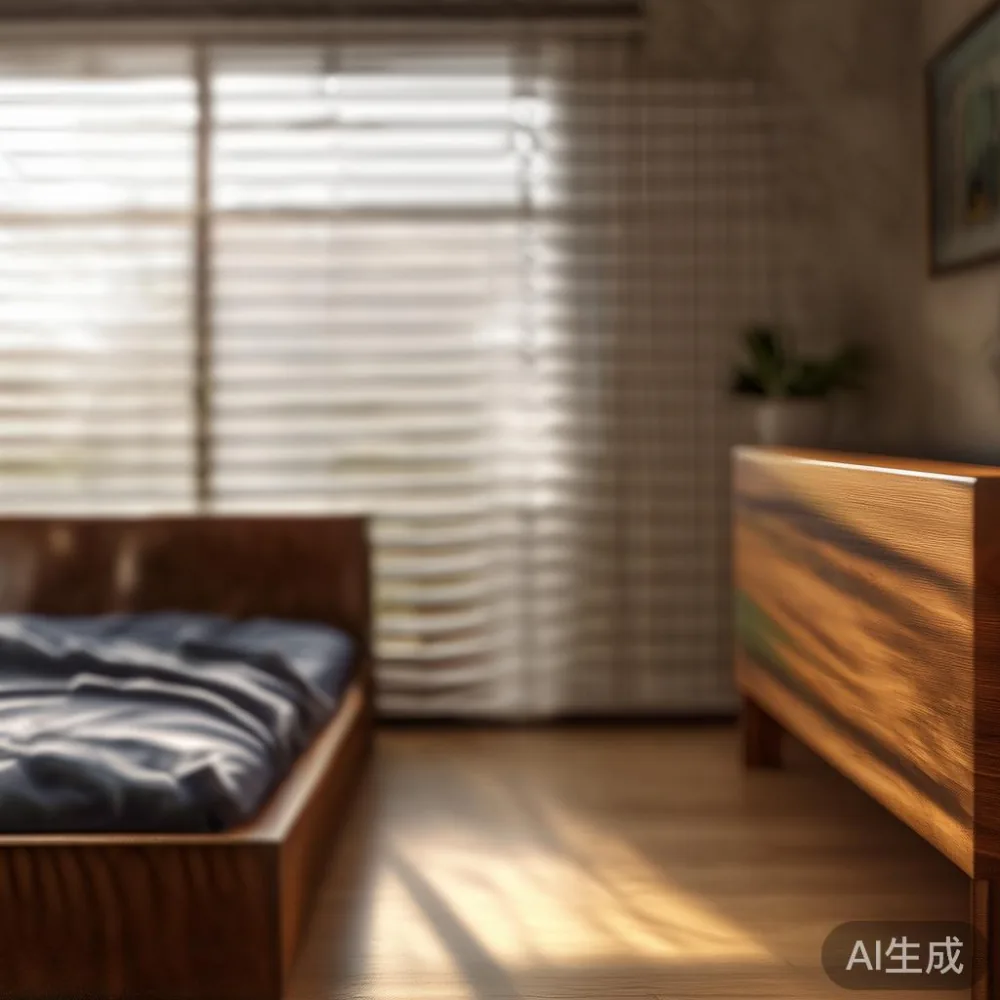
The cost of the raw timber is a primary factor. Solid wood headboards are often made from hardwoods like oak, walnut, or mango, which are durable and have a beautiful, natural grain. These trees grow slowly, and the process of milling them into furniture-grade lumber is labour-intensive. A single plank of solid walnut for a headboard might cost the manufacturer SGD 150 or more before any work has even begun. In contrast, the MDF base for a veneered headboard might cost only SGD 30. This initial material cost difference is then amplified by the fact that solid wood requires more skilled labour to shape, sand, and finish. A solid wood headboard can be sanded and refinished multiple times over its lifetime, a process that would destroy a veneer. This potential for a lifetime of refinishing, a promise made by brands like MIDHILL, is a significant part of its long-term value.
Is the Wood Type the Only Thing That Matters?
While the species of wood is important, it is not the sole determinant of price. The grade and cut of the wood play an equally significant role. A headboard made from 'Select' grade walnut will have a consistent, fine grain with few knots or imperfections. It is visually flawless and commands a premium price. A 'Character' grade walnut headboard, however, will embrace the natural imperfections—small knots, mineral streaks, and variations in colour. This 'character' grade is often less expensive but offers a more rustic, natural aesthetic. The choice between these is a matter of personal taste and budget, but both are genuine solid wood.
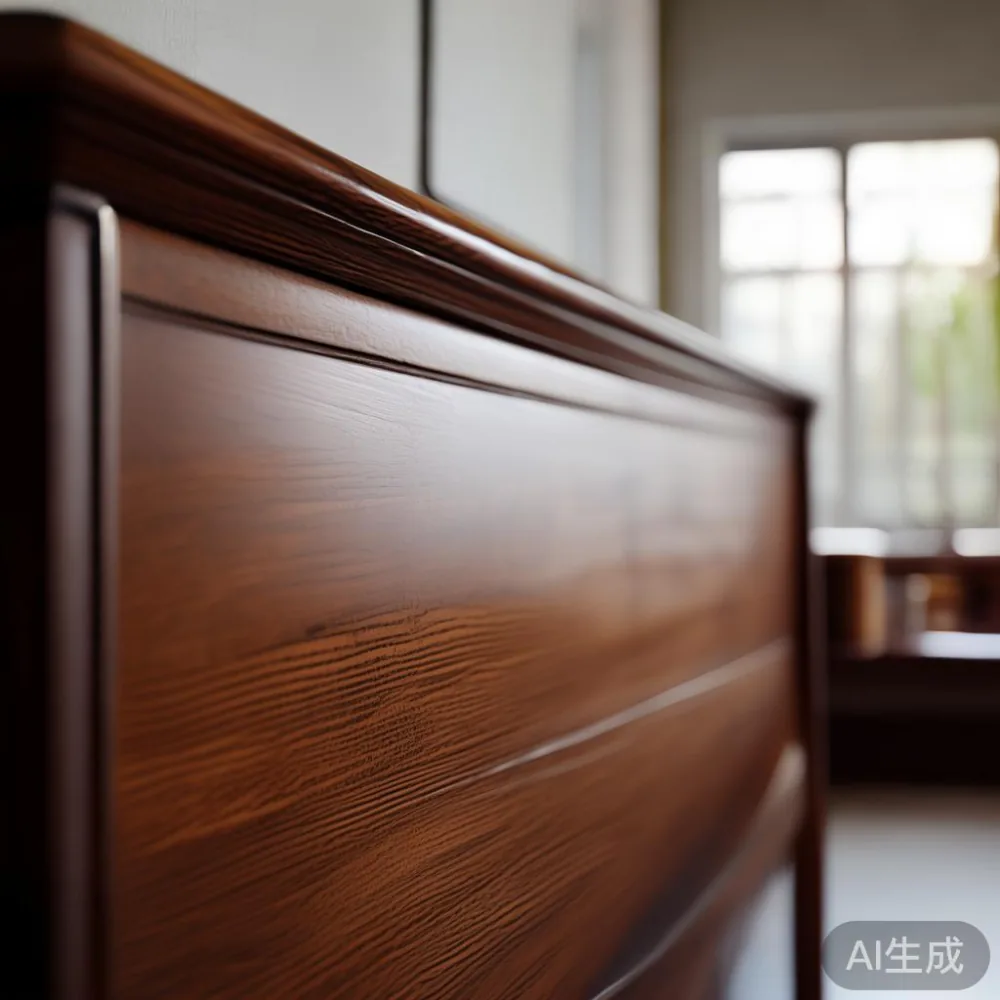
Also, the way the wood is cut affects its stability and appearance. 'Quarter-sawn' wood is cut radially from the log, creating a distinctive grain pattern that is highly resistant to warping. This method yields less usable wood from a log compared to 'flat-sawn' cutting, making it more expensive. A high-quality solid wood headboard will use this superior cut to ensure it remains flat and stable in Singapore's humid climate, preventing the dreaded creaks and wobbles that can plague cheaper pieces. The construction details, such as the thickness of the wood (a substantial 3 cm vs. a flimsy 1.5 cm) and the type of joinery used, are also critical. A headboard with traditional mortise and tenon joints will be far stronger and more durable than one held together with simple screws and dowels.
How Does Design and Craftsmanship Influence the Price?
Once the material is selected, the design and craftsmanship come into play, adding another layer to the price. A simple, minimalist headboard with clean lines will require less labour to produce than a highly ornate, carved headboard. The complexity of the design directly correlates with the number of man-hours involved. For example, a headboard with a hand-carved floral motif can take a master craftsman 15 to 20 hours to complete, adding hundreds of dollars to the final cost.
Light luxury styles, such as French or post-modern light luxury, often feature specific design elements that increase the price. A French-style headboard might incorporate intricate mouldings, button-tufted upholstery with high-density foam, and elegant brass accents. A post-modern light luxury headboard might feature a sculptural form, a mix of solid wood with a marble or metal inlay, and a multi-layered finish with hand-rubbed stains. These details are not just for show; they require a high level of skill to execute properly. My colleague, who visited our Foshan factory last month, noted that the artisans specialising in these complex designs undergo years of apprenticeship. Their expertise is reflected in the final product's quality and, consequently, its price.
What About the Practicalities of Ownership in Singapore?
The price of a headboard is not just about the product itself; it also includes the services and support that come with it. In Singapore, practical considerations are paramount. The width of your HDB corridor or condo lift will determine the maximum size of the headboard that can be delivered. A headboard wider than 90 cm may require special arrangements for moving into a flat in Bedok, where older lifts can be tight. Reputable sellers factor this into their service, offering advice on dimensions and even arranging for professional movers who can work through these spaces.
Other costs baked into the price include delivery and logistics. Free shipping over SGD 350 is a common offer, but the actual cost of delivery, insurance, and handling is substantial. A heavy, solid wood headboard requires specialised handling to prevent damage during transit. The 10-year structural warranty offered by established makers like MIDHILL is another factor. This warranty is not a marketing gimmick; it is a promise that the frame and construction are built to last a decade. Providing this level of assurance requires a solid quality control system and the financial backing to honour claims, which is factored into the initial price. For a Singaporean consumer, this peace of mind is invaluable, as it protects a significant purchase over a long period.
Why Does a Headboard from a Premium Brand Cost More?
When you compare a headboard from a premium brand to a generic one, the price difference often comes down to brand values, ethical practices, and the customer experience. A premium brand, like those embodying American light luxury, will often source their wood from sustainable forests. This means they pay a premium for certified timber, ensuring that their environmental impact is minimised. This ethical sourcing is not cheap, but it is a commitment that resonates with many modern consumers.
Customer service is another significant differentiator. A premium brand will offer a more personalised experience. This includes detailed consultations to help you choose the perfect headboard for your space, advice on coordinating it with other pieces of furniture, and a transparent returns policy. The 14-day return period, for instance, allows you to live with the piece in your home and ensure it meets your expectations. This level of service requires a dedicated support team, which is funded by the company's revenue. You are not just buying a product; you are buying into a promise of quality, support, and a certain lifestyle aesthetic. This complete approach to customer care is a key part of what you are paying for when you choose a higher-priced, reputable brand.
Is a More Expensive Headboard a Better Investment for Your Singapore Home?
Ultimately, the decision to purchase a more expensive solid wood headboard comes down to your personal priorities and how you view furniture. For some, a headboard is a temporary aesthetic choice. For others, it is a long-term investment in their home environment. A well-made solid wood headboard is an investment. It will not need to be replaced in a few years when the style changes or the construction fails. Its timeless appeal means it can be refinished or reupholstered to suit a new look, extending its life for decades. This longevity makes it a more sustainable choice, reducing waste and the need for frequent replacements.
In the context of a Singaporean home, where space is often at a premium, investing in high-quality, durable furniture makes even more sense. A solid wood headboard that remains stable and beautiful will not become an eyesore or a structural problem. It will continue to add value to your bedroom for years to come. While the initial outlay is higher, the cost-per-year of ownership is significantly lower than that of a cheaper, less durable piece. When you consider the potential cost of repairs, replacements, and the frustration of dealing with poor-quality furniture, the upfront investment in a quality headboard becomes a very logical choice.