Lacquered Headboard Maintenance in Singapore Homes
A lacquered headboard can give a Singapore bedroom a composed, light-luxury finish, but humidity, heat, salt, and daily touching place a different kind of load on the surface than dry indoor air. For residents of HDB flats and condos in Tampines, Bedok, and Punggol, the practical issue is not merely keeping a headboard clean. It is preventing a lacquered finish from looking dull, hazy, sticky, or patchy while the bed frame is pressed close to a wall or fitted into a narrow bedroom.
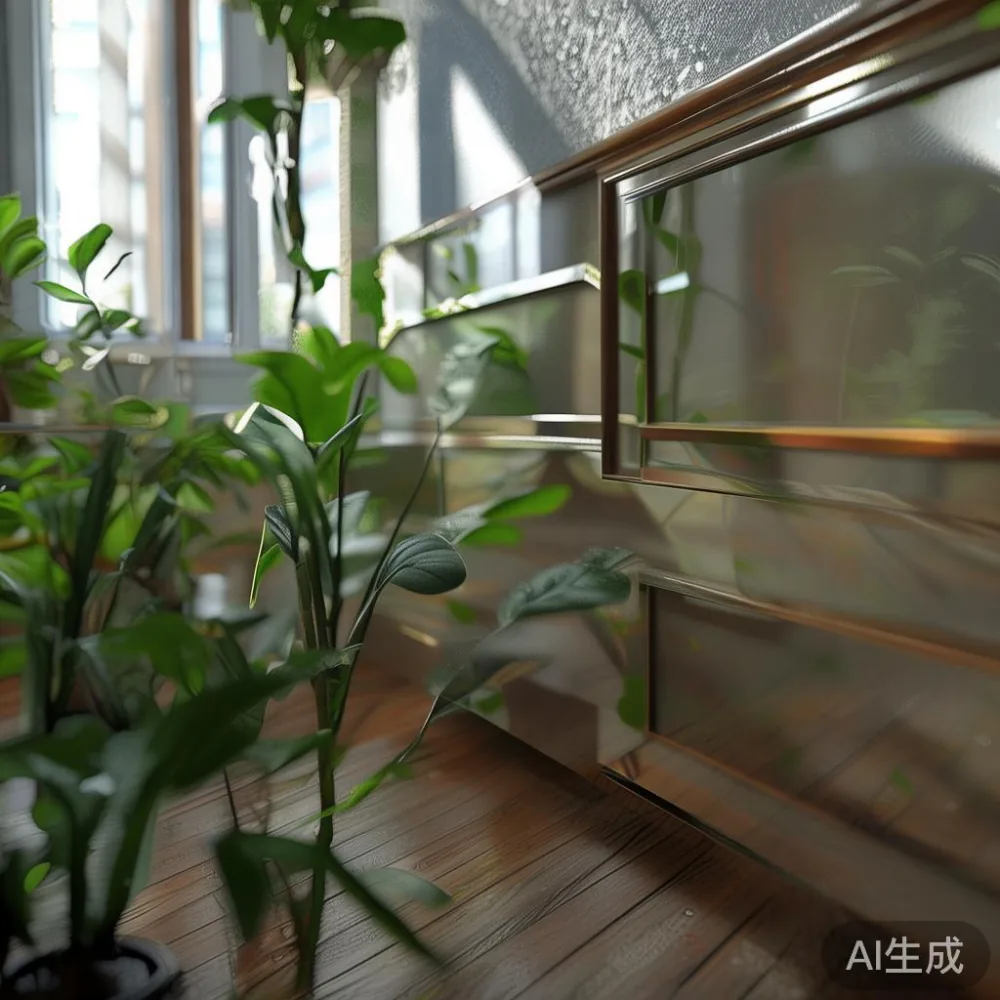
MIDHILL makes lacquered headboards on solid wood bed frames, with a 10-year structural warranty and lifetime refinishing support. The lacquer should still be treated as a protected surface rather than as an indestructible coating. With a measured routine, using cloths, mild products, and sensible timing, a headboard can remain attractive for years without constant specialist intervention.
Why Singapore humidity affects lacquered headboards
Singapore’s climate commonly moves between 26°C and 33°C, with relative humidity often around 60% to 85%. Lacquer cures and performs more consistently within a stable indoor environment. A headboard near an unglazed window, air-conditioning vent, or bathroom doorway may repeatedly absorb moisture and release it.
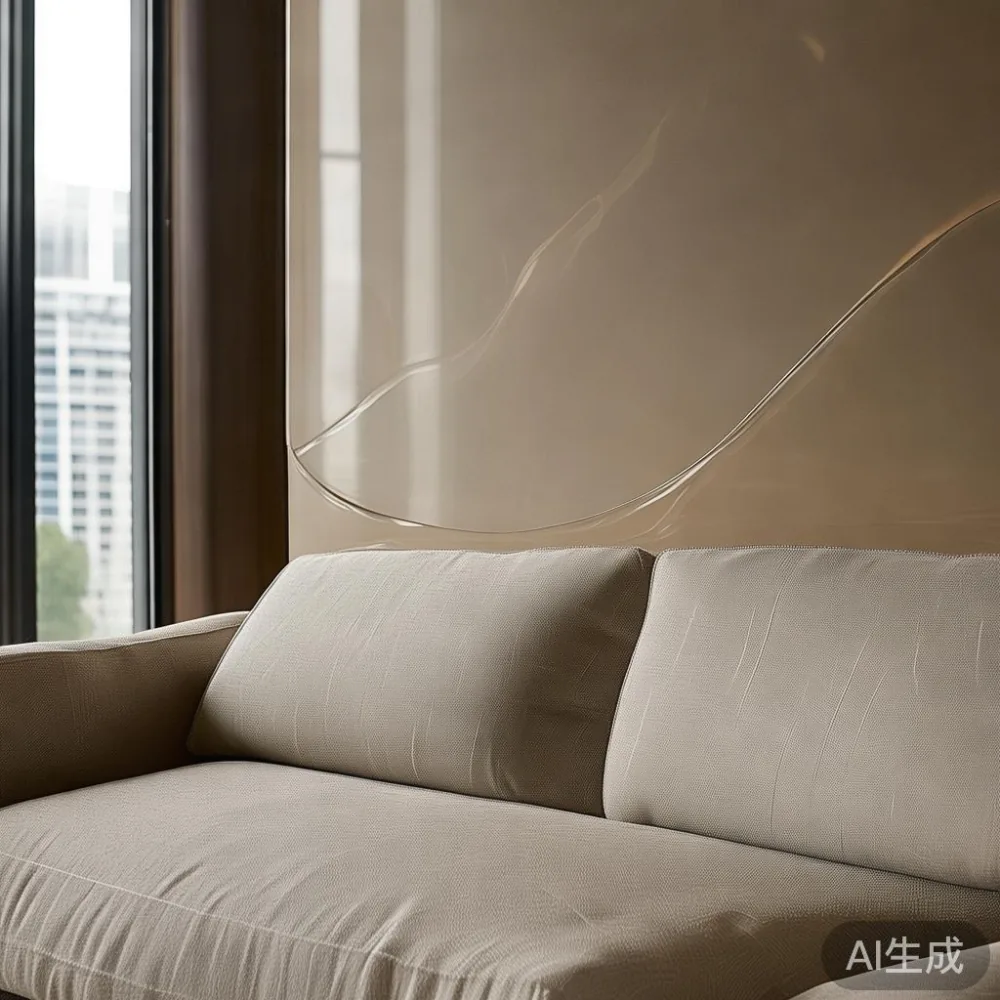
Wood movement is another factor. A 180 cm-wide solid wood bed frame may expand and contract by several millimetres as its environment changes. Lacquer remains visually clear only when the coating is sound, the preparation is correct, and the timber is not being stressed by trapped moisture.
For a condo bedroom, position the bed so the headboard has at least 5 cm of ventilation behind it where the layout permits. In an HDB flat, avoid pressing the headboard directly against a cold external wall. If the wall is cool, leave a 3 cm gap and manage condensation with the room’s air conditioner rather than a damp cloth against the timber.
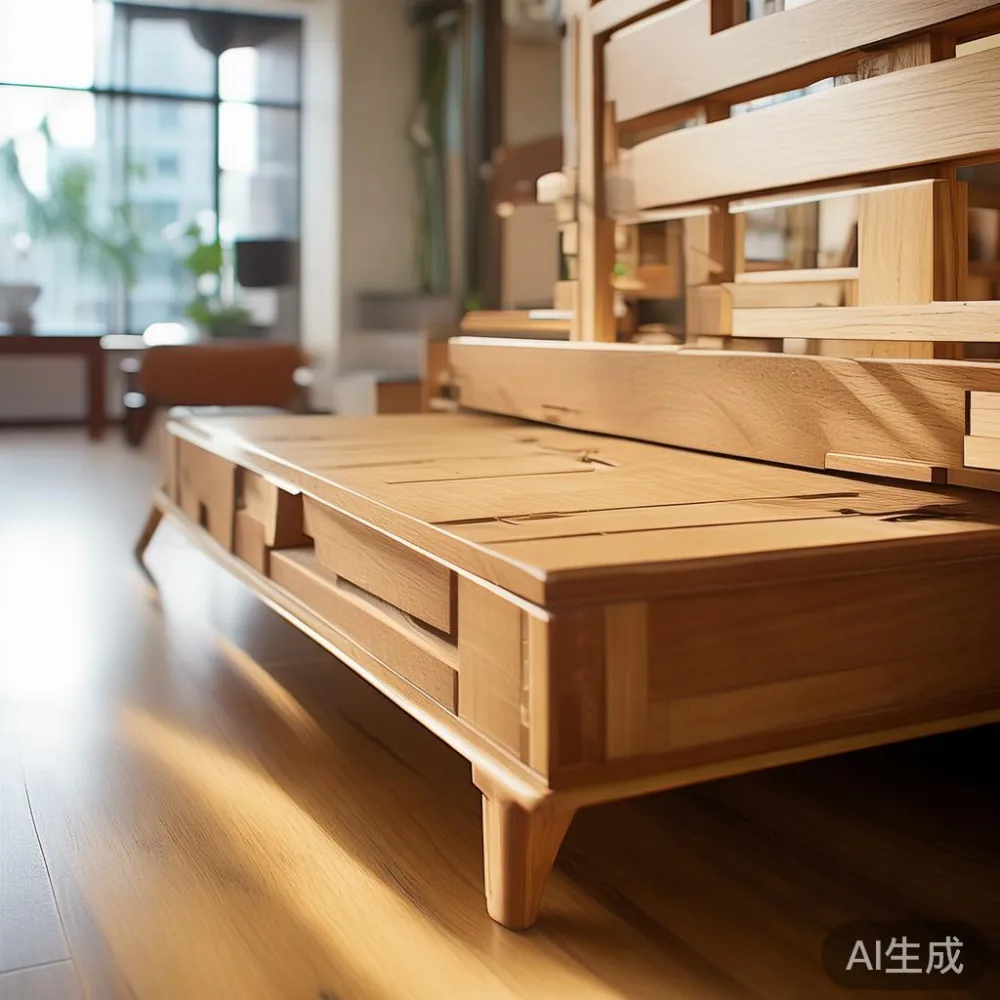
Do not install a lacquered headboard immediately after a major wet works project. In a freshly painted Singapore bedroom, wait at least 7 days before delivery and up to 21 days if paint, primer, or moisture sealers are still drying. This gives the room time to settle and reduces the chance that a beautiful surface will be exposed to solvent-rich odours or trapped humidity.
How often should I clean a lacquered headboard?
A light dusting every 7 to 10 days is usually enough. Use a clean, dry microfibre cloth folded once, then wipe in the direction of the grain or along the coated panel. Avoid circular rubbing, because it can create faint polishing marks that become visible under bedroom lighting.
For marks, use a soft cotton cloth barely dampened with water. The cloth should leave no water trail. Test an area of roughly 10 cm by 10 cm near a lower corner first, then wait 24 hours to check for haze or softening. Wipe again with a separate dry cloth.
Never use household glass cleaner, bleach, vinegar, ammonia, alcohol, nail-polish remover, or baking soda. These products may strip the lacquer or leave a residue. A pH-neutral detergent designed for lacquered wood can be diluted in a bowl with 1 litre of water and no more than 3 ml of detergent, but the headboard should never be sprayed directly.
Frequency changes with use. A headboard behind a frequently used bed should be checked every 2 weeks, while a guest room may need only a monthly inspection. Look at the finish in daylight and again under a warm lamp. Cloudiness, tackiness, edge lifting, or a dull patch deserves attention before full cleaning begins.
What should I do about fingerprints, scuffs, and small scratches?
Fingerprints on smooth lacquer often come from skin oils and hand moisturiser. A dry microfibre cloth can lift fresh prints. If a mark remains, apply a single drop of mild dishwashing liquid to a cotton cloth, not to the headboard, and wipe lightly along the panel. Keep moisture away from joints and any exposed timber.
Small scuffs should not be treated with abrasive powder. A soft, lint-free cloth can reduce the appearance of superficial marks, but deep scratches may need a refinishing assessment. Photograph the area under indirect light, measure the damaged section in centimetres, and record when it appeared. Clear records help MIDHILL’s lifetime refinishing service assess the finish accurately.
For a bedroom with two occupants, a protective headboard panel can reduce direct contact. Choose a washable cover in a breathable material and keep it 2 cm clear of the lacquer where possible. Do not tape fabric, foam, or adhesive pads directly onto the finish. Tape can age unevenly and leave a mark that is harder to repair than the original scuff.
Transport details matter too. When moving a lacquered headboard, carry it upright rather than dragging it across a floor. Use 2 people for a panel wider than 100 cm, protect the corners with 4 cm-thick foam, and secure the piece with straps that do not press tightly against the coating. A narrow HDB corridor or lift landing is not the place to attempt a solo turn with an unprotected panel.
Can humidity or a water leak be repaired?
Water should be addressed before the lacquer is touched. Isolate the leak, switch off the affected electrical point if necessary, and remove bedding from the headboard. If the surface is merely wet, blot with dry paper towels and air the panel at room temperature. Do not aim a hair dryer at the wood; the concentrated heat can cause lacquer to bubble or wood to split.
For a serious leak, professional assessment is sensible within 24 hours. A 60 cm by 60 cm soaked section can take days to dry beneath the lacquer, even when the room feels dry. Open curtains, run the air conditioner at 24°C to 26°C, and use a fan to move air across the area. Keep the bed frame and headboard separated by at least 10 cm if water has entered the joint.
Watch for a musty smell, white bloom, peeling edges, or black spotting around fixing points. These signs suggest that moisture has reached the substrate or a joint rather than sitting on the surface. Repeated wiping can worsen the problem by driving moisture into a seam.
How can I style a light luxury bed in bedroom without damaging the headboard?
Learning how to style light luxury bed in bedroom layouts is especially useful in a Tampines or Bedok HDB flat, where the bedroom may be only 2.7 m by 3 m or 3 m by 3.3 m. A low-profile solid wood bed frame with a padded or lacquered headboard can create calm French light luxury styling without crowding the room.
Keep the composition restrained: 2 muted cushions, 1 textured throw, and 1 bedside surface are enough. A round marble table with a 45 cm diameter can provide a post-modern light luxury note, provided there is at least 55 cm of clear space beside the bed. For a smaller room, use a nightstand measuring 35 cm wide by 40 cm deep, and keep its rear edge 3 cm away from the headboard where access permits.
American light luxury often relies on warm timber, pale upholstery, and uncluttered spacing. That approach works with a lacquered headboard if the palette stays close: warm white, sand, light oak, or soft taupe. A Mid-century modern coffee table would normally belong in a living room, so use its visual cues carefully rather than placing one beside the bed. Simple timber legs and rounded forms can be echoed through a compact nightstand without turning the sleeping area into a lounge.
For material planning, it can help to compare the solid wood sofa, dining table, wardrobe, nightstand, and marble table finishes used elsewhere in the home, but the headboard remains the focal point. The surrounding furniture should not press against it. A wardrobe door needs about 60 cm of opening clearance, and a dining table should stay outside the dampest bathroom zone.
Which coatings and bedroom products should I keep away from the headboard?
Keep aerosol hairspray, perfume, body lotion, mosquito repellent, and cleaning aerosols at least 30 cm from the lacquered surface. Use the products away from the bed, then allow the bedding to air before making the bed. This habit matters more in humid weather because warmer air can carry fine droplets and oily residues toward the headboard.
Textiles can also transfer dye. Dark cotton pillows may leave a sharp blue or black outline on a pale lacquer when the surface is warm and slightly tacky. Use pale pillowcases with a protective inner cover for the first 6 months, particularly if the headboard is near an open window.
When considering how to style Japanese wardrobe in room layouts, keep wardrobe solvents, adhesives, and reed diffusers away from the lacquer. Reed diffusers should sit on the opposite side of a nightstand from the headboard, with a 40 cm separation. A Japanese-inspired bedroom can still use solid wood and a lacquered headboard, but it should remain clean and breathable rather than crowded with fragrance.
The wider 2026 Italian light luxury furniture conversation often includes marble, walnut, cream upholstery, and precise metal details. Those references can guide colour selection, but tropical care needs a practical layer: ventilation, controlled humidity, and products that will not haze a lacquer finish.
What ventilation and air-conditioning settings work in a tropical bedroom?
Target indoor relative humidity between 50% and 65% when the building’s system allows it. Singapore homes can reach more than 80% during wet periods, so a small hygrometer placed near the headboard, but not directly against it, provides useful readings. Check it every morning and evening for 7 days before deciding whether additional measures are needed.
Run the air conditioner for 30 to 60 minutes before sleeping, with the room set to 25°C or 26°C. Close windows and curtains when outdoor humidity is high. In the morning, open them for 15 to 30 minutes only when the outdoor air is drier, and remove bedding from the headboard area so moisture does not linger.
Dehumidifiers can help in a persistently damp bedroom. Place one at least 1 m away from the wall and the lacquered headboard, and empty the tank every 2 to 3 days. Do not direct the outlet at the wood. A unit collecting 10 litres of water each day may lower local humidity, but airflow and leak repair remain more important than chasing a moisture reading with appliances.
A lift with an internal depth below 140 cm or a corridor turn below 120 cm may require the headboard to be delivered in sections. Measure the lift door, cabin depth, bedroom door, corridor turns, and stair landing before ordering. A 170 cm-wide panel can be difficult to rotate even when its thickness is only 8 cm.
How should delivery, installation, and ongoing care be planned?
Choose a delivery window with at least 3 clear days before a weekend or renovation deadline. For Singapore addresses, confirm whether the quoted delivery is curbside or room-of-choice, and whether lift or corridor access is included. GST should be shown separately on the final order so the total in SGD can be reviewed without confusion.
Inspect the lacquer before the installer removes protective packaging. Check for chips, scratches, trapped moisture, and uneven sheen under the installer’s light. Photograph the headboard before it is moved into position, then after the bed frame is assembled. Keep the protective film on for at least 7 days after installation if it was supplied.
A useful care record should include the purchase date, finish type, cleaning dates, and any damage photographs. Review the surface every 3 months and after heavy rain. This regular attention is more effective than waiting 12 months for a mark to become obvious.
MIDHILL’s 10-year structural warranty addresses the underlying bed frame and headboard construction, while lifetime refinishing offers a route for restoring the finish when wear eventually requires it. Warranty and refinishing terms should be checked for the individual product and finish, especially where a customer intends to use a replacement panel in a high-humidity room.
What if the lacquer feels sticky or loses its shine?
A tacky headboard should not be polished. Stop using oil, wax, silicone, and spray cleaners, because these can conceal the original problem while making the coating harder to assess. Reduce humidity, improve airflow, and check whether an exterior wall is leaking or whether new furniture is trapping moisture against the panel.
For a sticky area of less than 20 cm by 20 cm, place a dry, clean cotton cloth over the area for 10 minutes and lift it vertically. Do not scrub. If the cloth picks up residue, continue investigating the source rather than applying another product.
Persistent dullness, soft patches, lifting edges, or a strong solvent smell may indicate a finish defect or an installation issue. Collect photographs in daylight, note the room’s humidity reading, and arrange an assessment through MIDHILL. If the lacquer has blistered, separate it from the timber only through a trained refinisher; household heat guns and solvents can make the damage permanent.
A lacquered headboard suits Singapore interiors when care is planned as part of the bedroom routine. Dust every 7 to 10 days, clean sparingly, keep at least 5 cm of ventilation where possible, avoid direct chemical exposure, and record any mark within 24 hours. Those small habits protect the clarity of the finish while allowing the headboard to remain a calm centrepiece for a solid wood bed frame in a compact HDB flat or a spacious condo.