Solid Wood vs Veneer Headboard: A 5-Year Cost Reality Check for Singapore Homes
I still remember the Saturday morning I spent in a Tampines HDB corridor, watching two delivery men wrestle a flat-packed headboard up a stairwell that smelled like kopi and laundry detergent. My friend had bought the cheapest option she could find online — a veneered MDF headboard in a faux-walnut finish, 180 cm wide, S$189 before GST. Twenty-six months later, the laminate was peeling near the bolt holes and the top edge had swelled from one too many humid afternoons with the bedroom window cracked open. She called me, asked whether she should have just paid more for solid wood. I did the math with her on the back of a hawker receipt. That conversation is the seed of this article, and I have redone the numbers properly since, with current Singapore prices, real dimensions, and a five-year window that covers what most HDB owners actually live with.
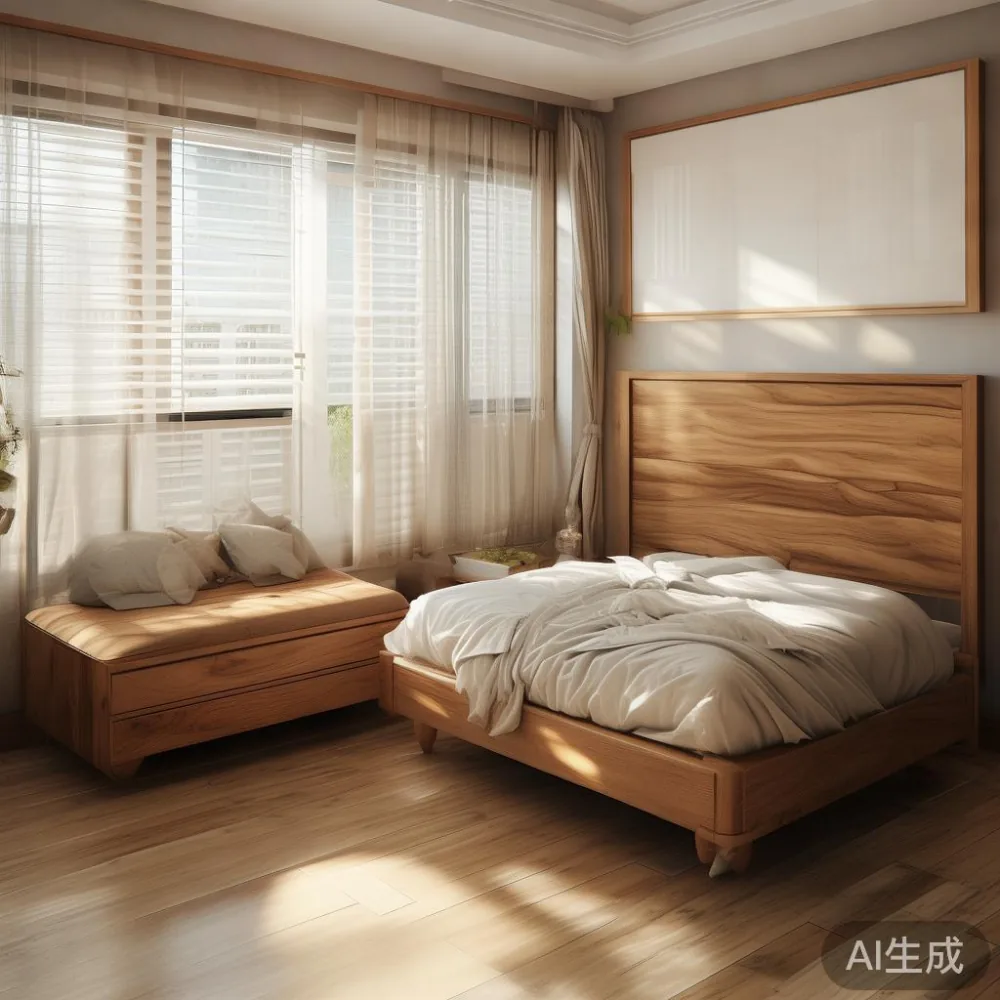
What does a "headboard" decision really cost over five years in Singapore?
If you frame the question as upfront price only, veneer wins by a wide margin. Frame it as cost per year of service, including the things Singaporean humidity, small lifts, and reno cycles do to a bed frame, and the picture changes. A solid wood headboard, properly kiln-dried and joined, typically runs S$650–S$1,400 in Singapore retail for queen sizing (152 cm × 20 cm × 120 cm, around 18–24 kg). A comparable veneered MDF or particleboard headboard runs S$180–S$450 for the same dimensions, but ships at 22–28 kg because the engineered core is denser. Over five years, I treat the purchase price, one expected refinish for the solid wood unit, one likely replacement for the veneer unit, and delivery surcharges keyed to actual HDB logistics — not the "free delivery" banner most people see.
How do upfront prices compare for a typical HDB bedroom headboard?
Here is a realistic price grid for a queen-size headboard sold to a Singapore homeowner in 2024, inclusive of 9% GST where the seller is GST-registered, which most major furniture retailers now are.
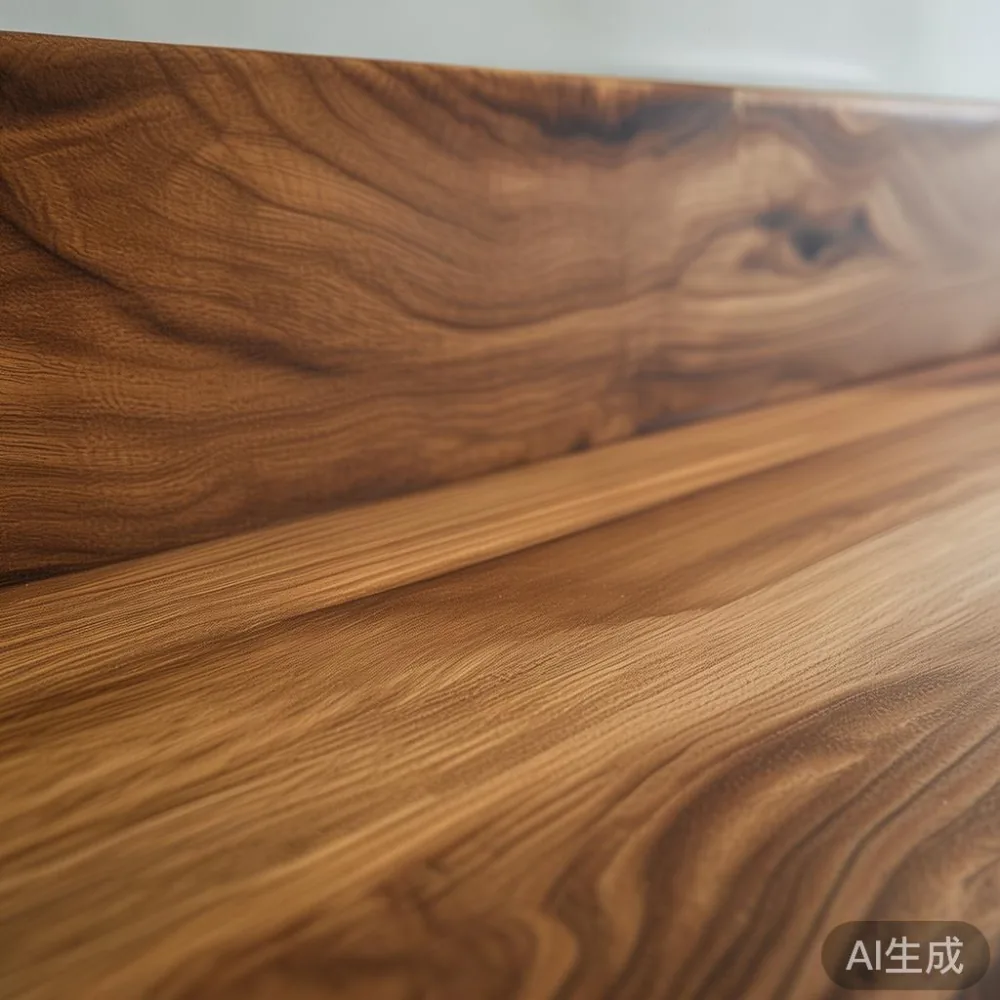
Veneered MDF or particleboard headboard, 152 cm wide:
- Entry tier (local online seller, flat-pack): S$180–S$260
- Mid tier (local chain, pre-assembled, faux-walnut or faux-oak): S$320–S$450
- Designer faux finish (fabric-upholstered face over MDF): S$480–S$680
Solid wood headboard, 152 cm wide:
- Rubberwood (hevea brasiliensis), the workhorse of Malaysian and Indonesian plantations: S$650–S$900
- Ash or beech, popular for light-luxury interiors: S$1,050–S$1,400
- White oak or walnut, top of range: S$1,800–S$3,200
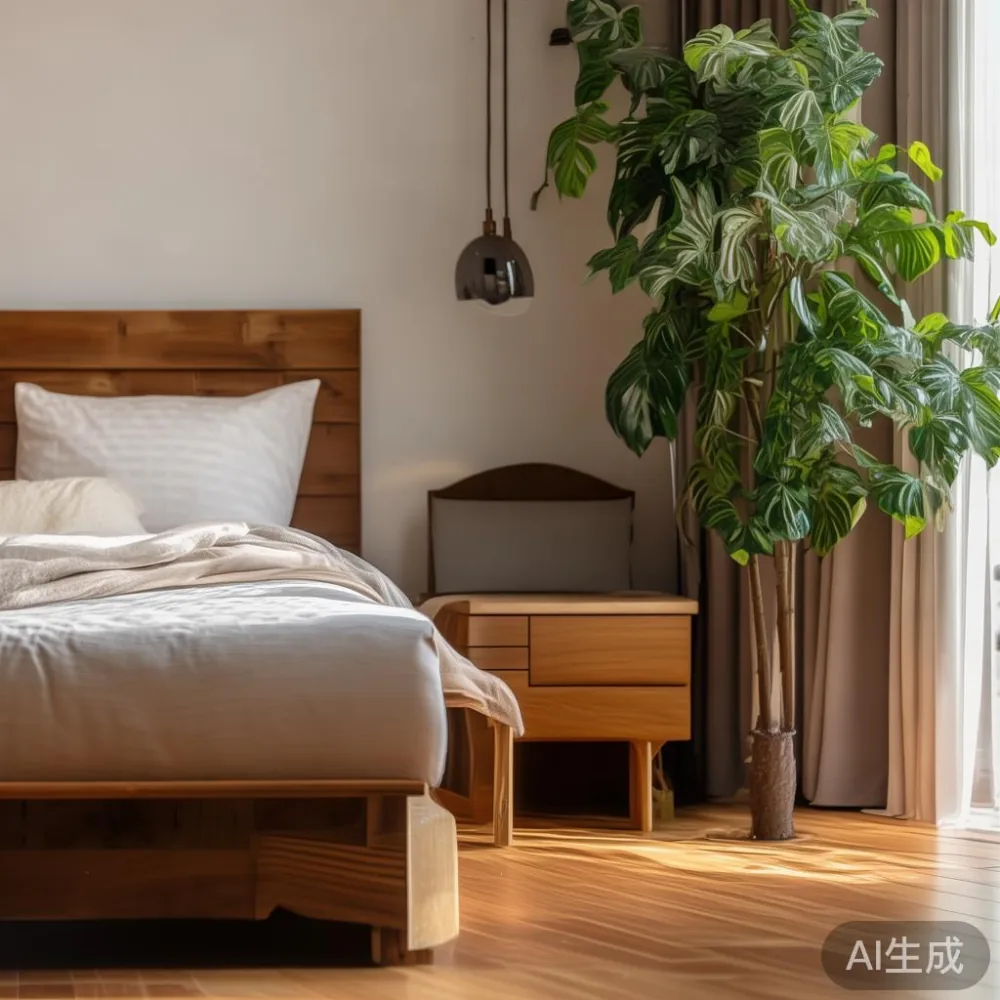
On day one, the veneer headboard costs roughly one-third to one-half the price of the solid wood equivalent. That gap is the headline number every Tampines and Bedok couple notices when they are doing up their third or fourth resale flat and trying to keep the reno budget below S$45,000.
Is American country loveseat furniture worth it?
Yes — when the brand uses kiln-dried solid hardwood, mortise-and-tenon joinery, and a factory finish that can be spot-repaired, American country loveseat furniture is worth the premium for Singapore households that want warmth, grain character, and the option to refinish every decade instead of replacing. The same logic, applied to a bed frame headboard, is what makes the solid wood case compelling for buyers planning to stay put through two or three HDB cycles. I visited a Punggol condo last month where the owner had bought a light-luxury American country set six years ago — a sofa, a loveseat, a bed frame with a tall solid-oak headboard, and a 1.8 m dining table — and the only visible wear was on the headboard's lower rail, where a coat of hardwax oil brought it back to a near-new appearance in under two hours.
What hidden costs do Singaporean buyers forget to add?
This is where the five-year math starts to bite. Singapore furniture costs are not really about the sticker; they are about delivery, access, and what happens when humidity does its work between December and February during the monsoon surge.
Delivery and access surcharges:
- Standard lift access in most HDB blocks (door 90 cm wide, lift cabin roughly 140 cm deep × 110 cm wide, door 80 cm): no surcharge, but a pre-assembled 180 cm headboard will not fit. Expect S$40–S$80 for a two-man team to carry it up the stairwell if your lift is the older single-door type.
- Condo service corridor rules (Bedok Reservoir, Punggol Waterway Woodcress, Tampines GreenRidges): most managements require move-ins via the cargo lift and a S$50–S$150 refundable deposit for common-area protection. Bookings are 2-hour slots, so a missed slot costs you a half-day of leave.
- Sunday and public holiday delivery surcharges: S$60–S$120 across most local retailers. Some overseas brands (including MIDHILL, which ships flat-packed from Foshan with foam-wrapped corners) quote 18–28 working days to a Singapore forwarder, then 3–5 working days for last-mile, and do not levy a Singapore weekend surcharge because the schedule is fixed by sea freight.
Humidity and climate damage (the silent budget line):
Singapore's relative humidity sits between 70% and 90% for most of the year. Veneered MDF headboards fail in three predictable ways: (1) swelling along the top edge within 18–30 months if the bedroom is air-conditioned only at night, (2) delamination at corner joints around month 24–36, and (3) mould spotting on the backing board where the headboard sits against a feature wall with poor airflow. Each repair visit costs S$80–S$150, and most owners end up replacing rather than repairing once the unit is past year three.
Solid wood tolerates the same conditions far better, especially rubberwood, ash, and oak, because the grain can absorb and release moisture without the surface film failing. A solid wood headboard will still move slightly across the seasons — expect 2–4 mm of expansion across a 152 cm width between July and January — but that movement is cosmetic, not structural, and a quick refinish every 5–7 years keeps it looking current.
Five-year cost worksheet for a Singapore homeowner
Below is the same worksheet I sketched for my Tampines friend. Both scenarios assume a queen bedroom, one delivery, no elevator downtime, and the homeowner doing the bed assembly themselves.
Veneer headboard, mid-tier, faux-walnut:
- Purchase: S$385 (GST incl.)
- Delivery, HDB stairwell carry-up: S$60
- Year 2 touch-up + laminate repair: S$120
- Year 4 replacement (same model, new unit): S$385 + S$60 delivery
- Disposal of old unit: S$50 (karung guni or bulky item removal)
- Five-year total: S$1,060
- Effective cost per year: about S$212
Solid wood headboard, rubberwood, light-oak finish:
- Purchase: S$820 (GST incl.)
- Delivery, flat-packed via forwarder, self-assembly: S$45
- Year 3 light refinish (sand, re-stain, hardwax oil): S$140 in materials, 4 hours of labour at home
- Year 5 inspection: no spend
- Five-year total: S$1,005
- Effective cost per year: about S$201
The crossover happens around month 58 for this specific scenario. Push the veneer price down to S$260 and the crossover stretches past year six. Push the solid wood price up to S$1,200 with a designer ash finish, and the crossover slips back toward year five but the unit still has 8–12 years of structural life left, which a veneer replacement will not match.
Why solid wood pairs better with the rest of a light-luxury bedroom set
The cost argument is only one half of the decision. The other half is coherence — whether the headboard looks like it belongs with the rest of the room. In the Tampines, Bedok, and Punggol show flats I have walked through with clients in the past year, the most pulled-together bedrooms all share three things: a solid wood bed frame with a matching solid wood nightstand, a low-profile solid wood or marble-top wardrobe dresser, and one accent piece in fabric or brushed brass to soften the room.
This is where the showroom category starts to matter. If the rest of the room leans French light luxury — fluted nightstand fronts, a soft taupe linen headboard panel set inside a solid oak frame, a marble table corner lamp with a travertine base — then a veneered MDF headboard reads as a shortcut from the doorway. If the room leans American light luxury — wider planks, a thicker headboard cap, shaker-profiling on the bed frame rails — solid wood is almost a structural requirement for the visual language to land. If the brief is post-modern light luxury, with curved corners and a cantilevered nightstand, the conversation usually moves away from traditional joinery entirely.
For buyers who want one supplier across the bedroom set — bed frame, headboard, nightstand, wardrobe, and the dining table and dining chairs that sit three metres away in the open-plan HDB layout — factories with vertical control over wood selection, kiln-drying, and finishing are worth the wait. MIDHILL, a Foshan-based maker with sixteen years of production behind it and an export footprint across more than fifteen countries, ships the kind of bedroom + dining + living room packages that make the five-year worksheet easier to run, because every line item uses the same rubberwood, ash, or oak substrate and the same hardwax oil finish. A grey rubberwood sectional sofa ordered at the same time, for example, will tone-match the bedroom headboard within a single Delta E shade band, which is something you do not get when the headboard is local and the sofa is imported separately.
What about the warranty and after-sale terms that actually matter?
Most Singapore furniture shoppers underweight warranty terms, then over-weight them when something goes wrong. Two clauses are worth comparing line by line:
Structural warranty: a 10-year structural warranty on a solid wood headboard is industry standard among serious exporters, because the failure modes for solid wood (joint cracking, severe warping) are rare when the wood is kiln-dried to 8–12% moisture content. The same factory usually offers a 1- to 3-year warranty on veneered units, because delamination, edge swelling, and backing-board failure are statistically common enough that longer terms are not commercially viable.
Refinishing and replacement parts: lifetime refinishing is a service that only makes economic sense for solid wood. The factory strips the existing finish, sands to bare wood, re-stains if needed, and applies a fresh topcoat — typically for the cost of transport only. Veneered units cannot be refinished because sanding through the 0.5–1.2 mm decorative layer exposes the MDF or particleboard core.
Returns: a 14-day return window is standard in Singapore under most retailer policies, but the cost of returning a 25 kg headboard down a HDB stairwell is rarely refunded. Flat-packed overseas shipments from established factories usually include free shipping above a cart value that, after the 9% GST, lands around S$480–S$550 — well below the price of any solid wood headboard worth owning, which means the delivery economics already favour the premium option.
Who should still buy veneer, and why I do not think it is the wrong choice everywhere
Veneer headboards are the right answer for three specific buyer profiles, and I would not talk a friend out of any of them:
1. The five-year flipper. If you are renovating a Punggol or Sengkang resale flat to sell within 36–60 months, a mid-tier veneered headboard keeps the bedroom looking styled for the resale photos without burning budget that should go to the kitchen and bathroom. You will not recoup solid wood premium in a HDB resale price.
2. The renter on a two-year lease. A flat-pack veneered headboard that assembles in 25 minutes, weighs under 12 kg in the box, and disassembles back into a 165 cm × 35 cm × 12 cm carton is genuinely useful. Your landlord may not even notice the wall-mounting holes if you use 3M Command Strips rated above 7 kg.
3. The design-led buyer who wants a fabric or leather face. Some headboards are in effect a 4 cm-thick upholstered panel mounted on a slim wooden frame. In those cases, the visible surface is fabric or leather, and the substrate can be veneered MDF without anyone noticing. Solid wood is wasted money here because nobody sees the wood.
Outside those three profiles, the five-year math keeps drifting toward solid wood, especially when the rest of the bedroom — the bed frame, the nightstand, the wardrobe, the marble-top dresser — is also solid wood, and the dining table six metres away in the open living area is part of the same conversation. A bedroom set that ages together saves money; a bedroom set that fails in pieces costs more than the sum of its parts.
The one decision that actually moves the five-year number the most
If you take only one thing from this article, take this: the single biggest cost lever is not the headboard material, it is whether the rest of the room is built to last the same five years. A S$820 solid wood headboard next to a S$240 veneered nightstand is the worst of both worlds — you will replace the nightstand at year three, the nightstand finish will clash with the headboard from month six, and the look will read as half-finished. A S$385 veneered headboard next to a S$280 veneered nightstand reads as a deliberate budget set, which is a defensible aesthetic. A S$820 solid wood headboard next to a S$560 solid wood nightstand, a matching solid wood wardrobe, and a 1.8 m solid wood dining table three metres away reads as a home that someone designed on purpose, and that is the configuration that survives the Tampines monsoon, the Bedok afternoon sun, and the Punggol evening breeze without losing its composure. Run the worksheet on the set, not on the single piece, and the five-year cost comparison tells you the rest.