Choosing the Right Headboard and Furniture Size for a Singapore HDB Living Room
Living in a Singapore HDB flat is a study in clever proportions. The 4-room BTO in Punggol with its 92 sqm layout, the older walk-up in Bedok where the cargo lift measures roughly 1.6 m deep by 1.8 m wide, the executive maisonette in Tampines with a generous 4.2 m long living-dining run — each home asks the same quiet question: what size of furniture actually fits, both physically and visually? After spending the last decade fitting solid wood pieces into flats across the island, I have watched the same scene repeat itself. A couple picks a sofa that measures 2.8 m wide for a living room that only allows 2.1 m of clear wall after the air-con ledge, or chooses a headboard that towers over the ceiling fan. A little pre-measurement would have saved the refund, the weekend, and the quarrel. This guide collects the measurements, corridor rules, and design instincts that actually work in Singapore, with prices in SGD and one honest war story from a Tampine delivery I supervised last month.
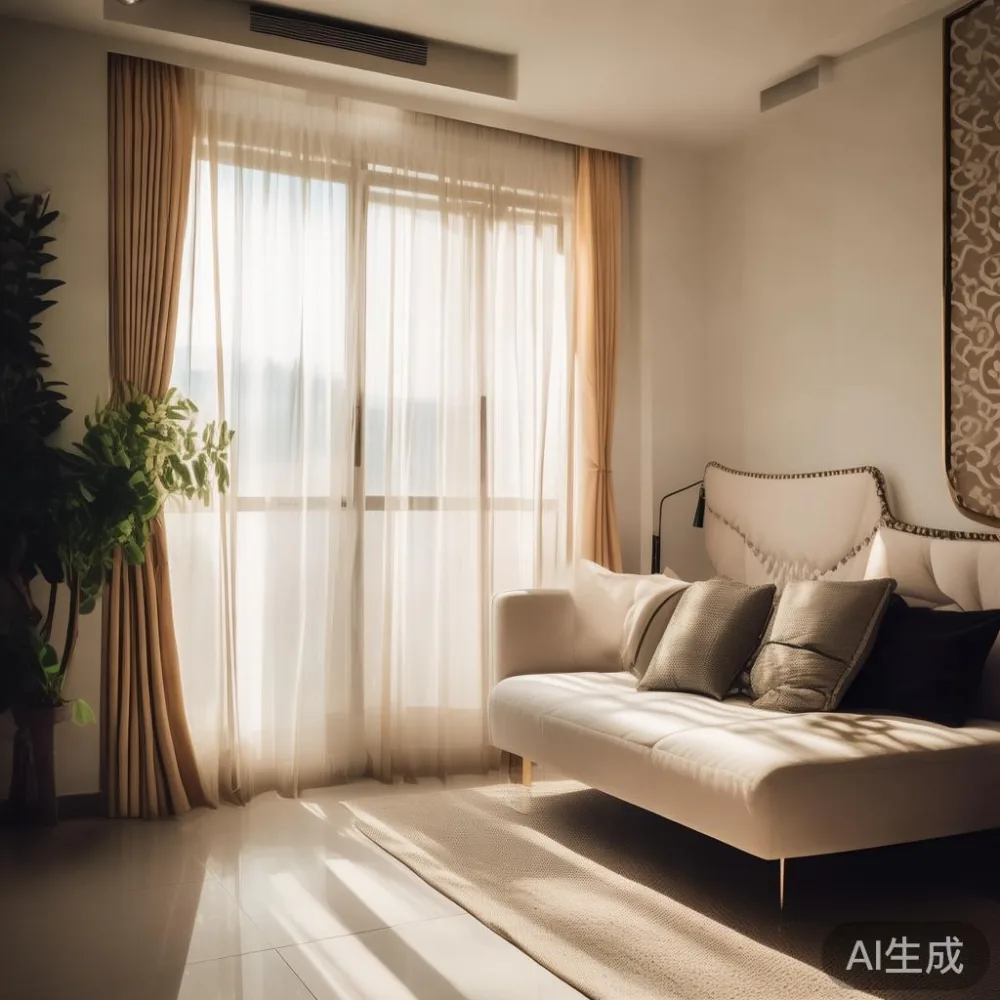
What is the difference between French king bed and modern furniture?
The difference between a French king bed and modern furniture is simple: a French king bed follows a traditional European sizing system where the mattress measures 150 cm wide by 200 cm long, while modern furniture refers to pieces built around current metric standards, often 180 cm by 200 cm for a king and 152 cm by 188 cm for a queen. In a Singapore HDB master bedroom, that 30 cm width gap decides whether the nightstand fits on the right side of the bed or blocks the wardrobe door. French light luxury styling — slim brass legs, curved headboard tops, restrained carving — pairs naturally with either mattress footprint, but the frame itself should match the mattress you actually intend to use, not the visual you saw on Pinterest.
If your HDB room is the typical 3.2 m by 3.0 m master bedroom, draw the bed footprint on the floor with masking tape before ordering. Leave at least 70 cm on each long side for a person to dress, and 90 cm at the foot to pull out a luggage trolley. A queen at 152 cm by 188 cm leaves about 80 cm of walkway on each side, which is comfortable. A king at 180 cm by 200 cm leaves only 70 cm, which is workable but tight when the wardrobe protrudes 60 cm from the opposite wall. A super-king (200 cm by 200 cm) almost never fits an HDB master without sacrificing the dressing area; reserve it only for a condo or a Punggol EC unit with a 3.6 m wide bedroom wall.
Measure the Flat Before You Measure the Furniture
Singapore HDB corridors and lifts set hard limits that no showroom sales assistant will warn you about. Most HDB passenger lifts measure 1.1 m wide by 1.4 m deep with a 2.1 m tall door opening; newer BTOs use 1.2 m by 1.6 m. A solid wood dining table with the leaves removed will usually squeeze in, but a pre-assembled bed frame at 1.9 m tall will not fit standing up. The practical rule: any single furniture piece taller than 1.85 m must arrive flat-packed. This is one reason MIDHILL ships its bed frames in three knock-down cartons rather than one welded unit — corridor turns in older estates like Bedok Reservoir are as tight as 2.4 m on the inside curve.
Corridor widths vary from 1.2 m in older 3-room blocks to 1.8 m in newer BTOs. Measure yours with a folding rule before ordering anything wider than 1.5 m. A solid wood sofa at 2.4 m long, for instance, will not pivot around the corner if the corridor is below 1.3 m. When in doubt, request a flat-pack option and budget an extra S$80–S$150 for assembly on site, which usually takes two technicians about 90 minutes. For residents above the 8th floor, also check the service lift schedule — many blocks restrict heavy goods to weekday mornings, which affects the delivery slot you book.
Living Room Dimensions That Actually Work in HDBs
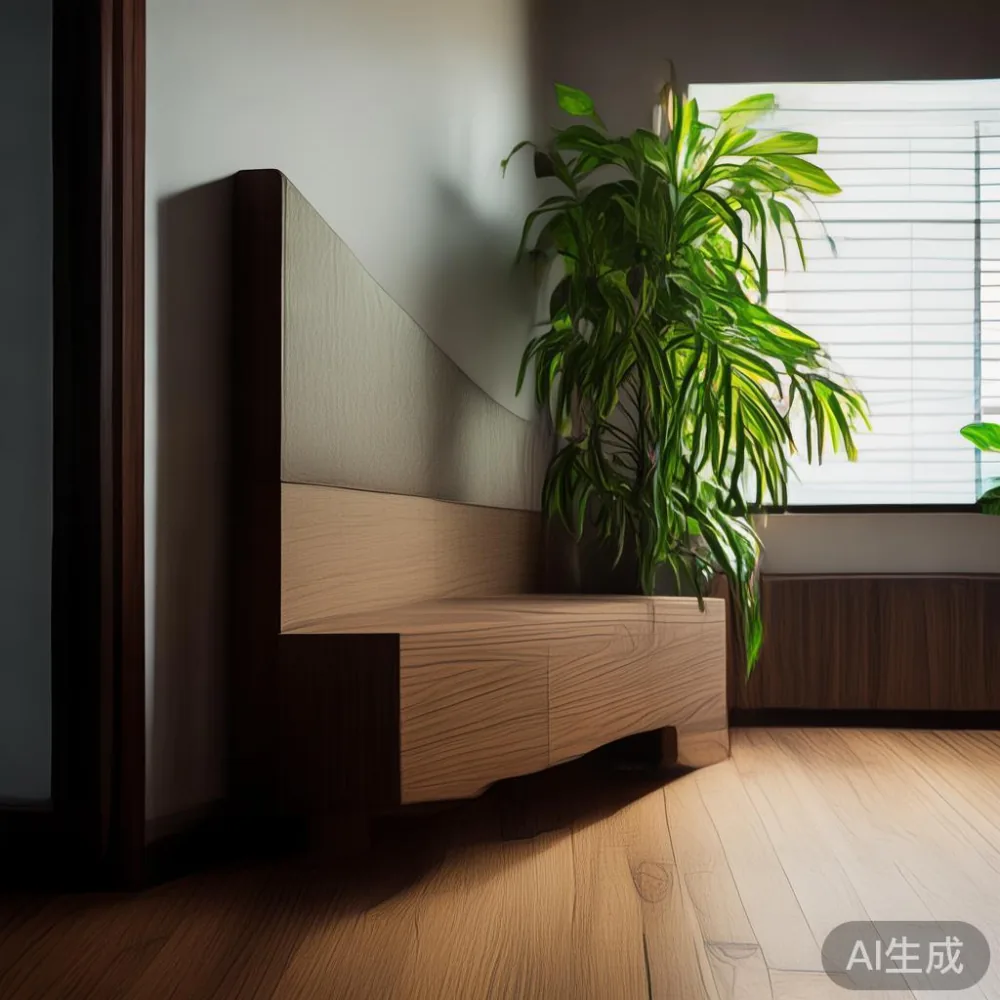
Most HDB living rooms span 3.0 m to 4.5 m in length and 2.8 m to 3.6 m in width, depending on the BTO generation. A 4-room flat in Punggol North has roughly 4.0 m by 3.0 m; an executive HDB in Tampines can stretch to 5.2 m by 3.4 m when the dining area is open. Here is a sizing matrix I use when consulting:
Sofa length: 2.0 m to 2.4 m for a standard 3-seater. A 2.6 m L-shape works only when the TV console is moved to the side wall or replaced by a slim 1.2 m marble table. Anything beyond 2.8 m visually eats the room, even if it physically fits.
Coffee table: 1.0 m by 0.55 m is the sweet spot for a 3-seater sofa. Round tables with a 0.8 m diameter allow traffic to flow around them in narrow rooms and reduce the risk of shin bruises near the playground slide your neighbour installed.
TV console: 1.6 m to 2.0 m wide, depth 38 cm to 42 cm. Anything deeper will block the power socket row that sits 15 cm above the floor along the feature wall.
Rug: 1.6 m by 2.3 m sits under the front legs of the sofa and coffee table. A 2.0 m by 2.8 m rug only fits living rooms above 3.6 m in length.
For a 3-room flat at 65 sqm, a 2.0 m sofa, a 1.6 m TV console, and a 1.0 m coffee table leave 70 cm of walking path between the sofa back and the dining chair — tight but workable. A 5-room Premium apartment in Sengkang with a 4.8 m long living room can comfortably host a 2.6 m sofa, a 1.8 m marble table, and a six-seater dining table without feeling crowded.
Headboard Sizing: The Mistake Almost Every Homebuyer Makes
The headboard is the single piece of bedroom furniture that most often arrives too tall, too wide, or too thick for the room it was bought for. A 1.8 m wide queen mattress is supposed to sit against a headboard that is at least 1.9 m wide, but the wall behind it is rarely that generous after the wardrobe projection. Always measure the clear wall — the distance between the side wall and the wardrobe front — before choosing a headboard width.
Height rules: ceiling height in HDBs runs 2.6 m to 2.8 m after the false ceiling and downlights. A headboard between 1.1 m and 1.3 m tall reads as proportionate. Anything above 1.4 m pushes into the visual zone of the air-con vent or ceiling fan. I have seen a 1.65 m tufted headboard installed in a Punggol BTO where the ceiling fan then had to be deinstalled because it clipped the fabric. Aim for 1.2 m tall for queen beds and 1.3 m tall for king beds.
Thickness rules: a 12 cm thick padded headboard feels substantial; a 20 cm one eats 20 cm of mattress-to-wall distance and makes bedside reading awkward. For small bedrooms, stick with 8 cm to 10 cm. If you want presence without bulk, choose a slim solid wood headboard with vertical fluting — a current American light luxury signature — at 6 cm depth.
Fabric and care: most upholstered headboards arrive in linen-blend or velvet. In Singapore humidity (averaging 80% RH), fabric protection is non-negotiable. For owners of white oak furniture or white oak fabric pieces, the same white oak fabric care advice applies: keep the room below 70% RH with a dehumidifier set to continuous mode, vacuum the fabric weekly with an upholstery tool, and rotate the headboard bolts every six months so the frame does not warp against a damp wall. A fabric-safe spray applied every quarter also helps with the inevitable kopi spills when breakfast happens in bed.
Dining Tables, Wardrobes, and Nightstands: Sizing Around the Open Plan
Open-plan HDB layouts force the dining table to live a few metres from the sofa. A 1.4 m by 0.8 m table seats six with chairs that are 45 cm wide; a 1.6 m by 0.9 m table seats eight but requires 1.0 m of clearance behind each chair, which most HDB dining alcoves do not offer. The workhorse size for a 4-room flat is 1.3 m by 0.75 m, comfortably seating four and accepting two extra chairs at the short ends for weekend gatherings. Solid wood dining tables at this size weigh between 35 kg and 55 kg, manageable for two delivery men but worth noting if your block forbids weekend heavy goods lifts.
Wardrobes slide doors save 50 cm of swing clearance compared to hinged doors. In a 3.0 m wide bedroom wall, a 2.4 m wide three-door slider leaves a 60 cm gap that fits a small nightstand or a reading corner. A hinged-door wardrobe of the same capacity needs 2.4 m wall plus 50 cm swing, which usually forces the headboard to a smaller size. For owners considering post-modern light luxury wardrobes with fluted glass and brass handles, ask the maker for the door swing radius on the technical sheet; the figure is usually between 55 cm and 65 cm per door.
Nightstands are where many homeowners under-buy. A 40 cm wide unit vanishes next to a king bed. A 50 cm wide nightstand with one drawer and an open shelf holds a lamp, a book, a glass of water, and a phone charger without looking cluttered. Height should sit 0 cm to 5 cm above the mattress top; a too-tall nightstand makes reading awkward.
My Tampines Delivery: A Real-World Sizing Lesson
Last month I visited a client in Tampines GreenRidges who had ordered a 2.5 m solid wood sofa and a 1.9 m wide upholstered headboard from MIDHILL. The 4-room BTO had a 1.2 m wide service lift but a tight 1.35 m internal corridor with a 90-degree turn. The sofa arrived flat-packed in three cartons, each below 1.1 m in any single dimension, and went up cleanly in two trips. The headboard, however, was a single 1.9 m by 1.2 m panel. The corridor corner would not accept it flat, so we stood it on its short edge and pivoted slowly — a manoeuvre that took 12 minutes and required one neighbour to hold the fire-exit door open. The lesson is concrete: a headboard wider than 1.7 m should be split into two panels for HDB delivery, and that option should be requested at order. MIDHILL confirmed split-panel headboards for the next Tampines delivery at no extra charge, which is the kind of practical service that explains why the brand exports to 15+ countries and offers a 10-year structural warranty plus lifetime refinishing.
Budgeting, GST, and Delivery in Singapore
A solid wood sofa sized for an HDB living room (2.0 m to 2.4 m, three-seater, white oak or ash frame, removable cushions) typically retails between S$2,400 and S$4,200 in Singapore. A queen headboard with a solid wood frame and fabric upholstery ranges from S$900 to S$1,800 depending on the filling and fabric grade. A six-seater solid wood dining table lands between S$2,200 and S$3,800. Marble tables (for living room use, not dining) in light luxury styling usually cost S$1,500 to S$2,800 for a 1.2 m by 0.6 m piece.
All prices in Singapore attract 9% GST. Many furniture retailers, including MIDHILL, quote GST-inclusive prices for residential delivery. Free shipping kicks in for orders above US$350, which at current rates equates to roughly S$470 — almost every sofa and dining table order clears the threshold. Delivery lead time from a Foshan factory to a Singapore HDB door is 25 to 40 days by sea, with express options at 14 to 18 days for an additional S$300 to S$500. The 14-day return window applies once the piece is delivered and assembled, provided it is in original packaging and shows no use marks.
How do I know if a furniture size will look right in my specific flat?
You know a furniture size will look right in your specific flat if the walkway between pieces measures at least 70 cm, the tallest piece sits 30 cm below the ceiling fan or downlight, and the largest floor piece covers no more than 35% of the room footprint. Tape the silhouette of the proposed piece onto the floor with masking tape and live with the outline for 24 hours — open doors, walk past it, vacuum around it. If any movement feels pinched, drop one size before ordering. Sizing is not about the room's square meterage; it is about the choreography of daily life inside it.
Care, Longevity, and Why Solid Wood Pays Back
Solid wood furniture in Singapore humidity lasts 15 to 25 years with basic care — twice-yearly oiling for white oak and ash, immediate drying of spills, and stable indoor temperatures between 22°C and 27°C. Veneered pieces typically show bubbling at the edges within 4 to 6 years, while solid frames hold their joints. The lifetime refinishing service offered by MIDHILL means a 12-year-old headboard can be sanded, re-stained, and reupholstered for a fraction of replacement cost, usually between S$280 and S$600 depending on size and fabric choice. For white oak fabric care specifically, rotate cushion fills every quarter and avoid placing the headboard against an external wall that sweats during monsoon season; a 10 mm foam backer board between the wall and the headboard extends fabric life by several years in our climate.
Choosing the right size for a Singapore HDB living room is less about brand chasing and more about disciplined measurement, sensible proportions, and an honest reading of how the household actually moves. Tape the floor, count the centimetres between the bed and the wardrobe, check the lift door, and pick the piece that serves the choreography — not the one that photographs best on a 6-room mansion listing.