How to Choose the Right Headboard Size for a Singapore HDB Living Room
Last month I visited a 4-room HDB flat in Punggol with a former colleague who had taken delivery of a new headboard. The box was 218 cm long, the corridor outside her unit on the 12th floor measured only 1.2 m wide, and the lift opening was 0.9 m. We spent twenty minutes pivoting the carton before it cleared the door frame. That single afternoon taught me more about sizing solid wood furniture for HDB living rooms than any spec sheet I had read in my fifteen years working with light-luxury producers in Foshan. Below is the working method I now use whenever I size a headboard, a bed frame, or any companion piece for a Singapore home.
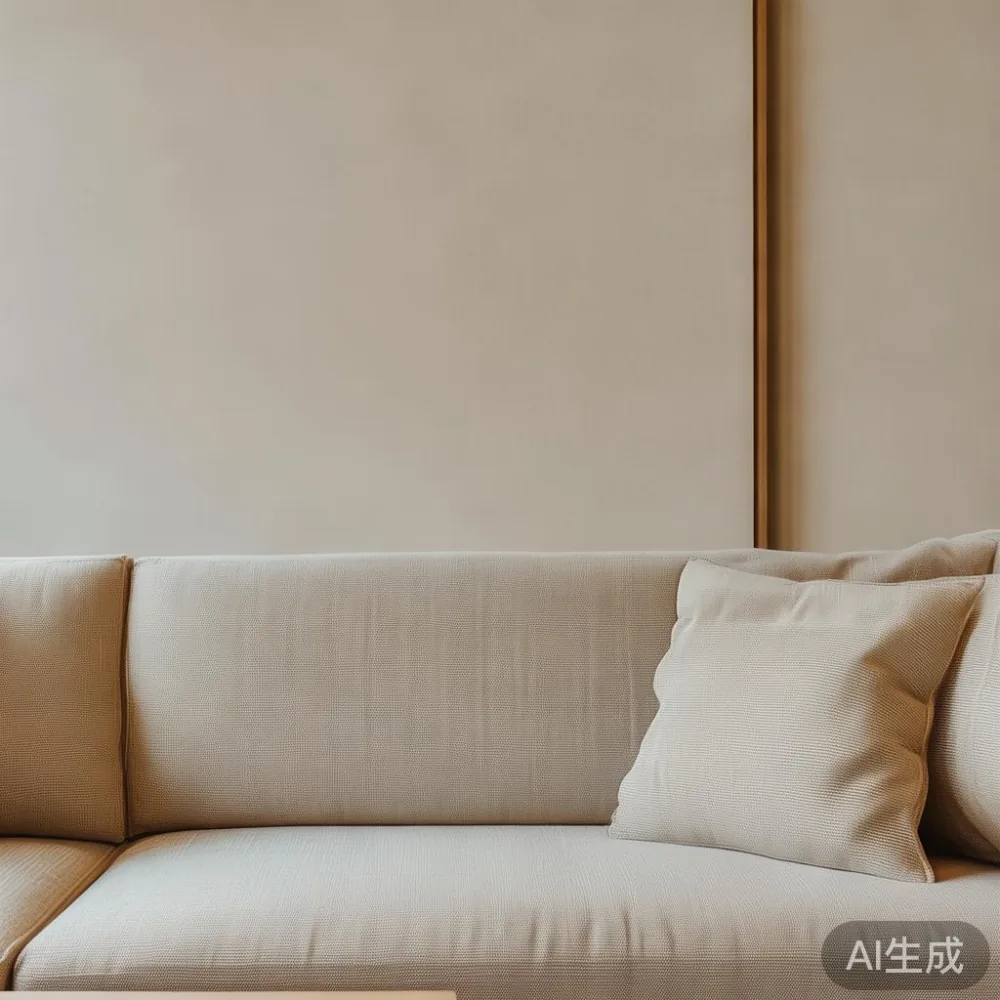
Start with the HDB room envelope, not the catalog
Every HDB living room in Tampines, Bedok, or Punggol is governed by the same three measurements: ceiling height roughly 2.6 m to 2.8 m, sliding door openings around 0.9 m, and lift interiors that are usually 1.1 m deep by 1.4 m wide. Before you compare headboards, measure the room in cm. I keep a small note in my phone: length, width, ceiling, and the corridor width outside the unit. A headboard that looks elegant in a 30 m² showroom can dominate a 18 m² living room, and a headboard wider than 180 cm will not fit the lift in many older blocks. Jot down the numbers, then add them up.
If the room is under 20 m², treat the headboard as a wall. Anything above 120 cm in width becomes a visual wall even when it is only 8 cm thick. For 20 m² to 28 m² layouts, a 150 cm to 170 cm headboard sits comfortably with 45 cm of breathing room on each side. For the larger 28 m² to 35 m² living rooms common in newer Punggol and Bedok units, headboards from 200 cm to 240 cm work without crowding the seating area.
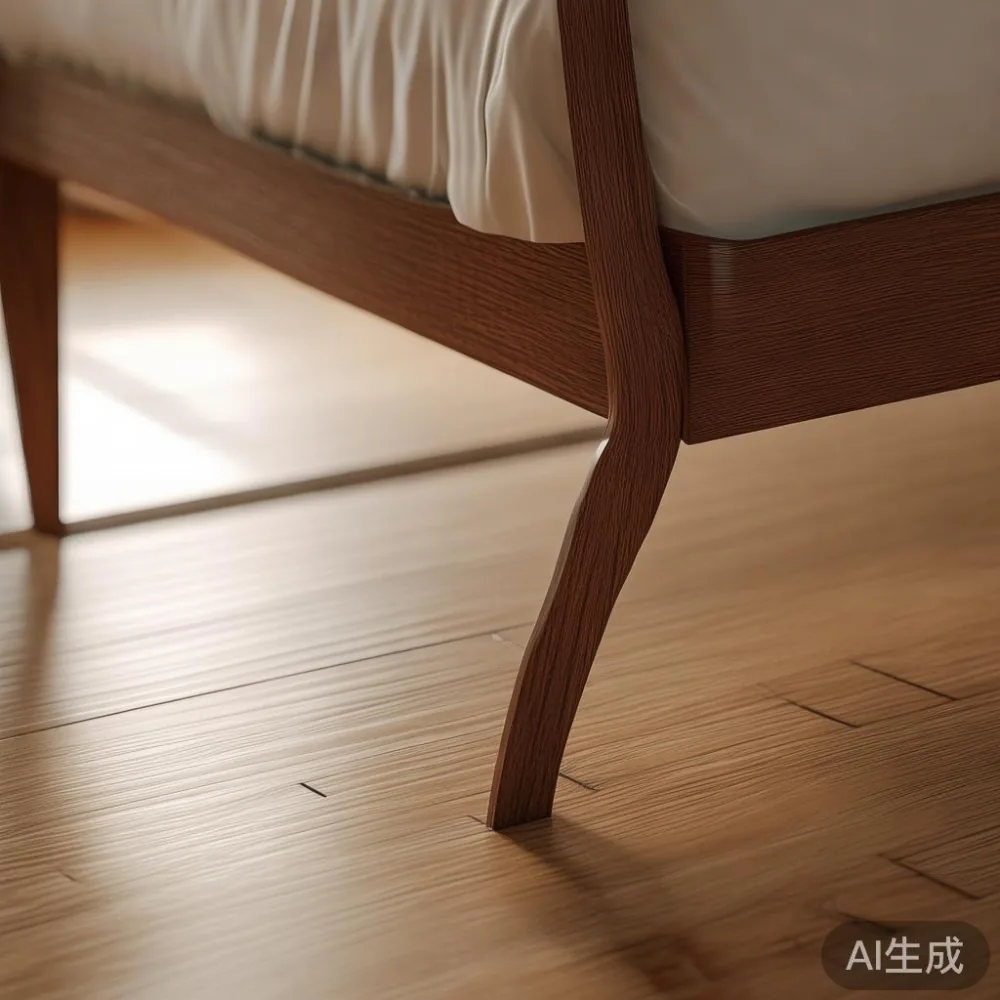
Match the headboard to your bed, not the other way around
The single most common mistake I see is a headboard that floats above a too-small mattress. A 150 cm mattress needs a headboard at least 150 cm wide, ideally 160 cm, so the side wings frame the pillows instead of leaving a gap. A 180 cm mattress needs a 180 cm to 200 cm headboard. A 200 cm mattress needs 200 cm to 220 cm. The extra 10 cm to 20 cm is what gives a solid wood bed frame its grounded look and what makes a French provincial oak bed read as furniture, not as a gap between the wall and the bed.
Height follows the same logic. A standard 90 cm to 100 cm headboard suits a 25 cm to 30 cm mattress plus a 5 cm to 10 cm divan. If you want a hotel-style reading backrest, push the height to 110 cm to 120 cm. In a HDB with a 2.6 m ceiling, anything above 140 cm begins to feel top-heavy and will press on the visual line of the ceiling cornice.

How wide should the headboard be compared to the nightstand?
Standard spacing is to let the headboard extend 5 cm to 10 cm beyond each nightstand. A 160 cm wide headboard pairs with two 40 cm nightstands, leaving a 5 cm overhang on each side. A 200 cm headboard pairs with two 45 cm nightstands, again with 5 cm to 10 cm overhang. This overhang is the visual trick that makes a small bedroom feel furnished rather than crowded. Without it, the eye reads the bed, the nightstand, and the gap as three separate objects, and the room feels like a corridor.
The same principle applies when the headboard sits against a living room wall rather than a bedroom wall. If the headboard is paired with a side table or a console that is 35 cm to 45 cm deep, keep the headboard 5 cm wider on the wall to anchor the composition. I used this rule in a Tampines 5-room flat last quarter, and the owners told me the room finally felt like a reading corner instead of a storage area.
What about clearance for the lift and the corridor?
This is the question that decides whether your chosen headboard ever reaches your door. Measure three things: the lift door width, the lift interior depth, and the corridor width outside your unit. Most HDB lift doors are 0.9 m wide and the cabin is roughly 1.1 m to 1.4 m wide. A headboard taller than 1.3 m usually has to be tilted, and anything above 2.2 m in length often needs to come through the service lift or be split into two panels. Solid wood headboards over 220 cm long and 110 cm tall from a Foshan workshop can weigh 55 kg to 75 kg, so two people and a trolley are not optional. Plan a 25-minute window for the carry-in, and add SGD 60 to SGD 120 if you need a separate stair-stepper or a handyman for tight corners.
Free shipping is common above a SGD 350 threshold, but stair-only blocks on the upper floors of older estates can add SGD 80 to SGD 200 per flight. Ask the supplier to confirm the carton dimensions in cm and the gross weight in kg before you confirm the order. A 218 cm x 115 cm x 12 cm carton is standard for a king-size headboard, and the supplier should put those numbers on the invoice.
How do I care for a small space in humid weather?
Run a dehumidifier at 45 percent to 55 percent relative humidity year-round, keep the headboard 8 cm to 12 cm off the wall to let air circulate behind it, and wipe the surface weekly with a dry microfiber cloth followed by a lightly damp cloth every fortnight; this small-grain routine is what keeps a solid wood headboard flat and stable through Singapore's 80 percent to 95 percent humid months without swelling the panels or clouding the lacquer.
A small space in humid weather needs three habits. Second, condition the wood twice a year with a hard wax oil, applied in the direction of the grain, and allow 24 hours of curing before any linen touches the surface. Third, rotate the mattress and the pillows so moisture does not settle on one corner of the headboard. A French provincial oak bed in a HDB master bedroom in Bedok that I inspected last April had developed a 2 mm cup on the top edge after eighteen months of neglect; a single afternoon of light sanding and wax brought it level.
How do light-luxury styles change the sizing math?
American light luxury leans tall and slim, with headboards around 110 cm to 125 cm tall and relatively narrow wings. French light luxury leans horizontal and ornate, with headboards from 160 cm to 220 cm wide and carvings that add 3 cm to 5 cm of visible depth. Post-modern light luxury leans geometric, with headboards around 95 cm to 110 cm tall and panels of 4 cm to 6 cm thickness. Each style changes the breathing room you need.
An American light luxury headboard at 115 cm tall can sit in a HDB with a 2.6 m ceiling and still leave 145 cm of wall above it for a picture rail. A French light luxury headboard at 200 cm wide looks proportional in a 25 m² living room but feels crowded in an 18 m² one. A post-modern light luxury headboard at 100 cm tall is the easiest match for compact HDB rooms because it leaves the upper wall free for art and because the geometry softens the room's straight lines. Pair each style with a matching solid wood bed frame, and the room reads as one composition instead of a collection of parts.
How does the headboard relate to a marble table, a sofa, and a dining table in the same flat?
In most HDB layouts the living room also hosts a marble coffee table, a 2.4 m to 2.8 m solid wood sofa, and a dining table for four. The headboard, when it sits against the feature wall of the living room rather than the bedroom, has to share the room with all of them. The rule I use: keep the headboard 8 cm to 15 cm narrower than the sofa so the eye lands on the seating first and the headboard second. The marble coffee table should be roughly two-thirds the length of the sofa, so a 2.6 m sofa pairs with a 1.7 m marble table. The dining table, when it lives in the same open plan, should sit at least 90 cm away from the sofa to keep a walkable corridor.
A solid wood dining table for four measures 120 cm to 140 cm long and 75 cm to 80 cm wide, which leaves 60 cm to 70 cm per person. A solid wood wardrobe in the adjacent bedroom should be at least 60 cm deep if you hang shirts, and the door swing needs another 60 cm. None of these numbers matter unless they are written down on the same page as the headboard, the sofa, the marble table, and the dining table. I keep a one-page floor plan with these five numbers for every client, and the choice becomes obvious within ten minutes.
What should I check on the invoice before I pay?
Five numbers. The headboard width in cm, the headboard height in cm, the depth in cm, the gross carton weight in kg, and the lead time in working days. For a Foshan light-luxury workshop the lead time is usually 25 to 35 working days for a custom size and 7 to 12 working days for a stocked size. Shipping by sea to Singapore takes another 10 to 18 days, plus 2 to 4 days for customs. Add a buffer of 5 working days, and you are looking at 6 to 9 weeks from order to delivery.
GST is 9 percent in Singapore as of 2024, and the supplier should declare the CIF value on the commercial invoice. A solid wood headboard priced at SGD 1,200 before GST ends up at SGD 1,308 after GST, and that number should appear on the line item. Lifetime refinishing and a 10-year structural warranty are worth more than a SGD 100 discount because they cover the cupping, the hairline cracks, and the joint loosening that humid weather causes over years. MIDHILL, a Foshan maker that exports to 15+ countries, includes those terms on every headboard and bed frame order, which is why I specify them on the plan page whenever a Punggol or Tampines client asks for a one-stop light-luxury set.
What is the quick sizing checklist I should keep on my phone?
Five lines. Room width in cm. Room length in cm. Ceiling height in cm. Lift door width in cm. Corridor width outside the unit in cm. Add the mattress size, the nightstand size, and the marble table size. Pick the headboard width from the table I gave earlier. Confirm the headboard height against the ceiling. Confirm the carton dimensions against the lift and corridor. Confirm the lead time and the GST. Five lines, ten minutes, and you have ruled out the wrong sizes before you have wasted an evening browsing showroom models.
For a 4-room HDB in Bedok with a 2.7 m ceiling, the checklist usually produces a 160 cm to 180 cm wide, 100 cm to 110 cm tall headboard with an 8 cm to 12 cm wall gap and a 55 kg to 65 kg carton. For a 5-room HDB in Punggol with a 2.8 m ceiling, the same checklist produces a 200 cm to 220 cm wide, 110 cm to 120 cm tall headboard with a 65 kg to 80 kg carton. MIDHILL's project team can size a headboard against these numbers in one message, and they will quote a CIF Singapore price that already covers the 9 percent GST line and the 10-year structural warranty. That single round of numbers is what turns a headboard from a guess into a fitted piece, and what turns a HDB living room from a layout into a home.