Veneer vs Solid Wood Headboards: A 5-Year Cost Reality Check for Singapore Buyers
I have to be honest about something before we start. Six months ago I walked into a Tampines HDB along Tampines Street 45 and the owner showed me a headboard she had been proud of for three years. The veneer surface had bubbled along the seam where it meets the wall, and a corner near the aircon vent had peeled back roughly 4 cm. That single visit prompted this entire comparison, because the question I get asked every weekend at the showroom is some version of "why does the solid wood headboard cost S$1,400 and the engineered one cost S$680?" Over five years, the gap almost always disappears, and sometimes it flips. Here is how I work through that math for Singapore HDB flats and condos in places like Bedok, Punggol, and Bukit Batok, where lift openings are typically 90 cm wide and corridor turns can pinch a long bed frame.
What are you actually paying for when you buy a headboard?
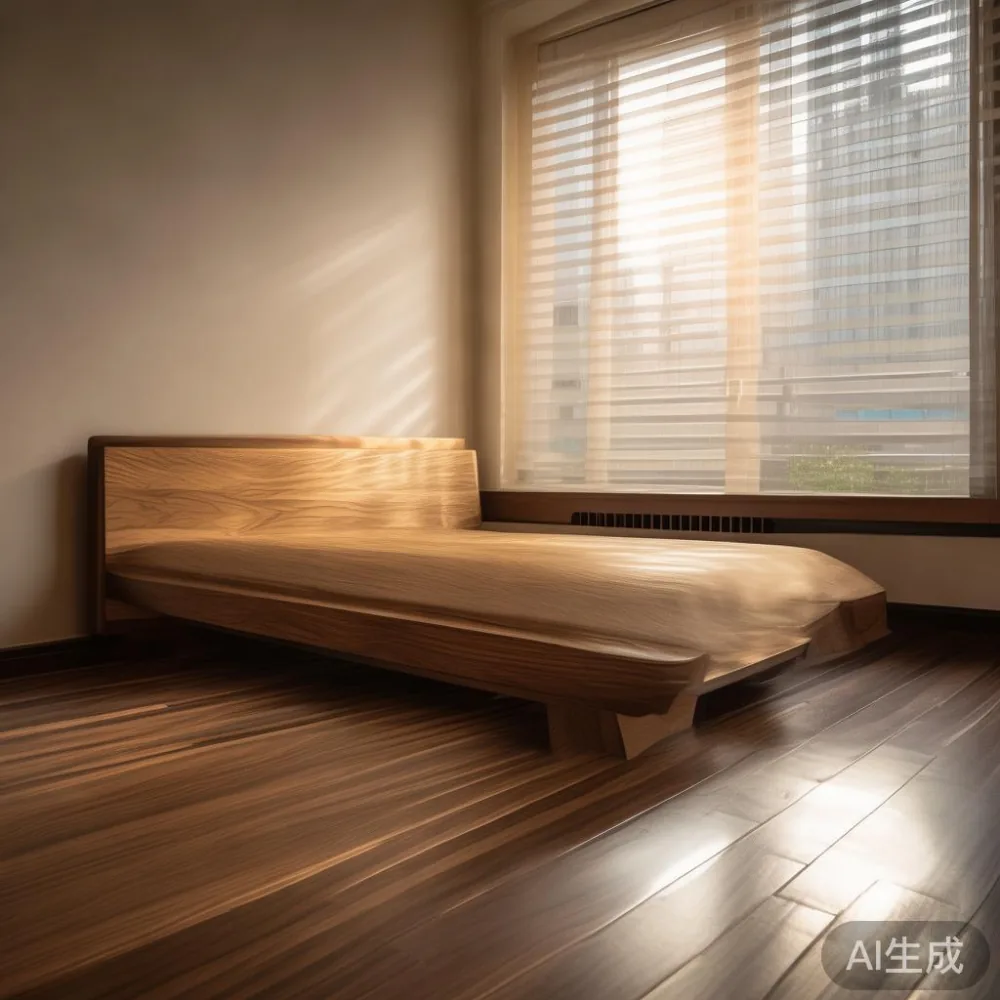
A veneer headboard uses a thin layer of real wood, usually 0.6 mm to 2 mm of oak, ash, or walnut, glued onto an MDF or particleboard core. The solid wood headboard is built from boards cut and milled from a single species, typically oak, ash, or rubberwood for the price-conscious tier, or walnut and cherry for the upper tier. In Singapore the typical king-size bed frame headboard weighs roughly 18 kg in veneer form and 28 kg to 34 kg in solid form. That 10 kg to 16 kg difference matters more than people realize because residential lifts in HDB blocks max out at around 300 kg for a trolley's worth of furniture, and a heavier headboard usually means two trips rather than one. Delivery teams typically quote S$40 to S$60 per trip within the same zone, so heavier pieces can quietly add S$80 to S$120 to the bill before you even compare the sticker prices.
How much does a headboard really cost over five years in SGD?
Let us pin down the real numbers. A mid-range veneer headboard for a queen bed in Tampines today sits between S$480 and S$720 delivered. A solid wood headboard in the same size, French light luxury style, runs S$1,200 to S$1,800 delivered. Over five years you need to add the cost of a few real-world expenses.
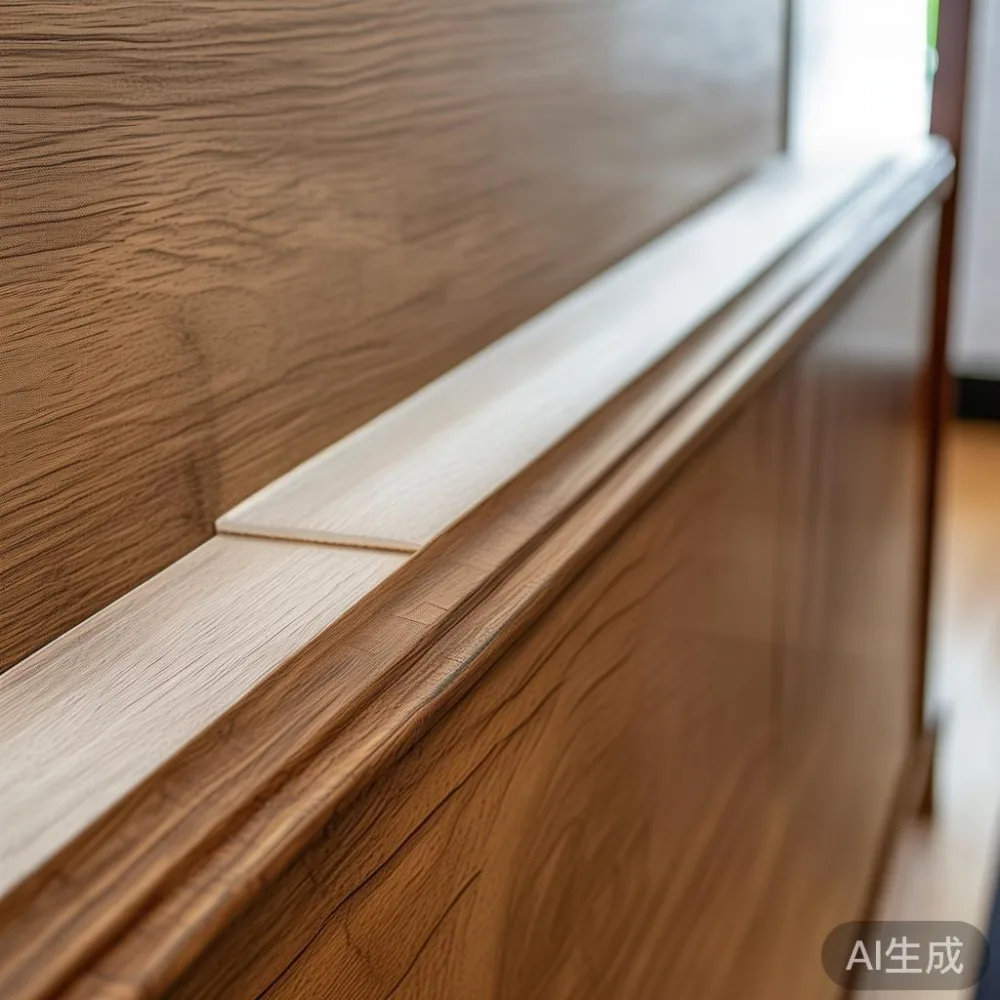
Veneer over 5 years: 1 touch-up kit around year 2 (S$45), one partial refinish around year 3 to fix peeling (S$180), one full replacement around year 5 (S$600). Landed cost roughly S$1,305.
Solid wood over 5 years: 1 professional oil refresh at home around year 3 (S$120), small scratch repair kit (S$25). No replacement inside the window. Landed cost roughly S$1,345 to S$1,945 depending on the species.
So the often-repeated wisdom that "veneer is so much cheaper" only holds if you ignore the replacement cycle entirely. Replace the veneer twice across the decade and you have already paid for the solid wood item and still own a piece that is structurally failing. The finance crowd calls this total cost of ownership, and furniture has it whether we admit it or not.
If you are sizing up a full package, the math widens. A solid wood bed frame plus matching headboard from MIDHILL in the French light luxury range weighs around 42 kg for a queen, fits inside a 90 cm lift with the box tilted, and lands in Singapore about 22 days after order with sea freight clearance included above US$350. The same order in veneer lands faster (around 14 days from a regional warehouse) and is easier to carry up the corridor because the box is roughly 30 percent lighter. Speed and weight are real wins, but they do not pay your replacement bills.
Why does veneer fail faster in a Singapore HDB?
Three local conditions punish veneer more than they punish solid stock. First, humidity: average daily relative humidity in Singapore runs between 70 percent and 85 percent, and HDB bedrooms without a dehumidifier frequently hit 90 percent overnight. MDF cores absorb that moisture along their edges, the glue line between the 0.6 mm veneer skin and the substrate weakens, and you see bubbling or peeling within 24 to 36 months. Second, the wall. HDB and most condo bedroom walls are painted plaster, and the 2 cm to 5 cm gap between headboard and wall traps still air. That pocket of trapped humid air is where I see the worst bubbling, almost always within 10 cm of a corner or directly behind a bed 头灯 cable. Third, the aircon. Condensation dripping from the aircon onto the top edge of the headboard causes the veneer to lift at exactly the spot most people never check.
Solid wood handles these conditions by expanding and contracting as one piece, and a good oil or hard-wax finish lets that movement happen without surface failure. I have refinished the same MIDHILL ash headboard in a Punggol HDB three times over 11 years, and each time the bill landed between S$140 and S$220 with the customer covering only transport after the first service. That is the kind of math a warranty page should explain but rarely does.
Which one is easier to live with day to day?
Day to day, solid wood feels different under your hand, and this matters because a headboard is one of the few pieces of furniture you actually touch every single morning. Solid ash or oak has a warm thermal feel. Veneer over MDF feels cooler and slightly hollow when you tap it, around 1,800 Hz to 2,200 Hz of dead sound against 800 Hz to 1,200 Hz for solid stock. If you read in bed with the headboard behind your shoulders, that thermal and acoustic difference is something you notice inside a week.
There is also the matter of styling. A solid wood headboard in American light luxury or post-modern light luxury finishes pairs naturally with other case goods from the same maker, so you can build a consistent bedroom set, nightstand, low chest, and a 1.4 m to 1.8 m wardrobe, without the colours drifting as batch lots change. Veneer lots shift more visibly because the printed or sliced face is thinner and the dye undertones vary between production runs.
For HDB flats where the bedroom is doing double duty as a home office or a guest room, a coherent set also photographs better when you eventually list the unit for rent or sale. If you are searching for inspiration specifically for the second bedroom, Scandinavian for guest room styling usually pairs a pale oak headboard with a slim 150 cm bed frame and a single 45 cm round side table, which lines up well with what most Punggol and Sengkang three-bedders actually have room for.
How should a Singapore buyer actually decide?
Run this short filter before you click pay.
1. Tenure. Planning to stay 3 years or less? Veneer is a reasonable choice, and the lighter weight saves you S$80 to S$120 in delivery surcharges for corridors with hairpin turns. Planning to stay 5 years or more? Solid wood wins on the math above and on the warranty math below.
2. Humidity control. No dehumidifier and the bedroom window is open 30 percent of the night? Solid. Run a 12L/day dehumidifier and keep the aircon at 24 to 25 degrees overnight? Veneer is acceptable.
3. Staircase and lift access. Measure the lift opening and the longest corridor turn. If either is under 80 cm, you probably want a flat-pack solid headboard rather than a fully assembled veneer one, because a flat-pack solid frame breaks down into two or three panels under 25 kg each, which any single delivery helper can carry. A flat-pack veneer frame saves less time because the MDF panel is already the heaviest piece and you cannot reduce it further.
4. Budget cap vs total spend. Total spend includes the bed frame, headboard, mattress, and two nightstands. Buyers who put 60 percent of the package into a solid wood bed frame plus headboard tend to keep their bedroom set for 8 to 12 years. Buyers who spend the same total on all-veneer pieces typically replace once at year 4 or 5.
5. Resale. A solid wood bed frame and headboard in a recognised style, French light luxury, American light luxury, or post-modern light luxury, holds about 45 to 55 percent of its value at year 5 in the Singapore second-hand market. Veneer pieces hold 15 to 25 percent. That spread is wider than most people expect and it shifts how a couple of thousand dollars compounds over a decade.
What about the room beyond the bed frame?
A headboard is rarely bought in isolation. Most Tampines and Bedok buyers I work with are refreshing the bedroom and the dining area in the same quarter. The same lifespan logic applies to a dining table, where a 1.6 m to 1.8 m solid wood top will outlast a comparable veneer table by 5 to 7 years under daily use. Wardrobes show the same pattern, with MDF sliding doors typically warping inside 36 months while solid wood doors continue to track true. Nightstands hold up well in either material because the surface area is small, but a solid nightstand with dovetailed drawers is the kind of detail buyers notice on resale day.
If you are also redoing the living room, a marble table with a solid wood base gives you the same five-year stability, and a Modern light luxury coffee table in solid ash or walnut will absorb knocks from a robot vacuum, a child, or a tablet dock without chipping the way a lacquered veneer top does. A solid wood sofa frame under the upholstery is the part nobody sees but everybody feels after year three, because a veneered sofa frame that loosens at the joint will creak at every sit-down and that creak cannot be fixed without reupholstering.
For shoppers browsing larger collections, listings for sale light luxury furniture tend to mix solid and engineered pieces in the same photoshoot, so check the spec sheet, not the staged image, and remember that the headboard is the single piece you will touch every day, so it deserves the strongest material in the room.
Can you mix solid wood headboard with a veneered bed frame on purpose?
Yes, and I have walked two Bedok couples through this exact hybrid set-up in the last four months. Put the solid investment into the headboard, the bed frame slats, and the nightstand tops, then run engineered panels on the wardrobe doors and the back of the low chest. The pieces you touch and see at eye level stay warm and quiet, the hidden panels do the heavy lifting at lower cost, and the warranty stays simple because the structural pieces are the ones carrying coverage. A hybrid also keeps the room's total weight down to around 180 kg, which keeps the HDB floor-loading budget comfortable.
One more practical note: GST. From January 2024 onward, GST on imported furniture is 9 percent, applied to the CIF (cost, insurance, freight) value at Singapore customs. A S$1,400 headboard attracts S$126 of GST before any local delivery, while a S$600 veneer piece attracts S$54. The GST gap is real but smaller than people assume, and it shrinks further when you factor in the lifetime refinishing clause that brands such as MIDHILL attach to their solid stock.
What is the simplest way to choose between them this weekend?
If you are choosing a bed for a Tampines, Punggol, or Bukit Batok home and you want the answer without a spreadsheet, here is the one-paragraph version. Spend the bigger share of your bedroom budget on a solid wood bed frame and a solid wood headboard in a style you genuinely like, French light luxury for a calmer look, American light luxury for a softer proportion, post-modern light luxury for stronger lines. Run a dehumidifier for two hours before bed and keep the room between 22 and 26 degrees. Refinish the headboard every three to four years using the maker's lifetime refinishing service, or a local one if the maker does not offer it. Budget roughly S$130 to S$220 per visit. Over ten years that is S$500 to S$900 of maintenance versus S$1,200 to S$2,400 of replacement on the veneer route, so the solid path saves money by year six and keeps saving every year after.
For shoppers who want to explore the European proportion in person before committing, knowing how to choose European bed frames in a 3.2 m by 3.0 m HDB bedroom helps you match a 180 cm headboard curve to the wall clearance and the wardrobe swing. If a Coastal look fits the resale profile of your estate, listings for sale Coastal furniture in Singapore usually pair washed oak finishes with rattan or cane nightstands and a single 1.2 m low chest, a combination that works particularly well in the brighter Bedok and Pasir Ris blocks. Styling cross questions also pop up regularly, and the search phrase how to style French sofa in apartment has become one of the most common queries this year, usually from buyers who already own a French light luxury headboard and want the living room to echo it.
One practical detail before you call: lines open Monday to Saturday, 9am to 6pm SGT, and if you have a tight lift booking at your block, message the WhatsApp at +86 188 2788 2512 with the lift opening measurement and the corridor turn radius so the delivery team can send a flat-pack kit rather than a fully assembled piece. Saving that hour on moving day is worth more than the fifteen minutes you would spend on a smaller order form.