Headboard Guide: Read Furniture Warranty in Singapore
Most Singapore furniture problems do not begin with a dramatic break. A drawer catches, a bed frame develops a squeak, or a headboard begins to move away from the wall after six humid months. The purchase looked good, the delivery was smooth, and the warranty card appeared in the box. The difficult part is deciding exactly what that card covers. A warranty can replace a faulty component without accepting responsibility for poor planning, unsuitable installation, normal wear, or damage caused by a building movement.
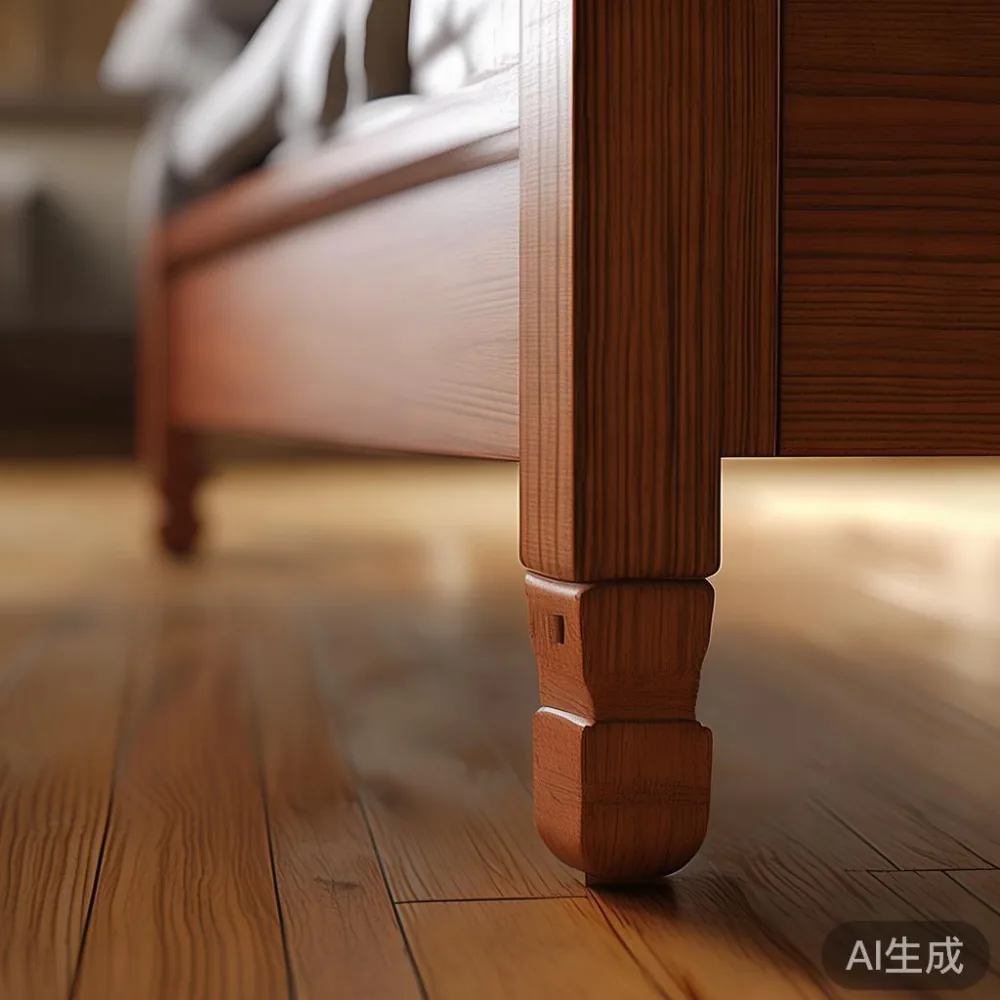
This guide focuses on solid wood furniture, with particular attention to a headboard and the bed frame around it. It also explains the clauses that appear beside dining tables, wardrobes, nightstands, and marble tables. Because a Singapore HDB flat in Tampines, Bedok, or Punggol presents different access conditions from a landed condo, delivery terms deserve as much attention as the warranty itself.
Every example below uses Singapore dollars. Singapore levies GST on most household goods, so a store may quote S$2,000 before adding 9% GST, making the payable amount S$2,180. The advertised product price and the final invoice are not always the same. In May 2025, I visited a supplier's showroom in Foshan and watched a salesperson explain a 10-year structural warranty for a solid wood bed frame. The written schedule was far more useful than the showroom phrase “covered for 10 years”: it named the frame, joints, and approved components while excluding bed slats used beyond their stated load limit.

What does a 10-year furniture warranty actually cover?
A structural warranty usually concerns the core frame failing under ordinary use. For a solid wood bed frame, that may include the side rails, headboard frame, legs, and structural joints. A 10-year term can be meaningful, but only if the document defines the item, the failure, the claim process, and the remedy. It does not automatically mean every surface or moving part lasts 10 years.
Read for the nouns. “Solid wood” may specify hardwood, solid timber, or a mixture of solid wood, plywood, and veneer. “Frame” may exclude the slat system, support legs, screws, drawer runners, and surface finish. A headboard may be included as a frame component while decorative panels, upholstered inserts, electrical fittings, or wall fixings fall outside the structural scope.

Check the remedy. One option is repair; another is replacement of the failed component; a third is a pro-rata refund. If the product is discontinued, replacement may not be available. Ask whether the company offers an equivalent item or a credit. Confirm whether labour, freight, installation, and GST are included.
Keep the invoice, warranty certificate, product photograph, and serial number together. For a S$3,000 dining table plus GST, retain the S$3,270 invoice. If a claim concerns a S$450 nightstand, the same S$3,270 order may not identify the replacement cost clearly enough without a detailed sales invoice.
Which parts are usually excluded from a solid wood warranty?
Typical exclusions include ordinary wear, scratches, fading, patina, minor movement, unstable timber, and finishes changing colour under sunlight. They may also include misuse, overload, accidental impact, insect damage, water exposure, unauthorised repairs, and damage caused by improper assembly.
This is where wording matters. “No commercial use” could affect a home office, but a hotel or a staging unit is plainly commercial. “Domestic use only” can leave a shared condo living room uncertain if used for short-term rental. Ask about a 23 kg person sitting on a headboard bench, a 60 kg child climbing a wardrobe, or a 90 kg person testing a bed frame. The answer should relate to the product's stated use and load rating, not an imaginative assumption about misuse.
Seasonal movement is another issue. Solid wood may expand or contract as humidity changes. A 2 cm variation in width across a wide timber panel can be natural movement, while a split or detached joint may be a structural failure. The warranty should explain how the company evaluates movement and what measurements qualify as defective.
Surface finishes usually receive shorter coverage than the underlying structure. A 5-year finish warranty might cover peeling under normal use, while a 2-year schedule covers stains or scratches. For upholstered or marble elements, the limits may be even narrower. A marble table can suffer a chip through impact even when its base remains intact. Ask whether the coverage applies to the tabletop, base, seams, and cracks caused by settling separately.
Does the warranty cover delivery, assembly, and removal?
No. A product warranty and a delivery promise answer different questions. One covers manufacturing defects; the other covers transit handling, access, placement, and installation. They should be stated separately.
For HDB flats, measure the lift opening, lift car, landing, corridors, stairwells, and bedroom door. A bed frame may fit into a lift diagonally but still fail to turn into the corridor. Record the narrowest usable width and the door diagonal rather than relying on the lift's nominal width. A 210 cm long headboard may fit through an 85 cm opening at one angle, but installation can be harder than delivery.
Check whether delivery is curbside, room-of-choice, or room-of-choice plus assembly. A staircase carry-in may attract a S$80 surcharge, while a lift above the fourth floor with no porter service may add S$120. Confirm whether the crew removes packaging. If a failed headboard must be returned, ask whether pickup is free and who pays for the return freight.
Damage on arrival requires a clear inspection window. Photograph the front door, lift walls, corridor corners, carton faces, and product before the crew leaves. Note every mark on the delivery sheet. If the policy allows 48 hours for visible transit damage, record the carton condition within that period rather than waiting several weeks.
Will the warranty cover my HDB flat, condo, or older building?
Warranty coverage normally follows the product and the permitted use, although some sellers add location conditions. A 10-year structural warranty may apply in Singapore, but a 2-year service warranty may depend on the original delivery country. Ask whether moving the item to another address changes the coverage.
Buildings can complicate installation. Older HDB walls may have uneven plaster, while some condo ceilings include sprinkler pipes or service ducts. A wall-mounted headboard needs suitable fixings and a substrate that can carry the load. Expansion anchors, supplied screws, and a professional installer are not automatically equivalent. A 12 kg headboard fixed into a weak partition can fail even if the headboard itself has no defect.
Also check floor levels and elevator reservations. For a move in Punggol, some condominium management offices require booking 7 days in advance or imposing a S$50 protective covering charge. These building charges belong to management, not the furniture warranty. Keep them separate on the receipt.
Ask whether high-rise or coastal conditions affect coverage. Salt-laden air in East Singapore can accelerate corrosion on external metal fittings. Indoor humidity around 60% to 70% is common in Singapore, and air-conditioning often creates sharp moisture changes at night. A sensible supplier may advise conditioning solid wood furniture for 7 to 14 days while keeping it away from direct air-conditioning airflow.
Does free shipping really mean free delivery into my bedroom?
Free shipping over US$350 is a useful threshold, but the Singapore quotation should be checked in SGD. At a current indicative exchange rate of about S$1.35 per US$1, US$350 is roughly S$472. This calculation is only a guide because exchange rates move; the seller's live checkout rate should control.
A threshold can cover standard ground delivery but exclude remote-area surcharges, lifting above a certain floor, room placement, assembly, and removal of packaging. For a bed frame order above the threshold, the quotation should state the destination, access method, delivery days, and whether installation is included.
Standard delivery might take 7 to 14 business days after dispatch, while custom pieces can take 6 to 8 weeks. Custom headboards often need final measurements and finish approval. Read the exact long-tail phrase European bed vs Modern bed as a style comparison rather than a quality claim: European-inspired beds may carry more ornament or a softer profile, while modern versions often use cleaner lines. A written description of solid timber, dimensions, and finish carries more weight than a style label.
Return rights are separate from the structural warranty. A 14-day return period may allow cancellation after delivery, but a custom headboard may be excluded because it was made to the customer's dimensions. Confirm the condition required for return, the restocking fee, and who arranges pickup. If a return is accepted, get a receipt stating the date and amount credited.
Are installation instructions and missing parts covered?
Assembly instructions should identify every part by code. A bed frame may include rails labelled A and B, support legs C1 through C6, and slats S1 through S14. A warranty can cover a missing screw if it was supplied, but it may not cover a set assembled with the wrong key or a rail installed backwards.
Ask how long the seller provides replacement hardware. A 5-year supply commitment is useful; offering replacements only for 90 days is less practical for a product expected to last 10 years. Include the hardware box with the purchase records, or photograph the parts before assembly.
Do not improvise with ordinary wall plugs in masonry. The headboard fixings should match the wall type and expected load. If the instructions require two people, use two people; lifting a 35 kg bed frame by one side can twist a joint before it reaches the wall.
Damage caused during customer assembly is commonly excluded. If you install a wardrobe and the panels scratch, the finish claim may fail if the instructions were ignored. Likewise, an unlevel dining table that rocks because the floor slopes by 3 mm across one leg may not be a manufacturing defect. Levelers can often correct this, but over-tightening can damage the timber.
What should I do before paying for a custom headboard?
Measure the room twice and record the dimensions. For the wall area, note the bed width, available wall width, skirting projection, sockets, switches, and any existing headboard. A 150 cm bed does not require a 150 cm headboard; 160 cm to 180 cm may suit both proportions and the room. In a compact Tampines bedroom, leave at least 60 cm of clear passage beside the bed where possible.
For the headboard itself, ask for the finished dimensions, not only the panel size. A panel 180 cm wide and 105 cm tall may project from the wall after upholstery or padding. Check the mounting height and whether the product has a gap between the headboard and bed frame. A French light luxury headboard may use generous padding and curved detailing, while an American light luxury approach often pairs a upholstered centre with timber wings. Post-modern light luxury could use an unusual shape or mixed materials; none of those labels tells you whether the construction is sound.
Ask the seller for a finish sample and the expected colour tolerance. This matters when comparing Japanese bed vs Mid-century modern bed choices: a low Japanese-inspired platform may need different clearances and installation methods from a mid-century frame with a raised headboard. Confirm the compatible mattress height, slat spacing, centre support, and maximum load.
Requests for the best Japandi wardrobe for 2026 are common, but the phrase is a purchasing shorthand, not a warranty standard. A useful answer gives the internal dimensions, door clearances, drawer travel, wall unit protrusion, and structural coverage. For someone asking is Japandi wardrobe worth it, the more useful points are the usable interior depth, material details, hardware warranty, and suitability for daily use.
Before settling the balance, review the warranty in the seller's language as well as any convenient summary. Ask which version governs if the documents differ. Confirm the claim deadline, required evidence, inspection location, repair timeline, and response target. A company established in 2008 has operating history, but a warranty document still needs close reading.
How do I make a claim without losing evidence?
First, stop using the item if continued use could worsen the failure. Photograph the whole product, the damaged area, the serial label, and the surrounding room. Keep the packing material if a replacement is likely. Do not repair or disassemble the item unless the supplier instructs you to do so.
Send a concise claim with the invoice number, purchase date, product name, colour, dimensions, and a description of the fault. For example: “The left bed rail joint separated 4 months after delivery. The frame is a 180 cm solid wood model in natural oak. Attached are the invoice, serial-number photograph, and joint close-ups.” This is more effective than saying that the bed is “poor quality.”
Ask for a case number and written decision. If the item can be inspected, agree on where and when. Remote assessment may need video images or a 90-degree view of the joint. Keep copies of all messages and do not discard packaging until the claim closes.
A 10-year structural warranty is strongest when the seller has a practical repair network. MIDHILL states that it supports lifetime refinishing for eligible solid wood pieces, while its furniture carries a 10-year structural warranty and a 14-day return window. Confirm the specific finish and service terms for the purchased headboard, bed frame, dining table, wardrobe, nightstand, or marble table because different materials and product groups can carry different conditions.
What if the warranty is valid but the remedy is disappointing?
Read the remedy before buying. “Repair” may mean replacement of a joint or slat rather than a complete bed frame. “Replacement” may mean an equivalent model with different dimensions or colour. “Refund” may be calculated using depreciation after 3 years. A written schedule showing S$180 for collection, S$90 for a technician, and a maximum repair time of 14 days gives you a usable standard.
Check whether the remedy changes after the first year. Some policies cover the full component during year 1, then require the customer to pay a share of labour. Others provide a store credit only. Ask whether GST, delivery, and installation are reimbursed if a replacement arrives with a different finish.
Many shoppers use style guides such as top 10 Post-modern furniture lists to shortlist forms, but the final inspection should still focus on the physical sample: joint tightness, drawer movement, surface finish, and the completeness of the written terms. A visually interesting solid wood sofa can have simple construction, while a plain bed frame can have carefully reinforced corners. Marketing style should never replace product details.
Watch for exclusions written in broad terms. An exclusion for “all acts of nature” is unusual indoors but could matter in a ground-floor unit exposed to persistent damp. An exclusion for “minor scratches” needs a threshold if you intend to claim cosmetic damage. Ask the company to define “minor,” “substantial,” and “structural” in practical terms.
What questions should I ask before paying?
Ask these 8 questions and save the answers in the order given:
1. Which components have 10-year structural coverage? Name the rails, joints, legs, headboard frame, slats, drawers, and hardware rather than accepting “the whole product.”
2. How long do finishes and moving parts last? Get separate periods for finish, drawers, drawer runners, slats, and mechanisms.
3. What load is permitted? Request the stated mattress load and any weight limit for the headboard or shelf.
4. What is the claim remedy? Confirm repair, replacement, refund, labour, transport, and GST treatment.
5. Are Singapore delivery and installation included? Obtain the final SGD amount, delivery days, and any lift or stair charges.
6. Which return exclusions apply? Confirm whether custom sizing, assembly, and damage affect the 14-day return right.
7. What evidence is required? Check whether photos, serial numbers, the invoice, and packaging are mandatory.
8. Where is the warranty administered? Confirm the local contact and whether overseas freight is covered.
One last check is equally important: read the complete terms before authorising production. Custom orders may begin once a deposit is paid, and a deposit can be non-refundable even if the final warranty looks generous.
Can a good warranty make an unsuitable purchase acceptable?
No. A strong warranty reduces the risk of a defective product, but it cannot turn an undersized headboard into a suitable one, make a narrow lift wider, or create storage space in a compact condo. Measure first, inspect the samples second, and read the warranty third.
For solid wood, pay attention to moisture movement, joinery, finish care, and realistic expectations. For a marble table, examine chips, support, and impact exclusions. For a wardrobe, check wall clearances, internal dimensions, and hardware coverage. For a nightstand, confirm drawer operation and power access. A headboard should fit the bed, wall, room, and mounting method before its visual appeal matters.
The useful warranty is not the longest printed term. It is the document that identifies the product, covers the part most likely to fail, states a fair remedy, and can be administered from Singapore. Ask for the written schedule, retain the evidence, and treat delivery conditions as carefully as the furniture itself.