Reading a Furniture Warranty Without the Fine-Print Trap: A Singapore Buyer’s Guide
I spent a Saturday last month at a Tampines HDB flat with my colleague, watching a delivery crew wrestle a French light luxury oak sofa through a 1.1-metre corridor. The piece was gorgeous — a curved solid wood sofa frame in white oak veneer, retailing at roughly S$3,480. The problem appeared the next morning: a hairline crack on the armrest where the crew had levered it around a sharp corner. The homeowner pulled out the warranty card and discovered the word “impact” buried in the exclusions list. The repair quote came back at S$220. A warranty that reads like a love letter on page one can turn into a politely worded refusal on page three.
Most warranty disputes in Singapore do not happen because the furniture is bad. They happen because the buyer assumed the document worked one way, and the manufacturer’s claims team read it differently. This guide is a practical map for reading the fine print, with measurements, dollar figures, and real-world conditions pulled from HDB corridors, condo service lifts, and the GST-inclusive receipts you actually carry home. It is also written with one material category in mind: headboards, bed frames, wardrobes, dining tables, nightstands, marble tables, and the matching pieces you might order alongside them.
Is American master bed furniture worth it?
Yes — if you buy from a maker whose warranty terms match how the piece will actually be used in a Singapore home. American master bed furniture typically means a tall solid wood bed frame with a statement headboard, kiln-dried hardwood rails, and a centre support slat system rated for 400 to 600 lb (roughly 180 to 270 kg). The value is not the look; it is the engineering. A well-built American-style bed from a brand with transparent warranty terms — clear years, named defects, named exclusions — will outlast three flat-pack replacements. The same cannot be said of every piece on a showroom floor, so the warranty text is where the real answer lives.
Why warranty wording matters more in Singapore than in a 2,000-square-foot American suburb
Singapore homes are small, hot, and humid, and access is tight. A typical HDB door in Bedok or Punggol measures 0.9 m wide, and the service lift in many condos built before 2015 caps at 1.2 m × 1.5 m × 2.1 m. Every sofa, dining table, or wardrobe that enters your home has been engineered to survive those dimensions, but the same engineering is what a warranty assessor will scrutinise if something goes wrong.
Two structural points are worth numbers around (lb feet, in SGD terms). Two structural points are worth remembering. First, the time-based coverage. A 10-year structural warranty on a solid wood bed frame from a Foshan maker such as MIDHILL means the factory replaces or repairs frame joints, slat rails, and load-bearing components that fail under normal domestic use. “Normal domestic use” is the phrase to test — does the warranty define it? Does it exclude a 130 kg sleeper plus a 90 kg partner plus a 25 kg dog? Most reputable makers say yes to that load; budget makers quietly say no.
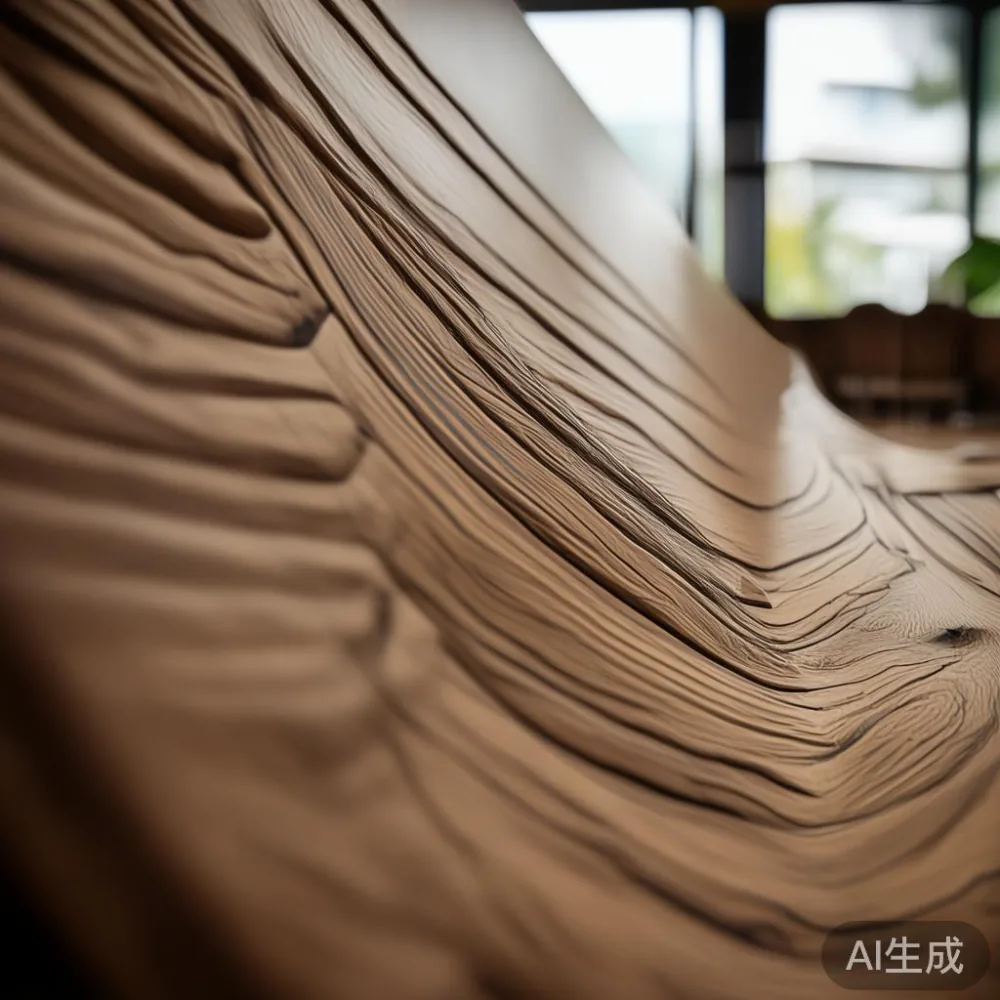
Second, humidity. Singapore’s average relative humidity sits between 70 % and 85 % year-round. Wood moves. A solid wood headboard can develop a 1 to 2 mm gap at the joinery line in January, then close again in June. A good warranty distinguishes between movement (which is not a defect) and cracking across the grain longer than 2 cm (which usually is). If your warranty document does not draw that line, ask for it in writing before paying the 9 % GST-tax rate on your invoice.
The five numbers you must find before you swipe your card
Every furniture warranty contains the same skeleton. The buyers who lose money are the ones who only read the heading. Slow down and locate these five numbers, in this order:
1. Coverage length, by component. A bed frame might carry a 10-year structural warranty, a 3-year headboard warranty, and a 1-year finish warranty — all on the same document. A dining table might be 5 years on the top, 2 years on the legs, and 90 days on the marble table inlay. If the numbers are bundled into a single “5-year warranty” line, push the salesperson for the breakdown in writing.
2. The named defects list. Look for explicit coverage of joint separation, warping greater than 5 mm across a 1.8 m span, veneer delamination, and hardware failure (cam locks, drawer runners, hinges). If the list is short, the coverage is short.
3. The exclusions list. This is where most claims die. Common exclusions to scan for: “damage during transport not arranged by the seller”, “cosmetic variations in natural wood grain”, “exposure to direct sunlight or air-conditioning vents”, “commercial use”, “modification or disassembly by the buyer”, and “acts of God including flooding”. In Singapore, the flooding exclusion is not theoretical — the 2021 Bukit Timah flash floods reached several ground-floor HDBs. If your dining table sits on the ground floor, ask whether the warranty survives a one-time soak.
4. Remedy type. Repair, replace, or refund? A repair-only clause is common for solid wood pieces because the factory wants to refinish rather than scrap. A replacement clause usually applies only if the same defect recurs within 30 days of repair. Refunds are rare and usually capped at the depreciated value of the piece, calculated on a straight-line basis over the warranty term.
5. Claim window and shipping costs. How many days do you have to file? Who pays the freight back to the factory in Foshan — you, or them? What is the repair turnaround: 14 working days, 30, 60? If shipping back to China is on you, a return from Singapore to Foshan by sea freight is roughly S$280 to S$420 per cubic metre for a headboard, plus a 7 to 14 working-day transit. That single number can erase the value of a “free” lifetime warranty.
What Singapore-specific access problems look like inside the warranty
Most warranty documents were drafted in Mandarin or English for a different housing stock. Read them with Singapore access in mind.
Door width and stair turns. A standard HDB bedroom door is 0.9 m wide; some older flats in Bedok have a 0.8 m corridor turn before the bedroom. A king-size headboard at 1.8 m wide and 1.2 m tall will not pass through diagonally if the corridor turn is less than 1.0 m. Reputable sellers will measure your access before delivery and may offer a knock-down headboard that bolts together on site. The warranty should explicitly cover on-site assembly defects, because if the bolts shear during assembly, the claim belongs to the assembler, not the wood.
Lift dimensions. A typical condo service lift in a Punggol or Sengkang development measures 1.5 m deep × 1.8 m wide × 2.3 m tall, with a 1,000 kg payload. A solid wood bed frame in American light luxury style, with a 1.8 m × 2.0 m headboard and a 200 kg total weight, fits with margin. A French light luxury marble table, by contrast, can weigh 180 kg on its own and may require the passenger lift rather than the service lift. Your warranty should state whether damage from incorrect lift selection on the buyer’s side is covered.
Humidity acclimatisation. Solid wood furniture shipped from Foshan arrives at roughly 10 to 12 % moisture content. Singapore ambient is closer to 16 to 18 %. The first 14 to 21 days are when the wood is most likely to move. A good warranty offers a free inspection visit within the first 30 days, with complimentary adjustment of slats, drawer runners, and door alignments. If that visit is missing, the warranty is asking the wood to behave perfectly during the period it is least stable.
Reading the money clauses without losing your GST tax relief
Furniture warranties contain four quiet money clauses that rarely get attention. Look for them, and you may save several hundred dollars.
Depreciation schedule. A 10-year structural warranty does not pay out at full retail value in year nine. Most makers use a straight-line depreciation: in year five, a S$3,200 dining table pays out at roughly S$1,600 in replacement value. Ask the seller for the schedule; if it is not in the document, you have no use at claim time.
Labour and freight. Even when the warranty covers the part, it may not cover the courier, the crating, or the on-site labour. For a headboard, on-site labour in Singapore typically runs S$80 to S$150 per visit. A round-trip crating fee for a marble table top can hit S$260. These numbers are not always on the price tag, but they appear on the claim form.
Consequential damage waiver. If a defective wardrobe rail collapses and scratches your S$48-per-square-foot engineered timber flooring, does the warranty pay for the floor? Almost always no, but the clause is worth confirming in writing.
GST treatment of replacements. In Singapore, a replacement under warranty is not a new sale, so no 9 % GST is charged on the replacement itself. But if you upgrade a component — say, a thicker marble table inlay than the original — the upgrade portion is a taxable supply. The credit note and the new invoice should be drawn separately on the same claim file.
What a good headboard warranty looks like in practice
Headboards are the single most warranty-sensitive category in a Singapore bedroom, because they bear the most visual weight and the least structural load. A headboard does not hold the mattress; it holds the eye. So cracks, lifting veneer, and joint gaps are cosmetic problems the factory cannot ignore, but they are also the first things an exclusion clause will dismiss.
A solid warranty for a solid wood headboard should cover the following at minimum: kiln-dried hardwood frame joint failure for at least 10 years; headboard-to-bedframe bolt stability for at least 5 years; veneer and finish defects including cracking, peeling, and discolouration for at least 2 years; and a single on-site re-tightening within the first 60 days. Upholstered headboards should add a separate 2-year coverage on fabric pilling greater than Grade 4 on the Martindale scale and foam compression greater than 15 %.
Look for explicit mention of “headboard” in the document. Generic “furniture warranty” lines can be rejected by call-centre agents on a technicality, especially when the warranty is administered by a third party rather than the factory. MIDHILL, for instance, issues warranty certificates that list headboards, bed frames, wardrobes, and dining tables as separate line items, each with its own term — a small administrative choice that prevents most disputes before they start.
Three things to do before signing the delivery order
Photograph the packaging. Before the crew opens the box, take four photos: two of the outer carton, one of the handling symbols, one of the headboard or table inside the foam. Time-stamp them. If a claim is filed for transport damage, these four photos are the difference between a paid claim and a declined one.
Measure the access yourself. Do not trust the driver’s eye. Bring a tape measure, record the corridor width in cm, the lift door height in cm, and the stair turn diagonal in cm. Ask the crew leader to write the measurements on the delivery order before you sign. This protects you against a later “access damage” exclusion.
Open the warranty document on the spot. Read the exclusions paragraph aloud. If the warranty is administered by a third-party claims administrator rather than the brand itself — common among post-modern light luxury pieces imported under a distributor — write the administrator’s name and Singapore phone number on your copy. Most disputes are won or lost on whether the buyer can reach a human within 48 hours.
Two warranty formats you should walk away from
The first is the “lifetime warranty” with no definition of lifetime. Whose lifetime? Yours, the product’s, the company’s? Lifetime warranties from offshore factories often mean the reasonable useful life of the product, which an assessor can set at five years for a S$900 dining table or seven years for a S$2,400 bed frame. Without a written definition, the assessor decides.
The second is the warranty that requires the buyer to ship the defective piece back to the country of origin at the buyer’s cost. For a Singapore buyer returning a headboard to Foshan, sea freight plus crating can reach S$320 to S$460. For a marble table, the same return can exceed S$600. A lifetime warranty that costs S$460 to invoke is not really lifetime. Reputable makers will arrange pickup or send a technician; check the document for the exact wording.
A short checklist you can tape inside the wardrobe door
Coverage length by component — written, with years. Named defects list — present and specific. Exclusions list — read aloud at the door. Remedy type — repair, replace, refund, defined. Claim window — number of days. Freight responsibility — buyer or seller, in writing. On-site inspection within 30 days — yes or no. Depreciation schedule — attached. Consequential damage waiver — clarified. GST treatment of replacements — confirmed.
If ten of those ten items are in the document, you are holding a real warranty. If four or fewer are present, you are holding a marketing leaflet with a warranty header. A solid wood sofa, an Italian light luxury oak sofa, or a French light luxury bed frame at S$3,000 and above is a long-term relationship with the maker; the warranty is the contract that holds that relationship together. Read it the way you would read a renovation contract — slowly, with a pencil, and ideally before the delivery truck is already parked outside your Tampines block.