How Humidity in Southeast Asia Affects Wood Headboards
Southeast Asia's tropical climate presents unique challenges for wood furniture enthusiasts. The region's consistently high humidity levels can cause significant damage to improperly treated wood pieces. In Singapore, where humidity often hovers between 70% and 90%, homeowners face particular difficulties with maintaining the integrity of their wooden furniture, especially headboards that are constantly exposed to bedroom conditions.
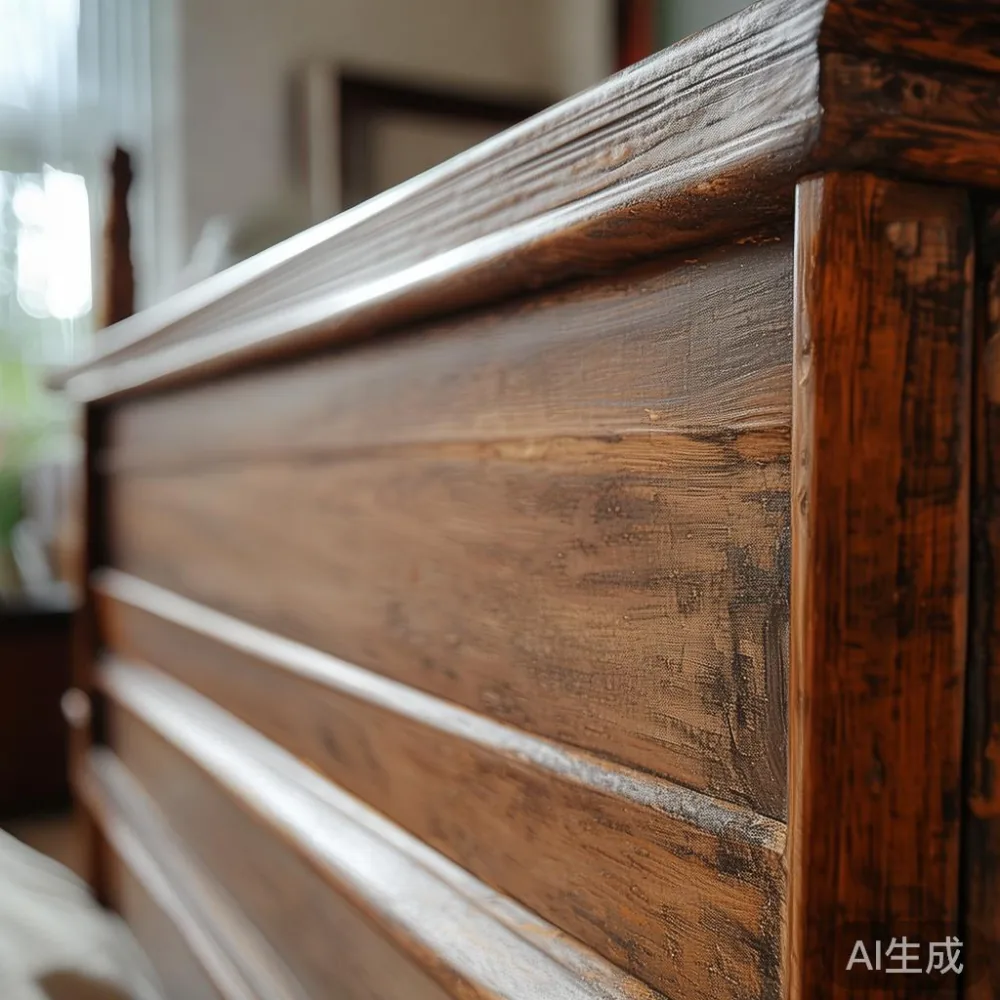
Understanding Southeast Asia's Humidity Challenges
Singapore's climate is characterized by high humidity year-round, with average relative humidity levels ranging from 70% to 90%. This constant moisture exposure poses significant challenges for wood furniture, particularly headboards that are placed in bedrooms where air circulation may be limited. The Singapore government's Housing and Development Board (HDB) flats, with their standardized dimensions of approximately 105 cm corridor width and 150 cm lift width, often have limited space for proper furniture placement, exacerbating humidity-related issues.
The GST rate of 9% in Singapore adds another consideration when purchasing furniture that can withstand humid conditions. Homeowners investing in quality pieces must factor in this additional cost when selecting furniture that will last in Singapore's climate. The price of a quality headboard in Singapore typically ranges from SGD 800 to SGD 2,500, depending on the wood type, craftsmanship, and brand reputation.
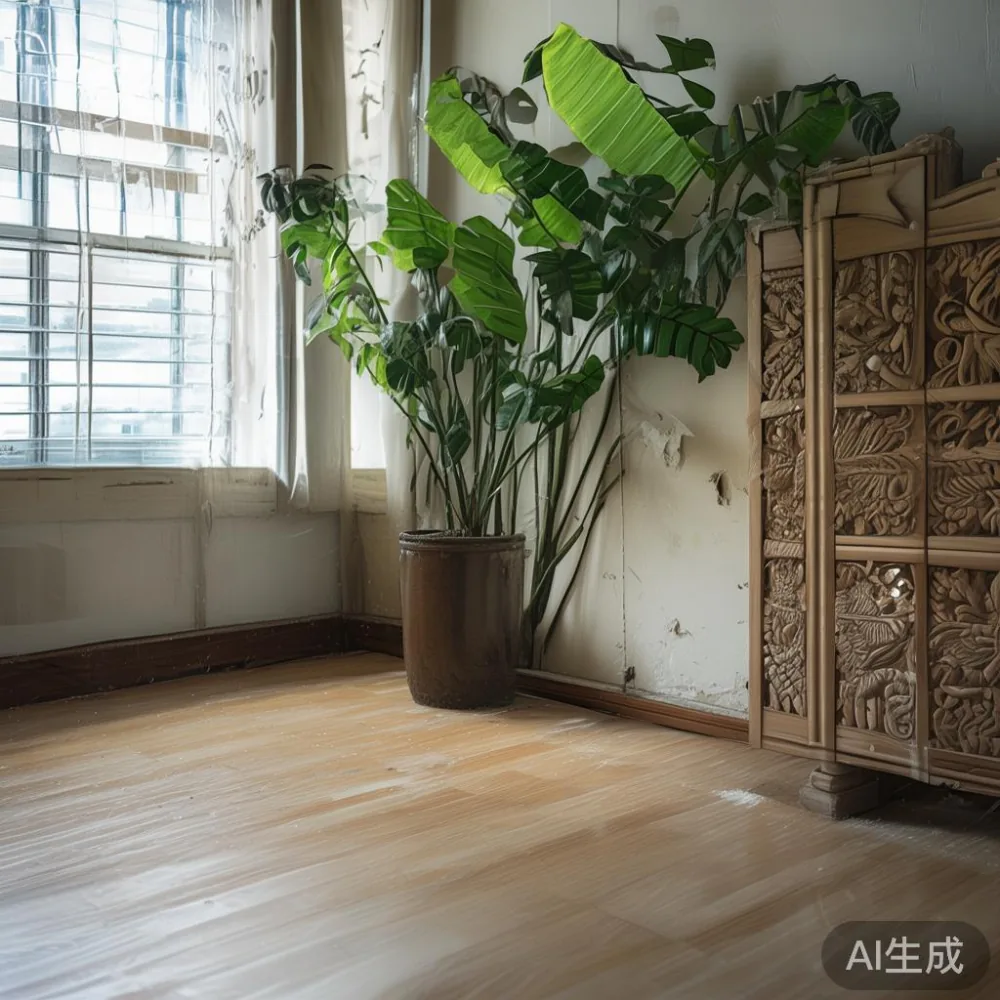
How Humidity Affects Wood Furniture
Wood is a hygroscopic material, meaning it absorbs and releases moisture from the surrounding environment. When humidity levels rise, wood absorbs moisture and expands. Conversely, when humidity decreases, wood releases moisture and contracts. This natural process, known as wood movement, can cause significant problems if not properly managed.
In Singapore's humid climate, untreated wood can absorb moisture and expand by up to 2% along the grain and up to 8% across the grain. For a headboard measuring 150 cm wide, this could result in expansion of up to 1.2 cm in width and up to 12 cm in height, causing warping, cracking, or joint failure. The constant expansion and contraction cycles can weaken the wood structure over time, leading to irreversible damage.
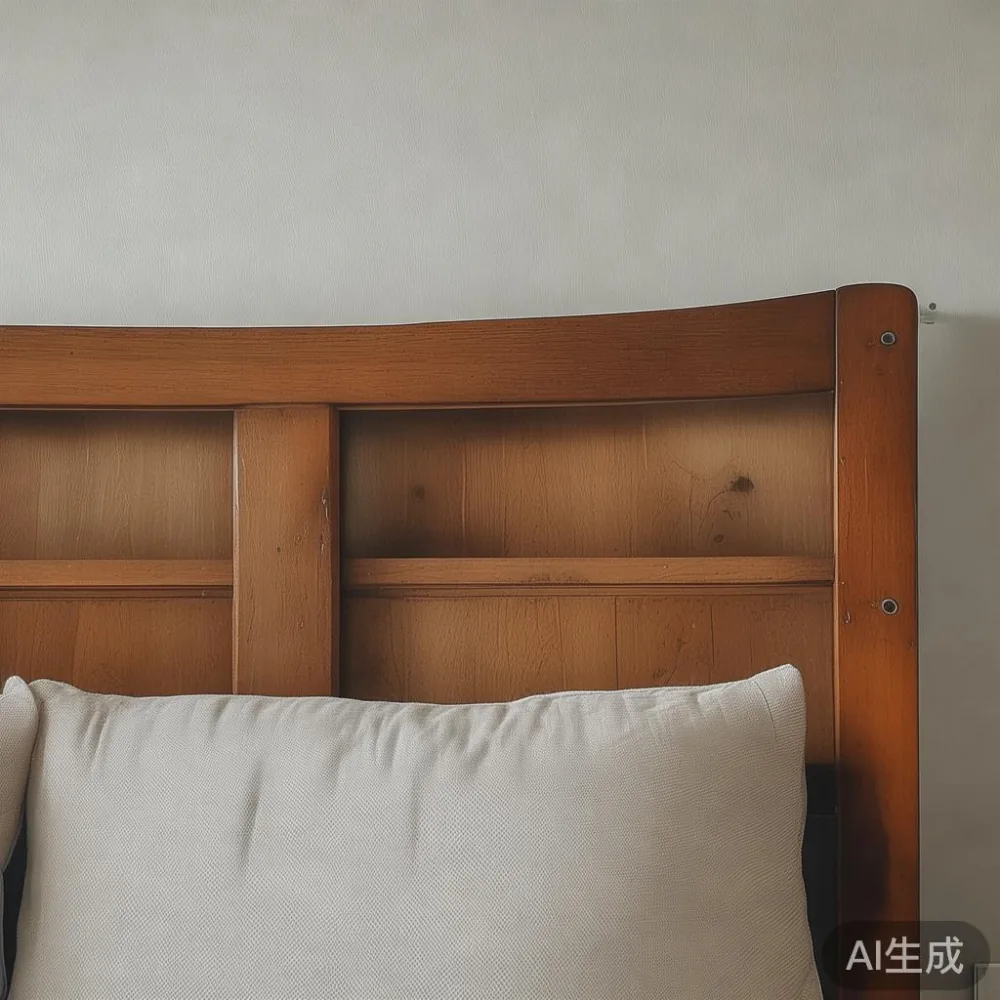
Also, high humidity creates an ideal environment for mold and mildew growth, which can stain wood surfaces and cause health concerns. The moisture can also dissolve wood adhesives, causing joints to fail and structural integrity to be compromised. A headboard with poor construction might begin showing signs of damage within 6-12 months in Singapore's climate, while a well-constructed piece can last for decades with proper care.
Why Headboards Are Particularly Vulnerable
Headboards face unique challenges in humid environments due to their placement and construction. Unlike other furniture pieces, headboards are positioned against walls, which can trap moisture and limit air circulation. This creates microclimates with even higher humidity levels than the rest of the room.
The construction of headboards often involves multiple wood pieces joined together with adhesives, screws, or dowels. These joints are particularly vulnerable to humidity-induced movement. When different wood pieces expand and contract at different rates, stress points develop, leading to cracking or loosening of joints. A headboard with 10-15 joints is at higher risk of damage than a solid wood piece with fewer connections.
Also, headboards are frequently positioned near air conditioning units or windows, creating temperature fluctuations that accelerate wood movement. The condensation that forms when cool air meets warm, humid air can directly contact the headboard surface, causing localized moisture damage. In Singapore's HDB flats, where bedrooms often have limited ventilation, these issues are magnified.
How to Choose the Right Headboard for Humid Climates
When selecting a headboard for Singapore's humid climate, several factors should be considered. First, choose wood species that are naturally more resistant to moisture movement. Teak, for example, has a natural oil content that makes it more resistant to humidity changes compared to oak or maple. A teak headboard measuring 180 cm wide might expand by only 0.5-0.8 cm in width in Singapore's climate, compared to 1.2 cm for oak.
Look for headboards with proper construction techniques that accommodate wood movement. Finger joints, mortise and tenon joints, and dovetail joints are more resistant to humidity-induced stress than simple butt joints. A headboard with these types of joints might cost 15-20% more but will last significantly longer in humid conditions.
Consider the finish as well. High-quality lacquers or oils that penetrate the wood surface provide better moisture protection than surface coatings that can peel or crack. A headboard with a penetrating oil finish might need reapplication every 12-18 months in Singapore's climate, while a lacquered finish might last 2-3 years before showing signs of wear.
What Makes a Quality Humidity-Resistant Headboard?
A quality headboard designed for humid climates incorporates several specific features. First, it should be made from kiln-dried wood with a moisture content of 6-8%, which is appropriate for Singapore's climate. Wood with higher moisture content (12-15%) will experience more dramatic movement as it adjusts to local conditions.
The construction should allow for natural wood movement. This might include slotted screw holes, floating panels, and flexible adhesives. A headboard with these features might cost SGD 1,200 to SGD 2,800 but will maintain its structural integrity in Singapore's humid environment.
Proper ventilation design is also important. Some headboards incorporate air gaps or ventilation channels to allow air circulation behind the piece. These features can reduce moisture buildup by 30-40%, significantly extending the headboard's lifespan in humid conditions.
Real Customer Stories: Headboard Challenges in Singapore
Last month, I visited a customer in Tampines whose teak headboard had developed significant warping after just 18 months. The headboard, which cost SGD 1,500, had begun to bow outward in the center, creating gaps of up to 2 cm between the headboard and the wall. The customer explained that their bedroom window faced west, receiving direct afternoon sun, which created extreme temperature fluctuations.
After examining the headboard, I could see that it had been constructed with solid wood panels but lacked proper expansion joints. The panels had expanded significantly in Singapore's humid climate, causing them to bow outward. The customer had tried to fix the issue by tightening the screws, but this had only made the problem worse by preventing the natural movement of the wood.
This experience highlighted the importance of proper construction techniques for furniture in humid climates. A well-designed headboard would have incorporated floating panels or expansion joints to accommodate the natural movement of the wood. The customer ultimately needed to replace their headboard, costing them an additional SGD 2,000 for a properly constructed piece that could withstand Singapore's climate.
How to Maintain Your Headboard in Singapore's Climate
Proper maintenance can significantly extend the lifespan of your headboard in Singapore's humid climate. First, ensure adequate ventilation in your bedroom. Using a dehumidifier can reduce humidity levels by 15-20%, creating a more stable environment for your wood furniture. A dehumidifier with a capacity of 20-30 liters per day is suitable for a typical Singapore bedroom.
Regular cleaning with a soft, dry cloth helps remove dust that can trap moisture against the wood surface. For headboards with oil finishes, applying a fresh coat of furniture oil every 6-12 months helps maintain the protective barrier. A bottle of high-quality furniture oil costs approximately SGD 80 and can be applied with a soft cloth in about 30 minutes.
Avoid placing headboards directly against external walls or in locations where they receive direct sunlight. These conditions can create extreme temperature and humidity fluctuations that accelerate wood movement. Instead, position your headboard at least 10 cm away from walls to allow for air circulation.
What to Look for When Shopping for Headboards in Singapore
When shopping for headboards in Singapore, consider both the material and construction quality. Solid wood headboards made from moisture-resistant species like teak, mahogany, or mango wood are ideal choices. These woods have natural properties that make them more resistant to humidity changes. A solid teak headboard might cost SGD 1,800 to SGD 3,200 but will last 15-20 years with proper care.
Construction quality is equally important. Look for headboards with mortise and tenon joints, dovetail joints, or finger joints rather than simple butt joints connected with screws or nails. These traditional joinery techniques accommodate wood movement better than modern fasteners. A headboard with traditional joinery might cost 20-30% more but will maintain its structural integrity in Singapore's climate.
Consider the warranty as well. Reputable manufacturers like MIDHILL offer 10-year structural warranties on their headboards, providing peace of mind against humidity-related issues. These warranties typically cover warping, cracking, and joint failure, ensuring that your investment is protected. When comparing prices, factor in the warranty coverage, as a headboard with a 10-year warranty might represent better long-term value than a cheaper piece with only a 1-2 year warranty.
Can a Headboard Really Last in Singapore's Humid Climate?
Many Singaporeans wonder whether a wooden headboard can truly withstand the country's humid climate. The answer is yes, but only with proper selection and care. A well-constructed headboard made from appropriate materials can last 15-20 years or more in Singapore's environment.
For example, a solid mango wood headboard with proper joinery and a penetrating oil finish might cost SGD 2,200 but will maintain its structural integrity for 15-20 years in Singapore's climate. This represents a better long-term value than a cheaper particleboard headboard that might need replacement after 3-5 years.
Proper care is important. Regular maintenance, including cleaning and occasional reapplication of protective finishes, can extend the lifespan of your headboard by 5-10 years. Also, controlling the humidity in your bedroom with dehumidifiers or air conditioning creates a more stable environment for your wood furniture.
When shopping for headboards, consider the total cost of ownership, including purchase price, maintenance requirements, and expected lifespan. A higher-quality headboard might cost more upfront but will provide better value over time, especially in Singapore's challenging climate.
The Future of Humidity-Resistant Headboards
As Singapore's climate continues to present challenges for wood furniture, manufacturers are developing innovative solutions. New wood treatments that create moisture barriers without compromising the natural appearance of wood are becoming more common. Some manufacturers are also experimenting with hybrid materials that combine the aesthetic appeal of wood with the moisture resistance of engineered materials.
For example, some headboards now feature solid wood surfaces with moisture-resistant cores. These pieces maintain the natural beauty of wood while being more resistant to humidity changes. A headboard with this construction might cost SGD 2,500 to SGD 3,500 but offers superior performance in humid environments.
Technology is also playing a role in furniture design. Some manufacturers are incorporating smart ventilation systems into headboards that actively regulate moisture levels. These systems might increase the cost of a headboard by 15-20% but provide additional protection against humidity damage.
As consumers become more aware of the challenges posed by humid climates, demand for humidity-resistant furniture is growing. Manufacturers are responding by developing new products specifically designed for tropical environments, ensuring that Singaporeans can enjoy beautiful wooden headboards that last for decades.
Conclusion: Making Informed Headboard Choices in Singapore
Selecting the right headboard for Singapore's humid climate requires careful consideration of materials, construction, and maintenance requirements. While the challenges are significant, with proper selection and care, a wooden headboard can be a beautiful and durable addition to your bedroom for many years.
When shopping for headboards, prioritize solid wood construction, traditional joinery techniques, and appropriate finishes. Consider the total cost of ownership, including maintenance requirements and expected lifespan. Remember that a higher-quality headboard represents better long-term value, especially in Singapore's challenging climate.
For those specifically looking for designer European light luxury furniture, options like the MIDHILL European light luxury sofa offer the perfect blend of style and functionality for humid climates. Similarly, for sale light luxury furniture pieces that combine elegance with practicality are increasingly available in Singapore's market.
As you consider your options, remember that the best Minimalist sofa for 2026 or the best Coastal wardrobe for 2026 will be those specifically designed to withstand Singapore's humid conditions. For sale Vintage furniture can also be a good option, provided it has been properly treated for the local climate.
Ultimately, investing in quality furniture that is designed for humid environments will save you money and frustration in the long run. A well-constructed headboard, like the MIDHILL bed, can be a beautiful and functional addition to your bedroom for decades to come, even in Singapore's challenging climate.