Caring for Lacquered Surfaces in a Tropical Climate: What Every Singapore Homeowner Should Know
Living in Singapore means living with humidity hovering between 70% and 85% for most of the calendar year. The daily temperature swing inside an air-conditioned HDB flat in Tampines or Punggol can stretch from 22°C at night to 30°C by mid-afternoon once the compressor cycles off. Any lacquered surface, whether it is the headboard of a European-style bed, the top of a marble-accented dining table, or the panels of a floor-to-ceiling wardrobe, is reacting to those swings constantly. I visited a four-room HDB in Bedok last month where the owners had fitted a 1.8m lacquered bed frame ten months earlier. The foot-end panel had developed a 12cm hairline crack on the inner face, hidden behind the mattress. That single crack is what prompted this article.
Why does a tropical climate punish lacquered wood so aggressively?
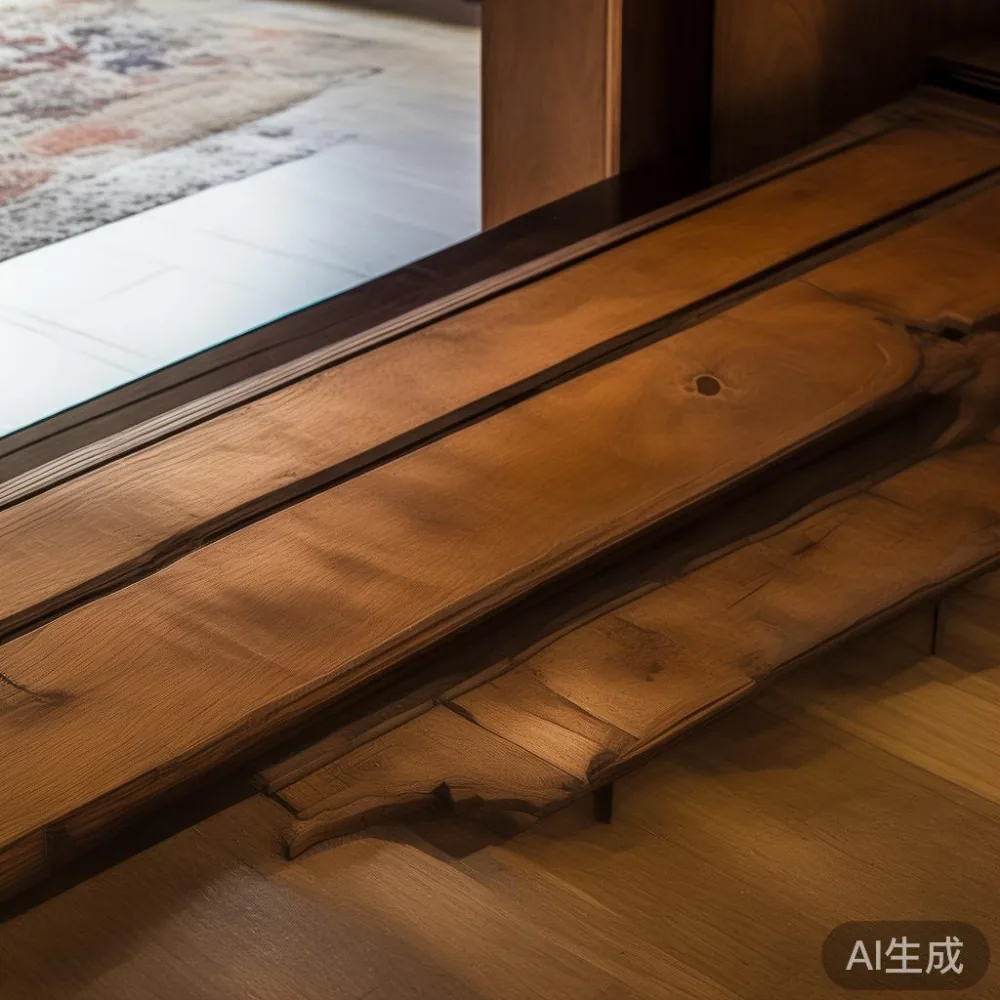
Most Singaporeans know that solid wood moves. Few realise how dramatically the dimensional change happens when the relative humidity shifts from 40% (an air-conditioned bedroom at 3am) to 80% (the moment you open the corridor door to let the delivery crew out). A 200cm lacquered headboard panel can swell by 0.8mm to 1.2mm across that swing, and the lacquer film, which is comparatively rigid, cannot always absorb the movement. The result is micro-checking along the grain, dull spots where the finish has hazed, or in the worst cases, the visible crack I saw in Bedok.
The lacquer used on light-luxury pieces from Foshan workshops is typically a multi-coat modified polyurethane or a closed-pore NC (nitrocellulose) build. The Chinese light-luxury category, which often borrows lines from French light luxury and American light luxury design, tends to layer 3 to 5 base coats plus a UV-cured top coat of around 25 to 35 microns. That film is what gives the deep, glassy pore-free surface people expect on a S$1,850 to S$4,200 dining table, but it is also the reason the wood underneath cannot breathe.
What humidity level should I actually keep in my bedroom?
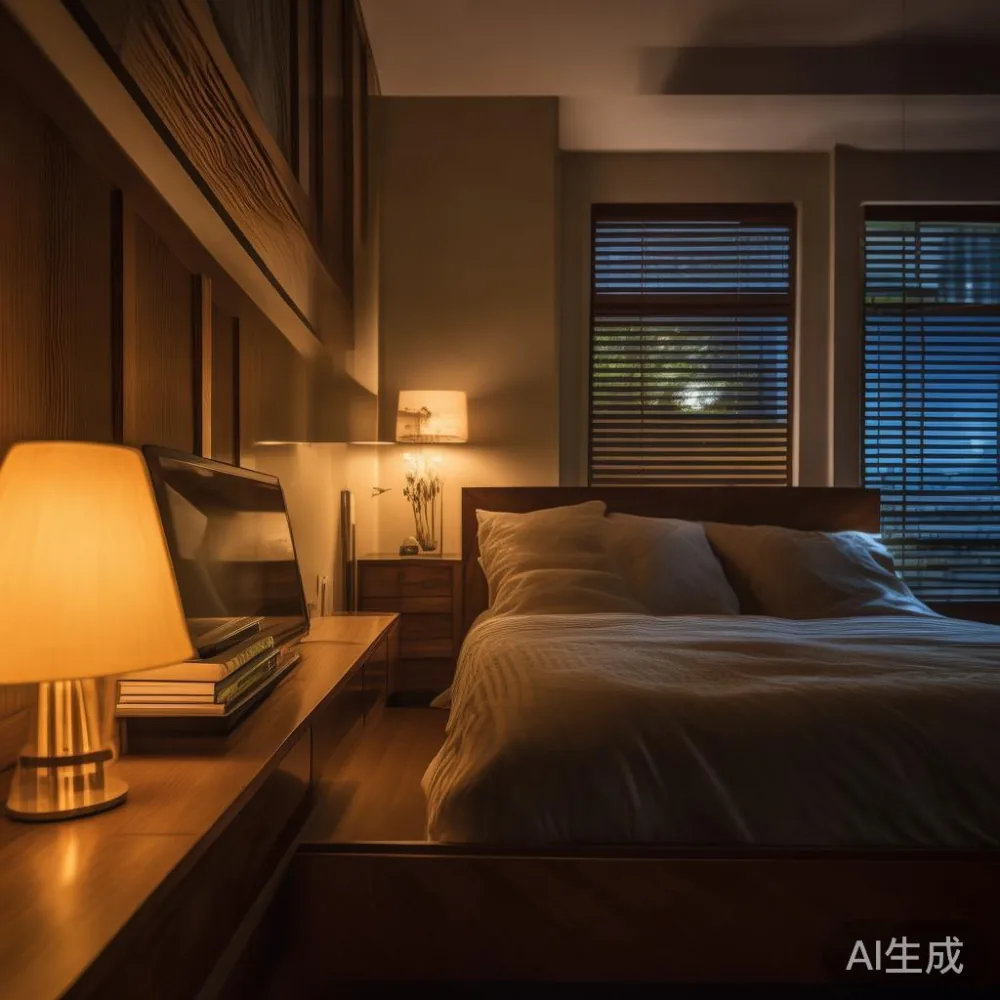
For a lacquered headboard and matching nightstand, aim for 45% to 60% relative humidity as a working range. Below 40% the timber loses moisture too quickly and the lacquer crazes. Above 70% the timber swells against the rigid film and the bond line fails. A small thermo-hygrometer costs S$12 to S$25 at any Tampines Mart or Bedok Mall electrical shop and is the cheapest insurance you can buy for a four-piece bedroom set. Place it on the inside wall, about 1.2m off the floor, never on an exterior wall where morning sun will skew the readings.
How should I clean a lacquered headboard without ruining the finish?
The routine is genuinely simple and takes less than 90 seconds per session.
1. Dust with a microfibre cloth (around 30cm square, washed without fabric softener) once a week. Softener residue is one of the main causes of the cloudy haze you see on imported sideboards.
2. For smudges, spray a fine mist of distilled water onto the cloth, not the wood. Hard water from a Tampines or Punggol tap leaves calcium spots within minutes on a polished surface.
3. Every four to six months, wipe down with a pH-neutral cleaner designed for lacquer, applied at a ratio of roughly 5ml per 500ml of water. Avoid anything containing silicone oil, ammonia, or citrus terpenes.
4. Dry with a second clean microfibre cloth within 30 seconds. Standing moisture is what raises the grain and dulls the sheen.
My colleague at MIDHILL keeps a labelled spray bottle in the utility cabinet of his Punggol condo. He told me the discipline matters far more than the product, and after watching his wife's vanity sideboard age gracefully over four years, I believe him.
Can direct afternoon sun damage a lacquered headboard or dining table?
Yes, and quickly. UV breaks down the polyurethane top coat at a rate of roughly 0.5 to 1 micron per year under unprotected south-facing glass. A lacquered headboard placed within 1.5m of an unfilmed window in a Punggol Waterway Ridge unit can develop amber yellowing on the sunward edge inside 14 to 18 months. The same goes for lacquered dining tables placed near balcony sliding doors. Solutions worth the spend:
- 3M or Llumar UV-filtering film, S$18 to S$32 per square foot installed, blocks 98% of UVA and UVB.
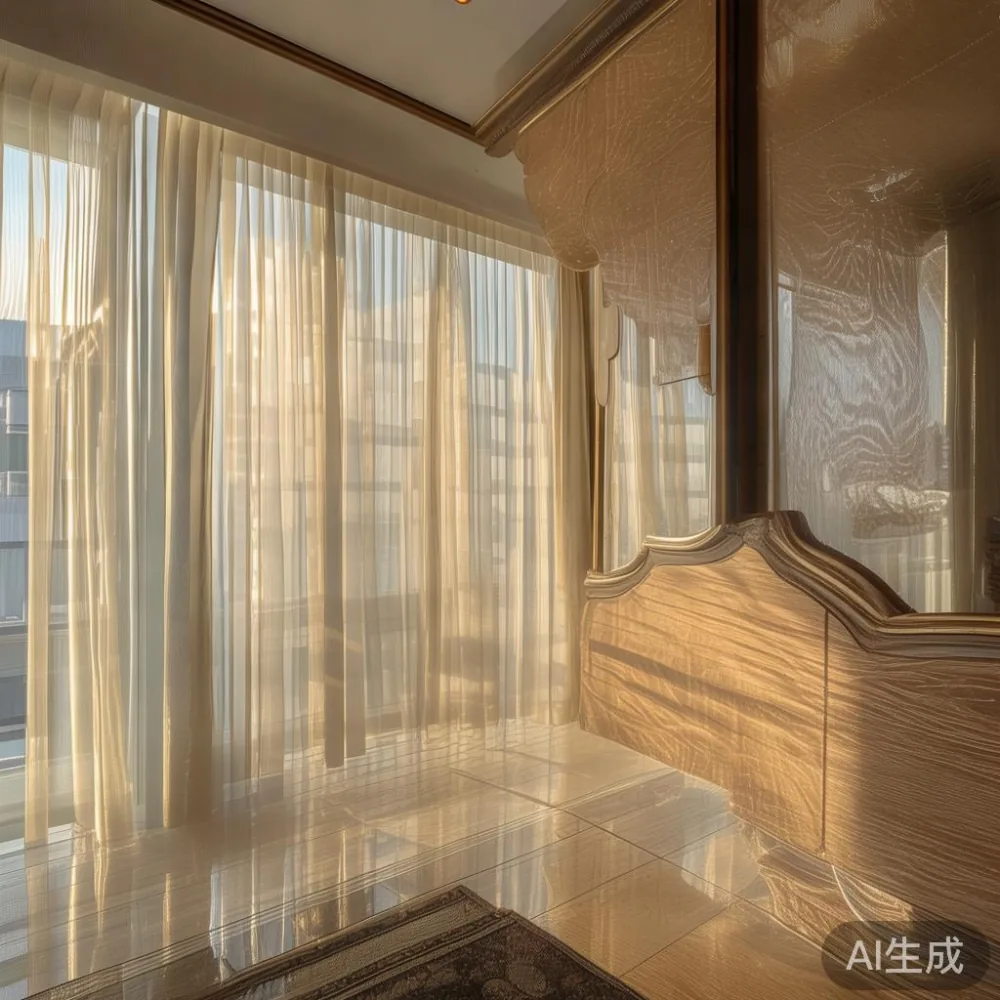
- Sheer linen curtains in a neutral oat or chalk colour, S$55 to S$140 per panel at IKEA Tampines, hung 5cm clear of the wood surface so air can circulate.
- Move the piece at least 60cm away from direct glass where layout allows. A 180cm bed frame in a 3.6m HDB master bedroom can usually sit opposite the window with room for a slim 45cm nightstand on each side.
Why does my HDB corridor and lift matter when a replacement panel arrives?
This is the question people forget to ask until the delivery crew is already at the lift lobby with a 2.4m-long wardrobe side panel. A standard Singapore HDB passenger lift measures roughly 1.1m wide by 1.4m deep with a door opening of about 0.9m. Many new BTO corridors in Punggol and Sengkang are 1.5m wide but the corners onto the lift lobby are tight. Before you place an order for any oversized solid wood piece, measure the diagonal from the lift entrance to your front door. If you are replacing a panel, ask the maker for the single-panel carton dimensions and the gross weight. A 240cm × 60cm × 6cm solid wood headboard panel arrives in a carton of roughly 250cm × 65cm × 12cm and can weigh 32kg to 38kg depending on the species. Two delivery men carrying 38kg up a 12-storey HDB block without a service lift is a recipe for both injury and damage.
Spare a thought for the cart path inside. Most HDB door frames are 0.91m wide and 2.03m tall. A 2.4m wardrobe panel will not pass standing up. It must tilt, which means you need a clear turning radius of roughly 1.6m in your foyer. If your entrance hallway is narrower, ask whether the maker can ship the piece in two pre-joined halves with a 4-bolt figure-8 fastener at the back.
What should I do if my lacquered surface already shows hairline cracks or dull spots?
First, do nothing drastic. Hairline cracks under 5cm long and under 0.3mm wide can usually be stabilised by addressing the room's humidity for three to four weeks. Run a dehumidifier set to 55% RH for six hours a day in the room. Avoid the temptation to fill the crack with wax or filler straight away. Trapped moisture inside the wood will then push the filler out within weeks.
For dull spots, a light buffing with a soft lambswool pad and a dedicated lacquer polishing compound (around S$28 to S$45 for a 200ml tin at a specialty car-care or woodworking store in Joo Chiat or Tanjong Pagar) can revive the sheen. Work in 30cm square sections, buff in the direction of the grain, and stop the moment the haze disappears. Over-buffing burns through the top coat. The manufacturers I trust, including MIDHILL, offer lifetime refinishing on most lacquered bedroom and dining pieces, and the workshop can usually return a piece to showroom finish inside 10 to 14 working days for a small service fee covering transport within Singapore.
How does the warranty and after-sales process actually work in Singapore?
A solid wood bedroom set built by a Foshan light-luxury workshop will normally arrive with a 10-year structural warranty against frame cracking, joint separation, and lacquer delamination not caused by external water damage. For Singapore GST purposes, the invoice you receive should show the 9% GST line item separately, and the CIF (cost-insurance-freight) basis matters when you compare landed cost between air freight and sea freight options. Air freight from Shenzhen to Singapore takes 5 to 7 working days at roughly S$9 to S$14 per kilogram depending on box size. Sea freight takes 14 to 22 days but runs around S$2.20 to S$3.80 per cubic metre for consolidated shipments. A full four-piece lacquered bedroom set in three cartons will often cross S$350 for free-shipping eligibility, which offsets part of the air-freight premium.
Keep the original wooden crate or foam-lined carton for at least 90 days. In the rare event of a transit crack, the workshop's claims team will ask for three to five photographs (whole piece, close-up of damage, packaging label) and the carton number before approving rework or replacement.
Is there a styling approach that protects lacquer while it looks good?
Yes, and this is where a few styling ideas double as preservation tactics. If you are wondering how to style European light luxury bed in apartment settings, think of it as a layering problem rather than a colour problem. The lacquered headboard and frame should sit inside a 60cm negative space from any textile on three sides: the wall behind, the nightstand on one flank, and the curtain on the other. A natural linen throw folded across the foot of the bed stops airborne skin oils from migrating onto the lacquered foot panel, which is the second-most-touched surface after the headboard.
For those deciding between a French provincial profile and a sleeker Parisian line, the distinction that matters in our climate is the leg base. A French provincial bed sits on a heavier carved plinth that traps floor moisture against the wood. A French light luxury line typically floats on 12cm to 18cm tapered legs, which lets air pass beneath. If you have read the debates on French sofa vs French provincial sofa you have probably noticed the same logic applied to seating: closed plinths collect grime, open bases breathe.
Guest rooms are often the place a Singapore household experiments with European silhouettes, and the same breathing rule applies when choosing European for guest room usage. An air-conditioned guest room that gets used twice a month still needs the dehumidifier to cycle for at least four hours a week on low, otherwise the lacquered headboard of the guest bed will craze quietly until the next Lunar New Year.
For owners comparing a European light luxury sofa against a Nordic sofa, the rule of thumb is straightforward: lacquered wood frames on European light luxury sofas in our market usually run 8% to 12% heavier in the frame than their Nordic counterparts, which means tougher delivery logistics but a sturdier feel once placed. In apartments with narrower corridors, this extra weight is worth factoring in before you commit.
If you are still working out how to style French bed in apartment layouts and want a sidebar reference point for a different lineage, the comparison between American bed vs Italian light luxury bed usually comes down to panel proportion. American lines favour wider horizontal headboards (often 200cm or more for a queen) which suits a 3.8m HDB master room, while Italian light luxury tends to go taller and narrower, which a smaller 3.2m condo bedroom can absorb more gracefully.
When should I call the workshop instead of trying a DIY fix?
Call the workshop if you see any of these signals: lacquer lifting off the substrate (called delamination), dark water rings deeper than the top coat, a musty smell coming from inside a wardrobe panel, or any crack longer than 8cm. A quick photo and a one-line description sent to the after-sales line, or dialled through to the export desk at MIDHILL on +86 188 2788 2512 during Chinese office hours (8am to 6pm CST), usually gets a same-day response. Keep your invoice, the carton label photos, and the date your piece was first exposed to the issue; the workshop's claims team uses these three pieces to triage.
What is a sensible long-term care calendar for lacquered bedroom furniture?
For a Singapore household, a 12-month rhythm works well. Weekly: microfibre dust, 60 seconds. Quarterly: damp-cloth clean with distilled water, under 5 minutes for a full bedroom set. Twice a year: pH-neutral polish, buff and dry. Annually: full humidity check with thermo-hygrometer calibration, and a visual inspection of any piece within 1.5m of a window for UV yellowing. Every three to five years: optional professional refinishing if the sheen has gone flat. Most owners in Tampines and Bedok find they only book the refinishing service at year six or seven, which is well within the design life of a solidly built lacquered bedroom set from a factory workshop with two decades of export experience.
The Bedok bed frame I inspected last month is heading back to the workshop for a panel replacement under warranty. The owners now own a S$19 thermo-hygrometer, a roll of UV film for the bedroom window, and a habit of leaving the corridor door closed during the air-con cycle. None of that cost them more than a single restaurant dinner, and it will keep the next headboard, the matching nightstand, and the lacquered dining table in the adjacent room looking like they were unpacked last week for the rest of their stay in their HDB flat.