How To Match A Headboard, Bed Frame And Side Pieces To A Warm Minimal Interior Without Crowding A Tampines Or Punggol Flat
I spent the first Saturday of last month inside a 92 sqm Punggol BTO with my colleague Priya, holding three different headboard samples against a warm beige feature wall while her husband measured the corridor with a steel tape. The lift at her block was 1.1 m wide, the corridor turning radius came to roughly 2.4 m, and the bedroom doorway opened to 0.85 m. None of those numbers are exciting on their own, but together they decided every piece of furniture we considered that afternoon. If you live in a Singapore HDB flat or a 60 to 110 sqm condo in Tampines, Bedok, Punggol or the greater East region, the same three numbers quietly decide what warm minimal looks like in your home, and what it never can.
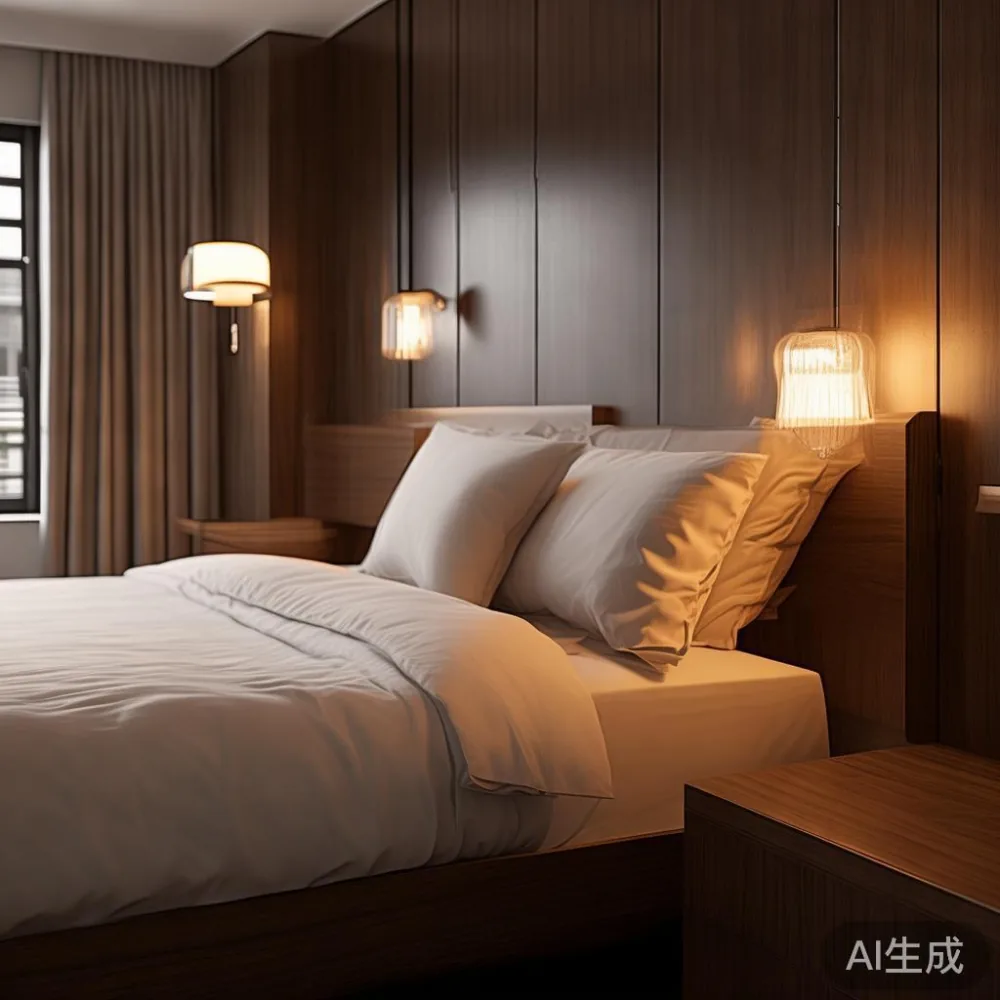
Warm minimal is not beige paint and an empty room. It is a slow, deliberate mix of cream, sand, oat, terracotta and quiet timber, with each piece pulling real weight. The hard part is doing this on a small footprint, with an HDB-approved renovation budget, and with one trusted piece per zone: a headboard behind the bed, a solid wood bed frame underneath it, a nightstand on each side, a slim dining table for four, a wardrobe that closes flush to the wall, and one marble table as the quiet hero in the living room. This guide walks through how I plan that layout for clients in Singapore, with prices in SGD, delivery timelines from a Foshan workshop like MIDHILL, and the lift widths and door clearances that quietly run the whole project.
What does warm minimal actually look like in a 90 sqm Singapore flat?
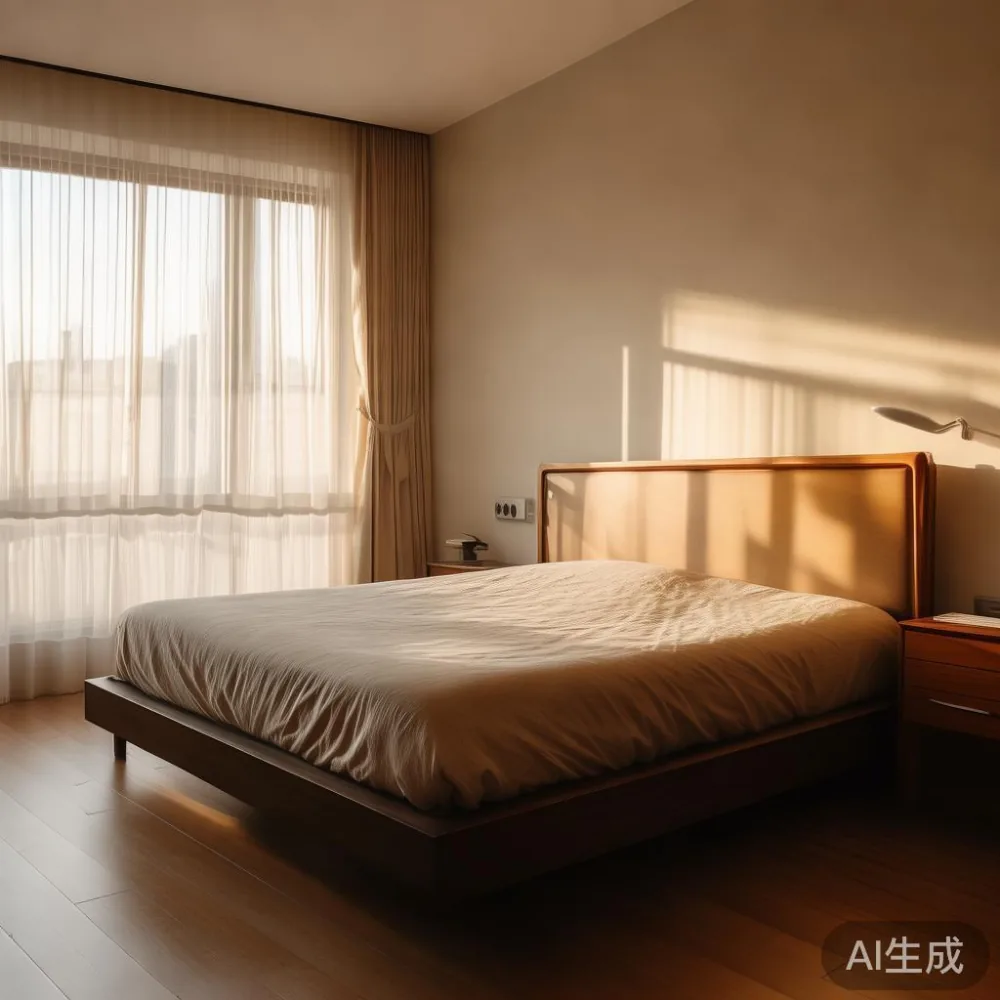
Warm minimal pairs a clean, low-detail silhouette with a warm, natural palette. Picture an off-white wall in a chalk finish, an oak-toned floor, a single large unframed artwork in sand and rust, a cream linen sofa, and a single solid wood piece such as a dining table or a headboard that adds texture without adding clutter. The trick is to keep silhouettes boxy and low, finishes matte, and colours within roughly a 10 to 15 step range on the warm side of the colour wheel. Anything cooler or sharper breaks the feeling.
For an HDB or condo in Singapore, three numbers shape every choice:
• Bedroom footprint. A typical HDB master bedroom runs from 9 to 12 sqm, a condo master from 12 to 16 sqm. Anything taller than the headboard will feel heavy.
• Door and lift clearance. Standard HDB bedroom doors measure around 0.85 m wide by 2.0 m tall, and lift doors run about 0.9 m wide by 2.1 m tall. Your tallest piece must clear those with at least 5 cm to spare for packaging.
• Corridors. HDB common corridors measure about 1.2 to 1.5 m wide. A king headboard at 1.8 m has to be carried on edge to clear the turn into the lift lobby.
Keep those numbers in mind every time a product page lists dimensions in cm and kilograms.
How do I choose a metal furniture for a small apartment?
Choose metal furniture for a small apartment by treating metal as a thin frame that supports a warm surface, not as a feature material on its own: pick a slim black or bronze metal base under an oak or rubberwood top, keep the profile under 75 cm in any direction, and make sure the legs are open enough to read as transparent against a small floor.
That single sentence is the rule I now use for every Singapore project where the client wants the warm minimal look but is worried about visual weight. A thin metal base under a solid wood top, a metal pull on a timber wardrobe door, a metal leg on a marble side table, all of these read as a clean line rather than a block. The metal disappears into the room, the warm surface carries the texture. In a 90 sqm BTO, that single trick usually recovers about 1.2 to 1.8 sqm of perceived floor space, which is the difference between a cramped bedroom and one that breathes.
Which solid wood pieces should anchor a warm minimal bedroom?
Anchor a warm minimal bedroom with three solid wood pieces: a headboard, a bed frame, and one nightstand, all in the same timber tone.
Here is the order I plan them, with dimensions that fit a Singapore master bedroom and lift:
1. The headboard. For a queen, I look for 160 cm wide by 110 to 120 cm tall, no more than 8 to 10 cm thick. For a king, 180 cm wide at the same height. Anything taller starts to dominate a 3 m HDB ceiling once you add a 25 cm bed frame plus a 20 to 25 cm mattress. Solid rubberwood or ash at this size lands between roughly SGD 480 and SGD 820 landed in Singapore, including the 9% GST shown on the invoice. Upholstered headboards in linen or bouclé push that to SGD 720 to SGD 1,400, but they soften the room, which is the point of warm minimal.
2. The bed frame. A low platform at 25 to 30 cm from the floor keeps the visual mass down. Solid rubberwood frames from a Foshan workshop weigh between 38 kg and 55 kg depending on size, which is light enough for two people to wheel through an HDB corridor. Prices run SGD 520 to SGD 1,100 for queen, SGD 680 to SGD 1,350 for king.
3. The nightstand. Two pieces at 45 to 50 cm wide by 40 cm deep by 55 to 60 cm tall, with one drawer and one open shelf, sit cleanly under a wall-mounted reading light. Expect SGD 180 to SGD 360 each.
If you want a single supplier for the three, MIDHILL works in matching rubberwood and ash, which is what I usually specify for clients who want the room to read as one quiet composition rather than three matched-but-not pieces. Buying headboard, bed frame and nightstand from the same maker also keeps the timber grain within the same colour batch, which matters more in warm minimal than in any other style.
How should a dining table, wardrobe and marble table fit into the same room?
Match a dining table, wardrobe and marble table by repeating the same warm timber tone across two pieces, the same matte black or bronze metal across the hardware, and the same low silhouette across all three.
Concretely, here is the recipe I use for a four-person HDB dining corner:
• A solid wood dining table at 140 cm long by 80 cm wide by 75 cm tall, with a 4 to 5 cm thick rubberwood or ash top on slim black metal legs. This size seats four adults comfortably and fits the standard 2.4 to 2.7 m HDB dining run. Prices from a Foshan maker land in Singapore between SGD 780 and SGD 1,450 including GST.
• A wardrobe that runs floor to ceiling at 240 cm high by 180 to 240 cm wide by 60 cm deep, in the same rubberwood tone as the bed frame and headboard, with push-to-open doors so the face stays clean. Sliding doors save the 0.7 m swing clearance that hinged doors demand, which is a quiet win in a small bedroom.
• A marble table in the living room. Here I deliberately break the wood rule. A 90 cm round or a 100 by 60 cm rectangular marble table, with a Carrara or warm grey vein, on a thin bronze or black metal base, becomes the single cool note that makes the warm timber sing. Prices run SGD 520 to SGD 1,180 landed. Keep veining soft and grey rather than sharp black, so the marble reads as quiet, not loud.
This trio gives a Singapore flat exactly what warm minimal needs: one timber thread running through the bedroom and dining, one cool stone moment as punctuation, and one shared metal finish tying it together. It is the same logic the French call "light luxury" and the Americans now market as American light luxury, scaled to a 92 sqm Punggol BTO.
What specs actually matter on a Singapore product page?
Five specs decide everything on a Singapore product page: dimensions in cm, weight in kg, timber species, finish type, and packaging volume.
Read them in this order:
1. Dimensions in cm, not inches. A 180 cm headboard clears a 0.9 m HDB lift door on edge only if the packaging is under 185 cm long. Always ask the seller for the carton size, not the bare product size.
2. Net weight in kg. Anything above 60 kg usually needs two delivery men and a tail-lift van, which adds roughly SGD 60 to SGD 120 to the Singapore delivery fee.
3. Timber species. Rubberwood, ash, oak and walnut each behave differently. Rubberwood is the most stable in Singapore humidity, which sits at 70 to 85% most of the year. Ash and oak are fine if the maker has kiln-dried them below 10% moisture content. Walnut is beautiful but moves more in air-conditioned bedrooms, so I avoid it for wardrobe doors over 2 m tall.
4. Finish type. Water-based matte lacquer, hard wax oil, or a painted finish. For warm minimal, hard wax oil on rubberwood gives the softest, most natural look and is easy to refinish every 5 to 7 years.
5. Packaging volume in cubic metres. This drives shipping cost. A king bed frame usually ships at 0.35 to 0.45 m³, a queen at 0.25 to 0.35 m³. Sea freight from Foshan to Singapore runs 18 to 26 days door-to-door for consolidated orders, which is what a small Singapore importer like MIDHILL uses, and landed costs typically come in 12 to 18% below air freight for a full bedroom set.
If the product page hides any of these five numbers, walk away. Warm minimal only works when the piece actually fits the lift, the corridor, and the room.
How does the Singapore delivery and warranty side actually work?
Singapore delivery for a full Foshan solid wood bedroom set takes 25 to 45 days door-to-door, including 18 to 26 days of sea freight, 3 to 5 days for customs clearance and GST registration, and 2 to 4 days for last-mile delivery to your HDB or condo unit.
Here is what I tell my clients to budget for, in real numbers:
• Sea freight per cubic metre, Foshan to Singapore: SGD 110 to SGD 180.
• 9% GST on the full landed value, payable at Singapore customs.
• HDB-approved delivery window: weekday evenings after 7 pm, or weekends 10 am to 6 pm. The Town Council usually requires lift bookings for items over 1.8 m tall.
• Condo delivery: most managements in Tampines and Bedok require a contractor pass and a loading bay slot booked 48 hours in advance, which adds SGD 30 to SGD 60 to the delivery fee.
• Installation: 60 to 90 minutes for a bed frame and headboard, 2 to 3 hours for a full wardrobe.
• Warranty: a 10-year structural warranty on solid wood frames is the minimum I accept for Singapore humidity. MIDHILL publishes a 10-year structural warranty on its solid wood beds, wardrobes and dining tables, which is one of the reasons I specify it for clients who want long-term coverage. Their lifetime refinishing service also means a headboard or dining table can be sanded and re-oiled in their workshop every 8 to 12 years, which matters in a climate that punishes lacquer.
Returns and damages are the next thing clients ask about, and the answer is usually shorter than people expect. A clear, written policy should cover three things: a 14-day return window for unused pieces in original packaging, a 48-hour damage reporting window with photo evidence, and a defined process for replacement parts such as a cracked slat or a chipped marble edge. If you are buying from a Foshan workshop that ships direct to Singapore, ask for the sage rubberwood return policy in writing before paying the deposit. The phrase sounds specific, but it is just a useful shorthand for a maker who is honest about rubberwood returns: rubberwood is a plantation timber, so the return window usually matches the rest of the solid wood range rather than getting treated as a special case, and a fair policy will say so on paper.
What does a realistic warm minimal package cost in SGD?
A realistic warm minimal package for a Singapore HDB or small condo lands between SGD 4,800 and SGD 9,200 for one bedroom, one dining corner, one living room hero, and one wardrobe, all in solid wood with one marble accent.
A typical breakdown for a client like Priya in Punggol looks like this:
• Queen headboard in rubberwood with linen upholstery: SGD 820
• Queen solid wood bed frame: SGD 880
• Two nightstands at SGD 260 each: SGD 520
• Six-door sliding wardrobe, 240 by 240 cm, rubberwood: SGD 2,100
• Four-seat dining table, 140 by 80 cm, rubberwood top on black metal: SGD 1,050
• Marble side table, 90 cm round, warm grey vein: SGD 940
• Sea freight, GST at 9%, HDB delivery, installation: SGD 820
• Total: SGD 7,130
Step down to a starter HDB and the same plan in smaller sizes lands near SGD 4,800. Step up to a full king bedroom set with an American light luxury wardrobe and a larger Carrara marble dining table, and the same package reaches SGD 9,000 to SGD 9,200 before shipping. Either way, the layout stays the same: one warm timber thread, one cool stone moment, one shared metal finish, and a headboard that quietly sets the tone for every other piece in the room.
What mistakes should I avoid when matching solid wood furniture to a warm minimal interior?
Avoid five mistakes: mixing three or more timber tones, choosing cool grey or white-washed finishes, ignoring lift and corridor clearances, skipping a single hero piece, and treating the marble table as an afterthought.
Each one breaks warm minimal in a different way:
• Three timber tones fight each other. Pick one warm tone, repeat it on at least three pieces, and stop.
• Cool grey and white-washed finishes push the room Scandinavian, not warm minimal. If the floor is light oak, keep furniture within two shades either side of it, never greyer.
• A king headboard that will not fit the HDB lift is not a bargain, even at 30% off. Always check the packaged size before paying.
• Without one hero piece, warm minimal drifts into beige nothing. Make the hero the headboard in the bedroom, the marble table in the living room, or the dining table in the dining run, but pick one.
• A cheap, sharply veined marble table pulls the eye and breaks the calm. Spend a little more on softer veining and a thinner metal base, and the room will look twice as expensive.
Get these five right and a small Singapore flat reads as warm, calm and quietly expensive, with a solid wood bed frame, a single upholstered headboard, a matching nightstand, a slim dining table, a flush wardrobe, and one marble table doing the quiet heavy lifting. That is the whole point of warm minimal, and it is something a 92 sqm Punggol BTO can absolutely hold, as long as the numbers behind the furniture add up before the furniture itself goes up the lift.