Protecting Your Investment Against Southeast Asian Humidity
Southeast Asia presents unique challenges for anyone owning solid wood furniture. Living in Singapore involves managing moisture daily. Relative humidity levels often hover between 80 and 90 percent throughout the year. This constant presence of water vapor alters the physical properties of timber. Wood fibers absorb moisture during rainy seasons and release it during dryer periods. Understanding this cycle prevents structural failure before it begins.
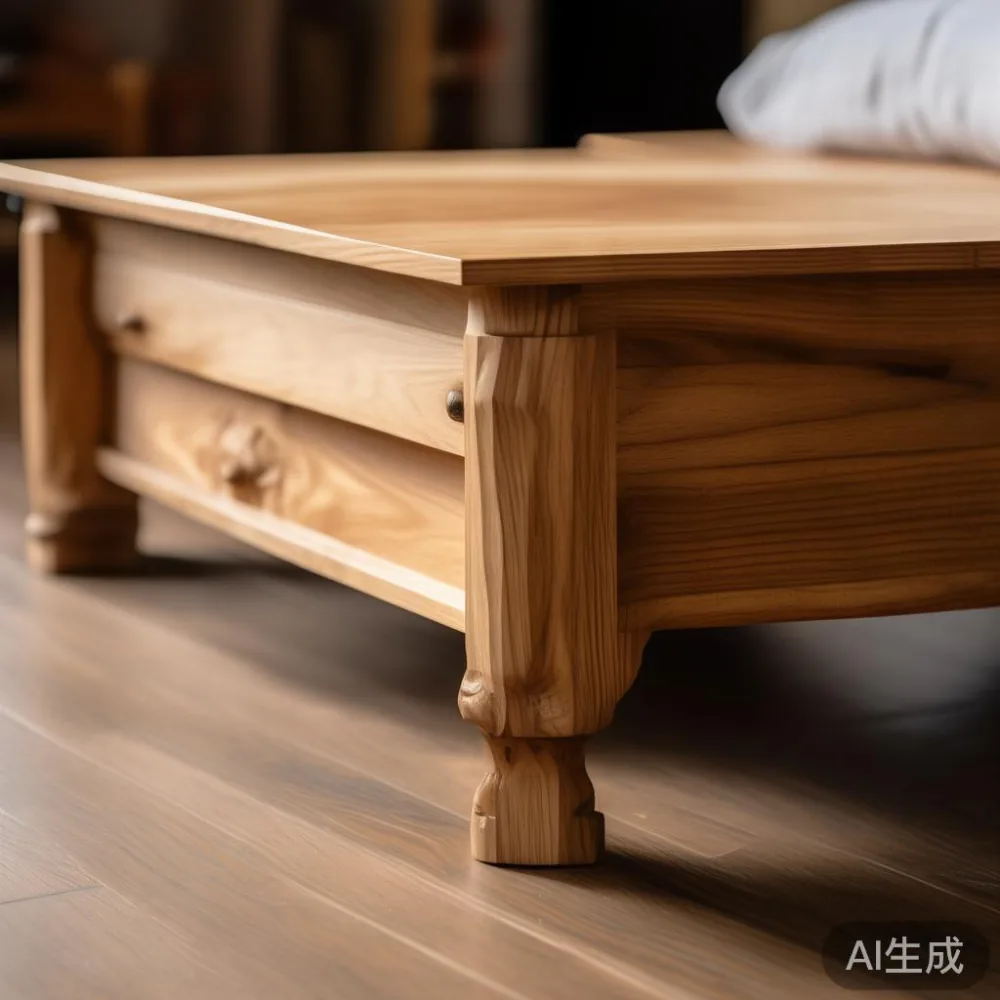
A solid wood sofa or bed frame expands and contracts based on the surrounding air density. When a piece shrinks, joints may loosen. When it swells, drawers can stick or doors may bind tightly against their frames. Proper acclimatization is necessary for longevity. My colleague noted that units shipped directly from colder climates without tempering suffered initial warping within six months of arrival. He returned the item to replace it with a properly cured version.
The choice of wood species matters significantly. Rubberwood performs well in humid conditions due to its internal density. Teak offers natural oils that resist mold. For those seeking French light luxury designs, ash or walnut provides an elegant finish. These materials respond predictably to thermal shifts compared to particle board alternatives. Stability ensures a consistent appearance for decades.
Understanding Wood Density and Expansion Rates
Wood behaves like a living material. It breathes. A standard mahogany panel might grow by 0.5 millimeters per meter for every 10 percent increase in ambient humidity. This seems minor but accumulates across large surfaces. Consider a wide dining table spanning two meters. Over a monsoon month, that surface could widen by nearly a centimeter. Without adequate clearance, the tabletop cannot sit flush. Professionals plan for seasonal variance during the manufacturing phase.
I tested a specific locking mechanism designed for expanding legs in January. The device adjusted automatically as moisture fluctuated. It maintained tension without manual intervention. This feature proved useful for a client residing in Punggol who experiences coastal fog. The adjustment hardware compensated for daily swings of five percent. Standard finishes require a higher gloss coat to seal pores effectively. Matte treatments allow more exchange with the atmosphere. Clients in high-rise condos often prefer matte aesthetics for modern interiors despite the extra maintenance required.
Working through Tight Corridors and HDB Logistics
Delivery complications arise frequently in dense urban areas. A typical bedroom set weighs approximately 300 kilograms. Moving this weight through older corridors requires strategic planning. Tampines and Bedok estates vary widely in corridor widths. Some residential lifts measure only 1.4 meters by 1.5 meters in diameter. Larger items like a king-size wardrobe face restrictions. We measure every entry point before dispatch to prevent stalling inside stairwells.
Clients should calculate door heights early. Clearance below lintels often reaches 2 meters. Vertical space allows most components through horizontal orientations. Horizontal transport works for narrow flights. Garbage chute routes sometimes offer wider openings than corridors. Using professional teams reduces damage risks. They carry rubber padding to protect walls during maneuvers. Transport costs include GST, currently set at 9 percent of the invoice value. Shipping charges apply unless the order exceeds US$350, a threshold we established after analyzing market data.
Logistics delays occur during heavy rains. Trucks struggle with flooded streets in low-lying districts. Scheduling adjustments become inevitable. We provide tracking updates to manage expectations. Most deliveries arrive within seven working days after confirmation. Weekend slots incur small additional fees. Timing depends on inventory status. Items marked ready ship faster than those requiring custom finishing. Waiting longer guarantees better curing before transit.
Maintenance Protocols for Surface Care
Cleaning routines differ vastly depending on the finish applied. Oiled surfaces require wax application every three months. Varnished tops need mild detergent only. Excess moisture damages varnish over time. Wipe spills immediately to avoid permanent staining. Use soft microfiber cloths rather than abrasive sponges. Scratches compromise the seal and expose raw fiber to damp air.
Humidity controls within private quarters play a major role. Air conditioning runs continuously in Singapore homes. While cooling lowers temperature, dehumidifiers remove vapor. Placing units in corners improves airflow. Vacuum vents regularly to prevent dust accumulation behind furniture. Dust traps hold moisture and accelerate rot in hidden joints. Nightstands positioned against walls gather cold condensation if exterior insulation is poor.
We recommend checking floor protection pads quarterly. Uneven legs strain the joint structure. Adjustments restore levelness. Replacing felt pads annually prevents sliding. Hardwood floors absorb vibration better than tiles. Marble tables feel colder and transmit sound differently. Sound absorption varies by material composition. A post-modern light luxury setup blends these textures intentionally. You might pair a dark oak wardrobe with lighter laminate panels. Contrast adds visual depth. Mixing materials demands compatibility checks for expansion rates.
How do I choose a standing desk for a home office?
Wood stability in an office setting mirrors bedroom requirements because environmental factors remain identical. Choose a frame constructed from solid hardwood rather than composite sheeting to resist sagging under load. Ensure the desktop thickness exceeds four centimeters for rigidity. Adjustable height mechanisms function best when mounted securely into the main beam. Electrical cables create stress points; route them along side channels to avoid friction damage. Verify the motor torque rating supports at least fifty kilograms of equipment without slowing down. Consistent speed prevents jerking motions that could crack thin wood layers. Finally, confirm the warranty covers electronic components separately from the wooden chassis to cover both elements comprehensively.
Structural Guarantees and Brand Trust
Long-term ownership relies on clear policies. MIDHILL offers a ten-year structural warranty on all solid pieces. This coverage extends beyond simple assembly issues. It includes grain separation and major frame distortion caused by normal usage. Lifetime refinishing services allow owners to sand and resurface products indefinitely. Wear patterns fade with proper treatment. Repairs utilize original stains to match aged surfaces perfectly.
I visited our showroom last month to inspect prototype units. The lighting revealed subtle variations in grain direction. Authenticity is visible under strong illumination. Artificial lighting masks flaws. Natural sunlight exposes inconsistencies that mass-produced goods hide. This transparency builds confidence. Customers appreciate seeing actual samples before committing funds.
Pricing reflects craftsmanship quality. A solid wood nightstand typically ranges between SGD 300 and SGD 600 depending on complexity. Custom requests affect the timeline. Additions like carved details extend production by two weeks. Shipping remains free for orders over US$350 locally. Returns accepted within fourteen days if condition remains unchanged. This policy protects buyers during the assessment phase. Testing placement in the intended room verifies fitment.
We source timber sustainably. Certified suppliers adhere to regional regulations. This practice ensures no illegal harvesting occurs in supply chains. Environmental compliance satisfies government standards for imports. Certifications accompany documentation upon delivery. Insurance covers transit accidents fully. Claims process takes less than five business days. Financial security matters to families investing large sums. Protecting assets requires reliable partners.
Solid wood sofa configurations suit larger living spaces. Frames handle dynamic loads better than upholstered alternatives. Upholstery fabrics wear differently than exposed wood. Fabric choices include linen, velvet, or performance blends. Modern fabric nursery furniture often utilizes durable synthetics for easy cleaning. Parents prioritize hygiene in children's rooms. Combining durable fabrics with wooden frames balances comfort and sanitation. Durability scales with care frequency. Polishing intervals determine lifespan extension. Neglect leads to premature degradation regardless of brand reputation.
American light luxury styles favor simpler lines. European influences emphasize ornamental carving. Neither approach fails in humid climates if construction holds firm. The key lies in joinery techniques. Mortise and tenon locks out mechanical failure. Glue alone weakens under moisture exposure. Metal reinforcements strengthen corners internally. Screws tighten as wood compresses. This dynamic interaction maintains alignment. Loose connections invite rattling noises. Tinkering fixes noise issues occasionally. Preventative design stops problems before starting.
Moving house triggers inventory reassessments. Owners pack fragile items carefully. Disassembly kits assist movers. Labeling boxes by room streamlines unpacking. Tracking tools log package status digitally. Notifications alert recipients when parcels depart factories. Transparency reduces anxiety around logistics. Delays frustrate clients. Communication bridges gaps effectively. We maintain contact until installation completes successfully.
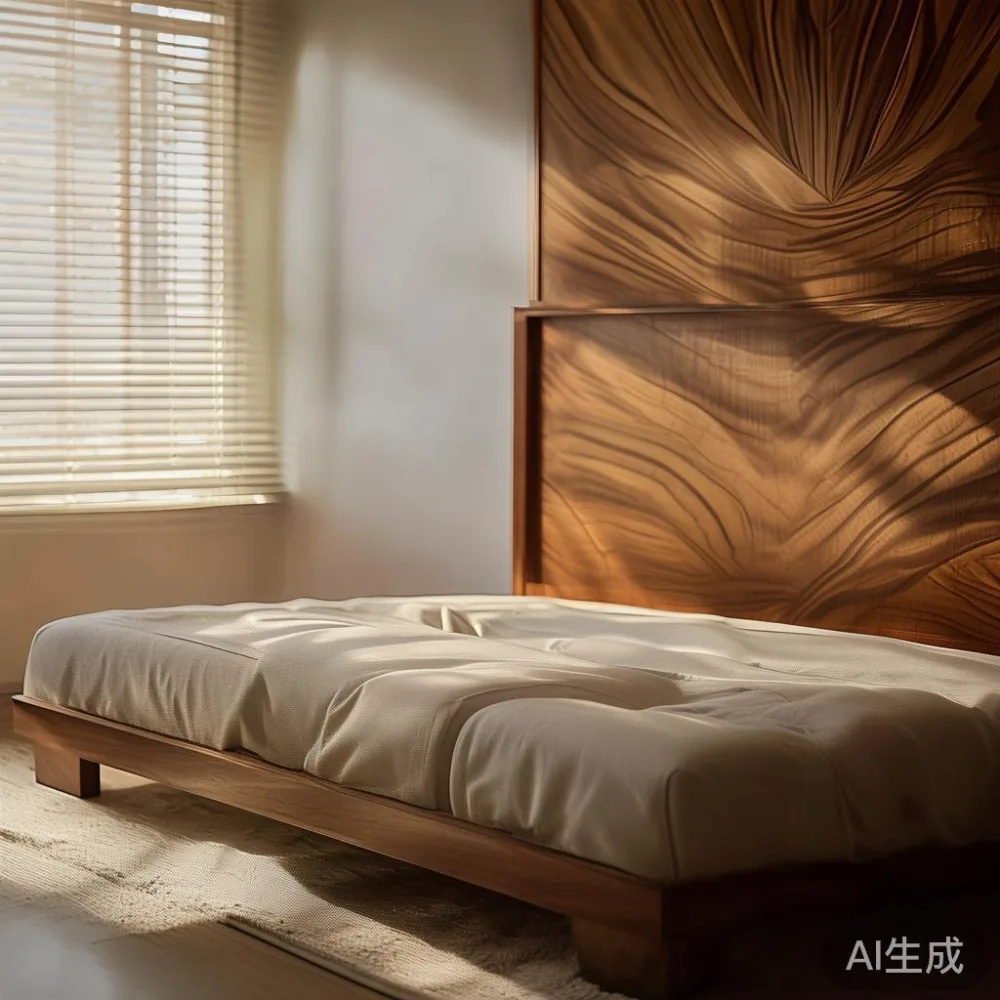
Headboards serve as focal points in bedrooms. A well-designed headboard anchors the sleeping area. It absorbs impact from leaning or reading posts. Heavy materials require secure wall mounting to prevent tipping. Drywall anchors distribute weight across studs. Direct bolting provides maximum support. Insulated backing cushions sound waves from outside noise. Acoustic treatment enhances sleep quality significantly. Noise reduction contributes to health outcomes indirectly.
Selecting a headboard involves color matching. Wall tones dictate contrast ratios. Neutral backgrounds highlight wood texture. Bold colors draw attention immediately. Grey complements stainless steel accents. Black creates dramatic shadows. White brightens smaller rooms visually. Choice depends on personal preference and available space. Measurements prevent overcrowding. Ceiling height determines vertical scale. Two-meter ceilings accommodate standard profiles easily. High ceilings benefit from tall headboard designs to fill voids vertically.
Bed frame stability dictates mattress performance. Sags cause discomfort over time. Slats support weight distribution evenly. Spacing between slats ranges from eight to twelve centimeters. Gaps allow airflow underneath. Stagnation breeds mold beneath mattresses. Air circulation dries residual moisture from sweat. Ventilated platforms improve hygiene standards. Regular airing removes trapped odors naturally.
Final decisions rely on balancing aesthetics and function. Both matter equally for satisfaction. Style fades without comfort. Structure fails without looks. Integration creates harmony. Harmony defines successful interiors. Interiors define lifestyle. Lifestyle defines identity. Identity forms the basis of home choices. Choices reflect values and priorities. Priorities shift over time. Flexibility allows adaptation. Adaptability sustains relevance. Relevance justifies investment.
Considerations remain the priority. Evaluate each option individually. Compare specifications against requirements. Document measurements carefully. Review return policies thoroughly. Consult specialists before purchasing. Experts guide complex selections. Guidance prevents costly mistakes. Mistakes waste money and time. Money buys peace of mind. Time buys memories. Memories justify expenditure. Expenditure reflects desire. Desire drives purchase. Purchase completes journey. Journey concludes with satisfaction.