Preserving the Gloss: A Guide to Caring for Lacquered Headboards in Singapore's Tropical Climate
For many homeowners in Singapore, a beautiful headboard is the centrepiece of the bedroom, a statement of style and comfort. In a city where HDB flats in Tampines and Bedok, or modern condos in Punggol, often feature compact master bedrooms, a well-designed headboard can define the entire space. The allure of a lacquered surface, with its deep, reflective sheen, is undeniable. It speaks of a French light luxury aesthetic, clean lines, and a touch of understated glamour. However, Singapore's relentless tropical climate, with its average annual rainfall of 2,346 mm and ambient humidity levels hovering around 80%, presents a unique challenge for maintaining such a pristine finish. The combination of high humidity, intense UV radiation, and daily temperature fluctuations can wreak havoc on lacquer if not properly cared for. This guide provides a comprehensive, practical approach to ensuring your lacquered headboard retains its lustre for years to come, drawing from the principles applied to fine solid wood furniture.
Understanding Your Lacquered Headboard
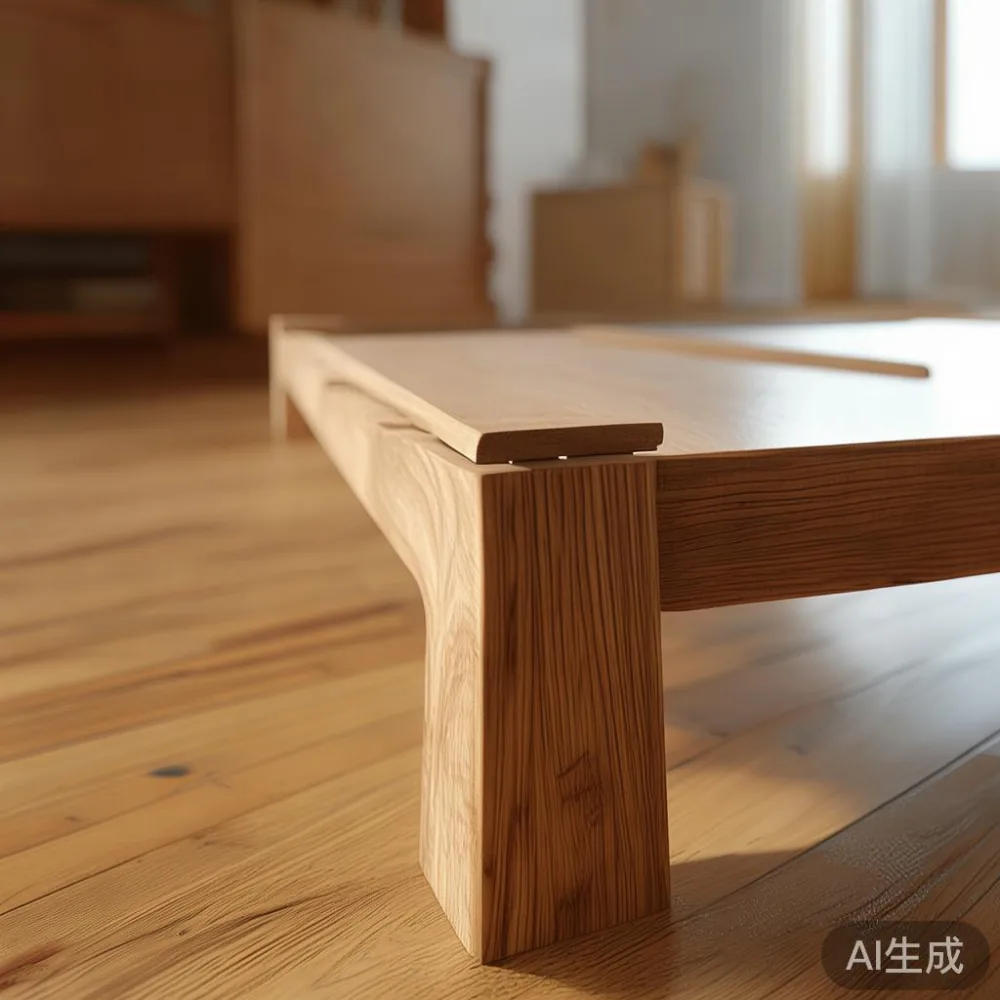
A lacquered headboard is not merely a piece of wood painted with a shiny coat. The process involves multiple layers of a clear, hard resin applied over a prepared wood base. This base is often solid wood like oak or walnut, chosen for its stability and grain. Each layer is sanded and polished before the next is applied, building up a deep, glass-like surface. This finish is what gives the headboard its characteristic gloss and smooth feel. The quality of this lacquer job is paramount; a high-quality application, like those found on a MIDHILL bed, will be more resistant to yellowing and minor scratches. It's important to understand that while lacquer is durable, it is not invincible. It is a film sitting on top of the wood, and its integrity can be compromised by environmental factors and improper cleaning methods.
Why Singapore's Climate Poses a Unique Challenge
The Singaporean climate is a test of endurance for any piece of furniture, but especially for a lacquered headboard. The high humidity, often exceeding 85% during the monsoon season, is the primary enemy. Moisture in the air can slowly seep into the wood beneath the lacquer over time. This doesn't cause immediate water spots, but it can lead to a subtle, hazy appearance under the surface or, in more severe cases, cause the wood layers to expand and contract, putting stress on the rigid lacquer film and potentially leading to cracks. Also, the intense equatorial sun, with UV levels reaching a peak index of 12 on a clear day, can cause the lacquer to oxidize and yellow, dulling the brilliant white or vibrant colour of your headboard. Air conditioning, a staple in Singaporean homes, provides a respite but also creates micro-climates of very dry air, which can cause the wood to contract, potentially stressing the finish. A colleague of mine who moved from a temperate climate to Singapore noticed her beautiful white lacquered headboard started to develop a slight yellow tinge after just 6 months, a direct result of the UV exposure and the city's air quality.
Is American wardrobe worth it when considering bedroom humidity?
This question often arises when homeowners are furnishing their bedrooms. While an American wardrobe might offer vast storage and a bold, solid presence, its construction and finish must be suitable for a humid environment. Similarly, the choice of a headboard is just as important. A high-quality lacquered headboard, like those from brands that understand local conditions, will be sealed with a UV-resistant and moisture-resistant lacquer. When selecting furniture for your Singapore home, whether it's a European light luxury sofa for the living room or a headboard for the bedroom, the finish's ability to withstand the local climate is a key consideration. It's not just about aesthetics; it's about longevity. A headboard that can resist the effects of humidity and UV will maintain its value and appearance far longer than one that cannot.
Daily and Weekly Care Routine
Maintaining a lacquered headboard in Singapore requires a simple but consistent routine. The goal is to remove dust and surface grime without introducing any moisture or harsh chemicals that could damage the finish. For daily upkeep, a soft, dry microfiber cloth is your best friend. A cloth approximately 40cm by 40cm is ideal for getting into the corners and curves of the headboard. Gently wipe down the surface in a single direction to lift away dust particles. Once a week, a more thorough cleaning is advisable. Dampen a separate, clean microfiber cloth with distilled water. Distilled water is preferred as it lacks the minerals found in tap water, which can leave behind a filmy residue. Wring the cloth out thoroughly until it is only slightly damp, not wet. Wipe the headboard surface, immediately followed by a dry microfiber cloth to buff the surface to a shine. This two-step process ensures no moisture is left behind to seep into the wood or lacquer.
Handling Spills and Stubborn Marks
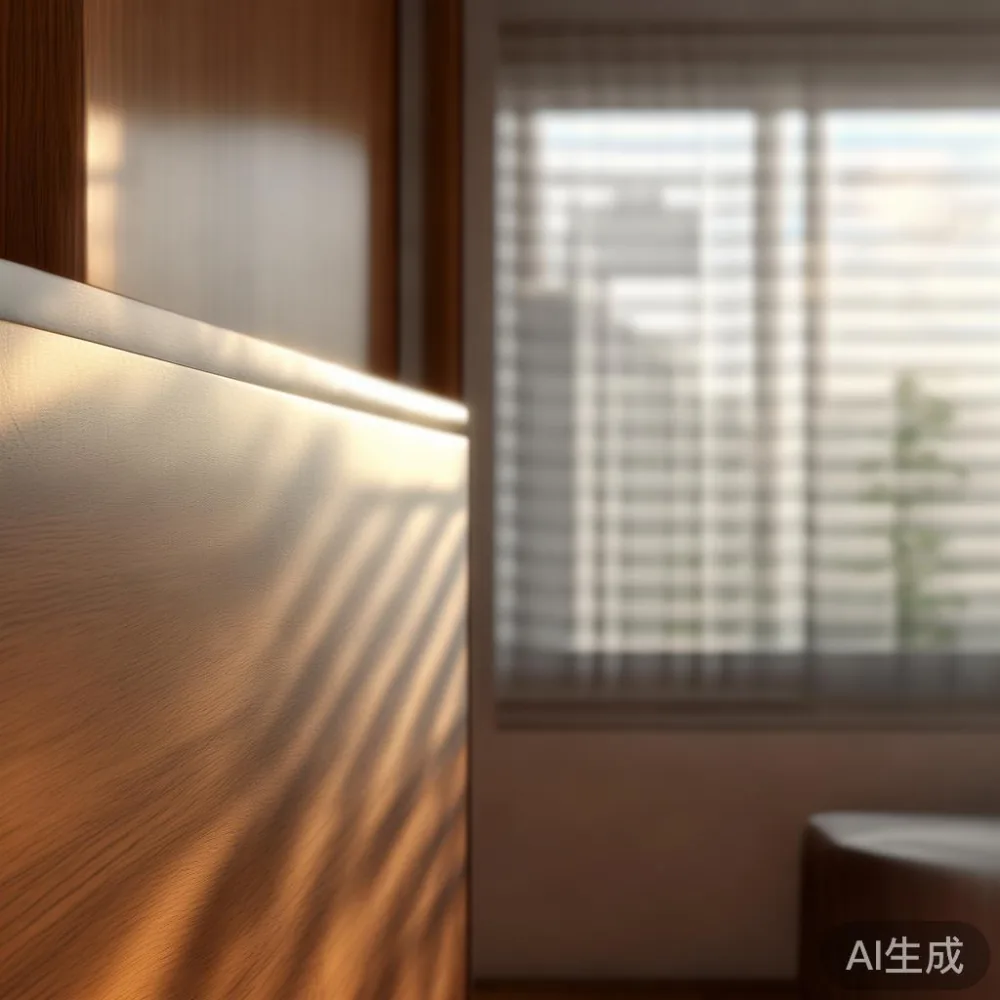
Accidents happen, especially in a humid climate where condensation can form on a cool surface. If a spill occurs on your lacquered headboard, immediate action is critical. Do not let the liquid sit. Grab a soft, absorbent cloth and gently blot the area. Never rub, as this can spread the stain and potentially scratch the soft lacquer surface. For water rings, which can form from a cold glass resting on the finish, the approach depends on the severity. For a very faint mark, buffing with a dry microfiber cloth might be sufficient. For more persistent marks, you can try a specialized furniture polish designed for lacquered surfaces. Apply a tiny amount, no more than a pea-sized drop, onto a clean cloth and work it in gently. Avoid using common household cleaners like Windex or vinegar solutions, as their acidity can permanently damage the lacquer.
Seasonal Maintenance and Protection
Singapore's climate doesn't have four distinct seasons, but it does have a wet season (November to January) and a drier season (February to May). During the wet season, the humidity peaks. This is when extra vigilance is needed. Ensure your bedroom is well-ventilated. If you have an air conditioner, run it to dehumidify the air, keeping the relative humidity below 70% if possible. Consider placing a dehumidifier in the room, especially if it's an interior room with no windows. During the drier season, the air can be very arid due to heavy air conditioning use. This can cause the wood in your headboard to lose moisture and contract. To combat this, you can use a humidifier in the room or place a small bowl of water near the headboard to gently increase the ambient humidity, preventing the wood from drying out and cracking.
How to Style Japanese Sofa in Apartment with a Matching Headboard
Creating a cohesive bedroom design is about harmony. If you have chosen a minimalist Japanese sofa for your living area, you might be inspired by a similar aesthetic for your bedroom. A Japandi for guest room style, which blends Japanese minimalism with Scandinavian functionality, can be beautifully complemented by a simple, clean-lined headboard. Think of a low-profile, platform-style headboard in a light oak or a matte black finish. This approach avoids the ornate details of a traditional French style and aligns with the understated elegance of the Japanese sofa. The key is consistency in material and form. This cohesive styling creates a smooth flow between spaces, making your entire home feel thoughtfully designed and unified.
Preventing Long-Term Damage: Placement and Care
Where you place your headboard can significantly impact its longevity. Avoid positioning it directly opposite a window that gets direct morning or afternoon sun. The UV radiation is the primary cause of yellowing and degradation. If possible, use curtains or blinds to filter the sunlight. Also, be mindful of placing your headboard near an air conditioning vent. The constant blast of cold, dry air can dry out the wood and lacquer over time. If you must place it near a vent, ensure there is at least a 50cm distance between the vent and the headboard. When moving the headboard, always lift it. Never drag it across the floor, as this will scratch both the floor and the bottom of the headboard. If you need to clean behind it, have a helper lift it a few centimetres while you quickly vacuum or mop the area.
European Light Luxury Sofa vs Japandi Sofa: Which Finish is More Resilient?
This is a common dilemma for homeowners. A European light luxury sofa often features rich, deep colours like navy blue or forest green, paired with polished brass or chrome legs. The lacquer used is typically high-gloss and designed to make a bold statement. A Japandi sofa, on the other hand, favours natural wood tones, neutral fabrics, and a matte or satin finish. In terms of resilience in a humid climate, the Japandi finish might have a slight edge. Matte and satin finishes are less likely to show fine scratches and the hazing effect that can occur with high-gloss lacquer in very humid conditions. However, a high-quality European light luxury furniture piece will use a superior, multi-layered lacquer that is specifically formulated to be moisture and UV resistant. The choice, therefore, comes down to personal style and the specific environment of your home. A well-made sofa from either style, when properly cared for, will last for many years.
When to Call a Professional
While regular maintenance can handle most issues, there are times when professional help is necessary. If your lacquered headboard has deep scratches that have penetrated through the lacquer to the wood, or if the finish has become severely yellowed and hazy, it's best to consult a professional furniture refinisher. Attempting to sand and refinish a headboard yourself is a complex task that requires specialized tools and expertise. A professional can assess the damage and determine if the piece can be restored. For a high-quality headboard, the cost of professional refinishing is often a fraction of the price of a new piece, and it can restore the furniture to its original condition. A colleague of mine recently had her 5-year-old lacquered headboard professionally refinished for SGD 450, a small price to pay to make it look brand new again.
Is a Top 10 Light Luxury Furniture List the Only Way to Choose?
While browsing lists of 'top 10 light luxury furniture' can be a good starting point for inspiration, it should not be the sole basis for your decision. These lists are often subjective and may not take into account your specific living conditions in Singapore. A headboard that is #1 on a global list might be made with a finish that is not ideal for high humidity. The most important factors are the quality of materials, the construction, and the durability of the finish. Look for furniture makers who have a proven track record, like MIDHILL, which has been crafting solid wood furniture since 2008 and exports to over 15 countries. Their 10-year structural warranty and lifetime refinishing offer are a proof of their confidence in their products' ability to withstand the test of time, including the rigours of a tropical climate. Always prioritise build quality and suitability over a fleeting ranking.