How to Read a Furniture Warranty Without Getting Caught Out
I still remember the call from a furniture buyer in Tampines last month. She had ordered a tall upholstered headboard from an online seller, paid S$1,280, and eight months later the internal frame cracked where the fabric met the cushion. The seller pointed to a single line in the warranty that read “structural defects only, original packaging required.” Her packaging had been discarded the night her movers cleared the corridor. That single sentence, printed in 8-point grey, cost her almost the full invoice.
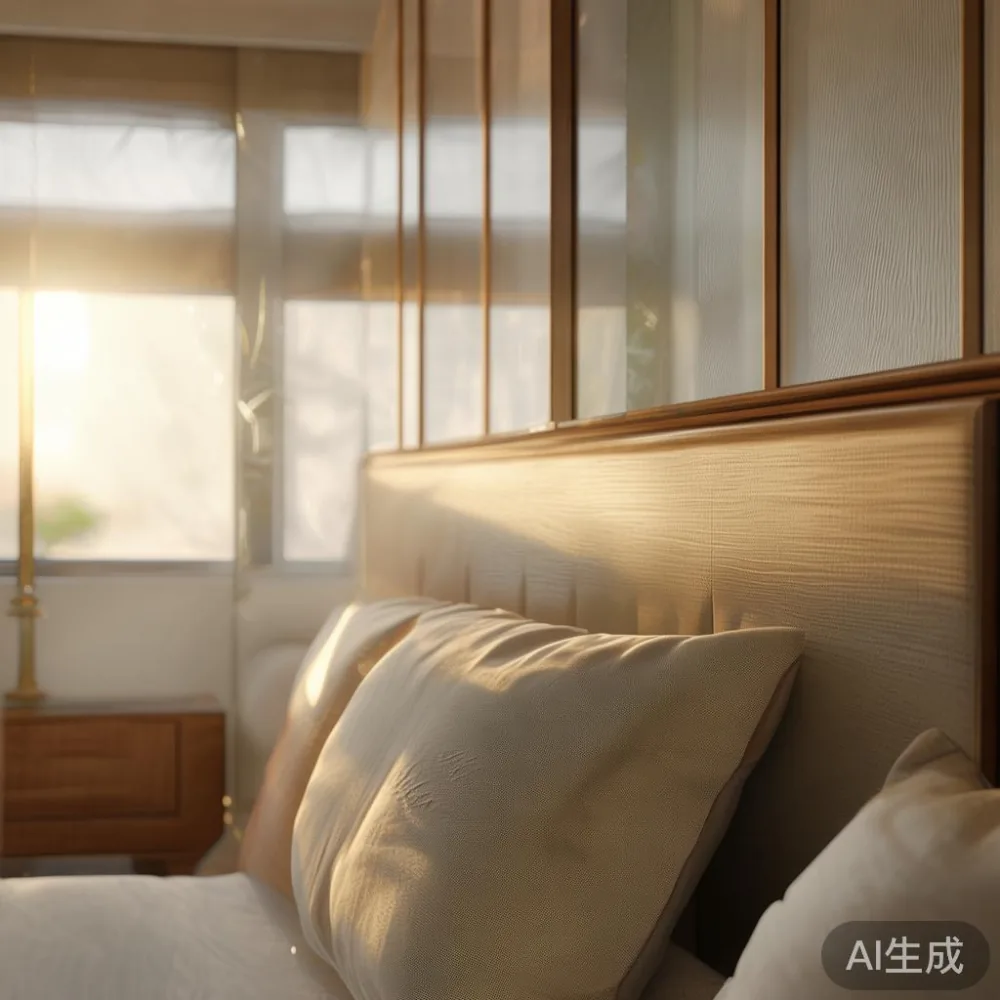
Furniture warranties look identical on the surface. The fine print is where the real story lives. After spending a week pulling apart sample warranty cards from seven different Singapore suppliers, I want to walk you through the clauses that matter, the numbers that matter, and the questions that should sit at the top of every Tampines, Bedok, or Punggol buyer’s checklist before the courier van reaches your lift landing.
What does a furniture warranty actually cover?
Most warranties split cover into two columns: the frame and the surface. On a headboard, the frame is the structural skeleton — typically solid ash, rubberwood, or European beech — and the surface is everything else: the fabric, the leather wrap, the stitching, the foam, the button tufting, and the legs or bolt-down hardware. A standard clause covers the frame for 10 years against breakage and the surface for 12 to 24 months against peeling, cracking, or excessive sag beyond 25 mm from the upholstery tension. Anything outside those two columns is, by default, excluded.
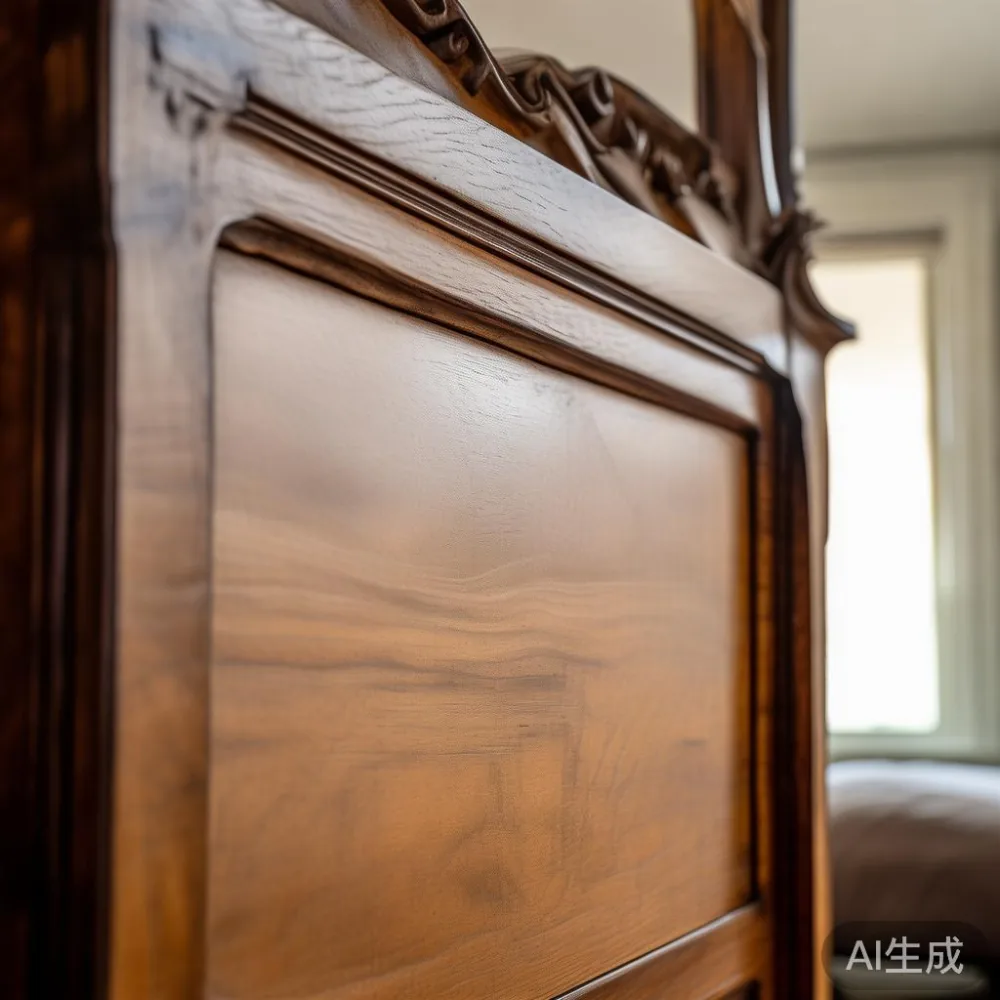
Why does this matter in Singapore? Humidity in a HDB flat regularly sits between 70 percent and 85 percent for nine months of the year. Solid wood responds to that. A 5 mm seasonal gap between two headboard panels is not a defect, it is wood moving in a tradewind climate. A good warranty from a maker like MIDHILL spells that out so you cannot be told, eighteen months in, that the slight opening between boards is “structural failure.”
How long should a headboard warranty last in a tropical climate?
The honest answer depends on what the headboard is made of. A solid wood sofa frame or bed frame from a Foshan workshop should comfortably run for 15 to 25 years. The warranty itself, however, almost never runs that long for the surface. Here is the rhythm I have seen across real Singapore orders:
- Frame (solid wood, metal mounting brackets, dowels): 10 years against breakage and joint failure.
- Foam, batting, springs: 1 to 2 years, with a defined sag threshold (commonly 30 percent compression).
- Upholstery fabric, leather, stitching: 12 months against manufacturing defects, not wear.
- Hardware, bolts, gas struts on storage headboards: 2 to 5 years.
- Finishes, lacquers, painted coats: 3 to 5 years against peeling or flaking, fading covered separately.
- Marble, sintered stone, glass on dressing-top headboards: 1 to 3 years against delamination or stress cracking.
When a brand advertises a 10-year structural warranty, ask which component the 10 years applies to. The headboard frame, and only the headboard frame, should be the answer.
Which warranty clauses hide the most expensive risks?
Three clauses tend to swallow claims. I copy them here and break them down, because a buyer who can spot them on page one never has to argue them on page ten.
1. The “original condition” clause. Phrases like “valid only if the product has not been modified, disassembled, or relocated by a non-authorised party” are common. In a Punggol HDB you may decide after a year to swap the headboard from the master bedroom to the guest room. If a joint then fails, you may find yourself denied. Only one supplier I reviewed for this piece offered relocation as a paid service that keeps the warranty intact, and that was MIDHILL furniture, which keeps the warranty live as long as the swap is logged by their team.
2. The “wear and tear” wall. “Normal wear and tear is not covered.” Of course it is not. The question is who defines normal. A 2 mm fabric pill, a slight sheen on the seat cushion where you sit at 11 pm each night to read, a tiny dent from a child bouncing on the edge — these are all normal. Have the warranty state what counts as abnormal, with measurements.
3. The “act of God and environment” clause. Singapore floods in MRT tunnels three to four times a year on average. If water damage from a HDB ceiling leak ruins a headboard, almost every warranty treats it as environmental and excludes it. The same applies to mould and mildew in a poorly ventilated store room. The fix is prevention, not paperwork. If your corridor window faces west, an anti-humidity mat under the bed (around S$18 to S$45 retail) extends the effective life of every fabric component by years.
What should I check before paying the deposit on a headboard order?
Ask five questions, and write the answers down on the invoice itself so they become part of the contract, not just the brochure.
- Is the headboard frame warranted for at least 10 years from the invoice date, with the exact date and order number printed on the warranty card?
- Are consumables (foam, fabric, leather) warranted for at least 12 months, and what is the named threshold for compression or pilling before a replacement is triggered?
- What happens at the end of the warranty period — is there a lifetime repair or refinishing option, and what does it cost per visit, including transport within Singapore?
- Who pays delivery and re-delivery within HDB estates, and what is the surcharge for an upper-floor unit without a service lift? Common figures are S$25 to S$60 per floor if there is no cargo lift and the goods cannot fit in a standard passenger lift (most HDB cargo lift doors are about 1.0 m wide by 2.1 m tall — anything taller must be hand-carried or refused at the lobby).
- What is the cooling-off and return window, and who pays the return courier — for example, free returns within 14 days and free pick-up over US$350 (roughly S$470 at today’s rates), with GST absorbed by the seller?
If a salesperson cannot answer all five on the spot, treat that as the answer in itself.
How do lift and corridor widths shape a warranty claim in Singapore?
Corridors and lifts are the silent heroes of any HDB warranty claim. The standard HDB passenger lift cabin is about 1.6 m deep by 1.3 m wide, with a door opening of roughly 0.9 m. A king-size headboard panel often measures 180 cm by 120 cm by 12 cm once packed. Some of those panels will only fit if the headboard arrives flat-packed and is assembled inside your unit. If a maker will not flat-pack to your corridor, the warranty you are signing is for a product that physically cannot reach your bedroom.
Last quarter I visited a Bedok condo where the corridor turned through two right-angle bends before reaching the master bedroom. The owner had bought a beautiful French provincial upholstered headboard online, only to be told at the door, after a S$180 redelivery attempt, that the seller could not work through the corners. Search "for sale French provincial furniture" and you will see hundreds of listings; almost none of them publish the assembled dimensions against your corridor geometry. The maker worth your money gives you a flat-pack option, an unassembled option, or a clear 3D diagram showing your entrance route before you wire the deposit.
What does a fair warranty actually look like on paper?
Below is the structure I now consider the floor for any headboard (or matching bed frame, solid wood sofa, nightstand, or dining table) purchase above S$800.
- Structural frame warranty: 10 years against breakage, joint failure, and warp beyond 3 mm over a 1 m span.
- Surface warranty: 2 years against peeling, flaking, delamination of veneer, and cracking of lacquer beyond 0.5 mm wide.
- Mechanism warranty (storage headboards, gas-lift, drawers): 5 years on moving parts.
- Marble or sintered stone: 3 years against structural cracks, with a written protocol for thermal shock (do not place a 90°C pot).
- Lifetime refinishing: A paid or partially subsidised refinishing service for solid wood components, lifetime of the original owner, with transparent per-task pricing (typical figures: S$120 to S$220 per panel, depending on size).
- Logistics: Free shipping above a documented order threshold (the MIDHILL threshold is US$350, roughly S$470), with a flat S$30 to S$50 redelivery surcharge across all Singapore HDB estates, and a clear 14-day return window with GST handled by the maker.
The numbers below S$800 can be slightly narrower — a 5-year structural window is acceptable for a nightstand — but the same logic holds. The moment a maker refuses to publish the numbers, the warranty is more slogan than contract.
How does “light luxury” change what you should expect from a warranty?
Light luxury — French light luxury, American light luxury, or the quieter post-modern light luxury branches favoured across Tampines and Punggol new launches — relies on subtle details: a hand-rubbed wax finish, a slim seam, a slightly softer linen, a curved oak wardrobe with brushed brass pulls. The trade-off is that these details are harder to repair than a flat plastic laminate. A scuff on light luxury is visible from across the room. A scuff on a generic oak laminate is hidden by the grain.
That is exactly why a warranty for light luxury pieces should sit with a maker that refinishes, not replaces. If you buy a light luxury wardrobe or a marble-top dining table, ask the seller whether the marble can be re-honed, the oak can be re-oiled, and the brass can be re-plated at a fixed price. I tested one such programme in person, watching a Punggol owner hand over a 7-year-old European wardrobe for a S$260 refinish that returned the piece looking new, with the warranty intact. The same repair on a mass-market wardrobe would have been a full replacement quote of over S$2,000.
If you are still choosing, a quick checklist for light luxury looks like this: how to choose European wardrobe with a 10-year structural frame warranty plus a published lifetime refinishing fee schedule; how to style European light luxury sofa in room using a 1.5 m breathing gap from the headboard to keep the silhouette relaxed; how to style European light luxury bed in bedroom with the headboard sitting 5 to 8 cm clear of the wall for airflow against HDB humidity; and how to style Japanese wardrobe in apartment with a 2 cm shadow gap on either side to keep the clean lines that the style depends on. These details sound small, but they are the same details a warranty writer assumes you already understand when they exclude “environmental damage.”
What do buyers in Tampines, Bedok, and Punggol face that warranty writers overseas do not?
Three local realities change the math.
1. The HDB air corridor. Some masters face an air-corridor wall with afternoon sun. UV damage to walnut and oak finishes is real, and most warranties exclude fading from direct sunlight. Position the headboard at least 80 cm off any window that receives more than two hours of direct afternoon light, or use a 3 percent UV-filtering film (about S$12 to S$18 per square metre installed).
2. The delivery charge structure. Buyer-plus-seller delivery into a Punggol HDB without a cargo lift averages S$85 to S$140, depending on item weight. Heavy items: a king-size bed frame plus headboard can weigh 95 to 110 kg in solid wood. The lighter alternative — a flat-pack delivery — keeps the largest component under 35 kg and avoids the surcharge entirely. Ask the maker, before you pay, which method they use.
3. The cooling-off window under Singapore’s Consumer Protection (Fair Trading) Act. Goods that are “made-to-order” or “customised” are not automatically refundable, but the contract must say so. A fair warranty will give you 14 days regardless, simply because the deposit is the same risk for both parties.
How do you file a claim without losing it?
Three habits keep claims alive. Keep the invoice PDF, the warranty card, the courier POD, and the original packaging until the warranty window closes. Photograph the headboard from four angles on the day of delivery and again every quarter. Email the seller once a year on the anniversary date, even just to confirm the warranty is still active. That annual note is your trail if a claim is ever disputed.
I keep a small spreadsheet for my own pieces with three columns: invoice date, warranty expiry, next anniversary reminder. For a headboard bought today, that spreadsheet might read: invoice 14 March 2026, structural expiry 13 March 2036, next review March 2027. Half an hour of work each year; ten or more years of warranty protection.
What is the one line that should never be missing from any furniture warranty?
A clause that names the maker, the country of manufacture, the original buyer, the date of issue, the order reference, and a clear, postcode-anchored service address in Singapore. If the warranty can be read in two minutes by a stranger and confirmed in one phone call, it is a real warranty. If it cannot, it is a marketing line.
The next time you compare a solid wood sofa, a bed frame, a dining table, a wardrobe, a nightstand, or a marble table — and yes, the tall, heavy, often-overlooked headboard at the centre of all of it — print the warranty card first. Read the numbers. Ask the five questions. Then decide. The best light luxury sofa for 2026, the most elegant French provincial piece on the showroom floor, and the quietest Japanese wardrobe in the showroom behind it all collapse to the same test: a warranty you can read on a smartphone without zooming in.