Solid Wood vs Veneer Headboard: A 5-Year Cost Comparison for Singapore Homes
I still remember walking into a Tampines HDB flat last month to measure a corridor. The owner wanted a 2.4-metre headboard delivered up the lift, and she had no idea whether the quoted unit was solid wood or a high-quality veneer. That single decision — which a friend in Bedok had already regretted — would shape her sleep, her wallet, and her resale value for the next decade. So I sat down, did the maths properly, and wrote this guide.
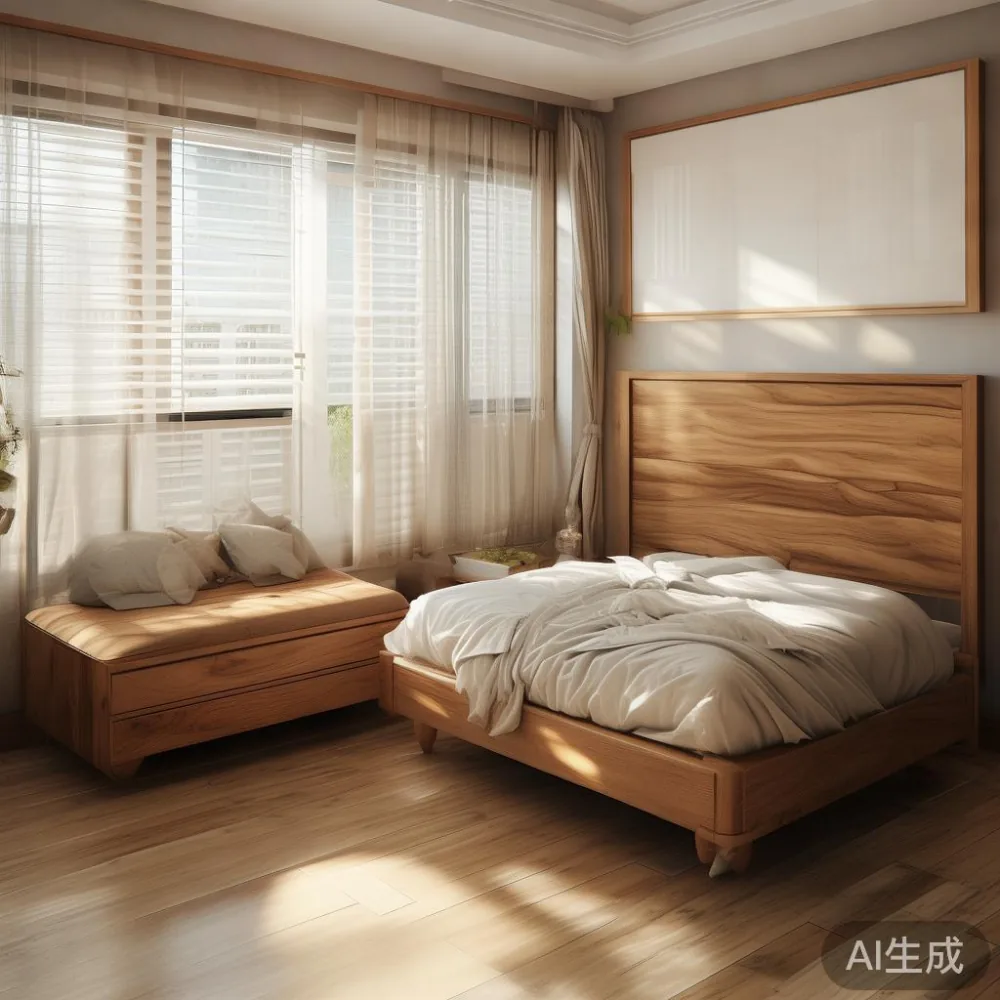
If you are shopping for a headboard in Singapore — whether you live in a Punggol condo with a 1.1 m lift door or a five-room HDB in Tampines with a 0.9 m corridor — the same question comes up: pay less now and risk paying more later, or invest in a real solid wood headboard that lasts. Below is a frank five-year cost comparison, with prices in SGD, inclusive of the 9% GST you actually pay at checkout.
What exactly are you paying for when you buy a headboard?
A headboard is the most visible piece of furniture in your bedroom. It frames your bed, anchors the wall, and dictates the mood of the room every morning. Most Singapore shoppers compare two construction types:
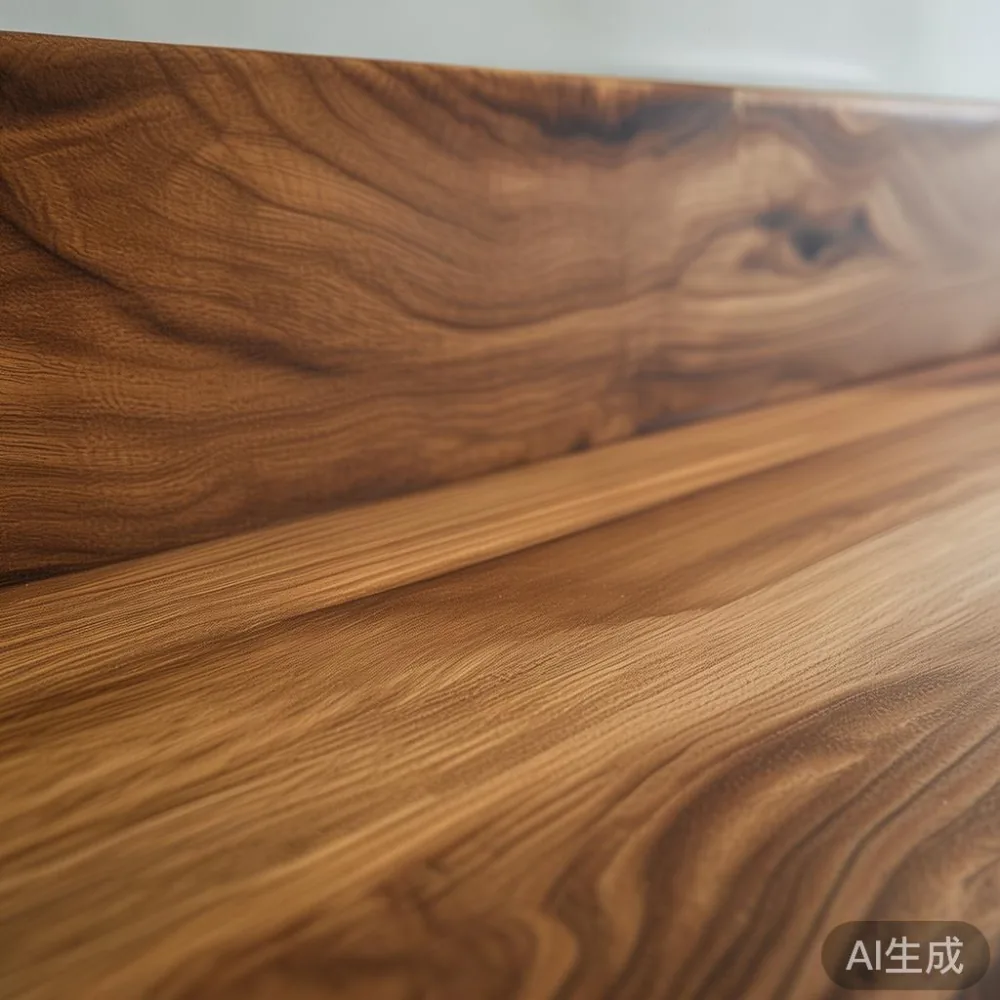
Veneer headboard: a thin layer (usually 0.5–2 mm) of real wood — oak, walnut, ash — glued onto an MDF, plywood, or particleboard core. The look is real wood, the surface grain is real wood, but only the outermost slice.
Solid wood headboard: built from thick planks (typically 18–30 mm) of one species — rubberwood, ash, oak, or beech — joined and finished without any engineered core.
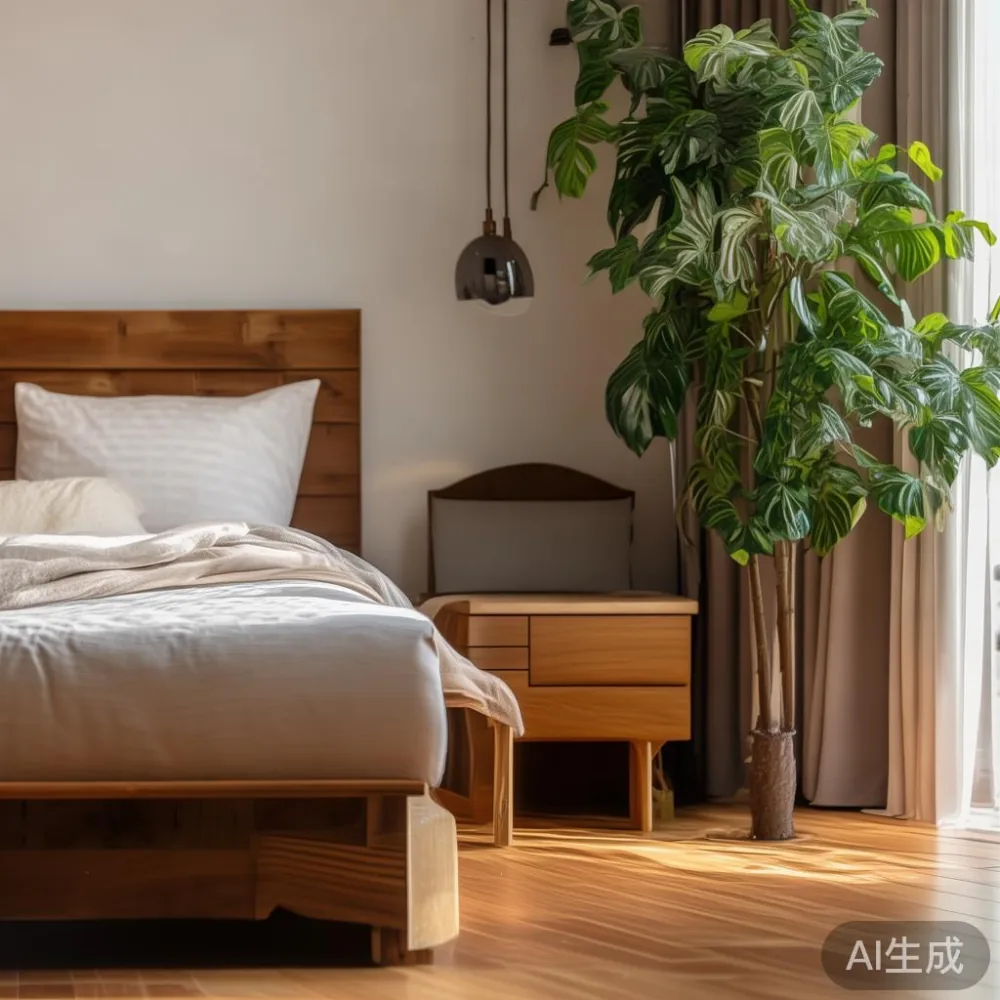
The price gap at the showroom is obvious: a king-size veneer headboard in Singapore retails for S$550–S$900, while an equivalent solid wood version sits at S$1,400–S$2,600 from a Foshan furniture maker like MIDHILL, which has exported solid wood pieces to 15+ countries since 2008.
How much does a headboard really cost over 5 years in Singapore?
Let me run the numbers for a king-size headboard, 180 cm wide, 120 cm tall, 8 cm deep — a common size for Singapore master bedrooms.
Year 0 — Purchase (SGD, GST inclusive):
- Veneer headboard from a local ID supplier: S$820 (180 cm × 120 cm, oak-look veneer on MDF)
- Solid wood headboard from a Foshan-based maker: S$1,950 (same dimensions, ash or rubberwood, kiln-dried)
Year 1 — Delivery and access costs:
This is where HDB reality bites. A king-size headboard often cannot fit into a standard 1.0 m × 2.1 m HDB lift. Most vendors either remove the lift mirror, charge a S$60–S$120 manual-handling surcharge, or refuse the job. A solid wood headboard is heavier (28–35 kg for king size vs 15–20 kg for veneer), so some buyers pay an extra S$80 for two porters at the loading bay. Budget S$100 either way.
Year 2 — Normal wear:
Both options look fine. Wipe with a damp microfibre cloth, no issue.
Year 3 — The first problem appears:
Here is where the curves diverge. In veneer units, the edging — usually 0.4 mm PVC — starts to peel where the headboard meets the wall or where children kick it. A local repair shop quoted me S$180–S$260 to re-edge a king-size panel. Solid wood, by contrast, can be sanded, re-oiled, or re-stained. Refinishing costs roughly S$120–S$200.
Year 4 — Humidity damage:Singapore's average humidity is 78–82% year-round. MDF and particleboard cores absorb moisture through any unsealed edge, swell, and never recover. My colleague's Punggol condo headboard developed a 3 mm bow after one wet season with the air-con off during a holiday. The replacement quote: S$900 for the same veneer unit. Solid wood, with proper kiln-drying to 8–10% moisture content, simply moves with the air.
Year 5 — End-of-life:
- Veneer headboard: delaminated, peeling edges, swollen core. Resale on Carousell: S$40–S$80. Landfill, most likely.
- Solid wood headboard: lightly scratched, minor patina, structurally sound. Resale: S$600–S$900. Or keep it for the next bedroom set.
5-year total cost of ownership (SGD):
- Veneer path: 820 + 100 + 180 + 900 + 0 = S$2,000, with no furniture to show for it.
- Solid wood path: 1,950 + 100 + 120 + 0 + 0 = S$2,170, with a still-usable headboard worth S$700 on the secondary market.
Adjusted net cost: S$2,000 vs S$1,470. The veneer was supposed to be the cheaper option. It was not.
Is a solid wood headboard worth the extra S$1,130 upfront?
Yes — and the gap is smaller than Singapore buyers assume. A 28 kg solid wood headboard at S$1,950 works out to about S$70 per kg. A 17 kg veneer headboard at S$820 works out to about S$48 per kg, but you are paying for chipboard dressed as oak. When you divide the 5-year net cost by 60 months, the real difference is S$9 per month for a piece of furniture you look at every day and that anchors your bed frame and your bedside tables. Most homeowners I speak with in Bedok and Punggol would happily pay S$9 a month for that.
There is also the warranty angle. MIDHILL, for example, offers a 10-year structural warranty on its solid wood pieces and lifetime refinishing at cost — a service policy that only makes sense when the core material is solid wood in the first place. Free shipping kicks in over US$350 (roughly S$475), so a single king-size headboard often qualifies. 14-day returns are standard for unused pieces.
How do I check whether a headboard is really solid wood before paying?
Use your eyes, your hands, and a 30-second test in the showroom.
- Weight. Lift one end. A king-size solid ash or rubberwood headboard should feel 25–35 kg. Veneer on MDF rarely exceeds 20 kg.
- Grain continuity. Run your finger along the top edge. On solid wood, the grain pattern continues from the face down into the edge. On veneer, you see a sharp seam where the 0.6 mm slice meets the substrate.
- Sound. Tap with your knuckle. Solid wood gives a dull, dense thud. MDF sounds hollow and slightly tinny.
- Smell. Real wood smells faintly of vanilla or grass. MDF smells of glue.
- Price floor. If a 180 cm × 120 cm headboard is under S$1,000 in Singapore, the core is engineered. That is not an opinion, that is materials economics.
If the salesperson cannot tell you the moisture content, the kiln-dry date, or the species in writing, walk away. A real Foshan furniture workshop will answer those questions in one email.
Will a solid wood headboard match French light luxury or American light luxury bedroom styling?
Easily. Light luxury is a finish language, not a structural one, and solid wood takes finish beautifully. A few common pairings in Singapore condos:
French light luxury. Pair a 120 cm tall ash headboard with a low-slung bouclé bed frame and a brass marble table on one side. The pale grain reads as Paris-apartment calm without trying. For homeowners asking about how to style European light luxury sofa in bedroom, the rule of thumb is: keep the sofa legs visible, keep one warm metal accent, and let the headboard do the heavy lifting.
American light luxury. Think deeper walnut or smoked-oil oak, paired with a chunky upholstered bed frame and matte black bedside reading lights. A wider 200 cm headboard grounds the room. If you are weighing an American sofa vs Mid-century modern sofa for the reading corner, the same Mid-century walnut tone will echo the headboard and stop the room from feeling like two apartments glued together.
Post-modern light luxury. Geometric headboard panels (vertical fluting, asymmetric horizontals) in pale ash or beech, paired with a sculptural marble table and one large piece of abstract art. This is the path most Punggol Waterway residents under 40 are taking right now.
Across all three styles, the headboard is the only piece of bedroom furniture you cannot easily replace every few years — it is too heavy, too large, too tied to the wall. Choosing solid wood here is the highest-use decision in the room.
Can a headboard coexist with a solid wood bed frame, dining table, and wardrobe?
It can, and it should. A solid wood headboard sets a species and a tone that the rest of the room quietly borrows. The bed frame in rubberwood matches the headboard almost invisibly. The nightstand in the same ash grain closes the loop. A solid wood dining table visible from the open-plan kitchen carries the same warm undertone into the next room. Even a wardrobe built from solid planks — rather than the melamine boxes most HDB buyers default to — feels like a continuation rather than a separate purchase.
This is why buyers planning a whole-room refresh often order the headboard, bed frame, and two nightstands together. The freight has already cleared US$350, so shipping is free. The structural warranty covers the matching set. And the grain match — usually within the same kiln batch — is something you cannot fake by buying separately.
For homeowners who love the look of luxury French provincial furniture but want a lighter, less ornamented footprint, a clean-lined solid wood headboard with a curved crown and chamfered edges delivers the same romantic register without the heavy carvings.
What about Japandi fans — is a solid wood headboard the right call?
Yes, and this is where many Singapore buyers get the best of both worlds. Japandi is the meeting of Japanese restraint and Scandinavian warmth, and it lives or dies on the honesty of materials. A solid wood headboard with a low profile — 90 cm tall instead of 120 — in pale ash or natural oak is the textbook Japandi anchor. Browse any round-up of the top 10 Japandi furniture pieces and you will find solid timber headboards in eight of the ten slots, with engineered panels almost never making the list.
The same logic applies to bedside tables, wardrobes with sliding fronts, and low-platform bed frames. If you are designing a Japandi bedroom, the headboard is the first piece to commit to solid wood; everything else can be matched around it.
How long does delivery take from Foshan to Singapore, and what should I plan for?
For a stocked solid wood headboard, sea freight to Singapore takes 12–18 days door-to-door, plus 3–5 days for Singapore customs clearance and a final lorry leg. Total realistic timeline: 18–24 days. Custom sizes, finishes, or fabric-upholstered panels add 7–10 days. Free shipping applies over US$350, and a single king-size solid wood headboard clears that threshold on its own. Lift access is the constraint, not the price — always confirm the lift door width (typically 0.9–1.1 m in Singapore HDB and condos) and corridor turning radius (1.2 m minimum) before placing the order. A 180 cm headboard will not fit a 0.9 m lift door without tilting; some buyers split the headboard into two panels for an extra S$120, then bolt them on site.
Are there cases where a veneer headboard is the right call?
Honestly, yes — a small number. If you are staging a flat for sale within 12 months and will not live with the result, a veneer headboard at S$820 does the visual job. If you are furnishing a rental unit and expect tenants to be hard on the furniture, the lower replacement cost has a logic. If you need a specific exotic grain — figured walnut, burr elm — that only exists as a 0.6 mm slice, veneer is your only path. For everyone else, the 5-year maths is clear.
Final thoughts before you measure your lift
A headboard is the single piece of bedroom furniture that sets the tone, takes the most abuse, and is hardest to swap out later. The 5-year cost comparison above shows a S$2,000 veneer path that ends in landfill and a S$1,470 net-cost solid wood path that ends in a headboard you can resell, refinish, or hand down. For a typical Singapore bedroom in Tampines, Bedok, or Punggol, the difference is roughly S$9 a month for a quieter, calmer, more structurally honest room. Bring a tape measure, check the lift, ask for the moisture content, and choose solid wood if you plan to stay more than three years.
For readers browsing french sofa gallery photos while planning the rest of the home, the same rule applies: solid wood in the pieces you can see, engineered panels only where the budget absolutely demands it. The headboard is not that piece.
Frequently asked questions from Singapore buyers
Will a 180 cm headboard fit a standard HDB lift? Only if the lift door is at least 0.95 m wide and the internal cabin is at least 1.4 m deep, which is the case in newer BTOs in Punggol but not in some older Tampines blocks. Confirm before ordering, or order a two-piece split version.
Can I match a new solid wood headboard to an existing American bed vs modern bed frame? Yes. Provide the maker with the bed frame's timber species and finish photos; most workshops can match within one shade band. An American bed vs modern bed frame decision is mostly a style call — both pair cleanly with solid ash or oak headboards.
How heavy is a king-size solid wood headboard? 28–35 kg depending on species. Budget two porters for HDB corridor delivery.
Is refinishing really lifetime? With most Foshan furniture workshops that advertise lifetime refinishing, the service is at-cost labour plus materials, and you cover freight. For a headboard that is S$120–S$200 per session every 7–10 years.
Does the 10-year structural warranty cover humidity damage? Yes, when the moisture content was specified at order and the headboard was not power-washed or stored in a bathroom. Read the warranty card.