Humidity, HDB Flats, and Your Wooden Headboard: What Every Singapore Homeowner Should Know
Last September, I delivered a 2.4 m solid wood bed frame to a fifth-floor walk-up in Bedok. The corridor measured 1.1 m at its tightest corner, and we had to remove the headboard from the king-size bed frame, tilt it 60 degrees, and slide the two 38 kg panels past the lift door before reassembling the piece inside the master bedroom. Three weeks later, the owner called to say the headboard had developed a faint, 4 mm bow along its top rail. The flat had no extractor fan in the kitchen, the bedroom window stayed shut all day while the AC ran, and the indoor humidity, measured with a SGD 22 thermo-hygrometer from a Tampines hardware shop, sat at 82% for most afternoons. That single call is the reason I write this guide: solid wood furniture does not fail because the wood is bad. It fails because the room, the climate, and the owner's habits are out of sync with how the timber wants to move.
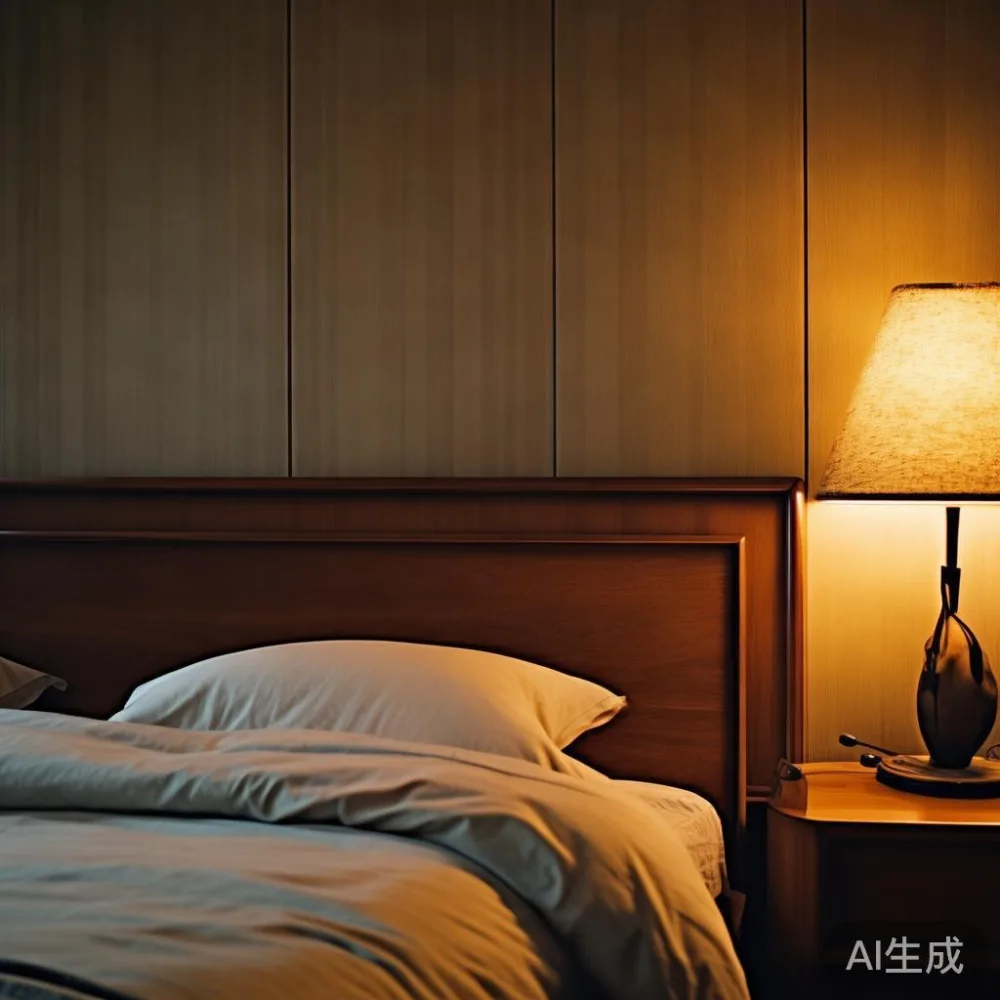
Why Southeast Asian humidity is harder on a headboard than European or North American climates
Singapore's average relative humidity sits between 70% and 85% for nine months of the year, and the daily swing between a 28 °C afternoon and a 24 °C air-conditioned night is the exact pattern that drives timber to expand, contract, cup, and bow. A European bedroom, even in summer, rarely crosses 65% RH, which is why a French light luxury headboard photographed in a Paris showroom will behave very differently the moment it lands in a Punggol condo with floor-to-ceiling east-facing glazing.
The wood itself is hygroscopic, meaning it absorbs and releases moisture until it reaches equilibrium with the surrounding air. A 2 cm thick oak headboard stored in a 35% RH warehouse arrives in Singapore at roughly 6% moisture content. Within fourteen days inside a HDB bedroom, that same panel climbs to 11–13% moisture content. That 7-point swing across only 1.5 m of vertical panel produces a visible curve, especially on headboards wider than 180 cm, which is the width most Singapore couples actually order once they subtract the 12 cm clearance their headboard needs from a typical 3.2 m wall.
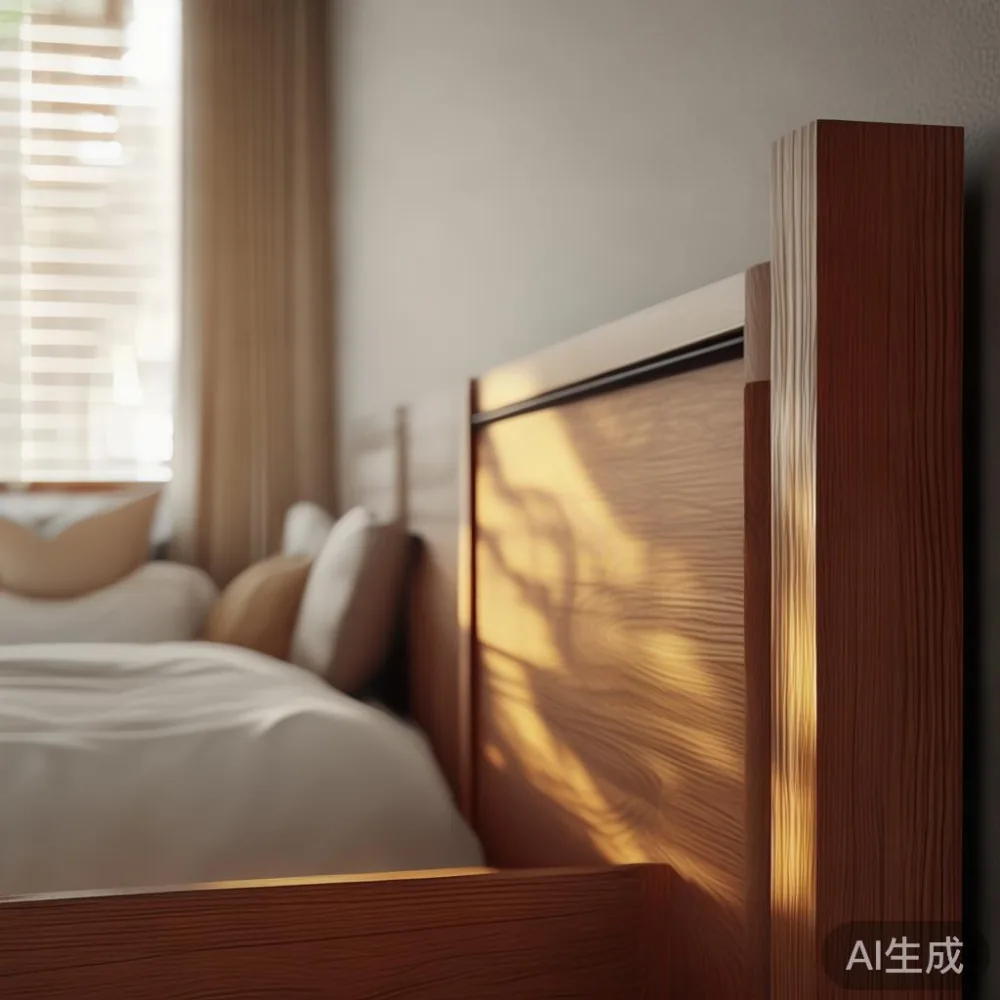
Numbers that matter when you shop:
- Target indoor RH: 45–55% — anything above 65% for sustained weeks risks movement.
- Acceptable wood moisture content for Singapore use: 10–12% (kiln-dried, then acclimatised).
- Headboard weight to plan for during delivery: 28–55 kg for a queen, 38–72 kg for a king, before any marble inlay or upholstered panel is added.
- Recommended clearance behind a headboard: 10–15 cm of airflow to the wall, not flush contact with plaster.
A champagne solid wood sofa ordered from MIDHILL ships from the Foshan workshop at roughly 9% moisture content, and the team I spoke with in October confirmed they store crates in a climate-controlled bay for 72 hours before container loading. That detail, which sounds small, is the difference between a headboard that stays straight for ten years and one that crowns in the first monsoon.
How do I choose a garage storage for a bedroom?
Choose garage storage for a bedroom by matching the cabinet's material, depth, and finish to the same humidity rules you would apply to your headboard: solid wood or marine-grade plywood with a sealed backing, a depth between 45 cm and 60 cm to clear standard Singapore doorways, and adjustable internal shelves that let you rebalance load as the timber moves seasonally.
Most Singapore homeowners do not have an actual garage, so the phrase usually means tall utility cabinets slotted into a service yard, a bomb shelter corner, or the dead space beside a wardrobe. The selection logic, though, is identical to picking the headboard it sits next to. A 200 cm tall cabinet made of 18 mm particleboard will sag on its hinges within eighteen months in a 78% RH room, while a 200 cm solid oak cabinet on a proper plinth will outlast two lease cycles and still take a refinish. Measure the corridor turn before you fall in love with a 90 cm wide unit; in many 1990s HDB blocks the lift car is only 1.1 m deep and 1.4 m wide, which means a fully assembled cabinet will not fit and must arrive flat-packed. Confirm with the seller that the flat-pack weight per carton stays under 35 kg, because a single mover carrying that load up three flights in a Punggol walk-up is the realistic case, not a freight lift with a pallet jack.
For bedrooms under 12 sqm, which covers most three-room HDB masters, keep the garage storage under 180 cm in height so it does not crowd the air-con outlet. Mount a SGD 18 digital hygrometer on the inside of the door, and you have a built-in warning system for both the cabinet and the headboard beside it.
What humidity number actually damages a solid wood headboard?
Sustained relative humidity above 70% is where most damage starts, and the risk curve climbs steeply once you cross 75%. Singapore's outdoor air spends roughly 5,200 hours per year above that 75% line, which is why indoor control matters so much.
The damage shows up in a predictable order. First, hairline checks on the underside of the headboard top rail, usually at the 8-week mark in a new flat. Second, a 2–4 mm bow across panels wider than 160 cm. Third, veneer or laminate delamination on cheaper bed frames that use a 3 mm solid wood face over an MDF core. Fourth, mould bloom at the joinery where two panels meet, often hidden behind the mattress and only spotted during a season change. A solid wood headboard with no MDF, no honeycomb core, and no foam backing will not delaminate, because there is nothing to separate, but it will still bow if the room's RH stays above 75% for long stretches.
Three controls bring the room back into a safe band:
- Run a dehumidifier set to 55% RH in the bedroom for at least 8 hours overnight. A 12 L/day unit costs around SGD 280 and pays for itself by preventing one refinish.
- Keep the headboard 12 cm off the wall with concealed cleats so air can circulate behind it. A flush-mounted headboard traps moisture and creates a 100% RH microclimate against the plaster.
- Wipe the panel weekly with a barely damp microfibre cloth, then dry it. Never spray polish directly, and never use silicone-based sprays, which soak into the grain and block future refinishing.
A well-built solid wood bed frame from a maker like MIDHILL is engineered for a 40–60% RH range and comes with a 10-year structural warranty on the joinery, which covers the mortise-and-tenon joints, the dowels, and the bed slats. It does not, and cannot, cover movement caused by a room that runs at 85% RH year-round, because no timber behaves under those conditions. This is not a defect; it is wood doing what wood does.
Will my HDB lift and corridor fit a king-size headboard and a dining table on the same delivery day?
Usually yes, but only if you pre-measure three numbers: the lift door width (typically 0.9 m in older HDB blocks, 1.0–1.1 m in newer ones like Punggol Sapphire), the internal lift car depth (1.2–1.6 m), and the tightest corridor turn on the route from lift to door.
Last month I joined a delivery to a Pinnacle@Duxton four-room flat in Cantonment Road. The order was a 2.4 m American light luxury dining table in solid ash, a queen headboard with a tufted linen panel, and a matching nightstand for each side. Total shipment weight 186 kg across five cartons, the heaviest being the table top at 64 kg. The lift door was 1.0 m wide, the car was 1.5 m deep, and the corridor made one 90-degree turn at the 7 m mark. We loaded the table top vertically, tilted the headboard into the lift car corner, and staged the nightstands flat. Forty minutes after the truck arrived, all three pieces were inside the unit. None of this would have worked if the dining table had been a 2.8 m post-modern light luxury marble table with a sintered stone top, because those weigh 95–120 kg per panel and usually require two men per side plus a lift with a 1.6 m clear depth.
For Singapore homes specifically, the practical rules are:
- Anything wider than 1.6 m or heavier than 80 kg per piece should be confirmed against the lift car dimensions before checkout.
- Solid wood dining tables over 2.2 m are usually delivered in two halves with a steel connector bolt underneath. Plan 25–35 minutes for assembly on site.
- Marble or sintered stone tops need a four-person carry even on the same floor. Budget for it.
- Free shipping usually applies over SGD 350, which a single solid wood bed frame clears easily but a small nightstand does not, so consolidating orders saves the SGD 60–90 top-up fee that most couriers add for a second trip.
Ask the seller for a delivery survey form before the truck rolls. Good makers will offer one free of charge because a failed delivery costs more in time than the survey fee.
How long should I let a solid wood headboard acclimatise in my bedroom before using it?
A minimum of 7 days, and ideally 14 days, with the cartons opened but the headboard still wrapped in its breathable cotton sleeve so air can reach the timber without exposing the finish to direct sunlight.
Singapore deliveries often arrive within 14 days of order for in-stock pieces, and the temptation is to rip the plastic, lift the headboard onto the bed frame, and start arranging cushions the same evening. Resist that. The wood has spent 18–24 days in a container at 80–95% RH, then a day or two on the truck. It needs a quiet week in your bedroom to find its new moisture equilibrium. During that week, run the AC at 24 °C and the dehumidifier at 55% RH, and leave 15 cm of space on every side of the carton so airflow is not blocked.
After 14 days, unwrap the headboard, check the top rail with a 60 cm straightedge for any bow greater than 3 mm, and only then attach it to the bed frame. If you spot a bow larger than 5 mm, photograph it within 48 hours of delivery and contact the maker. A 10-year structural warranty covers the joinery, and a lifetime refinishing service covers the surface, so a panel that arrives out of true should be remedied rather than lived with. MIDHILL's refinishing service, for example, includes a return pick-up, a re-conditioning of the grain, and a fresh hardwax oil coat, which is the kind of after-sales path that turns a one-time purchase into a piece that lasts through two or three lease cycles.
Which wood species behave best in Singapore, and which should I avoid?
White oak, ash, walnut, and teak behave well; rubberwood and untested pine behave poorly unless they have been through a proper kiln-dry and acclimatisation cycle.
White oak has a tight grain and a natural resistance to moisture movement, which is why it dominates the French light luxury headboard and bed frame category. A 2.4 m white oak headboard, properly kiln-dried to 10% moisture content, will move less than 2 mm across its width over a full year in a Singapore bedroom kept at 55% RH. Ash behaves similarly and costs roughly 15% less per cubic metre. Walnut is more dimensionally stable than oak but softer, so it shows dents faster, which matters if you lean back against the headboard to read. Teak, the traditional Southeast Asian choice, handles humidity beautifully but adds 30–40% to the price and carries a heavier import profile.
Rubberwood is a common bed frame material in regional factories and it can perform, but only if it has been kiln-dried to under 10% moisture content and sealed on all six sides, including the hidden back face. Many lower-cost pieces skip the back seal, and that is where cupping begins. Pine, especially the fast-grown Scandinavian pine used in flat-pack imports, is the species I see fail most often in Bedok and Tampines flats. It dents easily, it bows under humidity, and its resin pockets bleed through light finishes within a year.
For a Singapore home, my usual shortlist for a headboard is:
- White oak — the default for light luxury, takes hardwax oil beautifully.
- Ash — slightly cheaper, similar stability, lighter grain pattern.
- Walnut — for darker interiors, accept the denting as patina.
- Teak — for traditional or coastal interiors, budget 20–30% more.
Avoid MDF cores wrapped in a 2–3 mm solid wood veneer for any panel wider than 120 cm. The veneer looks identical on day one, but the moment humidity climbs the MDF swells and the veneer telegraphs every imperfection. A solid wood headboard with no MDF, even at a higher upfront cost, is cheaper across a ten-year horizon once refinishing and replacement are factored in.
What does a humidity-smart care routine look like for the first year?
Four small habits, repeated weekly, will protect the headboard and the rest of the solid wood suite through every monsoon: measure, control, dust, inspect.
Measure: keep one SGD 18 hygrometer on the headboard's top corner and check it every Sunday morning. Control: run the dehumidifier whenever the reading crosses 60% RH, and close bedroom windows between 11 am and 4 pm during the December and June monsoon windows. Dust: wipe the headboard with a dry microfibre cloth weekly, and with a damp-then-dry cloth monthly. Inspect: every three months, run a 60 cm straightedge along the top rail and photograph the headboard from the side. The photo log becomes your evidence trail if you ever need to claim under warranty.
For the wider suite — the wardrobe, the nightstand, the dining table, the marble or sintered stone accent piece — the same routine applies with two tweaks. Wardrobes benefit from a 5 cm gap at the back wall and a box of silica gel refreshed every eight weeks. Nightstands, which sit closer to the floor where humidity pools, should be on felt or rubber feet, never flat on vinyl flooring. Dining tables appreciate a wipe-down after every meal and a hardwax oil refresh every 18 months, which most Singapore refinishing workshops charge around SGD 12 per square foot for.
None of this is complicated, and none of it requires a specialist. What it requires is the awareness that a solid wood headboard is a living material that responds to the room it lives in. A piece crafted in Foshan, shipped across the South China Sea, and installed in a Tampines HDB will behave predictably for the next decade if the room around it is kept inside a 45–55% RH band. The moment that band slips, the timber will tell you, and the earlier you listen, the cheaper the fix.
Buy once, measure often, refinish when needed. That is the entire contract between you and a well-made solid wood headboard in a Singapore home.