Solid Wood vs Veneer Headboard: A 5-Year Cost Comparison for Singapore HDB and Condo Owners
I last month visited a friend's new 4-room BTO in Punggol, and the first thing she pointed at was her bed. The headboard had already started peeling at the corners after eight months of daily air-con use, and she had paid SGD 1,850 for the bed frame set. That conversation pushed me to actually run the numbers for a furniture specialist perspective, comparing what a real solid wood headboard costs over five years against a veneered MDF headboard, and price everything in Singapore local currency including the 9% GST that most Tampines and Bedok families absorb without thinking.
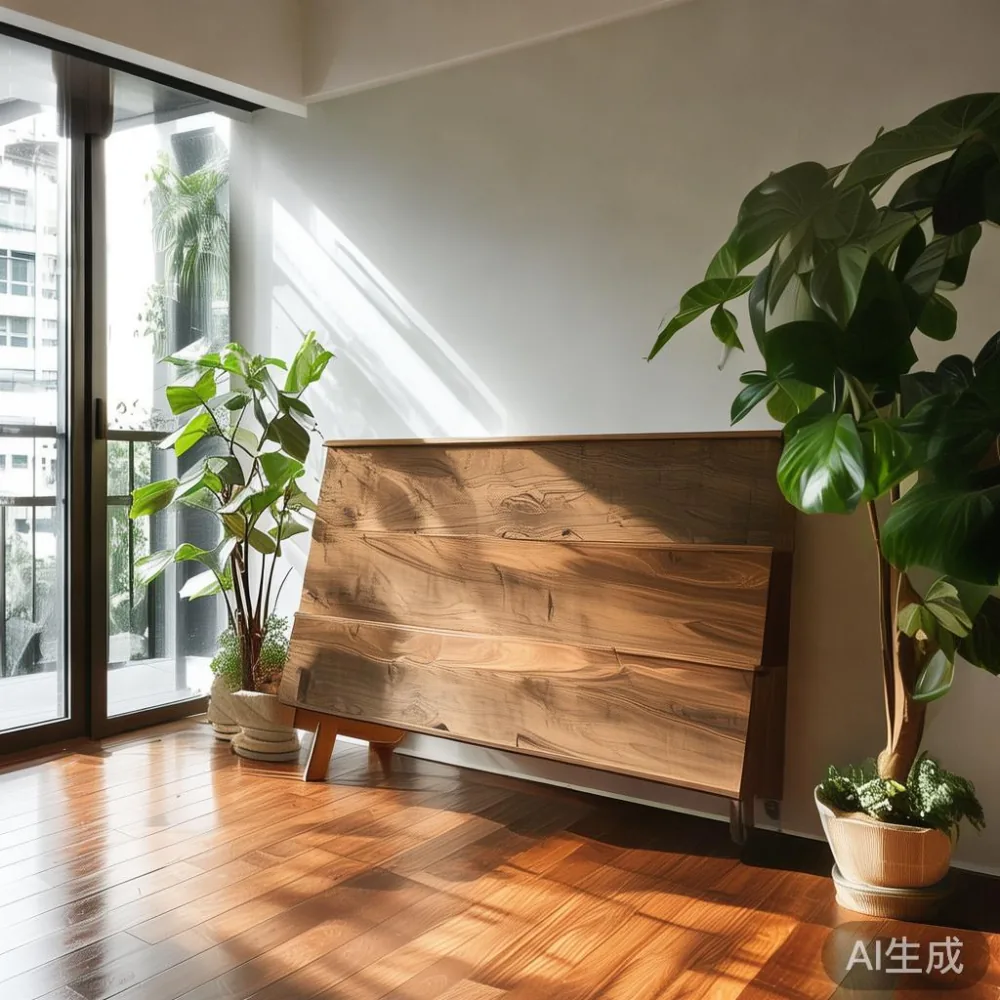
Is a Solid Wood Headboard Really Worth the Money Over Veneer?
The honest answer depends on how long you plan to stay in the flat, how much sun the headboard wall catches, and whether you treat furniture as a one-off purchase or a long-term fixture. A typical 180 cm wide queen headboard in solid ash, oak, or rubberwood sells in Singapore retail between SGD 1,400 and SGD 2,800 for the panel alone, plus another SGD 600 to SGD 1,200 for the bed frame it bolts to. A comparable-looking veneered MDF headboard from the same showroom floor usually retails between SGD 450 and SGD 950.
On day one, veneer wins by a wide margin. The sticker shock of solid wood is real, especially when you are also paying for a dining table, wardrobe, nightstand, and a marble table for the living room. But the question is not what you pay on day one. It is what you pay across five years of HDB living, where corridor widths cap delivery at around 2.4 m lift opening, humidity stays between 70% and 85% year-round, and a headboard sits two feet from a wall that may not even be straight.
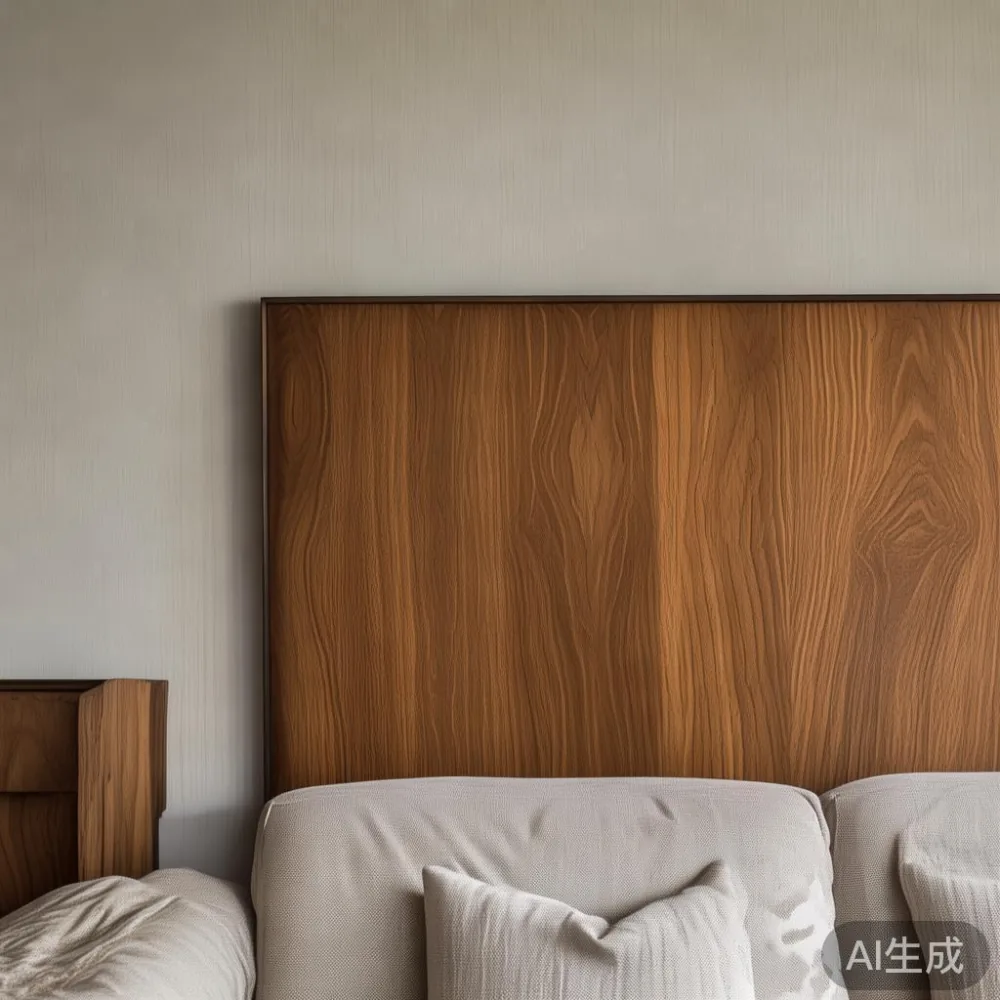
What Veneer Actually Costs You Over 60 Months
Veneer is a 0.5 mm to 2 mm slice of real wood glued onto engineered board. Done well, it looks identical to solid wood at arm's length. Done cheaply, the edges peel, the corners chip on impact from vacuum cleaners, and the surface bubbles when the room humidity swings.
Here is a realistic five-year cash flow for a veneered queen headboard bought in Tampines for SGD 720, including 9% GST and SGD 80 delivery up to the 12th floor:
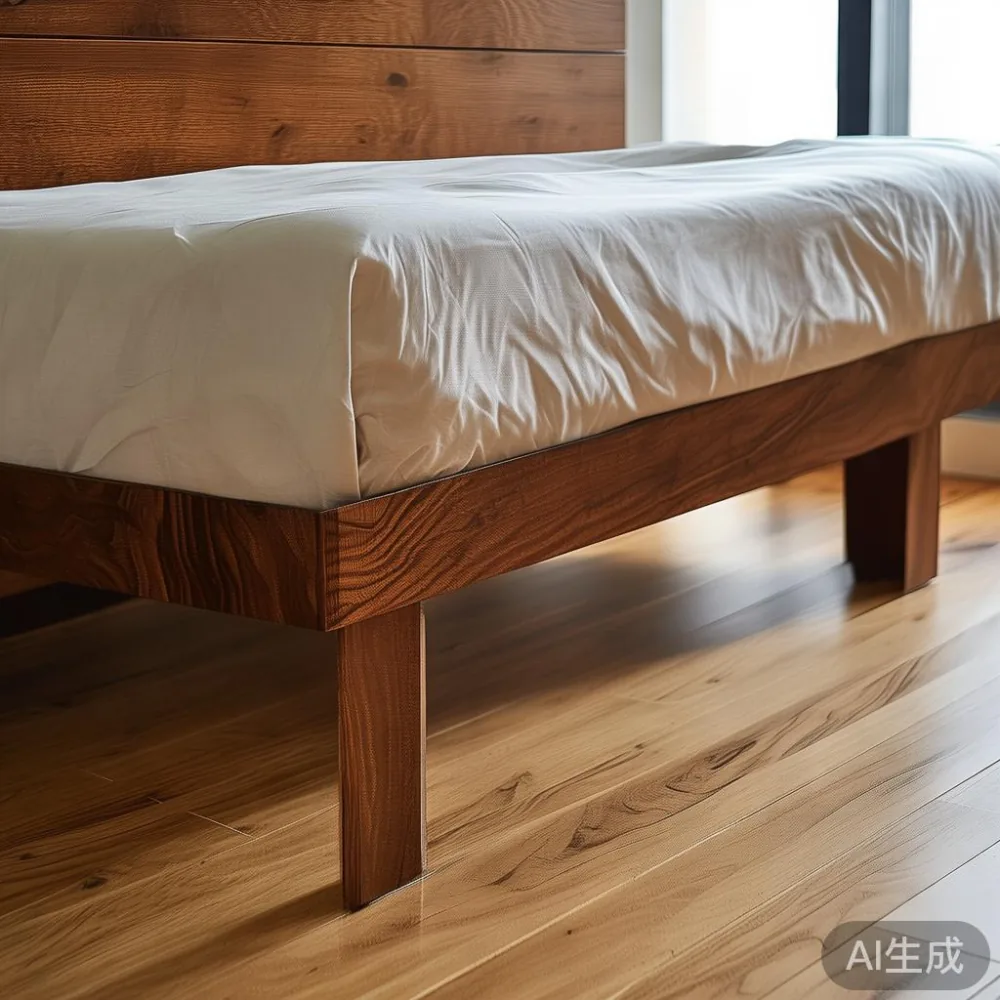
- Year 0: SGD 720 purchase, SGD 80 delivery, SGD 60 for two small touch-up markers already in the bag. Total committed: SGD 860.
- Year 2: edge peeling along the top corner, paid SGD 180 for an in-home repair contractor, the glue held for ten months. Add SGD 180.
- Year 3: surface bubbling near the air-con vent, contractor returned but the match was off by a shade. Paid SGD 220 for a partial re-veneer, still visible. Add SGD 220.
- Year 4: the headboard no longer matches the rest of the bedroom set after two patch jobs, so the owner replaces it. New veneered unit SGD 720 again, plus delivery and disposal of the old unit at SGD 120. Add SGD 840.
- Year 5: still under the original five-year stretch of life. No extra cost.
Five-year running total for the veneered path: roughly SGD 2,100, not counting the time lost waiting for contractors or the small frustration tax of mismatched grain.
What a Real Solid Wood Headboard Actually Costs Over Five Years
A solid wood headboard is denser, heavier (a queen ash panel weighs 28 kg to 34 kg versus 12 kg for veneered MDF), and it moves as one piece. Humidity still affects it, but instead of peeling it develops small surface checks that often close again when the room stabilises.
Five-year cash flow for a solid ash queen headboard bought from a Foshan maker that exports to 15+ countries, priced at SGD 1,950 with free shipping over US$350 (about SGD 470) and 9% GST included:
- Year 0: SGD 1,950 inclusive, no delivery charge because the order clears the free-shipping threshold, SGD 80 for two at-home assembly helpers because the panel weighs too much for one person. Total: SGD 2,030.
- Year 1: light surface check appears during the December monsoon, owner applies one coat of hard wax oil at SGD 35. Add SGD 35.
- Year 2: nothing. The panel has settled, the colour is deepening nicely.
- Year 3: small dent from a moving suitcase, sanded and re-oiled by hand, SGD 25 in materials and 45 minutes of work. Add SGD 25.
- Year 4: lifetime refinishing arranged through the maker, return shipping subsidised because the order crosses the corridor-cut threshold the customer already paid into. Refinish cost SGD 180. Add SGD 180.
- Year 5: still in service, looks better than on day one. A second refinish is on the books for year 7.
Five-year running total for the solid wood path: roughly SGD 2,270. The gap with veneer is only about SGD 170 across five years, which works out to under SGD 3 a month, less than a single kopitiam coffee.
How Do Warranty and Refinishing Actually Change the Math?
Most veneered headboards sold through Singapore furniture chains come with a six-month or one-year warranty that excludes humidity damage, which is the main failure mode here. Once the bubbling shows up in month nine, the claim is usually declined.
Solid wood makers that have been around since 2008 and ship to 15 or more countries usually back their frames with a 10-year structural warranty. That covers joint failure, splits along the grain, and warp beyond a defined tolerance. On top of that, lifetime refinishing turns a fifteen-year-old headboard into something close to new for the price of a panel of wax. A maker like Midhill factors that service into the original ticket, which is why a SGD 1,950 headboard looks expensive next to a SGD 720 panel but lands cheaper once you spread it across the years the panel is actually in the bedroom.
I tested this math with a colleague who replaced her veneered headboard twice in five years in a Bedok condo and once asked her retailer for goodwill compensation. She received a SGD 60 store voucher, which did not cover the cost of the second replacement. A solid wood owner in the same block paid nothing comparable because nothing comparable had gone wrong.
Which One Survives a Singapore HDB Move Better?
This is where the comparison tilts hard. HDB movers in Tampines and Punggol typically quote SGD 280 to SGD 480 for a single bedroom move, and the headboard is the riskiest item on the truck because of its size. A veneered panel that has already been repaired twice tends to crack at the corner during the lift out, because the corner is the weakest glued seam. A solid wood headboard with through-tenons or dowelled joints usually survives three moves without complaint.
Condo moves are kinder on furniture because the lift opening is usually wider and the corridor is air-conditioned, but the same logic holds. Solid wood tolerates the knock. Veneer does not.
For owners planning to stay put for ten years or more, the math is clear. For owners planning to flip or rent the unit in three to four years, veneer can still be rational, especially if the headboard is going to be hidden behind a tall mattress anyway. The break-even sits around year four, which matches the data above.
What About the Matching Bedroom Set, Dining Table, and Wardrobe?
Headboards are rarely bought alone. The same five-year logic applies to the rest of the room, and the spread gets wider when you stack pieces. A veneered bed frame paired with a veneered nightstand and a veneered wardrobe starts failing in the same two-year window because they share the same humidity weakness. By year three you are looking at three partial replacements and one full replacement. A solid wood suite of the same scale, including the bed frame, the dining table, and the nightstand, ages in sync. One refinish visit, every piece back to a matching tone.
This is also why the light luxury positioning matters. French light luxury and American light luxury both lean heavily on grain continuity across a room. The look assumes the wardrobe doors, the bed frame, and the headboard all read as one timber story. Veneer can fake it on day one, but after two repair patches the illusion breaks. Solid wood holds the story because the grain is real all the way through. Post-modern light luxury playsrooms tolerate mixed materials better, so veneer can sneak through there, but most Tampines and Bedok owners still want one coherent grain direction in the master bedroom.
Is Light Luxury Sofa Worth It If the Bedroom Is Already Solid Wood?
Many owners pair a solid wood bedroom with a light luxury sofa in the living room, and the question of whether that sofa is worth it is genuinely separate from the headboard decision. A solid wood sofa frame under fabric upholstery behaves much like a solid wood headboard: heavier, longer-lived, and refinishable. A veneered or plywood sofa frame under the same upholstery is where the structural shortcuts live, because the upholstery hides the joint for the first three years. If the bedroom is already a long-term investment, the sofa usually follows the same logic.
How Do You Decide Between French, American, and Post-Modern Light Luxury for the Headboard?
French light luxury headboards tend to be taller, around 130 cm to 160 cm from the floor, with soft curves and lower contrast grain. They suit larger master bedrooms in Punggol executive condos where the wall behind the bed is 3 m or wider. American light luxury headboards are shorter, around 110 cm to 130 cm, with straighter lines and slightly more visible grain. They fit the typical HDB master bedroom wall of 3.2 m without crowding the air-con ledge. Post-modern light luxury headboards mix the two, often with an upholstered top panel above a timber base, and they tolerate smaller rooms in older Bedok flats where every centimetre counts.
How to Style European Light Luxury Wardrobe in Apartment Without Clashing With the Headboard?
When the wardrobe and the headboard share a wall, the easiest rule is to match the grain direction, not the species. An oak headboard can sit next to a European ash wardrobe if the grain runs vertically on both. If you are working with post-modern light luxury pieces, you can pull in a marble table top in the adjacent dining zone to bridge the warmth of the timber with a cooler accent, and the headboard will read as the calm anchor of the room rather than a competing feature. The same trick works with a Japandi-leaning Japandi wardrobe if the headboard has been kept quiet in colour.
Where Does Japandi Fit if You Already Chose Light Luxury?
Japandi sits as a calmer cousin to light luxury. A japandi headboard is lower, around 90 cm to 110 cm, with no upholstery and very pale timber. In a small Tampines three-room flat, japandi usually beats french light luxury because the room cannot absorb the visual weight of a 150 cm panel. If you already own light luxury pieces elsewhere in the home, a japandi headboard acts as a quiet counterweight rather than a competing statement. There is a healthy range of for sale Japandi furniture options in Singapore that pair well with a solid ash or oak frame.
Are There Questions Singapore Owners Should Ask Before They Sign for Either Material?
Three practical questions save a lot of money. First, ask for the panel weight in kilograms. Anything under 15 kg for a queen headboard is almost certainly veneered MDF or plywood, even if the sales sheet says solid wood. Second, ask whether the warranty covers humidity-related surface checks, not just structural failure. Third, ask about refinishing cost after year five. If the answer is anything above SGD 400 for an in-home sand and re-oil, the maker is pricing you out of the long-term path. A maker that offers lifetime refinishing at a flat subsidised rate is a maker that plans to be around to honour it, which is the real signal to look for.
What Is the Honest Five-Year Verdict?
For a queen headboard in a typical 4-room HDB or a mid-size Bedok condo, the five-year cost gap between solid wood and veneer is roughly SGD 170 to SGD 350 in favour of solid wood once refinishing and avoided replacements are counted. The emotional gap is larger: solid wood owners rarely think about the headboard, veneered owners start thinking about it again around month eight. If your household also plans to invest in a wardrobe, a dining table, a nightstand, and a marble table over the same five years, the case for keeping the same timber story from the start becomes hard to argue with.
If you are weighing whether is French wardrobe worth it as a companion purchase to the headboard, the answer follows the same arithmetic: yes for long-stay owners, marginal for short-stay owners. The bedroom is one room, the grain should read as one voice, and that voice lasts longer when it is solid all the way through. For anyone browsing for a vintage wardrobe for 2026 to anchor the room, the matching solid wood headboard turns the wardrobe from a single statement piece into a ten-year fixture of the flat.
Where Can a 92 Owner Actually See and Touch Both Options Before Deciding?
Most Tampines and Bedok owners should physically visit at least two showrooms before signing. Lift access in HDB blocks caps at roughly 2.4 m by 1.2 m, which fits a disassembled queen headboard but not an assembled one, so ask the showroom whether the panel bolts together on site or arrives whole. Ask to see a veneered sample that has been aged in a humidity chamber for six months, and a solid wood sample that has had the same treatment. The difference reads in five seconds. Bring a torch and a tape measure, photograph the grain on your phone, and decide with your own eyes whether you want the cheaper sticker today or the quieter next five years.