The Art of Spacious Living in a Singapore Flat
Living in a Singaporean apartment, whether it's a compact 3-room flat in Tampines or a modern condo in Punggol, presents a unique design challenge. With typical floor plans ranging from 60 to 120 square metres, every square centimetre counts. The goal is to create a home that feels open, airy, and personal, not cramped and cluttered. The key lies not in buying less, but in buying smarter and arranging with intention. This guide explores practical strategies to make your small space feel significantly larger, focusing on furniture choices and layout that prioritise both function and aesthetic.
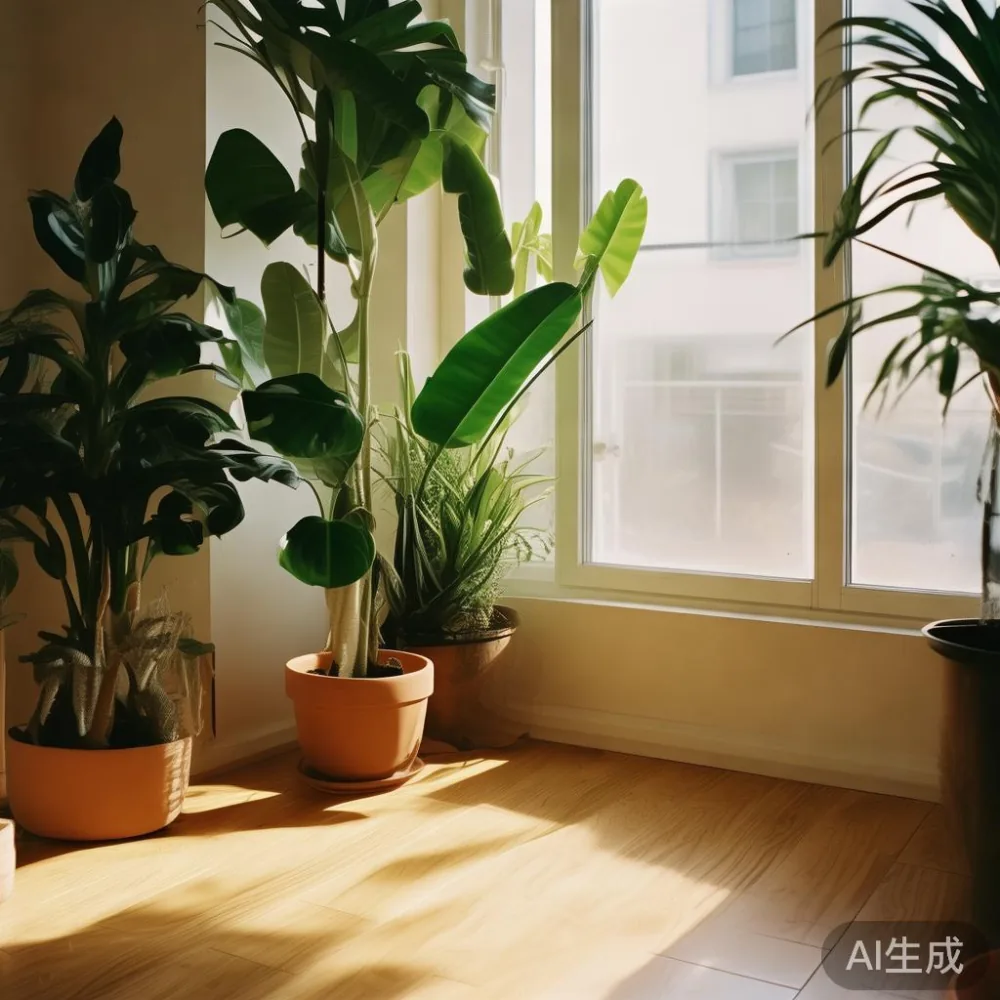
Why Your Furniture Layout is the Secret Weapon Against a Cramped Room?
Before you think about replacing your wardrobe or buying a new marble table, consider the most powerful tool you have: the layout. A well-planned arrangement can create an illusion of space that no single piece of furniture can achieve on its own. In Singapore HDBs, where lift lobbies and corridors can be narrow (often 120-150 cm wide), the path from your front door to your living room must be clear and unobstructed. This means placing furniture, like a solid wood sofa or a heavy bed frame, at least 50 cm away from walls to allow for visual breathing room.
Think about the flow of movement. When you walk into your bedroom, your eyes should travel across the room, not stop at a bulky nightstand or a wardrobe that juts out. For a 3.6m x 3.6m bedroom, placing the bed against the longest wall with a 30 cm gap on either side creates a balanced, symmetrical look. This is far more effective than squeezing it into a corner. The same principle applies to your living area. Floating your sofa away from the wall, even by just 20-30 cm, can make a dramatic difference in perceived depth. It creates a walkway behind the furniture, which tricks the eye into seeing a larger floor plan.
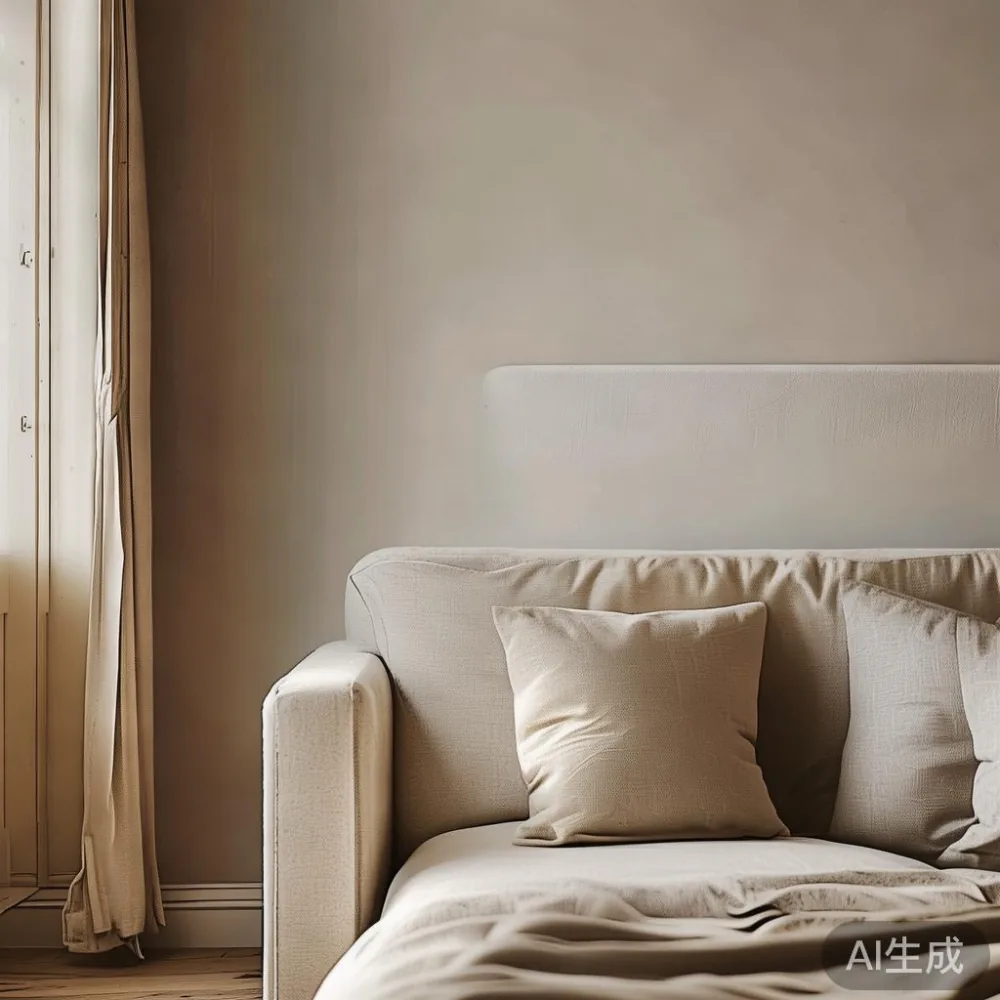
My colleague, Sarah, recently moved into a new condo in Bedok. Her living room was a long, narrow 4m x 5m space. She was convinced she needed a smaller sofa to make it work. Instead, we placed her existing solid wood sofa perpendicular to the longest wall, creating a defined conversation area. This simple change instantly broke up the long rectangle, making the room feel less like a hallway and more like a cohesive living space. It’s a proof of how layout can redefine a room without spending a single dollar on new furniture.
Choosing Furniture That Works With Your Space, Not Against It
Once you have a layout strategy, the next step is selecting furniture that is proportionate to your room. Oversized pieces are the primary culprits in making a small space feel crowded. A standard three-seater sofa can be 200 cm long, which can dominate a small living room. Instead, consider a two-seater sofa that is around 150 cm long, or a modular sofa that can be configured to fit your exact space. The weight of furniture is also a factor; a solid wood sofa, while durable and beautiful, can weigh over 60 kg. Ensure your floor can support it and that you can work through it through your apartment's 80 cm wide doorways during delivery.
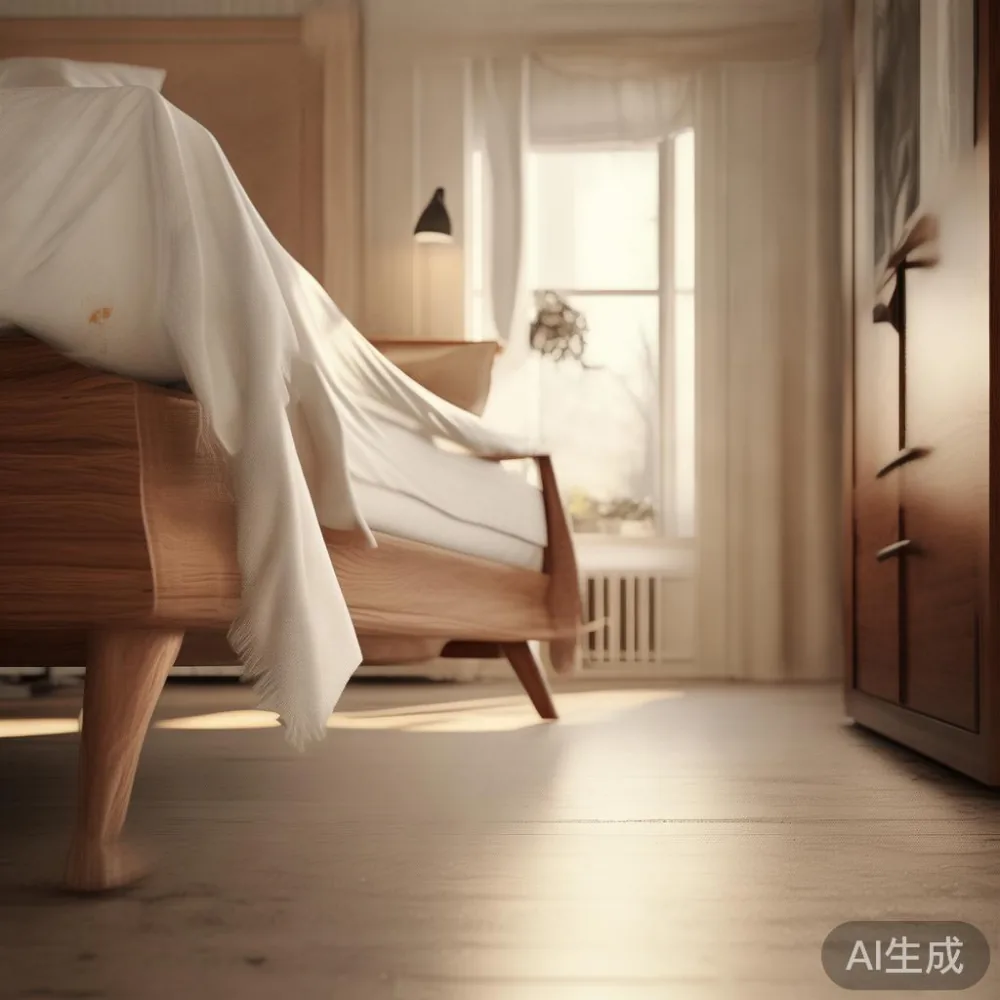
For bedrooms, the bed frame is the anchor of the room. A bulky, ornate frame with elaborate footboards can eat up precious floor space. Opt for a platform bed with low, slim legs. This choice creates a sense of lightness and allows you to see more of the floor underneath, which visually expands the room. The height of your nightstand is also critical. A nightstand that is taller than your mattress can visually cut off the bed from the rest of the room. Choose one that is level with or slightly shorter than the mattress top to maintain a clean, horizontal line.
When considering storage, think vertically. A tall, narrow wardrobe is far more space-efficient than a low, wide one. This is especially important in Singapore where GST is applied, so you want your furniture to be a long-term investment. A well-made wardrobe can last for 10-15 years. If you are browsing for sale Minimalist furniture, look for pieces with clean lines and hidden storage compartments. A wardrobe with sliding doors, for instance, eliminates the need for clearance space in front of it, which is a standout piece in a narrow bedroom.
\nHow to Choose Mid-century Modern Wardrobe for a Small Bedroom?
The Mid-century modern style is a fantastic choice for small apartments. Its defining characteristics—clean lines, organic shapes, and the use of natural materials like teak and walnut—are inherently uncluttered. When choosing a Mid-century modern wardrobe, focus on two things: form and function. The form should be simple and elegant. Look for tapered legs, geometric handles, and a silhouette that is taller than it is wide. This draws the eye upward, creating the illusion of higher ceilings.
Functionally, the wardrobe must be practical. Internal organisation is key. A wardrobe with a combination of hanging rails, shelves, and drawers allows you to store everything efficiently. A good wardrobe will have at least 60 cm of hanging space for long items like dresses and coats. For a small Singapore bedroom, a wardrobe with a width of 120 cm and a height of 200 cm offers a generous amount of storage without overwhelming the room. The price for a solid wood wardrobe of this size from a reputable maker like MIDHILL can range from SGD 1,800 to SGD 2,500, depending on the wood species and finish. This investment is protected by a 10-year structural warranty, giving you peace of mind.
Integrating this style into your bedroom can be smooth. Pair the wardrobe with a simple platform bed in a complementary wood tone. Add a small marble table on one side as a nightstand. The cool, smooth surface of the marble against the warm wood of the bed and wardrobe creates a sophisticated, balanced look. This combination is a perfect example of how to style European light luxury wardrobe in bedroom without making the space feel heavy or ornate. The light luxury approach is about curated quality, not maximalist decoration.
Light Luxury and the Illusion of Space
The concept of light luxury, whether it's French, American, or post-modern, is perfectly suited for small apartments. It’s about creating a sense of quality and elegance through material and design, rather than sheer size. French light luxury, for instance, might incorporate a delicate headboard with an upholstered panel and slender brass accents. This adds texture and a touch of opulence without adding bulk. An American light luxury approach might favour a simple, substantial bed frame in a rich walnut finish, paired with high-thread-count linens, focusing on comfort and material quality.
Post-modern light luxury is a bit more eclectic, often mixing materials like wood, metal, and marble. You might find a bed frame with a geometric metal base and a headboard made of slatted wood. This style allows for personal expression while maintaining a clean, uncluttered aesthetic. The key is to use these pieces as focal points. A beautifully crafted headboard can be the star of the bedroom, drawing attention and making the room feel more intentional and complete. You don't need multiple statement pieces; one or two well-chosen items are enough.
Consider the colour palette. Light colours like white, beige, light grey, and soft pastels reflect more light and make a room feel larger. If you love dark wood furniture, like a solid wood sofa or a dining table, balance it with plenty of light-coloured walls and soft furnishings. A dark sofa in a light room can create a striking contrast without making the space feel small. The same principle applies to a marble table; a white or light grey marble top will feel more airy than a dark one.
Practical Tips for Singaporean Living Spaces
Beyond the big pieces, the small details matter. In a Singapore apartment, where natural light can be limited, lighting is your best friend. Use multiple light sources: a central ceiling light for general illumination, table lamps for reading, and floor lamps to illuminate dark corners. A floor lamp placed in a corner will bounce light off the walls, making the room feel bigger. The placement of your furniture should also consider the light sources. Don't block a window with a heavy sofa or a large wardrobe.
Mirrors are another classic trick for creating the illusion of space. A large mirror placed opposite a window will reflect the light and the view, effectively doubling the perceived size of the room. A full-length mirror on the back of a door or leaning against a wall is also a great option. When choosing a mirror, consider its frame. A simple, thin frame is less visually obtrusive than a thick, ornate one.
p>Finally, consider the practicalities of living in Singapore. Delivery for furniture can take 7-14 business days, so plan your purchases well in advance. For orders over SGD 350, many retailers offer free shipping, which can save you a significant amount, especially for heavy items like a bed frame or wardrobe. Always check the return policy; a 14-day return window gives you a chance to see if a piece truly works in your space before you commit to it.Ultimately, styling a small apartment is about editing and intention. Every piece of furniture should have a purpose. Before you buy a new nightstand or a decorative table, ask yourself if it serves a function or if it's just taking up space. By choosing furniture that is proportionate, well-designed, and thoughtfully arranged, you can create a home that feels spacious, sophisticated, and uniquely yours, no matter the size of your flat.