Preserving the Sheen: Caring for Your Lacquered Headboard in Singapore
For many residents in Singapore, from the high-rise apartments of Tampines to the landed homes of Punggol, the bedroom is a personal sanctuary. A key element of this sanctuary is the headboard, often a statement piece that anchors the entire room's aesthetic. At MIDHILL, we've been crafting solid wood furniture, including elegant headboards, since 2008, and we understand the unique challenges a tropical climate like Singapore's presents. The constant humidity and temperature fluctuations can be particularly demanding for a beautiful lacquered finish, a common feature on our modern French provincial furniture collections. This guide offers practical, detailed advice on how to care for your lacquered headboard, ensuring its beauty endures for years to come.
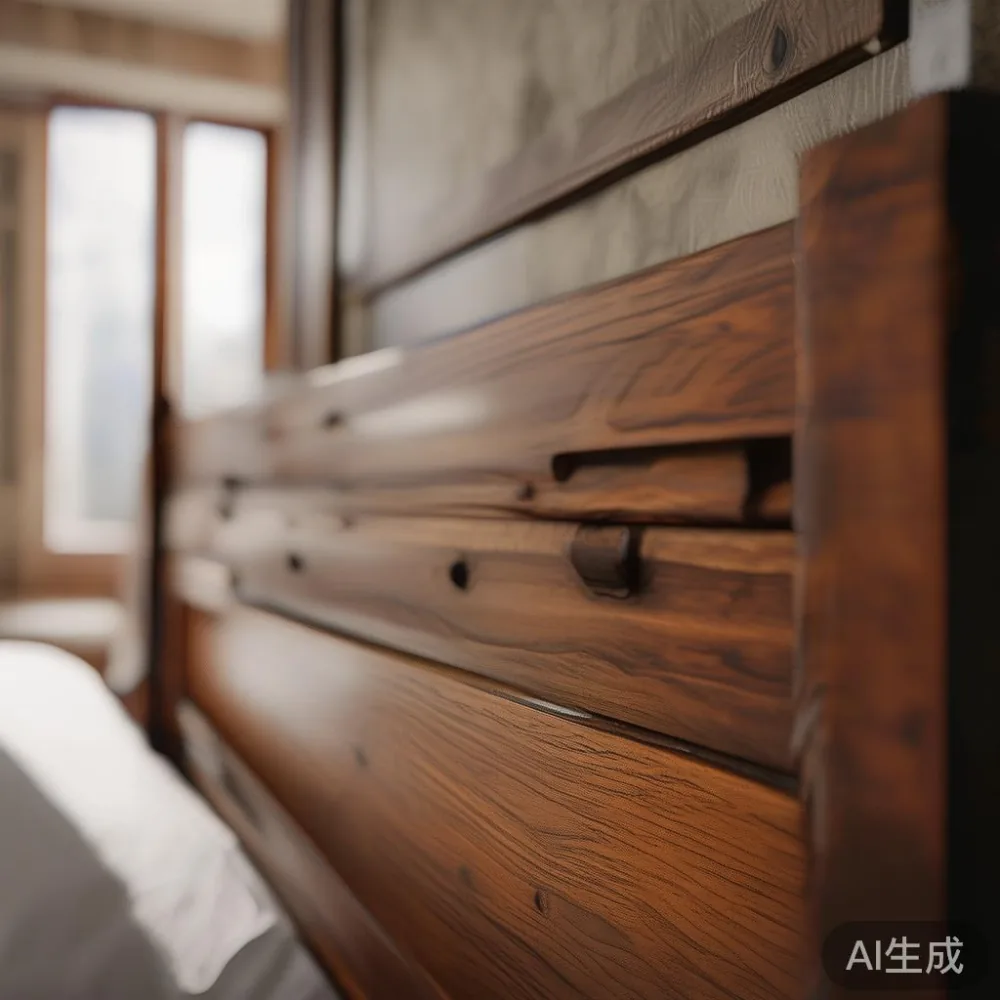
Understanding Your Lacquered Headboard's Finish
Before we discuss care, it's helpful to understand what a lacquered surface is. Lacquer is a durable, high-gloss finish applied over solid wood, creating a hard, protective layer. It's prized for its deep, reflective sheen and ability to highlight the natural grain of the wood. This finish is different from an oil or wax finish; it's less porous and more resistant to everyday stains. However, its rigidity also makes it susceptible to specific environmental stresses, which is why a tailored care routine is necessary in a place where the ambient humidity can hover around 80% and the temperature rarely dips below 25°C.
When selecting a headboard, especially one with a lacquered finish, you're investing in a piece of furniture that combines artistry with function. The finish is not just for appearance; it's a protective shield for the solid wood beneath. A well-maintained lacquered headboard will not only look stunning but will also maintain its structural integrity over the long term. This is why, at our Foshan workshop, we apply a multi-layer lacquering process to each headboard, a technique we've refined over our 15+ years of exporting to countries with diverse climates, from the dry heat of Arizona to the damp conditions of Singapore.
How Does Singapore's Climate Specifically Damage Lacquer?
Singapore's climate is defined by high humidity and high temperatures, a combination that can wreak havoc on furniture finishes if not properly managed. The primary threats to your lacquered headboard are moisture and thermal expansion.
Moisture is the most significant enemy. Excessive humidity can be absorbed by the wood underneath the lacquer layer, even though the lacquer itself is a good barrier. This absorption causes the wood to swell. Since the lacquer finish is rigid and does not expand at the same rate, this creates immense internal stress. Over time, this stress can manifest as tiny cracks in the lacquer, known as 'checking'. These cracks are not just cosmetic; they allow more moisture to penetrate the wood, potentially leading to more serious issues like warping or mold growth. This is a particular concern for headboards placed against an external wall in older HDB flats, where temperature differences can be more pronounced.
Thermal expansion is another factor. Singapore's buildings, whether a 5-room HDB flat in Bedok or a condominium in the Tampines area, can experience significant temperature swings between day and night, especially with air-conditioning running constantly. The wood and the lacquer expand and contract at different rates with these temperature changes. This repeated cycle of expansion and contraction weakens the bond between the finish and the wood, accelerating the aging process and making the surface more prone to dullness or fine cracks.
What is the Correct Way to Clean a Lacquered Headboard?
Regular cleaning is the foundation of headboard care. The goal is to remove dust and grime without scratching or damaging the delicate lacquer finish. Here’s a step-by-step guide to cleaning your headboard effectively.
First, gather your tools. You will need two soft, lint-free microfiber cloths. One for dusting and one for applying any cleaning solution. A soft-bristled brush, like a clean makeup brush or a dedicated furniture brush, can also be useful for intricate details on the headboard. Avoid all abrasive materials, including sponges with rough surfaces, paper towels, and feather dusters, as they can scratch the surface.
The process should begin with dry dusting. Starting at the top of the headboard, gently wipe the surface with a clean, dry microfiber cloth. Work your way down in a systematic manner, such as from left to right, to ensure you cover the entire surface. This removes the abrasive particles of dust that can act like sandpaper on the finish. For carvings or textured areas, use the soft-bristled brush to gently dislodge dust before wiping it away with the cloth.
For routine cleaning, a slightly damp cloth is often all that is needed. Lightly dampen one of your microfiber cloths with distilled water. Distilled water is preferred as it lacks the minerals found in tap water, which can leave behind a filmy residue. Wring the cloth thoroughly so it is damp, not wet. Gently wipe the headboard in the direction of the grain, if it's visible. Immediately follow with a dry, clean microfiber cloth to buff the surface to a shine. This two-step process prevents any moisture from lingering on the lacquer.
Can I Use Household Cleaners on My Lacquered Headboard?
This is a critical question, and the answer is a firm no. Most common household cleaners are formulated for specific surfaces like glass, stainless steel, or laminate, and they are highly damaging to lacquered wood. Products containing ammonia, alcohol, or strong solvents will strip away the protective lacquer layer, leaving the wood underneath exposed and dull.
Even furniture polishes can be problematic. Many polishes contain silicone or oils that can build up over time, creating a hazy, sticky film on your headboard. This film attracts dust more easily and can be very difficult to remove without harsh chemicals, which would further damage the finish.
If you encounter a stubborn spot or stain, the safest approach is to use a dedicated wood cleaner formulated for lacquered or finished surfaces. These products are designed to clean effectively without harming the finish. Apply a small amount to your microfiber cloth, not directly onto the headboard, and gently rub the affected area. Always remember to wipe away any residue with a clean, damp cloth followed by a dry one. For example, a small 500ml bottle of a premium wood cleaner might cost around SGD 45 from a specialty store, and it should last for many months of regular use.
Protecting Your Headboard from Environmental Factors
Prevention is always better than cure. Beyond regular cleaning, proactive measures can significantly extend the life of your lacquered headboard in Singapore's climate.
Positioning is key. Avoid placing your headboard directly in front of an air-conditioning vent. The constant, direct blast of cold, dry air can cause the lacquer to contract too rapidly, leading to stress cracks. Similarly, do not position it directly under a window where it will be exposed to direct sunlight. UV rays will fade the lacquer over time, causing it to lose its lustre and potentially turn yellow. If direct sunlight is unavoidable, consider using a sheer curtain to diffuse the light.
Managing humidity in the bedroom is another effective strategy. While you cannot control the weather, you can control the indoor environment. Using a dehumidifier, especially during the monsoon season from November to January, can help maintain a more stable humidity level inside your bedroom. A good dehumidifier can reduce the humidity to a more comfortable 50-60%, which is much healthier for your furniture. A standard 20-litre capacity dehumidifier, suitable for a medium-sized bedroom of about 16 square metres, costs approximately SGD 350 and can run for 8-10 hours before needing to be emptied.
For ultimate protection, consider applying a high-quality carnauba wax polish specifically designed for lacquered surfaces once or twice a year. A thin layer of wax provides an additional barrier against moisture and dust. It also buffs up to a brilliant shine. Apply the wax with a clean, soft cloth in a thin, even layer, let it dry to a haze, and then buff it off thoroughly with another clean cloth. This simple ritual can make a world of difference in maintaining the deep, reflective finish of your headboard.
When Should I Seek Professional Refinishing for My Headboard?
Even with the best care, a lacquered headboard may eventually show signs of wear. The good news is that with MIDHILL, this is rarely a permanent problem. Our 10-year structural warranty and lifetime refinishing service are designed to give you peace of mind. But how do you know when it's time to call in the professionals?
The most common reason for refinishing is a significant loss of sheen or the appearance of fine scratches that cannot be buffed out. If your headboard's once-glossy surface has become dull and hazy, a professional refinishing can restore it to its original glory. Similarly, if the lacquer has developed deep cracks or 'checking', it's a sign that the protective layer has been compromised. Attempting to repair this yourself is not recommended, as amateur repairs often result in an uneven, patchy finish.
Last month, I visited a client in a Punggol condominium who had a beautiful solid wood bed frame with an integrated lacquered headboard. Over 7 years, the headboard had accumulated numerous fine scratches from contact with bedding and jewellery. The owner was worried it was beyond repair. We assessed the piece and determined that a full refinishing was the best course of action. Our team carefully stripped the old lacquer, sanded the surface to a perfectly smooth finish, and applied a new, multi-layer lacquer coating. The result was a headboard that looked brand new, a proof of the durability of solid wood when properly cared for. The refinishing service cost the client SGD 850, which was significantly less than the price of a new headboard, and it was completed within 5 days, with the furniture returned to her apartment.
Remember, professional refinishing is a restorative process, not a sign of failure. It's a way to preserve a piece you love and an investment that pays off in the longevity of your furniture. For items like our under 2000 Modern furniture pieces, this service ensures your investment is protected for a lifetime. And with our free shipping service on orders over SGD 350, getting your furniture to our workshop for care is simple and cost-effective.