Veneer vs Solid Wood Headboards: A 5-Year Cost Comparison for Singapore Homes
A headboard is often the largest visible surface in a Singapore bedroom, yet its material is easy to overlook. It touches the bed every night, defines the visual character of the room, and must fit through a lift, along a corridor, and around the turning corners of an HDB flat or condo. Veneer and solid wood can both look convincing at purchase. Over 5 years, however, their costs can diverge because of maintenance, repair, replacement, care, and the way each material handles Singapore humidity.
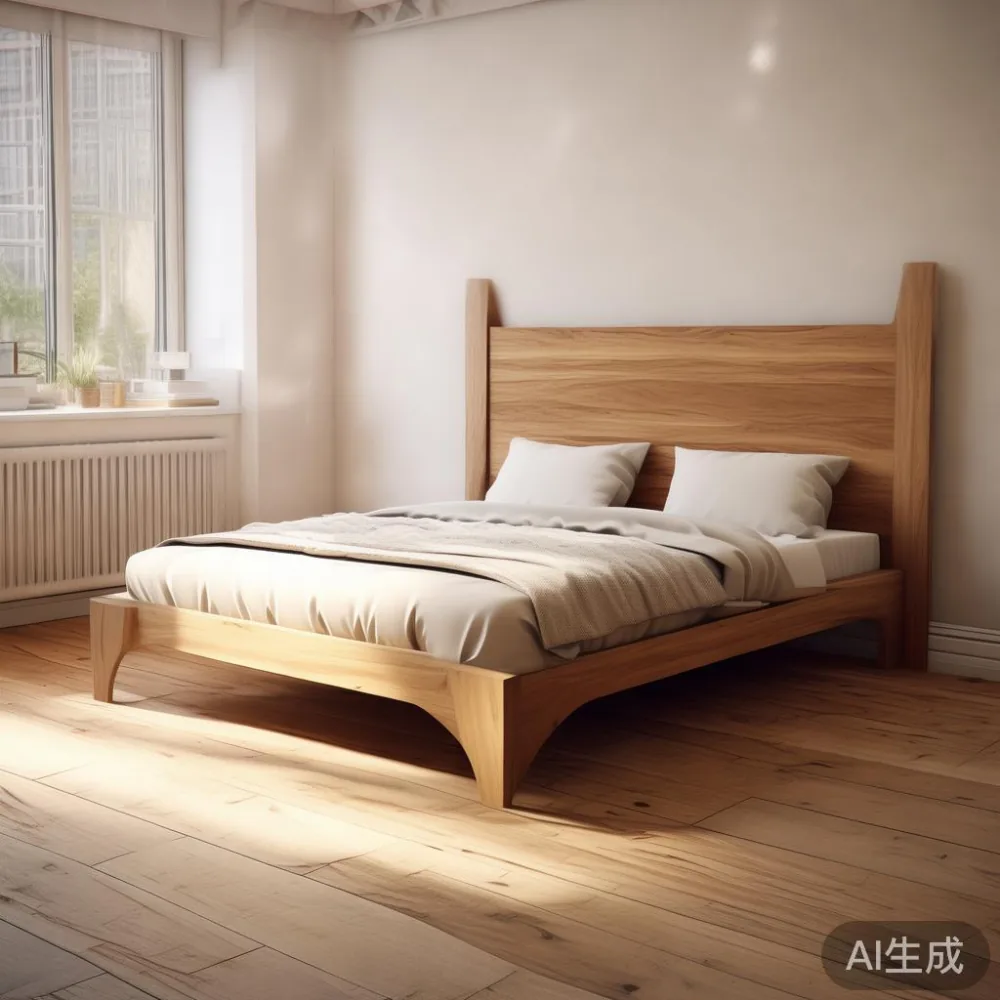
This comparison uses realistic Singapore figures in SGD, including GST and delivery. A representative upholstered headboard measures 180 cm wide by 110 cm high and weighs 35–45 kg if solid wood, compared with 22–30 kg for a veneered frame. Delivery within Singapore usually takes 3–7 working days after production. These are planning estimates rather than universal quotations; timber species, fabrication, and custom dimensions can change the final price.
What is the real 5-year cost of a veneer versus solid wood headboard?
The answer depends on what “cost” includes. Purchase price is only one part of a 5-year calculation. Add delivery, installation, care products, repair labour, downtime, and the residual value of the headboard. A veneer headboard may cost about SGD 1,200, while a comparable solid oak headboard may cost SGD 2,600. Those figures cover a standard 180 × 110 cm upholstered design with a timber frame.
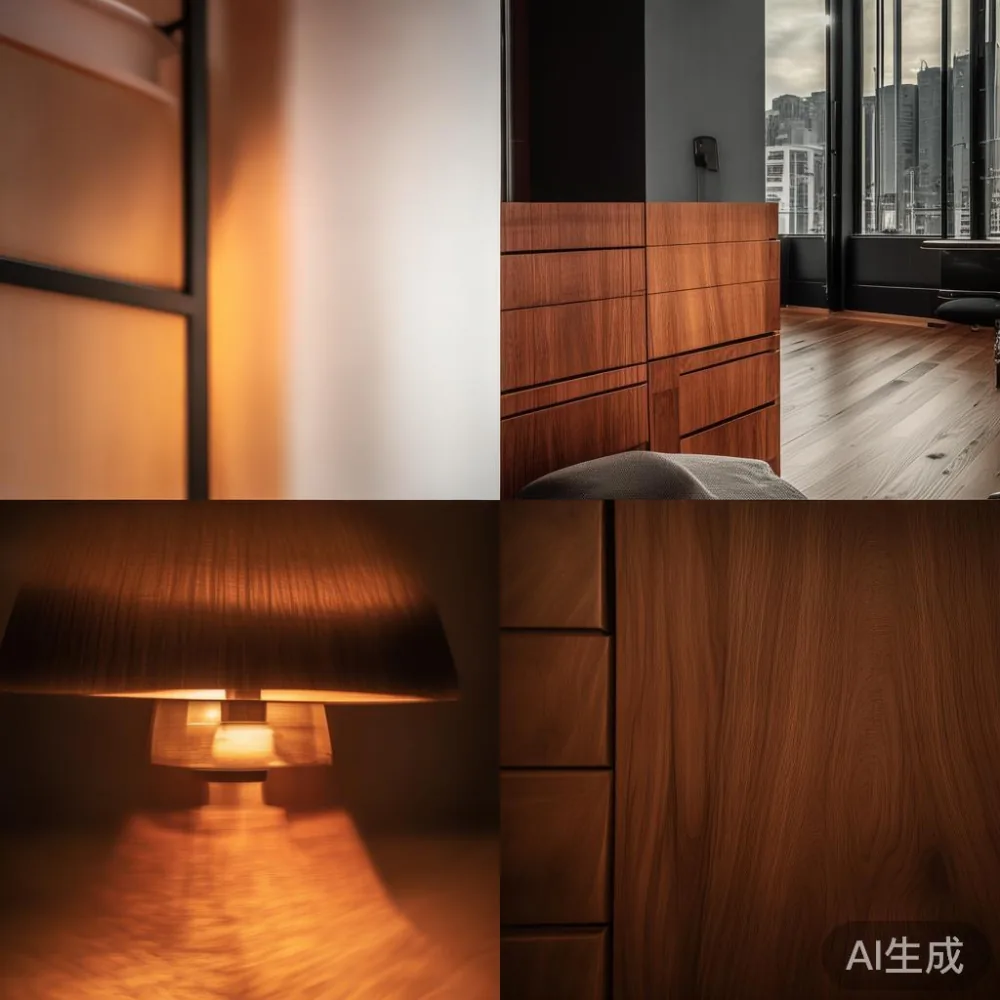
Here is a practical baseline for one bedroom:
Veneer example: SGD 1,200 for the headboard, SGD 80 delivery and installation, SGD 45 for cleaning and minor care, SGD 120 for one repair, and SGD 0 for replacement. The estimated 5-year total is SGD 1,445.
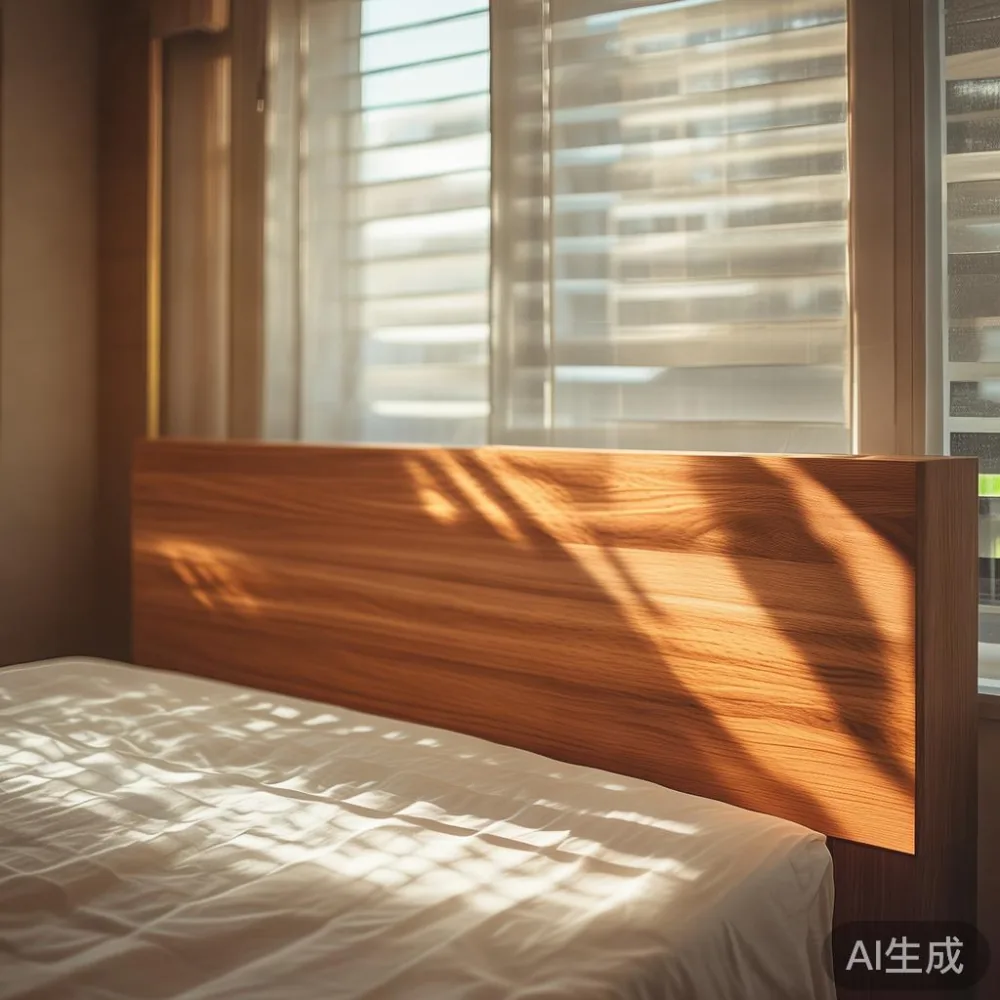
Solid wood example: SGD 2,600 for the headboard, SGD 100 delivery and installation, SGD 90 for maintenance, SGD 180 for one repair, and SGD 0 for replacement. The estimated 5-year total is SGD 2,970.
The solid wood option starts with a higher cost, but not always with a higher 5-year total. If the wood headboard is cared for and retains its structural integrity, its repair needs may remain modest. A well-specified veneer headboard can also last 5 years with little intervention. The key is matching the material to the installation and to the household’s maintenance habits.
How do veneer and solid wood headboards perform in Singapore humidity?
Singapore’s high humidity makes material construction more important than the label alone. A bedroom may sit at 60–75% relative humidity across the year. Air-conditioned rooms are often drier, around 45–60%, while the air outside a corridor or near an unventilated lift lobby can feel close. Changes in moisture can cause timber movement of roughly 1–3 mm across a 100 cm board, depending on species, thickness, and finish.
Solid wood can move, split, or check as it responds to humidity. These changes do not automatically mean failure, but exposed edges, joints, and drilled areas need attention. Quality furniture uses appropriate joinery and a finish that permits controlled movement. Inspect a solid wood headboard for end-grain sealing, stable construction, and ventilation behind the panel. Avoid attaching it directly against a cold wall with no air gap.
Veneer is a real layer of timber, commonly 0.6–1.2 mm thick, bonded to a stable substrate. Its cross-sectional stability can be excellent when the substrate and bonding are sound. However, moisture exposure can cause edge swelling, bubbling, or delamination if water repeatedly enters a vulnerable joint. Ask whether the veneer headboard has sealed edges and a moisture-resistant core. Scratches through the face veneer are also more conspicuous on dark, open-grain timber because the substrate may have a different colour.
For a Tampines HDB flat with tight ventilation, choose a headboard with a sealed back and edges, then leave 30–60 mm of clearance from the wall where practical. The same applies in Bedok and Punggol condos. Installation should not block the bed’s headboard gap, power outlets, or the sliding wardrobe doors.
What does each material cost to maintain over 60 months?
Over 60 months, veneer care may involve dusting 2–3 times per week, gentle cleaning every 2–3 months, and an occasional repair. A typical household might spend SGD 45–100 on a suitable cleaner, microfibre cloths, and small supplies. Solid wood may require a compatible polish or oil every 6–12 months, adding approximately SGD 80–160 over 5 years. Always test a product on a hidden area and avoid silicone-heavy polishes that create a patchy surface.
Cleaning frequency matters more than brand. A headboard behind a bed collects dust, skin flakes, hair products, and perspiration. Keep fabrics washable where possible, use a mattress protector, and vacuum the panel every 2 weeks. For timber, wipe spills within 10 minutes and keep humidifiers at sensible settings. Direct sunlight through a west-facing condo window can fade upholstery and lighten timber; rotating blinds can reduce daily exposure.
Small repair costs differ too. Re-gluing a loose veneer edge might cost SGD 40–80, while filling and refinishing a chip in solid timber might cost SGD 90–180. A damaged panel face can require a fabric replacement rather than a timber repair. Budget about SGD 100–250 for one upholstered repair in either material, depending on access and the supplier.
MIDHILL describes a 10-year structural warranty on its qualifying furniture and offers lifetime refinishing, so customers should confirm the exact coverage for the chosen model. A warranty is not a substitute for humidity-aware care. Ask for written terms covering solid wood movement, veneer delamination, joints, and finish defects.
Do delivery and installation costs change the calculation?
They can. A standard HDB lift with an internal door width of about 80–90 cm and a lift car of roughly 110 × 140 cm may accept a flat-packed or slim headboard more easily than a rigid 180 cm panel. Condo corridors can be narrower or have sharper turns. Before ordering, measure the lift door, lift depth, corridor turns, stair width, bedroom doorway, and the route to the bed position.
Local delivery for a ready or stock model may cost SGD 40–100, while custom production can add SGD 150–400 because the headboard is made to dimensions. A custom 180 × 120 cm solid wood headboard may weigh 50–65 kg and need 2 installers. The charge may be SGD 120–250. For a veneer version weighing 28–38 kg, 1–2 installers may be enough, depending on the shape.
Assembly damage matters financially. A raw timber panel that flexes during transport can crack at a joint. A knock to a veneered face can leave a visible bruise. Request corner protection, a rigid carton, and clear installation instructions. Confirm whether the quote includes carrying to the bedroom, unpacking, assembly, and removal of packaging. These details can add 15–30 minutes per installation and prevent a costly trip to the workshop.
MIDHILL’s stated free shipping threshold of US$350 does not automatically equal free Singapore delivery because international thresholds, taxes, and freight arrangements differ. Singapore buyers should request an all-in local quotation including GST, delivery, and installation.
Which headboard is cheaper after 5 years?
For the baseline example, veneer is cheaper by SGD 1,525 over 5 years: SGD 1,445 against SGD 2,970. If the solid wood headboard requires one refinishing service costing SGD 250, its total becomes SGD 3,220, widening the gap to SGD 1,775. If the veneer panel suffers water damage and one section must be replaced for SGD 550, its total rises to SGD 1,995, still below the solid wood example.
However, replacement assumptions can change the result. Suppose a low-cost veneer headboard lasts 18 months before the face bubbles near a pipe leak and replacement costs SGD 1,200. Two cycles over 5 years could make veneer more expensive. Solid wood damaged by the same incident may be refinished for SGD 250–400 if the structure remains sound.
This is where lifespan and resale value enter the decision. A well-built solid wood headboard may retain more character and could be sold after 5 years for 25–40% of its original retail price. A quality upholstered veneer headboard might recover 15–30%. These are broad resale estimates, not guaranteed offers. Wall-to-wall fitted furniture often has lower resale value because removal is difficult, so a freestanding design may be easier to rehome.
The most useful question is not whether one material is universally economical. It is which headboard is likely to remain in good condition for 60 months in the actual bedroom.
How should you choose a headboard for an HDB flat or condo?
Choose solid wood when the design calls for exposed timber, visible joinery, or a substantial focal point. It suits a room with stable environmental conditions and offers the potential for refinishing. Choose veneer when the priority is a refined appearance at a lower initial outlay, particularly with upholstered panels where the timber is mostly concealed. Neither material should compensate for poor fitting or dampness.
For HDB interiors, French provincial styling may pair naturally with a shaped or upholstered headboard. A French provincial TV console can balance the timber elsewhere in the room, but the headboard should remain visually connected through colour and proportion rather than matching every item exactly.
Singapore families often use the bedroom for storage. If you are working out how to style Japanese wardrobe in bedroom layouts, allow the headboard to sit beside rather than collide with sliding panels. Check that the bed’s headboard does not obstruct a wardrobe opening by more than a few centimetres. A slim upholstered panel may be easier to integrate than a deeply moulded timber one.
Light-luxury interiors also reward mixed material discipline. American light luxury commonly combines pale timber, linen textures, and dark metal accents. A solid oak headboard can provide the warm anchor, while a matching veneer option may offer similar visual impact with less weight. Post-modern light luxury may use cleaner geometry, making a flat veneer panel more practical than ornate solid timber.
Other product references can help you judge scale. An under 2000 Industrial furniture budget should not encourage oversized headboards in compact rooms. If you are comparing cheap Mid-century modern furniture, check whether the “cheap” sample has a properly sealed timber edge or only a printed surface. A European light luxury dressing table or marble table may be used beside the bedroom, but its finish should not be copied with a glossy, fragile headboard panel.
Do not judge a wardrobe by one showroom piece. When searching for the best Vintage wardrobe for 2026, inspect drawer movement, door alignment, moisture resistance, and the finish around handles. The same level of inspection applies to a solid wood sofa, bed frame, dining table, wardrobe, nightstand, or marble table. Stable construction matters more than a fashionable surface.
What questions should you ask before ordering?
Ask the supplier for the timber species, core material, veneer thickness, finish type, panel weight, and total dimensions. Confirm whether “solid wood” applies to the whole headboard or only selected visible parts. A headboard can have a solid wood frame with plywood or engineered timber elsewhere. That is not misleading if disclosed, but it affects weight and care expectations.
Next, ask how the headboard will be delivered. Request the carton dimensions and whether the installer can bring it to the bedroom. Measure the narrowest point along the route, including the lift lobby turn. If the lift door is only 80 cm wide, a 90 cm wide rigid panel will not fit unless it is disassembled; do not assume the installer can tilt it through the lift frame.
Then ask about care, warranty, and refinishing. Confirm the process for veneer scratches, solid wood checks, upholstery stains, and structural joint loosening. A 10-year structural warranty should be read alongside exclusions for moisture, impact, and unauthorised modifications. MIDHILL’s lifetime refinishing policy is relevant for eligible solid wood surfaces, while the exact scope for veneer and upholstery should be stated in the order documents.
What did I see during a real headboard inspection?
Last month I visited a colleague’s three-room flat in Punggol to inspect a newly installed headboard. The bedroom measured about 3.2 × 3.6 m, and the bed sat between a 78 cm wardrobe run and a window. The original 180 × 110 cm headboard was veneered, upholstered in warm grey fabric, and weighed about 26 kg. It had passed through the lift without removing the bedroom door because the panel had been split into 2 sections and joined after assembly.
During the visit, I used a moisture meter to check the lower rear edge. The reading was 12–14%, compared with 8–10% in the air-conditioned centre of the room. The veneer itself was sound, but the exposed lower edge had absorbed enough moisture to look slightly darker. We moved the bed 40 mm forward, added a 20 mm ventilation gap, and sealed the edge after it dried. The installation took 35 minutes rather than the 15 minutes originally estimated.
That experience highlighted an important point: a lower purchase price can be offset by design details. A stable core, sealed edges, a ventilated installation, and a manageable panel size can protect a veneer headboard for the full 60 months. Solid timber still has an advantage for exposed grain and repairability, but it is not automatically immune from humidity. The practical winner is the headboard specified for the room, installed correctly, and maintained on schedule.