Beyond the Surface: The True Cost of Your Headboard Over 5 Years
In Singapore, where a bedroom is often a sanctuary from the high-energy pace of life, the headboard is more than just a functional piece. It's the anchor of the room, a statement of style, and a significant investment in your daily comfort. For residents in HDB flats from Tampines to Punggol, and in condominiums with narrower lift and corridor widths, choosing the right headboard involves a careful balance of aesthetics, durability, and long-term value. The debate between veneer and solid wood is a common one, but the true difference only becomes clear when you look beyond the initial price tag and examine the full cost of ownership over time.
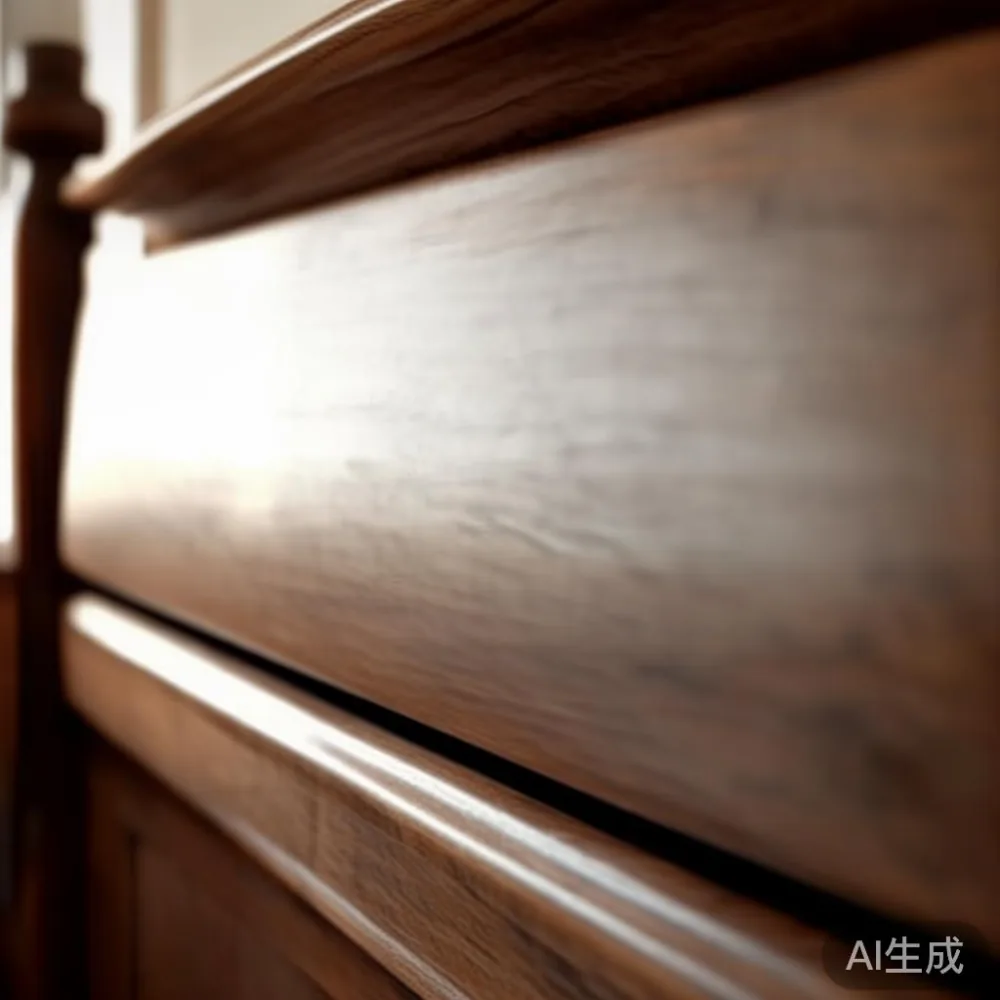
What's the Real Difference Between Veneer and Solid Wood Headboards?
At its core, the distinction lies in construction and material. A solid wood headboard is crafted from a single piece or multiple solid planks of wood, such as oak, walnut, or mango wood. This means the visible surface, the internal structure, and the frame are all made from genuine timber. The grain you see on the front continues through the thickness of the piece, giving it a tangible, substantial feel. A solid wood headboard will typically weigh between 40 kg and 80 kg, depending on the wood type and size, making it a substantial presence in any bedroom.
A veneer headboard, on the other hand, uses a thin layer of real wood (the veneer) applied over a core of engineered wood, such as Medium-Density Fibreboard (MDF) or particleboard. The veneer provides the beautiful, natural wood grain on the surface, but the underlying structure is not solid wood. This construction method allows for more intricate designs and often a lower initial purchase price. A typical veneer headboard might weigh between 25 kg and 45 kg. While this makes it lighter and potentially easier to manoeuvre through Singapore's standard HDB lift dimensions (approximately 110 cm x 210 cm), the long-term durability tells a different story.

Initial Investment: The Upfront Cost Breakdown
The most obvious difference between veneer and solid wood headboards is the initial price point. Let's consider a standard queen-size headboard measuring 160 cm wide by 150 cm tall. In the Singapore market, a veneer headboard from a reputable local brand would typically cost between SGD 800 and SGD 1,500. This price reflects the cost of the veneer layer and the engineered wood core. It's an attractive entry point for furnishing a new home or bedroom.
A solid wood headboard of comparable dimensions from a maker like MIDHILL, which has been producing quality pieces since 2008, would start from approximately SGD 2,500 and can go up to SGD 5,000 or more, depending on the wood species and finish. The higher cost reflects the premium material, the more labour-intensive crafting process, and the inherent value of solid timber. For many, this upfront difference is the deciding factor. However, viewing this purely as a cost ignores the concept of value, which is measured over the entire lifespan of the product.
Year 1-2: Installation, Delivery, and Early Impressions
The initial experience extends beyond the purchase price. Delivery is a key consideration for Singaporean homeowners. A veneer headboard, being lighter, might be delivered by a standard courier service within 3 to 5 business days. A solid wood headboard, due to its weight and value, often requires specialised delivery and installation services. For example, a delivery to a Tampines HDB flat might take 7 to 10 business days, with a two-man team to handle the 60 kg box safely through the corridors and lift.
During this period, both types of headboards will look beautiful. A new French provincial TV console or a solid wood bed frame from the same collection would complement either headboard perfectly. The veneer's surface is flawless, and the solid wood's rich, deep grain is immediately apparent. However, the first signs of potential issues with a veneer headboard can begin to appear as early as the end of the first year. Small dings or impacts can cause the thin veneer layer to chip or reveal the engineered wood underneath, whereas a solid wood headboard would simply show a mark on the timber, which can be easily sanded out.
Year 3: The First Signs of Wear and Maintenance Costs
By the third year, the initial honeymoon period is over, and the furniture is subject to the realities of daily life. This is where the divergence in cost becomes more apparent. A veneer headboard, particularly in a humid environment like Singapore, is more susceptible to damage. The glue bonding the veneer to the MDF core can weaken with fluctuations in temperature and humidity. This can lead to the veneer lifting or bubbling at the edges, especially if the headboard is placed near an air-conditioning vent or a window.
Repairing this damage is not straightforward. A professional furniture repair service in Singapore might charge SGD 150 to SGD 300 to fix a small area of lifted veneer. The process involves carefully re-gluing the veneer, which is a delicate job. If the damage is extensive, the repair cost could approach SGD 500 or more, approaching the price of a new, lower-end veneer headboard. In contrast, a solid wood headboard might show some wear, like minor scratches from a nightstand or the bed frame, but these are superficial. The structure remains sound. A simple touch-up with a wood marker or a light sanding and reapplication of a natural oil finish can resolve these issues for a cost of under SGD 50 in materials.
How to Choose a European Light Luxury Bed and Its Headboard?
When considering a more luxurious aesthetic, such as French light luxury or American light luxury, the material choice for the headboard becomes even more critical. The clean lines and elegant proportions of a European light luxury bed are often defined by the quality of its components. A veneer headboard can achieve a similar look initially, but the thinness of the material can lack the depth and character that solid wood provides. The rich, three-dimensional grain of a solid wood headboard is a hallmark of true quality and adds a sense of permanence and luxury to the bedroom.
For example, someone searching for 'how to choose European light luxury bed' should understand that the headboard is a central element. A solid wood headboard offers a tactile experience that veneer cannot match. It feels substantial and has a warmth that resonates with the style. Also, the colour and finish of a solid wood headboard will age gracefully, developing a patina that tells a story. A veneer headboard, on the other hand, is more likely to look dated as its finish fades and the potential for delamination increases. The choice of a solid wood headboard is an investment in the timeless elegance of the entire piece.
Year 4-5: The Cost of Replacement vs. Refinishing
This is the period where the long-term financial implications become starkly clear. A veneer headboard that was purchased for SGD 1,200 three to five years ago is now likely showing significant signs of wear. The surface may be scratched, the edges may be chipped, and the structure might feel less stable. At this point, the owner is faced with a choice: attempt a costly repair or replace the entire headboard.
Replacement is often the more practical option. A new veneer headboard might cost another SGD 1,000 to SGD 1,500. Add in delivery fees of SGD 80 to SGD 150, and the total cost for a replacement is substantial. The total expenditure over five years is now approaching SGD 2,500 to SGD 3,000. This is without factoring in the environmental cost of discarding the old headboard, which will likely end up in a landfill as it is not easily recyclable.
A solid wood headboard tells a different story. After five years of use, it may have a few scratches, but its structural integrity is uncompromised. The beauty of solid wood is its capacity for renewal. Instead of replacing it, the owner can opt for refinishing. A professional refinishing service will sand down the existing finish and apply a new, protective layer of lacquer or oil. This process restores the headboard to its original, beautiful condition. The cost for this service in Singapore is typically between SGD 400 and SGD 700, depending on the size and complexity. This is a fraction of the cost of a new headboard and breathes new life into the piece.
A Personal Experience: The Headboard That Lasted
Last month, I visited a colleague's new condominium in Bedok to help him arrange his bedroom. He had purchased a solid oak bed frame and a matching solid wood headboard from a company known for its 10-year structural warranty and lifetime refinishing service. He mentioned he was initially hesitant about the higher price but was convinced by the long-term value proposition. Three years later, his headboard looked as good as new. He had a small child, and there were a couple of faint crayon marks near the base. He simply took a soft cloth with a bit of wood cleaner, and the marks came off without a trace. He told me, 'Knowing that even if it gets scratched, I can just have it sanded down and refinished years from now makes it feel like a permanent part of the home, not something I'll have to replace in five years.' This real-world experience highlighted the peace of mind that comes with owning a well-made, durable piece.
The 5-Year Total Cost of Ownership: A Singaporean Perspective
Let's put it all together with concrete numbers for a Singaporean household, factoring in potential GST and delivery costs. We will assume a 9% GST rate on the initial purchase and a 7% GST rate on the subsequent repair or refinishing service.
Scenario A: The Veneer Headboard
- Initial Headboard Cost: SGD 1,200
- Initial GST (9%): SGD 108
- Initial Delivery: SGD 100
- Subtotal Year 0: SGD 1,408
- Year 3-5 Repair Cost: SGD 300
- Repair GST (7%): SGD 21
- Subtotal Year 3-5: SGD 321
- Total 5-Year Cost: SGD 1,729
Scenario B: The Solid Wood Headboard
- Initial Headboard Cost: SGD 3,000
- Initial GST (9%): SGD 270
- Initial Delivery: SGD 150
- Subtotal Year 0: SGD 3,420
- Year 5 Refinishing Cost: SGD 600
- Refinishing GST (7%): SGD 42
- Subtotal Year 5: SGD 642
- Total 5-Year Cost: SGD 4,062
At first glance, the veneer option appears to be cheaper. However, this calculation misses a critical factor: the remaining value. After five years, the veneer headboard is likely worn out and has negligible resale value. The solid wood headboard, having been refinished, is in excellent condition and retains a significant portion of its value. It could potentially be sold for SGD 2,000 to SGD 2,500. When you factor this residual value into the equation, the net cost of the solid wood headboard drops dramatically to SGD 1,562 to SGD 2,062, making it a much more financially sound investment over the long term.
Final Thoughts: An Investment in Your Sanctuary
Choosing a headboard is a decision that impacts the look, feel, and financial health of your bedroom for years to come. While veneer offers a lower entry point, the 5-year cost comparison reveals a different truth. The cycle of repair and replacement associated with veneer leads to a higher total expenditure and a home filled with furniture that doesn't last. A solid wood headboard, with its higher initial investment, offers a path of longevity and enduring beauty. The ability to refinish it means it can adapt to changing styles and last for decades, becoming a cherished part of your home. For the Singaporean homeowner seeking to create a sanctuary that is both stylish and sensible, the choice becomes clear: a solid wood headboard is not just a purchase; it's a legacy.