Lacquered Headboard Care for Singapore Homes
A lacquered solid wood headboard can make a Singapore bedroom feel calmer, warmer and more considered. The appeal is immediate: crisp lines, a smooth reflective finish and the character of timber that remains visible beneath the coating. The responsibility is equally practical. Heat, humidity, salt air, sunscreen, damp hands and daily contact can leave a lacquered surface dull, hazy or sticky. In a Tampines HDB flat, where the headboard may sit only 20 cm from a side wall or receive late-afternoon sun through a west-facing window, care needs to be regular rather than occasional.
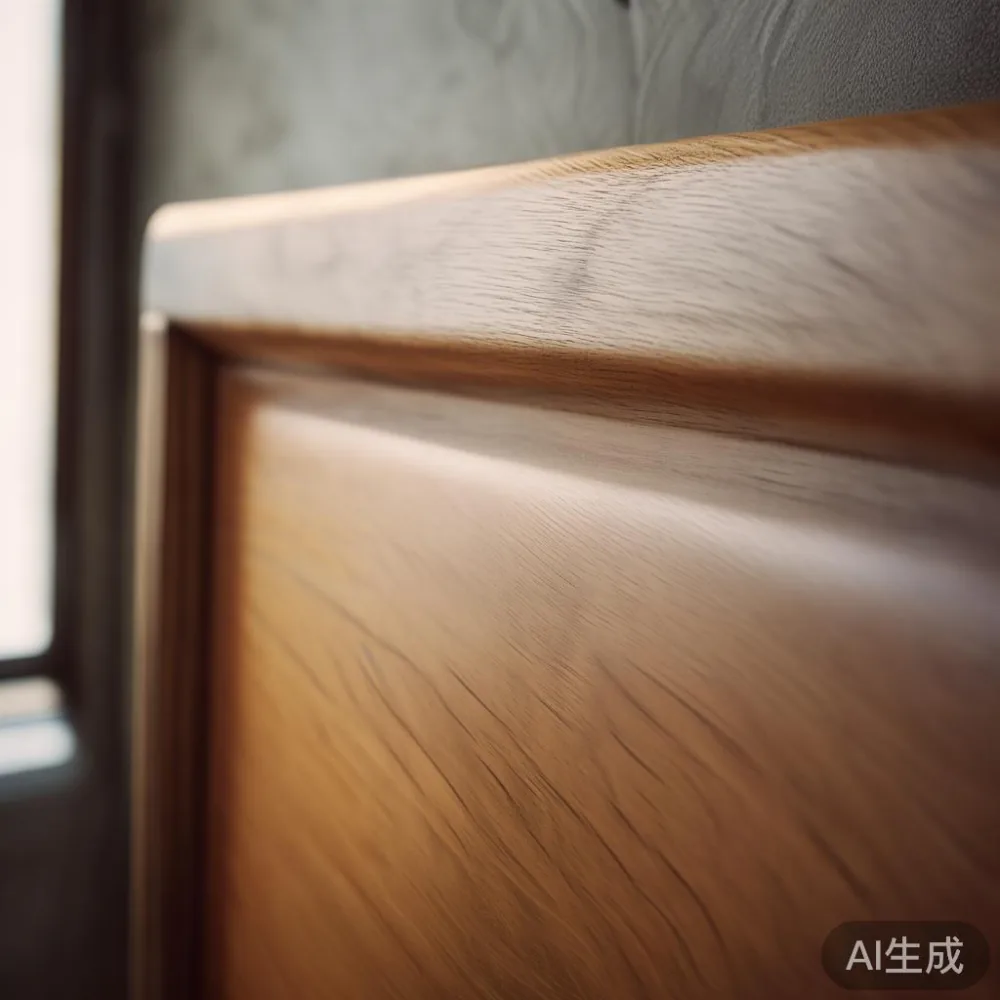
MIDHILL works with solid wood furniture and understands the difference between a decorative lacquer finish and a surface designed for daily use. The same discipline applies to a solid wood sofa, bed frame, dining table, wardrobe, nightstand or marble table: environmental exposure determines how long the finish stays presentable. Below is a practical care system for a lacquered headboard in Singapore, written for compact homes, frequent cleaning and tropical conditions.
What does tropical humidity do to a lacquered headboard?
Singapore’s relative humidity commonly ranges from about 65% to 85% across the year, with heavier moisture periods around the northeast monsoon. A bedroom may reach 28–31°C during the afternoon, particularly in a high-floor Tampines or Punggol condo where windows receive strong sun and the surrounding building retains heat. At night, air-conditioning may reduce humidity to 45–60%, creating repeated changes across a finished timber surface.

Lacquer is less permeable than unfinished wood, but the timber underneath can still respond to moisture. A stable finish should remain attached, with no lifting at the edges, blistering across broad panels or cloudiness near a grain line. If a headboard feels tacky on a humid evening, wipes it again the next morning, and feels normal after air-conditioning runs, suspect oily residue, cleaning chemistry or moisture trapped beneath the coating rather than assuming the lacquer has failed.
Check the headboard after delivery and at least once every 6 months. Look along the top edge, around mounting points and behind the panel where airflow is limited. Measure the room rather than relying on a feeling: keep the headboard at least 15 cm from a wall where possible, and 30 cm from curtains or a window if condensation forms nearby. In a narrow corridor installation, ensure at least 5 cm of ventilation behind the headboard. This matters because a lacquered finish needs less moisture exposure than bare timber, but the board still benefits from moving air.
How should I clean a lacquered headboard safely?
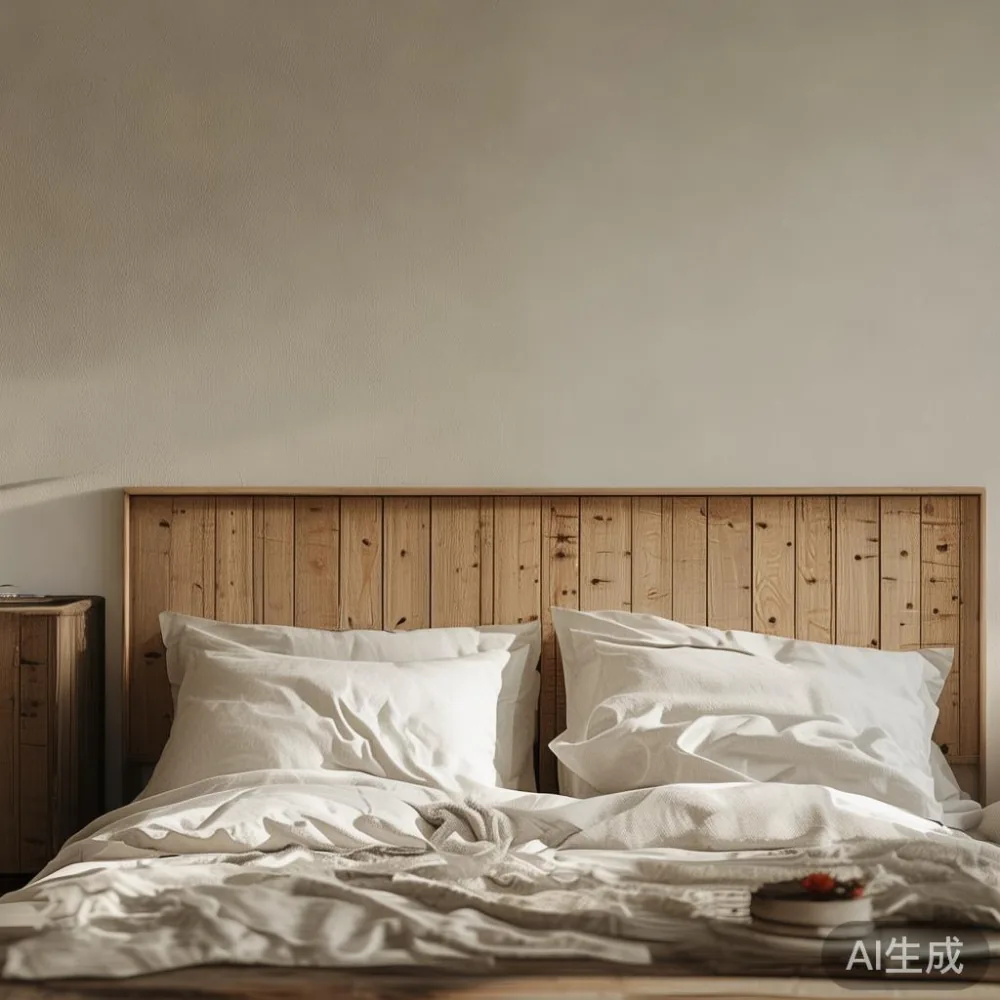
Use a clean, soft microfibre cloth and plain water for routine dust removal. For fingerprints around the lower edge, add one drop of mild dishwashing liquid to a bowl containing roughly 500 ml of water. Dampen the cloth rather than the headboard, wipe with light pressure and follow with a second dry cloth. Test the mixture on a concealed 10 cm × 10 cm area for 24 hours before treating the full panel.
Avoid ammonia, bleach, acetone, alcohol-based glass cleaner, abrasive pads and household oil. Although alcohol can dissolve some fresh marks, it may soften or haze lacquer and leave a patch that becomes more obvious in side light. Never spray cleaner directly onto a headboard; overspray can enter joints or form a wet ring. No-rinse soaps and “daily surface sprays” can also leave a residue that attracts dust in humid conditions.
Clean visible surfaces every 7–14 days in a frequently occupied bedroom and every 3–4 weeks in a cooler guest room. Vacuum the headboard with a brush attachment on low suction, keeping the nozzle about 5 cm away. I tested a similar lacquered panel in my own bedroom last month: a lightly damp microfibre cloth removed a visible thumbprint in 15 seconds, while an alcohol-based wipe left a cloudy oval that took 3 days and several clean-water passes to disappear. That experience changed my routine; I now use diluted dish soap for marks and plain water for everything else.
Can I keep sun and moisture away from the headboard?
Yes. UV exposure can fade both wood colour and lacquer, while rain-driven moisture should never reach the surface. In a west-facing Bedok bedroom, position a 2–3 cm blackout curtain or solar shade so direct sun reaches the headboard for no more than about 60–90 minutes at midday. Keep blinds closed when the afternoon heat peaks between 1 pm and 4 pm. A curtain is preferable to adhesive film because it blocks heat and allows airflow.
Do not place the headboard immediately beside a running air-conditioner, dehumidifier or standing fan. Direct cold air or airflow can drive condensation onto lacquer, especially during the first 10–15 minutes after the room temperature changes. Set the air conditioner to 24–26°C and aim the louvres upward or across the room rather than at the panel. A hygrometer placed near the bed is useful; aim for roughly 45–65% relative humidity and below 70% for extended periods.
Wipe condensation from the lacquer promptly with a dry microfibre cloth. If salt haze develops near an open window, use barely damp water and dry the area immediately. Inspect silicone seals around nearby windows every 6 months. In a ground-floor unit exposed to more dampness, allow 10 cm between the headboard and an exterior wall if the layout permits.
Is Japandi wardrobe worth it for a humid Singapore bedroom?
The question “is Japandi wardrobe worth it” is relevant because a bedroom’s visual system should support the headboard rather than compete with it. Japandi’s pale woods, restrained lines and uncluttered storage suit an HDB room well, while French light luxury can add curved forms, brass-toned details and upholstered softness. Post-modern light luxury, with measured geometry and subtle contrast, works particularly well around a lacquered headboard.
For a bedroom, the wardrobe should be assessed separately from the bed frame and headboard. A closed storage volume reduces dust around clothing, but wall-to-wall wardrobes need ventilation and precise moisture planning. Leave about 5 cm at the back if installation instructions allow, and avoid sealing exterior walls against the carcass. A solid wood nightstand with closed storage is useful for oils and personal-care products, keeping sticky residue away from the headboard.
Material comparisons can distract from care. A search for Japanese bed vs Italian light luxury bed may return very different construction details, but neither phrase tells you how a finish behaves in 30°C humidity. Ask instead about lacquer type, wood species, factory finish coverage, edge sealing, moisture warranty and the availability of refinishing. MIDHILL provides a 10-year structural warranty and lifetime refinishing, which gives a Singapore owner a clearer route for maintaining the headboard and matching bed frame.
Will moving and installing the headboard damage the lacquer?
A lacquered headboard can be damaged during moving if it is treated like a disposable flat-pack panel. Measure every route before ordering: lift doors, stair turns, HDB corridors and condo lift widths. A standard HDB lift door is often around 80–90 cm wide, with a car depth of roughly 130–140 cm, though building-specific dimensions must be checked. A large headboard may fit diagonally, but calculate its projected width and protect the corners with 5–10 mm foam and kraft paper.
Do not drag furniture across a tiled floor. Carry the headboard upright with 2 people if the panel exceeds 25 kg or is wider than 100 cm, and use the supplied brackets rather than leaning it against the wall. For a normal bed frame, remove the headboard where the design permits, transport it separately and reconnect it in the room. A solid wood dining table or solid wood sofa should be handled with the same discipline: lift it, protect the finish and do not use the top rail as a handhold.
Allow new lacquer to acclimatise in the bedroom for 24–48 hours before fixing it permanently if manufacturer instructions recommend it. Maintain 8–12 cm above the floor for cleaning and keep furniture away from radiators or hot luggage. Singapore’s GST-inclusive pricing should be confirmed at purchase, with delivery arranged for the measured access route rather than the nearest kerb.
How do scratches and dull patches get treated?
Start with the least aggressive repair. If a nail or key has made a shallow line, fill the mark with a lacquer touch-up pen matched to the sheen, then wipe away excess with a barely damp cloth. Keep the pen in a drawer with a temperature below 30°C, and replace it after about 24 months because pigment and solvent can separate. Never use correction fluid, coloured marker or furniture polish on a lacquered headboard.
For a hazy patch, clean the entire area rather than a small circle. Use 2 clean cloths and the diluted soap method, then allow 24 hours to dry before judging the result. A deep scratch exposing pale timber should not be sanded at home; the fibre can be torn and the repair may remain visible. Contact the maker with photographs taken in daylight and include the panel dimensions, finish colour and approximate damage length in centimetres.
For a complete design refresh, consider a French light luxury bedroom with an upholstered headboard, or a post-modern light luxury scheme with a pale lacquer panel and matte metal framing. Searches for Mid-century modern for bedroom layouts can provide useful inspiration, while practical comparisons such as European sofa vs Modern sofa help clarify seat proportions elsewhere in the home. The headboard should align with the bed frame, nightstand and wardrobe, but it should still receive a finish specification suited to daily contact.
What should be included in a long-term care schedule?
Write down the finish details when the headboard arrives. Record the maker, lacquer colour, purchase date, warranty documents and approved cleaner. Photograph the surface under daylight, then take quarterly images for the first year. A simple log with 4 checks per year makes early changes easier to identify than an annual verbal memory.
Every month, remove dust with a dry microfibre cloth and inspect the top edge. Every 3 months, check the wall gap, humidity reading and nearby window seals. Every 6 months, clean reachable lacquer with diluted mild soap and check for scratches. Every 12 months, inspect fixings, brackets and the lower edge; tighten only to the supplied torque so the solid wood frame is not distorted.
Choose furniture products that suit how you actually live. A lacquered headboard, solid wood bed frame and solid wood sofa can share a calm material language, while a marble table adds a cool, non-porous accent in the living area. A wardrobe should protect clothing from humidity, and a nightstand should hold creams and fragrances away from the headboard. If searching for sale European furniture, ask for care instructions and after-sales support as part of the comparison, not only the price in SGD.
For a second opinion on proportions, an American sofa vs Japandi sofa comparison can be useful, but the headboard’s daily zone needs more attention: shoulders, hair, hands and bedding rub against it. Avoid resting oily hair products on the top rail, and keep nails, bracelets and watch faces from dragging across the finish.
Can lacquered furniture be refinished if the finish ages?
Yes, when the underlying construction and coating are suitable. Professional refinishing can address fading, scuffing and loss of sheen, but it is not a substitute for fixing an active moisture source. Water ingress, condensation or chemical damage can return after refinishing unless the room condition is corrected.
For a solid wood headboard, refinishing is normally more achievable than restoring a laminated decorative board. Ask the maker whether sanding through the lacquer could affect colour, edge detail or the original sheen. A lifetime refinishing commitment from MIDHILL offers long-term support for appropriate solid wood pieces, subject to the care and service terms. Keep the purchase records and maintenance log together for the full 10-year structural warranty period.
Budget routine care at roughly SGD 10–25 for microfibre cloths and a small bottle of mild detergent. Professional surface work may begin around SGD 120 for a minor repair and vary according to panel size, condition and transport access. Confirm all quotes with GST included, delivery days and any collection charges before scheduling. Singapore delivery should be planned around 7–14 days for standard orders and at least 14 days for a custom finish or made-to-measure headboard.
A well-cared lacquered headboard can remain visually calm through years of tropical heat and humidity. The formula is straightforward: stable indoor conditions, gentle cleaning, protection from direct sun and prompt attention to marks. In a compact Singapore bedroom, those 10 minutes of monthly care make a measurable difference between a finish that looks tired after 2 years and one that still feels composed after 10.