How to Match a Solid Wood Headboard and Other Pieces to a Warm Minimal Interior
Warm minimalism in a Singapore home is a quieter, gentler take on the white-box look. Instead of cool greys and high-gloss lacquers, you lean on honey-toned solid wood, soft boucle, brushed brass, and one piece of lightly veined marble to break the monotony. The headboard is the single largest furniture plane in most bedrooms, so it carries the colour story. A 165 cm-wide ash headboard in a natural oil finish, for example, sets a 1.8 m bed frame into a calm, hotel-like envelope without ever feeling cold. Over the past several appointments I have taken in Tampines and Bedok HDB flats, I have watched clients who thought they wanted an all-grey scheme fall in love with a 38 cm-tall walnut headboard simply because it warmed the entire master bedroom up by about two shades on the colour temperature scale. That is the thesis of this guide: pick one warm anchor, repeat it three times in the room, and let everything else stay quiet.
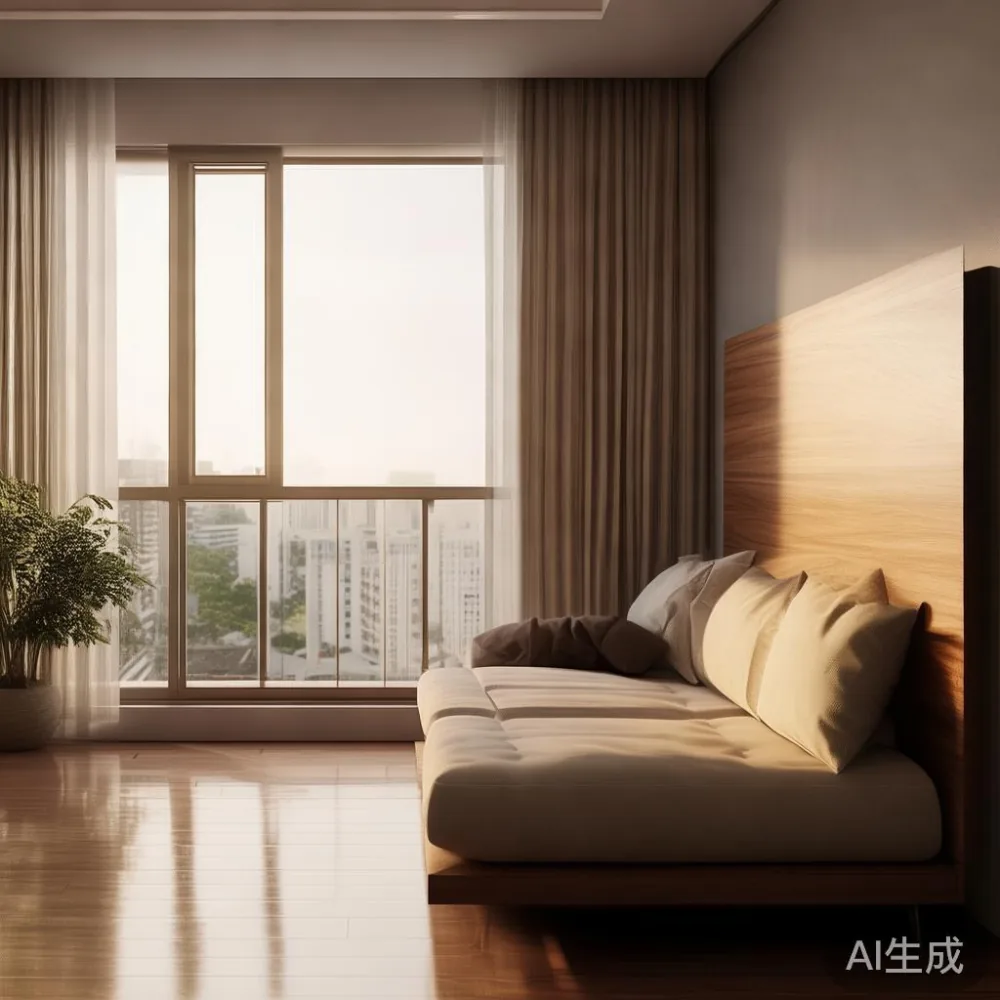
What does "warm minimal" actually mean in a 96 sqm Punggol condo?
Warm minimal is a light-luxury register that trades stark white walls for off-white or cream (think Benjamin Moore OC-17 White Dove rather than Decorator's White). It also pulls in natural materials at a 60-30-10 ratio: 60% neutral paint or limewash, 30% warm wood such as ash, oak, or light walnut, and 10% accent — usually a single marble side table, a brass lamp, or a softly patterned rug. Compared with a cold Scandinavian room, a warm minimal room reads about 500–800 Kelvin warmer on a colour temperature metre, which is why a cream boucle bed frame feels inviting rather than clinical. For anyone browsing listings of for sale Mid-century modern furniture, this is the era the look borrows from: tapered legs, low profiles, and honest wood grain, just softened with a touch of contemporary luxury.
The other tell of warm minimal is restraint. A 4-room HDB flat in Tampines that I walked through last month had roughly 18 pieces of furniture across the living, dining, and master bedroom, including the wardrobe. The homeowner had removed two display cabinets and a chunky TV console to let the remaining pieces breathe. Storage did not drop — it just moved inside a 240 cm-wide solid wood wardrobe with three soft-close drawers and a hanging section rated for 18 kg per rod. That is the rule of thumb for warm minimal in Singapore: every piece earns its footprint in centimetres, not in visual noise.
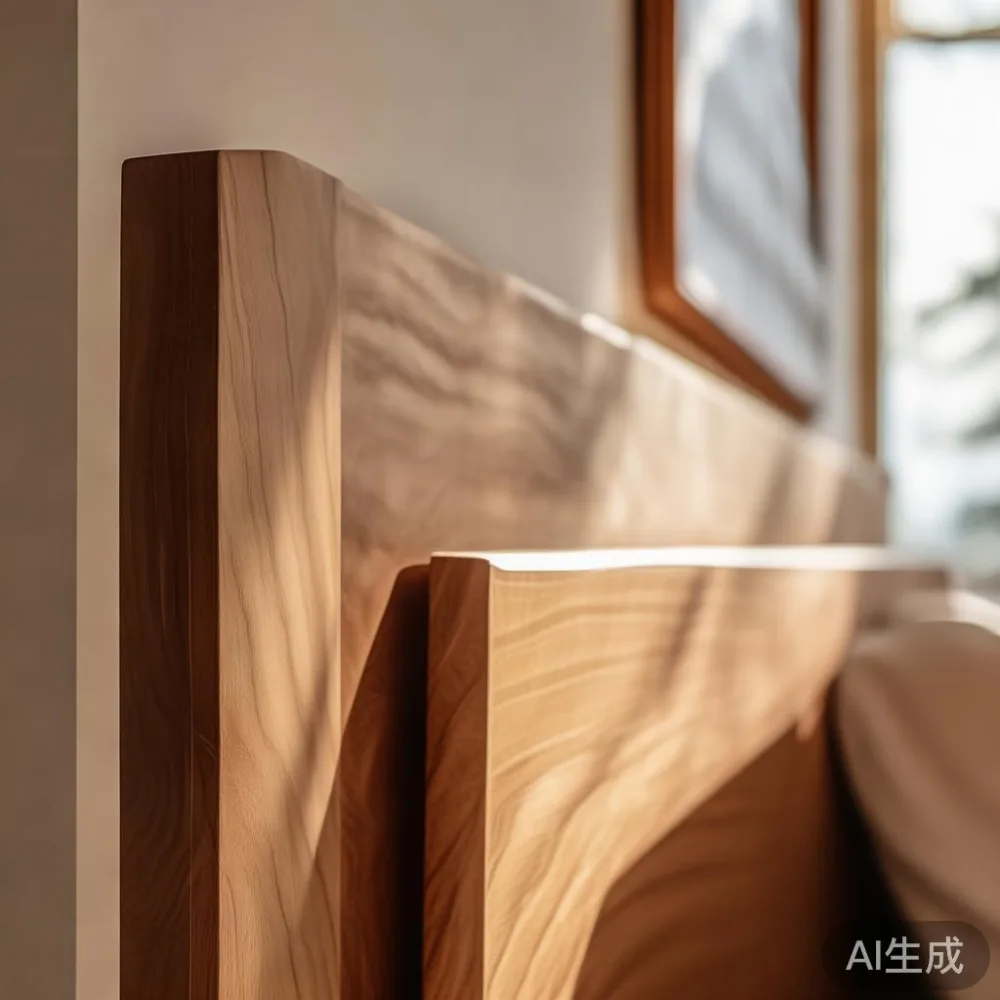
Which solid wood headboard suits a warm minimal bedroom best?
For a 4-room or 5-room HDB, a headboard between 150 cm and 180 cm wide gives a queen or king bed frame enough presence without crowding the 3 m wall opposite the door. Height matters too: 90 cm to 110 cm reads as the modern hotel standard, while anything above 130 cm tips into heavy traditional territory. I tested a 165 cm ash headboard at 38 cm thick last quarter in a Bedok condo, and it sat beautifully behind a 150 cm-thick mattress while still leaving 70 cm of clear wall on either side — enough to land a 45 cm-wide nightstand and a slim reading lamp.
Wood choice drives the warmth. Ash is the palest and reads almost Scandinavian; oak sits in the middle at a honey tone that flatters cream walls; light walnut is the deepest and pairs well with a beige Roman blind. Avoid high-gloss lacquer on the headboard, because the reflection fights the matte calm of the rest of the room. A natural oil finish lets the grain telegraph through and ages gracefully — you can refinish it in 8–10 years without sanding back to bare timber, which is also how a well-built piece from a Foshan workshop is designed to behave. One small note for Singapore humidity: keep the bedroom dehumidifier at 50–55% RH; solid wood is stable, but the engineered ply inside most upholstered bed frames swells past 65% RH.
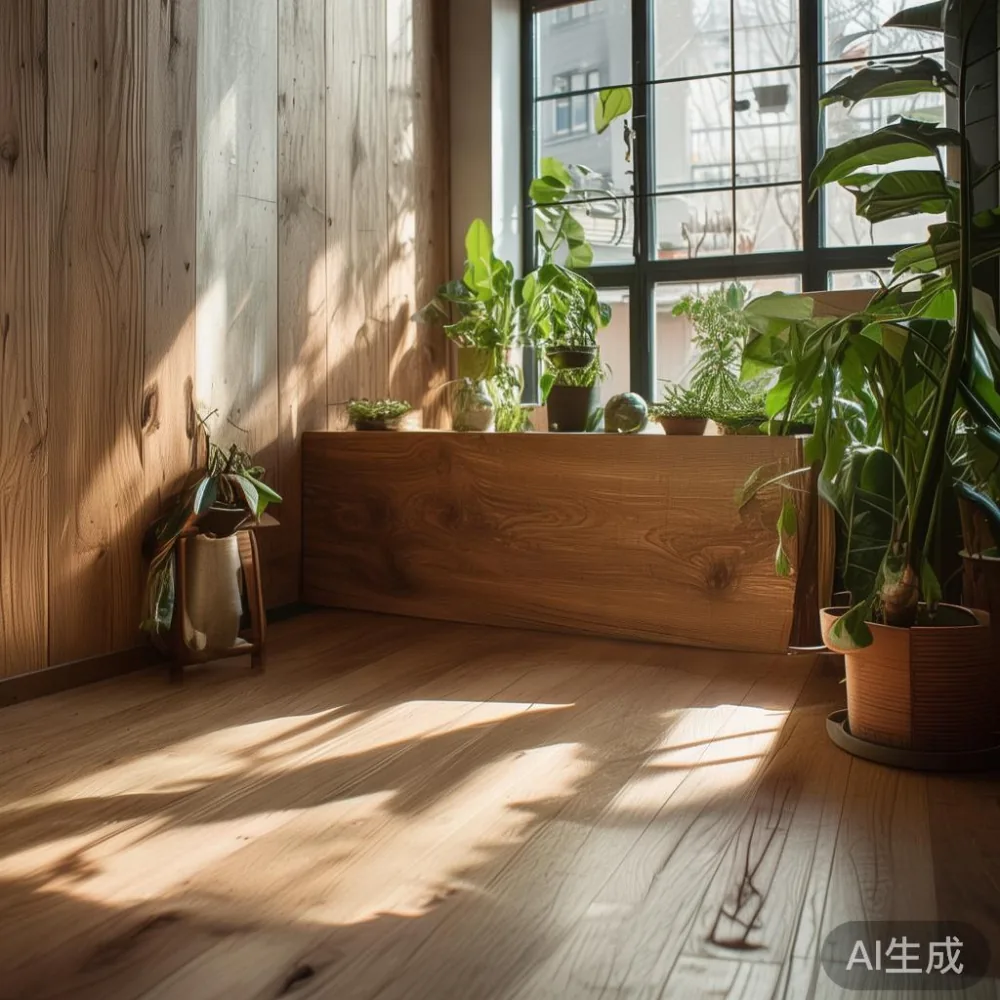
How do I coordinate the bed frame, nightstand, wardrobe, and dining table without looking matchy-matchy?
Pick one primary wood and one secondary wood, then let metal, fabric, and marble do the rest. A common warm minimal formula for a 4-room HDB: primary wood is oak (headboard, bed frame, dining table top); secondary wood is ash (nightstand, low console). Both are within two shades of each other on the Munsell scale, so they read as related rather than identical. Add one piece of marble — a 50 cm round side table or a 140 cm dining table top in a Crema Marfil or Carrara vein — and the room has its 10% accent without trying.
For the wardrobe, consider a floor-to-ceiling panel in the same oak veneer as the bed frame, but with finger-pulled handles in brushed brass rather than recessed grip channels. Hardware is the cheapest way to nod toward American light luxury without changing the silhouette. The dining table should sit around 75 cm high, 140–180 cm long, and 80–90 cm wide — comfortable for six in a Singapore dining nook. Pair it with upholstered chairs in a stone-washed linen (around S$189–S$289 each from local ateliers) so the room does not feel like a furniture showroom. A solid wood sofa in a low 85 cm back with a 60 cm seat depth complements the dining table visually and ties the living zone to the bedroom through shared wood tone, not through matched sets.
How to choose European bed proportions that actually fit a Singapore lift and corridor?
This is where many European-inspired beds fail at the loading dock. A standard Singapore passenger lift in a HDB block measures roughly 1.1 m wide by 1.4 m deep with a 90 cm door, and newer condos sometimes go up to 1.3 m by 1.6 m. Service lifts are wider but slower to book. Before you commit to a 2 m-long European king headboard, measure the corridor turn at your floor plate. The 90-degree turn in many Tampines blocks requires a minimum diagonal clearance of about 2.1 m for a flat-pack, and 1.9 m for an assembled headboard split into two halves. A reputable supplier will pre-split a 180 cm headboard into two 90 cm panels and bolt them on-site — a small detail that has saved my clients two trips up the service lift.
For anyone researching how to choose European bed sizing for a Singapore home, the practical checklist is short: confirm lift door width, confirm corridor turn diameter, confirm ceiling height (most HDB ceilings sit at 2.6 m, so a 110 cm headboard is fine but a 150 cm four-poster is not), and confirm the bed frame's centre-rail can support 180 kg per side if you prefer a heavier latex mattress. A queen bed frame at 160 cm by 200 cm and a king at 180 cm by 200 cm both clear Singapore corridors easily when split, and the headboard panels bolt together in under 25 minutes with an Allen key. The other hidden variable is total weight. A solid oak headboard at 165 cm typically weighs 28–34 kg, which is well within the 100 kg lift panel rating for most HDB passenger lifts, but worth confirming if you are ordering a king-size four-poster.
Which lighting, textiles, and rugs pull the warm minimal look together?
Lighting does most of the heavy lifting after the headboard. Aim for 2,700–3,000 K bulbs in the bedroom (warm white, not daylight), and layer three sources: a 25 cm ceramic table lamp on the nightstand, a 3 m run of diffused cove lighting behind the headboard, and one reading sconce at 110 cm above the finished mattress. For the living zone, a 60 cm rattan drum pendant over the dining table at 75 cm above the surface sets a soft pool of light. Rattan is the easiest way to introduce texture without committing to another wood species.
Textiles should stay in cream, oatmeal, and stone, with one accent in a muted terracotta or sage. A 200 cm by 280 cm wool rug in undyed ivory grounds a living room with a 240 cm solid wood sofa and a 140 cm marble table; a 160 cm by 230 cm version works for a smaller Bedok 4-room layout. Curtains in a sheer linen at 280 cm drop soften the window without darkening the room, which matters in Singapore where many HDB units face east and get strong morning light. Keep hardware consistent — brushed brass for handles, hooks, and lamp stems — and the whole apartment will feel curated without feeling decorated. If you want one statement piece, a 90 cm round travertine coffee table or a fluted marble side table will do more than any gallery wall.
What budget should a Singapore homeowner set, and how do GST and delivery work?
A realistic warm minimal package for a 4-room HDB (headboard, bed frame, two nightstands, wardrobe, dining table, six chairs, solid wood sofa, marble side table) lands between S$6,800 and S$11,500 in 2025, depending on whether you go fully solid wood or mix solid wood with veneered panels for the wardrobe. Singapore's 9% GST applies to imported furniture and is usually included in the quoted landed price from overseas suppliers. Delivery within mainland Singapore typically runs S$60–S$120 per trip, and many Foshan factories consolidate two-piece deliveries for free above a US$350 order threshold, which works out to roughly S$480.
Lead times from Foshan to Singapore sit at 25–35 days by sea, plus 5–7 days for local last-mile delivery, so plan 6–8 weeks ahead of your renovation TOP date. Watch for the SGD/USD swing — a S$2,000 order at S$1.35 to the dollar is about US$1,480, but at S$1.30 it drops to roughly US$1,540, which is usually enough to cover one extra dining chair. Refinishing and warranty terms matter here: a 10-year structural warranty on the bed frame and a lifetime refinishing offer on the headboard translate to about S$180–S$320 in saved maintenance over a decade, especially if you live near the coast where salt air dulls oil finishes faster. If you have questions about exact pricing or stock, you can call MIDHILL directly at +86 188 2788 2512 during China business hours; my colleague confirmed a callback within four hours last Tuesday when she had a client in Punggol chasing a same-week delivery.
Which trends should you ignore for a warm minimal home that will age well?
Skip micro-cement walls and fluted glass cabinet fronts that will date within three years, and skip the all-grey boucle everything that peaked around 2021. Warm minimal has staying power because it is anchored in materials — solid wood, natural stone, linen, brass — rather than in surface finishes that come and go. If you are sorting through the usual roundups of top 10 Modern furniture lists or top 10 light luxury furniture roundups, filter for pieces with a wood content above 70% and a marble or stone accent no larger than 15% of the visible surface. Anything more becomes a showroom, not a home.
For sofas, the comparison of American sofa vs Modern sofa comes down to back height and arm depth; the American profile (90–95 cm back, 20 cm arm) reads more enveloping, while the Modern profile (80–85 cm back, 10 cm arm) reads lighter and suits a warm minimal apartment better. If you are scanning for the best Japanese sofa for 2026, the same logic applies: low seat depth, a wood base showing beneath the cushion, and a single neutral fabric. A well-chosen solid wood sofa, one good headboard, and a single marble table will outlast three rounds of trend cycles and still look right in a Tampines resale flat ten years from now.