How Southeast Asian Humidity Protects—or Threatens—Your Headboard
Humidity is rarely the visible enemy of a solid wood headboard. It is more likely to appear as a swollen drawer, a faint haze on a lacquered surface, or a hinge that no longer closes squarely. In Singapore, where relative humidity can move from about 55% on a comfortable afternoon to 80% or higher during wet periods, timber responds continuously to moisture in the air.
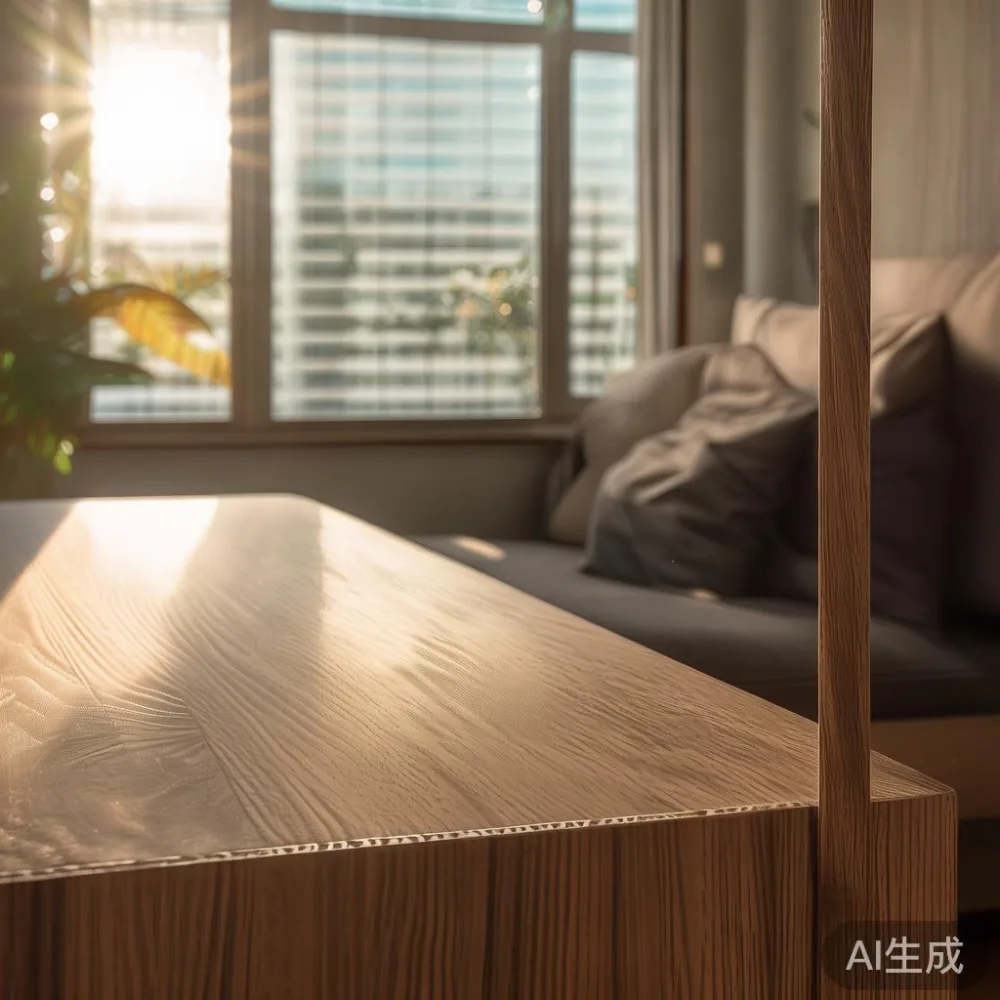
That response is normal. Wood is not inert. Its fibres expand when they absorb moisture and contract when they lose it, particularly across the grain. For a wall-hugging headboard, repeated changes matter more than one unusually damp afternoon. The piece has limited airflow behind it, so it can hold moisture longer than a freestanding wardrobe or dining table.
MIDHILL designs furniture for the region’s practical conditions rather than presenting solid wood as immune to humidity. A 10-year structural warranty addresses long-term construction, while lifetime refinishing recognises that careful owners will maintain and renew furniture over time. Neither promise changes wood science: sensible acclimatisation, sensible placement and timely care still determine how a piece ages.
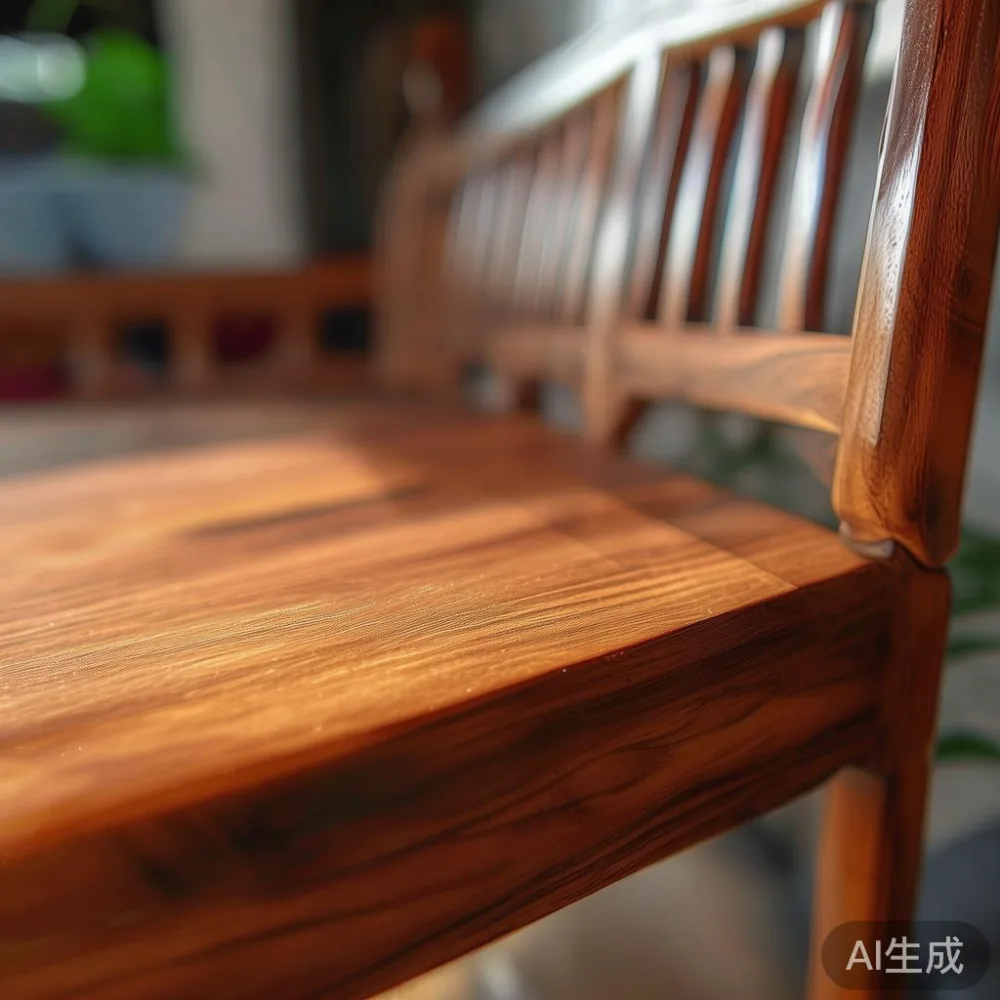
Why Singapore humidity changes wood
Singapore’s outdoor air is warm throughout the year. In many HDB flats and private condos, that air enters through open windows, corridor air-conditioning gaps and bathroom ventilation, then mixes with drier indoor air. Air conditioners may reduce humidity to 40–60% in occupied rooms, but direct air-con airflow can lower a surface’s moisture too quickly. A wide swing—say from 85% near a window to 40% beside a vent—is more demanding than stable conditions.
Thickness also matters. A 2 cm solid oak headboard board dries and wets more quickly than a 5 cm oak post because moisture can escape from more exposed faces. Veneer can be stable when professionally engineered, but an edge may reveal the construction; solid wood can be reassuring in that respect. Engineered flooring can also be suitable, yet its adhesive and locking systems still need appropriate indoor conditions.
Marine plywood is not a guarantee against movement. Its layers must remain well sealed, especially along an exposed edge. Painted MDF may be dimensionally steady, though paint blistering, joint wear and moisture around fixings can still require attention. Moisture content should be considered for the local climate: wood supplied around 12–15% moisture content is generally more appropriate for air-conditioned interiors than very dry stock intended for much colder environments.
For a buyer, the useful question is not whether wood expands “a lot.” The useful question is by how much, in which direction, and whether the furniture was designed to accommodate that movement. A quality supplier can explain timber species, thickness, finish, tolerances and care requirements. Those details are more informative than a vague claim of total moisture resistance.
Will a headboard swell in a Tampines HDB flat?
It can, under the right combination of airflow, penetration and poor maintenance. However, most domestic incidents involve an external moisture source rather than ordinary room air alone. Leaking pipes, a dripping air-con condensate line, unresolved condensation, damp skirting or construction moisture can leave timber wet even when a hygrometer shows a healthy 60% reading.
Condominiums do not remove the issue. Large glazing and frequent fresh-air ventilation can raise local humidity after rain, while recessed wall lighting may create hot, dry pockets. A headboard fitted to a cool wall can also experience condensation during temperature changes. In Bedok, a bedroom close to an external wall may see a greater daily variation than a well-sealed interior room.
Lift and corridor widths deserve attention before delivery, although they do not directly determine moisture performance. Check the lift door opening, cabin depth and corridor turning space. A headboard panel of 180 cm by 110 cm may be easy to angle through a 100 cm lift door, but it becomes difficult if the panel is 220 cm wide or has deep posts. Measure the route rather than relying on the online product width.
Allow the timber to acclimatise in the bedroom for 3–7 days, preferably while still protected and dry. Stand it upright with air circulating around every face; do not place it against the final wall until it has adjusted. If it was delivered during heavy rain, leave extra time—5–10 days can be sensible. Do not wipe the surface with a wet cloth to “cool” it. Use a soft dry cloth and keep liquids away.
What relative humidity should I maintain in a HDB bedroom?
A practical indoor target is roughly 45–65% relative humidity, with steadier conditions preferred over repeated swings. Use a calibrated hygrometer and measure at bed-head height rather than beside an air-conditioning return vent. Record readings at 9 a.m. and 9 p.m. for 7 days before placing a large headboard. If values repeatedly exceed 70%, inspect ventilation, seals and damp sources before blaming the furniture.
Raising dehumidification too aggressively can be counterproductive. Very dry air may cause surface shrinkage and open minute checking in a solid wood top. A bedroom around 50–60% is often a practical compromise between ventilation and comfort. Where air conditioning runs almost continuously, a good fan can distribute air more evenly and reduce hot, dry patches near the ceiling.
Do not place a headboard directly against a bathroom wall if the bathroom is frequently showered. Keep at least 20–30 cm from the wet zone where layout allows. For windows facing heavy rain or late-afternoon sun, curtains can reduce short-term variation. Air plants help marginally, but their effect should not be confused with dehumidification. A bathroom exhaust fan running for 20–30 minutes after showering is more useful.
Light-luxury design does not require decorative objects to crowd the headboard. A French light luxury bedroom often uses pale oak, cream upholstery and quiet proportions; American light luxury tends toward generous width and deep cushions; post-modern light luxury balances clean planes with restrained contrast. In all three styles, humidity care is less visible but more valuable than another decorative layer.
How should I clean and maintain a solid wood headboard?
Start with a dry microfibre cloth every 1–2 weeks. Wipe gently along the grain and inspect beneath the mattress line, behind posts and around mounting holes. If the manufacturer specifies a slightly damp cloth, use only a lightly damp cloth: squeeze until no water drips, then dry the surface immediately. Avoid soaking timber edges, pressure washing, abrasive pads and household ammonia products.
Keep cleaning liquids at least 30 cm from the headboard. Common furniture sprays, diffusers and reed diffusers can create a damp halo. Candles and humidifiers require the same attention; do not operate a humidifier within 1 m of solid wood. If a child spills juice on the surface, remove it within 5 minutes, blot rather than rub, and check again after 24 hours.
Inspect fixings every 6 months, especially after a damp season. A headboard may weigh 35–90 kg depending on its size and construction, so loose wall anchors must be addressed promptly. Tighten brackets with the specified tool rather than forcing them. Small surface marks can often be treated with the approved maintenance product; deep splits, mould-like staining or persistent softness deserve professional assessment.
Refinishing intervals vary with finish and exposure. A lacquered panel may need inspection after 2–3 years in a bright room, while a naturally oiled surface may require maintenance sooner, perhaps every 12–24 months. These are planning ranges, not a promise that a finish will fail at a particular date. Follow the furniture maker’s instructions and obtain a sample before changing the entire finish.
Can delivery and installation make moisture damage more likely?
Packaging is a major part of acclimatisation. Furniture should arrive in breathable or correctly conditioned packaging, not sealed in plastic while the timber is still wet. During Singapore deliveries, allow the item to rest in a dry room before assembly. Keep cartons off concrete floors that may be cool and damp, and use a pallet or stable platform about 10 cm high.
Long-distance transport can deliver timber into a different climate very quickly. That is why a documented manufacturing and finishing process matters. A supplier established in 2008 and exporting to 15+ countries should be familiar with packing for varied destinations. Ask what species is used, how boards are dried, what finish is applied and how the headboard is protected during transit.
MIDHILL’s export experience also makes careful handling important in a humid destination. Remove the outer packaging in stages over 3–5 days, allowing trapped moisture to escape. Keep protective sheets on during unpacking so wet hands do not leave new marks. Assemble only after the room temperature and humidity are reasonably stable.
For larger pieces, plan access before the delivery day. A 210 cm wide headboard may turn a short corridor into a difficult route in some Punggol or Tampines blocks, while a narrow HDB lift may require the panel to be carried vertically. Confirm door measurements with the supplier. Free shipping over US$350, stated by MIDHILL as part of its service terms, does not remove the need to check the building’s access route.
Budget for delivery within 7–14 days after dispatch, subject to stock and final confirmation. In Singapore, payment is shown in SGD, including GST where applicable. A product listed at SGD 1,280 before applicable GST, for example, becomes SGD 1,417.60 when GST applies; confirm the final checkout amount rather than estimating from a catalogue.
What should I ask about wood, finishes and warranties?
Ask whether the headboard is solid wood, solid veneer or engineered board, and identify the species. Oak and ash are often chosen for visible grain; rubberwood and other stable hardwoods may be used in some constructions. Grain direction, thickness and joinery influence movement. A 3 cm board and a 6 cm board will not react identically to humidity, even when both carry the same finish.
Ask for the expected moisture-content range, finish names, cleaning instructions and response times for finish damage. Also ask whether lacquer, oil or wax is used. Lacquer can be easy to wipe but may show hairlines; oil enhances texture but may need periodic renewal; wax creates a soft appearance and requires more careful maintenance.
Verify the warranty scope in writing. A 10-year structural warranty may cover manufacturing or structural defects, while surface wear, liquid spills and humidity-related maintenance may be treated differently. A 14-day return policy gives a short inspection window, so inspect every joint, fixing and finish mark before accepting delivery. Record unboxing photographs if the item is assembled.
MIDHILL offers lifetime refinishing, which can be valuable for a bed frame or headboard that will remain in the bedroom for 15–25 years. Refinishing is not the same as replacing moisture-damaged timber, so prevent water exposure and keep inspection schedules.
A related test in another furniture category can reveal the same misconception. For Modern light luxury for dining room design, an imported solid wood dining table may be called the European light luxury TV console look-alike by a seller, but the category wording does not replace a clear specification. If a shopper asks whether is Japandi sofa worth it, upholstery density, frame warranty, dimensions and humidity exposure matter more than a trend label. Likewise, someone searching for the best Boho wardrobe for 2026 should check panel construction and storage clearances before selecting a look.
Which furniture pieces need the most humidity attention?
A wardrobe has tall panels and enclosed compartments, so it needs ventilation and stable placement. A dining table exposes a broad top to spills and changing room conditions. A solid wood sofa can be affected through its frame, though cushion quality and cover care also determine comfort. A nightstand sits close to a bed and may receive more hand contact, drinks and cleaning than a large wardrobe.
Marble tables need a different moisture strategy. Stone does not expand like timber, but its supports, bases and adhesives still matter. Keep marble away from standing water and acidic liquids, and check that the surface is level. A solid wood base can still respond to humidity, so the protective rules remain relevant.
For buyers comparing furniture for sale, Industrial furniture is not automatically moisture-resistant. An industrial-style bed frame with steel legs may be dimensionally steady, yet its wooden headboard, rails and fasteners still need attention. Confirm whether metal surfaces are powder-coated, plated or sealed against salt-laden air near a window.
Those searching for the best Modern bed for 2026 should compare usable clearance, mattress support, noise, load capacity and delivery access. A bed may look simple but still contain engineered panels, veneer edges and concealed fittings. A stronger frame helps, but placement and maintenance remain part of ownership.
European light luxury TV console styling can be adapted to a low storage piece, yet media equipment produces heat and cables collect dust. Leave at least 10 cm behind the console where space allows, and keep drinks off the top. For a bed frame or wardrobe, avoid a damp exterior wall until moisture has been checked.
How do I know whether a headboard has been affected by humidity?
Look for changes that vary across the same surface: raised grain, sticky feeling, dull patches, a haze on lacquer or a soft sound when tapped. Check edges and end grain carefully. Small gaps can appear if panels have moved, while doors may bind after seasonal expansion. Compare readings with the previous week: a move from 50% to 70% may explain more than a tiny change that has remained stable.
Do not diagnose mould from one dark mark. Organic staining, finish residue and ordinary shadowing can look similar. If the mark is fuzzy, spreads quickly or returns after cleaning, obtain professional advice and improve ventilation. If a piece feels damp, stop using the affected area until it is assessed. Keep children and pets away from flaking finishes.
A simple monthly routine is enough for many households: check the hygrometer, inspect edges, tighten nothing unless required, wipe dry, and record any change. At 6-month intervals, inspect mounts and wall contact points. In the first year after purchase, review the finish more often because a new headboard is still adjusting to its room.
The practical rule is simple: stable indoor conditions, controlled water exposure and accurate product information. That approach protects a French light luxury headboard, an American light luxury bed frame and a post-modern light luxury wardrobe with the same care. Solid wood furniture can remain handsome for decades in Singapore, provided its natural movement is respected rather than mistaken for a defect or ignored altogether.