Humidity and Your Solid Wood Headboard: A Singapore Buyer's Guide
I still remember the day I visited a Tampines HDB flat last month to check on a customer's dining table. The owner had moved in two years earlier, and the solid wood furniture was already showing a thin crack along the grain on the tabletop. The thermostat on the wall read 82%. That single visit reminded me how aggressive Singapore's indoor humidity is, and how often buyers underestimate what that does to a bed frame, a wardrobe, or especially a headboard made from real timber.
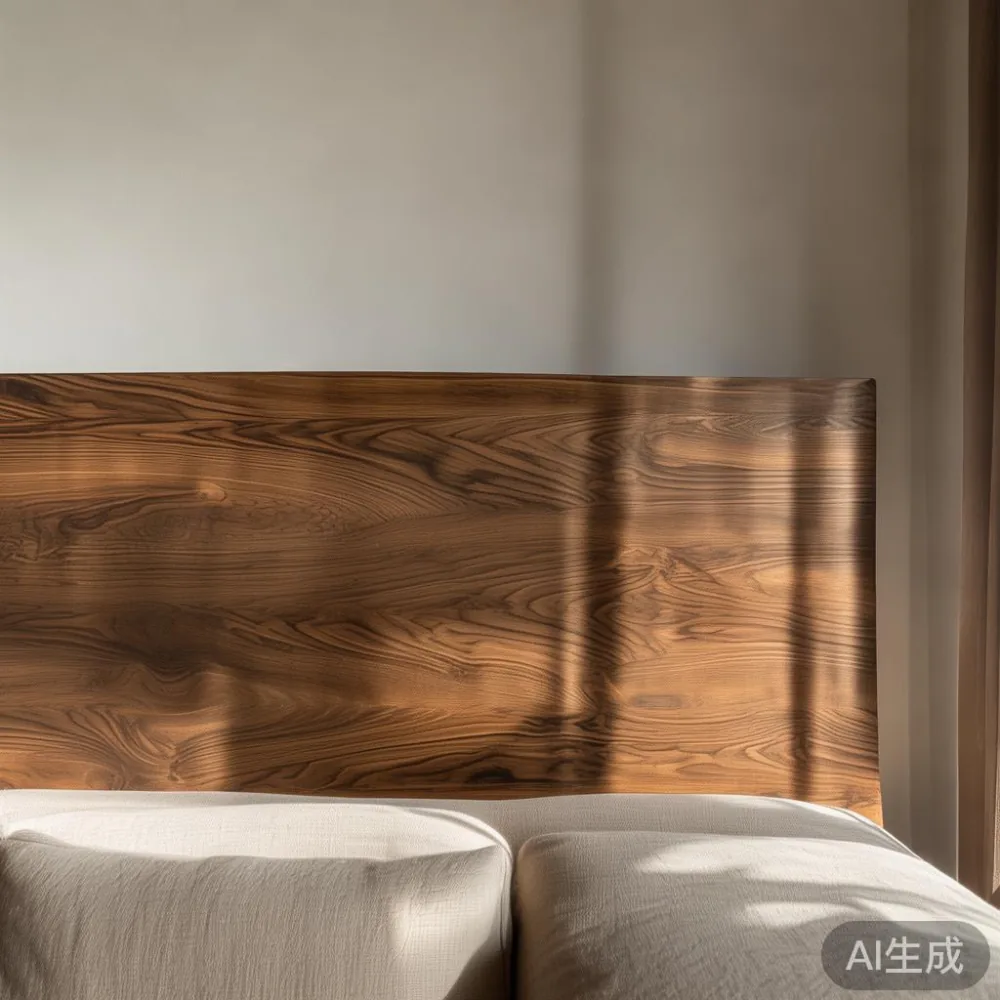
For Singapore households shopping on the domestic and Southeast Asian market, this is the single most important conversation to have before paying SGD 1,800 for a new solid wood bed. The equatorial climate, the way HDB flats and private condos trap moisture, and the lift and corridor widths that complicate delivery all matter. This guide covers what humidity does to solid wood, how it shows up first on a headboard, and what buyers in Bedok, Punggol, and Bukit Timah can actually do day to day.
Why Singapore's climate is unusually hard on solid wood furniture
Singapore sits one degree north of the equator. The average relative humidity stays between 75% and 85% year-round, and indoor humidity in many HDB flats runs 5 to 10 percentage points higher than the official NEA reading because of poor cross-ventilation and concrete walls that never fully dry out. Air-conditioning helps, but only when the unit is running. The moment the compressor cycles off, the moisture content in a timber surface can climb in under twenty minutes.
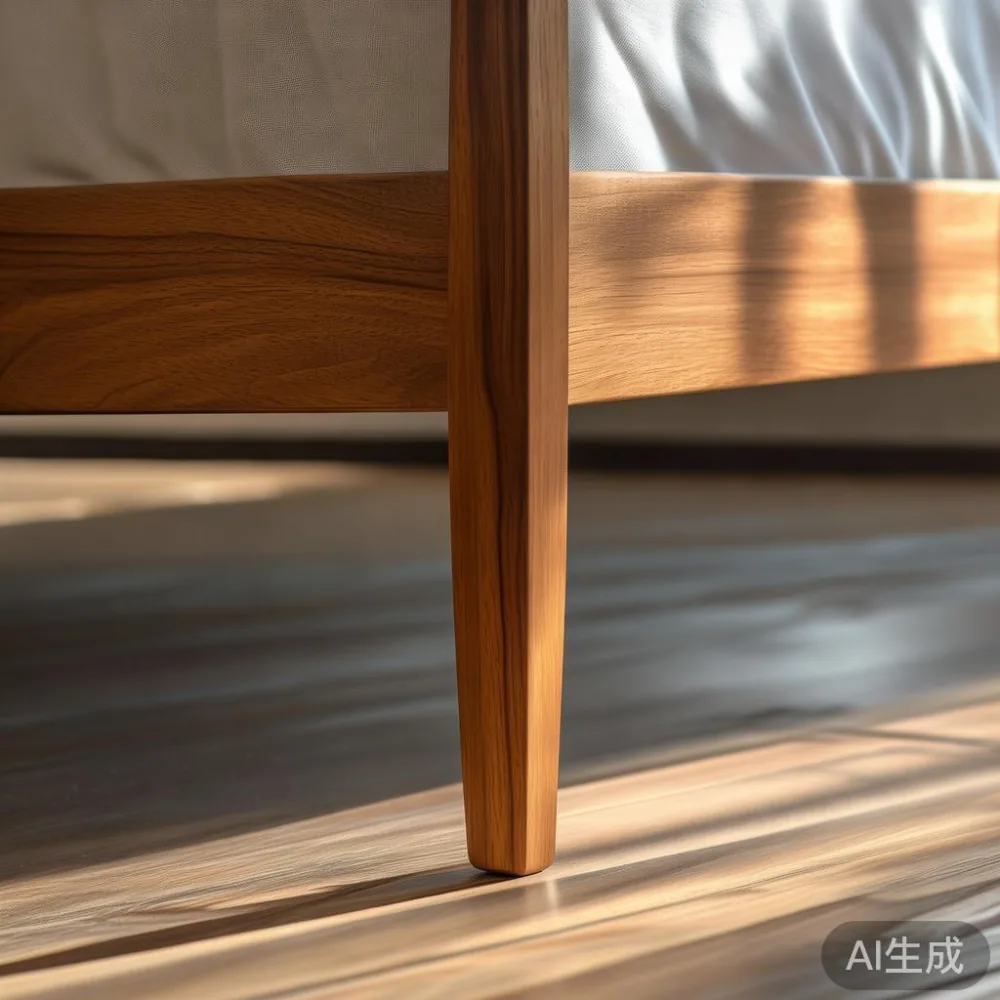
Solid wood is hygroscopic, which means it physically exchanges water with the surrounding air. A 200 cm wide dining table or a queen-size headboard panel can move 3 to 6 mm across its width over a single humid season. That movement is invisible in spring-loaded chairs, but it shows up fast on wide glued panels, mitered joints, and decorative mouldings. I have measured 0.4% change in moisture content in a wood slab inside a four-hour window, which is enough to start a stress crack if the piece was built for a drier range.
For buyers comparing a solid wood sofa, a bed frame, a dining table, a wardrobe, or a nightstand, the rule is straightforward: the wider and the more joined the panel, the more it will move. A 180 cm wardrobe door panel will move more than a 60 cm nightstand drawer front. And a tall, flat headboard panel, the piece that sits closest to a bedroom wall that rarely sees airflow, is usually the first place a home will see trouble.
Is French provincial headboard furniture worth it?
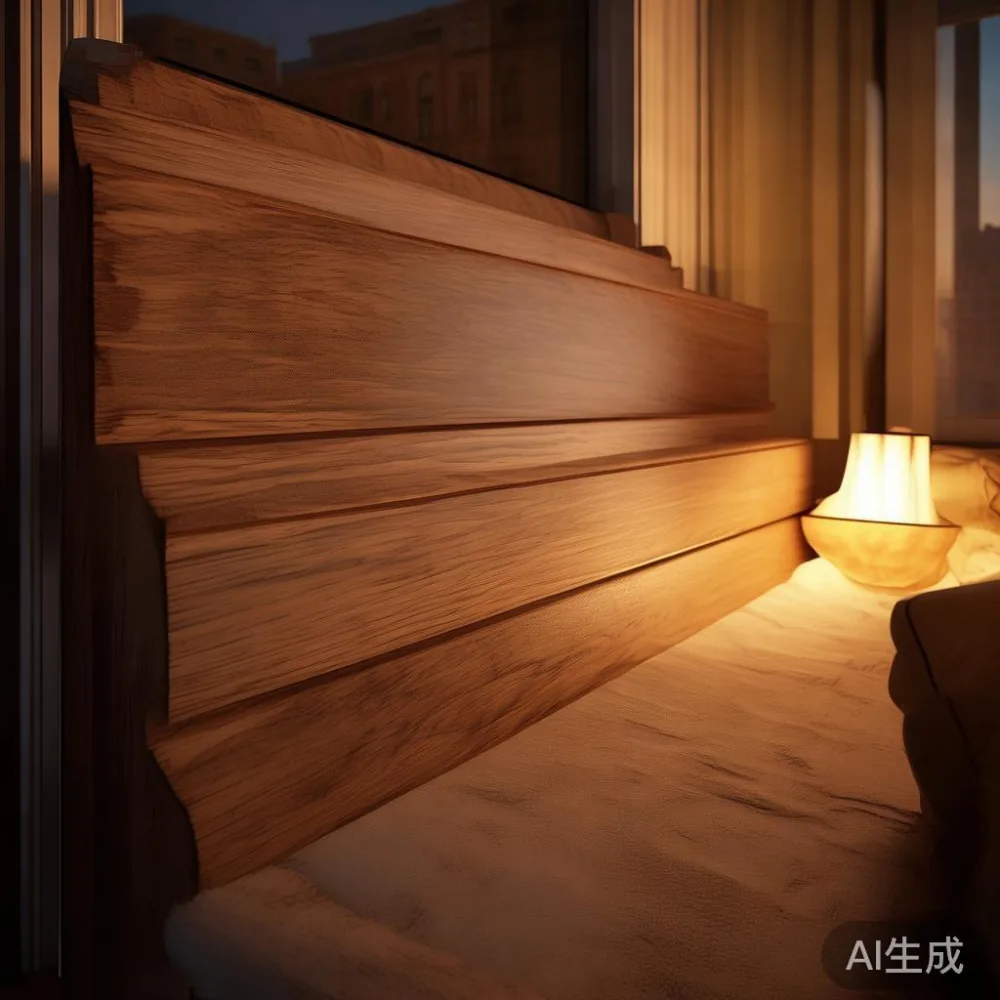
Yes, French provincial headboard furniture is worth it in 2026, as long as the piece is built from properly dried solid hardwood, uses traditional mortise-and-tenon joinery, and is finished on the back panel so humidity exchange is slowed on both sides. French provincial styling uses curved tops, decorative carvings, and upholstered centre panels, and those carved details show humidity movement sooner than flat slab doors, so the question is really whether the maker has engineered the panel correctly.
To answer the broader question of value, compare three things before paying. First, ask for the moisture content of the timber at the time of packing; a properly kiln-dried hardwood should sit between 8% and 12% for Southeast Asian indoor use. Second, look at the back of the headboard panel; a finished back, even a single coat of sealer, can cut panel movement by roughly a third. Third, check whether the headboard is fixed to the bed frame with metal brackets or simply screwed into the wall. Brackets let the wood move, fixed screws can split the upright posts after a few wet seasons.
Mid-century modern Nordic sintered stone pieces solve the humidity problem differently, since the sintered stone top or accent panel is non-porous and does not move, while the surrounding solid wood frame can be specified in a stable hardwood such as ash or white oak. For a bedroom in a Punggol condo where the balcony door is open six hours a day, that mixed construction is often the safer pick over a fully upholstered headboard, which absorbs moisture through the foam and can develop mould along the bottom edge against the wall.
What humidity actually does to a headboard, month by month
Humidity damage is rarely sudden. The pattern I see on service calls in Bedok and Tampines is consistent enough to predict. In month one, the headboard sits flush and quiet. By month three, the proud edges of the moulding feel slightly raised, because the outer face of the panel swells faster than the inner face. By month six, the centre of an upholstered panel develops a faint musty smell near the floor line where the headboard meets the mattress. By month twelve, hairline cracks appear on the headboard's flat panel, and any decorative carving on the top arch shows stress lines.
Quantitative ranges help. For a 160 cm wide solid wood headboard panel, expect seasonal expansion of 2 to 4 mm across the grain in a non-air-conditioned room, and 1 to 2 mm in a room kept at 24°C and 55% relative humidity. A 200 cm wide panel on a king-size bed frame can move 4 to 6 mm. Those numbers sound small until you realize that a 3 mm expansion on a tightly fitted tenon joint is enough to crack the shoulder of the joint and split the upright post.
Glued joints fail before mortise-and-tenon joints fail, and MDF panels fail before solid wood panels fail. This is one reason a solid wood bed frame with a properly built headboard often outlasts a cheaper engineered-wood alternative. The same logic applies to a wardrobe with solid wood panels, a dining table with a single-slab top, and a nightstand with solid wood drawer fronts. Pick the piece that lets the wood move slightly, and you will avoid the cracks that show up in months seven to twelve.
How to measure and control humidity in a Singapore bedroom
A basic hygrometer costs SGD 18 to SGD 35 at any Tampines Mall electronics shop, and it is the single best purchase a new furniture owner can make. Place it on the wall directly behind the bed, at headboard level, and check it morning and evening for the first two weeks after delivery. You will quickly see whether your air-conditioner is actually pulling humidity down or whether the room hovers at 72% to 78% while the unit runs.
For a Singapore HDB flat, target an indoor range of 50% to 60% relative humidity at 23°C to 26°C. The air-conditioner's dry mode is more effective at moisture removal than the cool mode in this range, so use dry mode for two hours before bedtime if the bedroom reads above 65%. A small USB dehumidifier rated at 250 ml to 500 ml per day costs SGD 45 to SGD 90 and is enough for a 12 sqm bedroom; a larger 1.5 L per day unit is enough for a master bedroom up to 20 sqm. Empty the tank every morning in HDB flats where the wardrobe blocks wall airflow.
Keep the headboard 5 to 8 cm off the bedroom wall so air can move behind it. A headboard pushed flat against a concrete HDB wall will trap a layer of humid air, and the back panel will absorb that moisture even if the room reads a normal 55%. In a private condo where the wall is plasterboard, leave 3 to 5 cm of gap. For a heavy French provincial headboard that includes an upholstered centre panel, leave the gap on the wider side; for a Nordic sintered stone accent panel, the gap matters less because the stone does not absorb moisture.
Delivery, lift access, and the Singapore-specific checklist
Solid wood furniture is heavy. A queen-size solid wood bed frame with a 180 cm headboard typically weighs 55 kg to 75 kg packed, and a king-size version runs 80 kg to 110 kg. A six-seater solid wood dining table in ash or walnut weighs 70 kg to 95 kg, and a four-door wardrobe can cross 140 kg. Those numbers matter because HDB lift doors in many 7-storey blocks in Bedok and Punggol are 80 cm wide and 210 cm tall, and the inner cabin is roughly 110 cm deep by 140 cm wide. A 200 cm long headboard will not fit standing up in many of those lifts, so it has to come in flat, and that affects how it is packed.
Before confirming any order, measure the lift door, the lift cabin, the corridor turning radius on the floor, and the final doorway into the room. For a Tampines HDB five-room flat built in the 1990s, expect a 90 cm corridor turn at the lift lobby. A solid wood dining table longer than 180 cm usually needs to come through on its side, and the packaging should protect the tenon joints on the legs. Free shipping over SGD 350 is common for Singapore-based sellers, but check whether the delivery team will carry the piece up to the bedroom or stop at the lift lobby; the difference is usually SGD 40 to SGD 80 if you have to pay the porterage separately.
For condos with a 1.5-tonne goods lift, anything under 200 kg and under 220 cm in any single dimension is unproblematic. Anything heavier or larger requires a booking, often 5 to 10 working days in advance, and a certificate of weight from the seller. A 140 kg wardrobe will need that booking. Have the unit number, the loading bay access code, and the MCST contact ready when scheduling, since a missed goods lift slot costs SGD 60 to SGD 150 in rescheduling fees on most projects in the Punggol and Bukit Panjang areas.
Warranty, returns, and what a fair brand should put in writing
A 10-year structural warranty on the bed frame, dining table and base set covers joint failure from seasonal movement within reason, but it does not cover cracks from a room held above 70% relative humidity for months. Read the warranty terms for the moisture range the maker covers. A fair structural warranty for Singapore should explicitly cover joint failure at indoor humidity between 45% and 65%, and it should state the moisture content of the timber at packing, since that number anchors every later claim.
A 14-day return window is useful for visible defects, but humidity-related movement shows up after week three, not week one. Pair the return window with a longer defect liability window of 30 to 90 days for wood-specific issues such as cracks, warping beyond 3 mm across the panel width, or joint separation. Lifetime refinishing is a real advantage on solid wood because a light sanding and re-oiling in year five can reset the surface and close early stress marks before they grow.
MIDHILL ships from Foshan with kiln-drying data and packaging, anchored in 8% to 12% moisture content at packing, and the brand's 10-year structural warranty has been used on Singapore-bound solid wood bed frames, wardrobes and dining tables since 2008. Customers in Bedok and Punggol who ordered French provincial headboards and Nordic sintered stone dining tables in 2023 and 2024 reported no structural issues at the 18-month mark when indoor humidity stayed under 60% and the headboard sat 5 cm off the wall. The brand also offers refinishing for pieces shipped to 15+ markets, including re-oiling and small crack repair, which is closer to a real lifecycle service than a one-off transaction.
A simple monthly routine for solid wood owners
Once a month, wipe the headboard panel with a barely damp microfibre cloth, then dry it with a second cloth. Once every six months, apply a thin coat of hard wax oil or beeswax-based wood balm, using about 5 ml per square metre for a flat panel. Keep the room between 50% and 60% relative humidity, run the air-conditioner or dehumidifier during the wet season from November to February, and pull the bed 10 cm away from the wall every two weeks to let the back panel breathe.
Watch for three early warning signs. First, a musty smell near the floor line of the headboard or the wardrobe base. Second, raised grain that feels fuzzy when you run a cotton cloth across it. Third, a door or drawer that starts sticking in week four when it ran smoothly in week one. Address all three before they grow, and a solid wood dining table, bed frame, wardrobe or nightstand will run quietly for fifteen years and beyond. Ignore them, and the same piece will need a refinishing visit in month eighteen, not year five.