Beyond the Surface: A 5-Year Financial Comparison of Veneer and Solid Wood Headboards
Choosing the right headboard is a significant decision for any bedroom. It's the focal point of the space, a piece of furniture you interact with daily, and a long-term investment in your home's comfort and aesthetic. For residents of Singapore, working through the options between veneer and solid wood involves more than just initial price. It requires a clear-eyed view of long-term value, maintenance, and durability, especially within the specific context of our HDB flats and condominiums.
Last month, I visited a client's apartment in Tampines to assess a bedroom furniture layout. The existing headboard, a stylish veneer piece, had begun to show its age after just three years. The corners were chipped, and the finish had dulled significantly, a stark contrast to the solid oak dining table in the adjacent dining area which looked as good as new. This real-world experience highlighted a important point: the initial cost of a piece is only one part of its total story. The long-term performance and cost implications are what truly define its value over time. This article provides a detailed 5-year cost comparison, helping you make a more informed decision for your Singapore home.
Understanding the Materials: Veneer vs Solid Wood Headboards
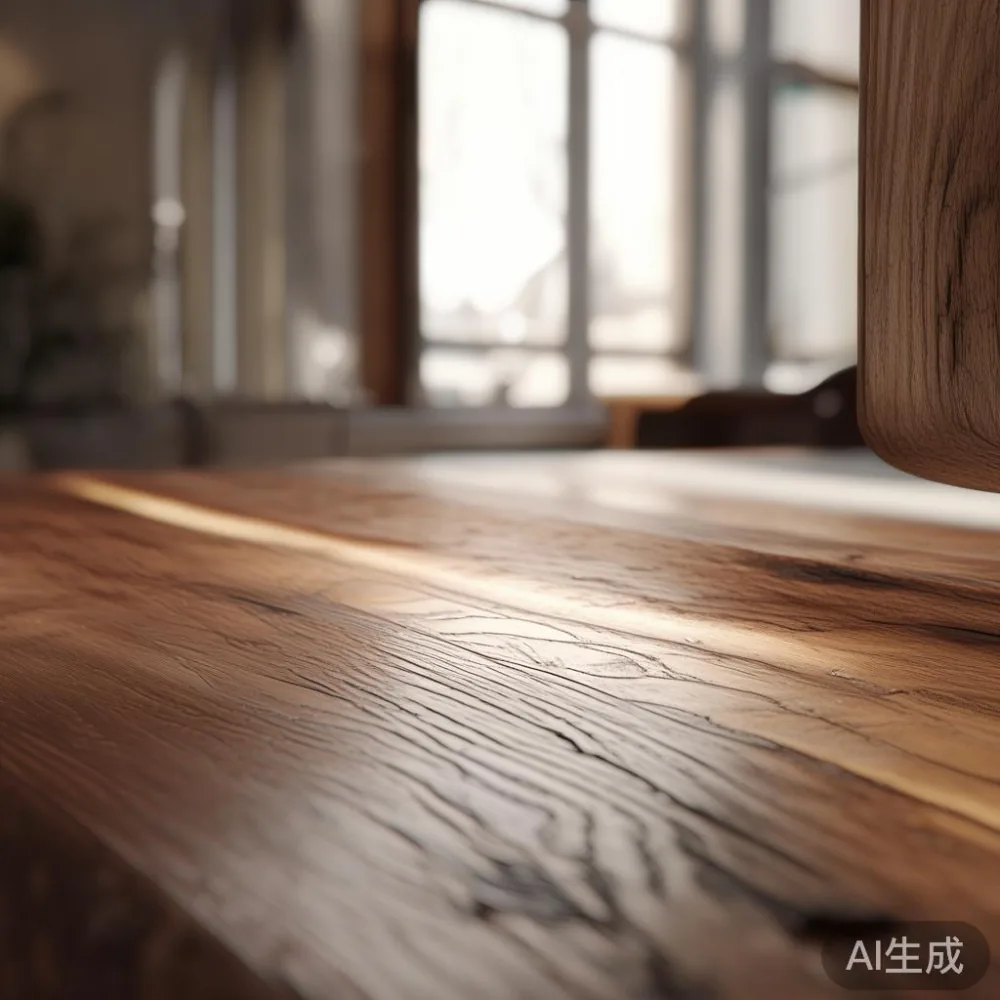
Before diving into the numbers, it's important to understand the fundamental difference between the two materials. A solid wood headboard, as the name suggests, is crafted from a single piece or multiple solid wood boards joined together. Materials like oak, walnut, or mango are common, offering natural grain patterns, exceptional durability, and the ability to be sanded and refinished multiple times. A solid wood headboard is a permanent fixture, designed to last for decades.
A veneer headboard, on the other hand, is constructed from a less expensive base material, such as MDF (Medium-Density Fiberboard) or particleboard. A very thin slice of real wood, known as the veneer, is then applied to the surface. This technique allows manufacturers to achieve the look of solid wood at a lower cost. However, this thin layer of real wood is susceptible to damage. If the veneer chips or scratches, the cheaper base material is exposed, which cannot be repaired in the same way solid wood can. For a headboard that sees daily use, this distinction is paramount.
The Initial Investment: A Head-to-Head Price Comparison
The most immediate difference between veneer and solid wood headboards is the price tag. For a standard queen-size headboard measuring 160 cm wide by 140 cm tall, the price disparity in Singapore can be significant. A well-made veneer headboard from a reputable local brand might cost between SGD 450 and SGD 750. This price point often includes a decent finish and a one-year warranty. In contrast, a solid wood headboard of the same dimensions from a quality manufacturer like MIDHILL, known for its 10-year structural warranty, will typically start from SGD 1,200 and can go up to SGD 2,500 or more depending on the wood species and design.
The price difference is substantial. For many homeowners in Singapore, where property values are high and budgets are carefully managed, this initial outlay can be a deciding factor. A veneer headboard offers a more accessible entry point to a certain aesthetic. However, this lower initial cost must be weighed against the long-term expenses and lifespan of the piece. The question is not just what you pay today, but what you pay over the next five years.
What Happens in Year 1 to 3? Maintenance and Minor Repairs
During the first few years, both types of headboards will likely perform well under normal use. A veneer headboard will maintain its appearance if it is not subjected to significant impact. Minor scuffs can sometimes be buffed out with a matching wood polish. However, any deep chips or cracks in the veneer are permanent. The repair options are limited to applying wood filler, which often looks noticeable, or attempting to patch the veneer, a difficult and often unsuccessful DIY task.
A solid wood headboard, in contrast, is far more forgiving. Minor scratches can be sanded out and the area re-oiled or re-varnished. Its natural resilience means it can withstand the occasional bump or scrape without permanent damage. For a solid wood bed frame or nightstand, this level of repairability is a standard feature, and the same principle applies to the headboard. There are typically no additional costs for maintenance during this period, aside from perhaps a recommended annual application of a natural wood oil to keep the finish nourished, costing around SGD 30 for a good quality product.
The Mid-Life Crisis: Year 3 to 5 and the Cost of Refinishing
This is the period where the true cost difference becomes most apparent. A veneer headboard, after three to five years of use in a humid Singapore climate, will often show visible signs of wear. The finish may begin to peel or bubble, especially along the edges and corners where there is the most movement. The structure itself may also start to weaken, with the MDF base potentially warping or sagging under the weight of the mattress. At this point, the headboard is often considered beyond economical repair. The owner is faced with the choice of replacing it entirely or living with a damaged piece.
Replacing a veneer headboard after four years means you have spent, for example, SGD 600 on the initial purchase and are now looking at another SGD 600 for a new one. That's a total of SGD 1,200 over five years for a product that has been discarded. The cost of ownership is effectively SGD 240 per year.
A solid wood headboard tells a different story. While its finish might show some signs of use, the underlying structure remains sound. This is where the lifetime refinishing warranty offered by brands like MIDHILL becomes a significant value proposition. When the finish begins to look tired, the headboard can be professionally sanded down and completely refinished. This process in effect restores the headboard to its original condition. The cost of this professional refinishing service, if not covered under a lifetime warranty, can range from SGD 400 to SGD 700 depending on the size and complexity. However, with a lifetime refinishing guarantee, this cost is zero. The only expense is your time to arrange for the service. This means a solid wood headboard can look brand new after five years for no additional material cost, a stark contrast to its veneer counterpart.
Is a Solid Wood Headboard Really Worth the Higher Price?
This is the most common question I receive from clients in Bedok and Punggol. They see the price difference and wonder if the investment is justified. The answer lies in a complete view of value over a 5 to 10-year period. Let's break down a realistic 5-year cost scenario for a queen-size headboard.
Scenario 1: The Veneer Headboard
- Year 0: Purchase Price = SGD 600
- Year 1-5: Minor polish purchase = SGD 30
- Year 5: Replacement due to damage/wear = SGD 600
- Total 5-Year Cost: SGD 1,230
- Average Annual Cost: SGD 246
Scenario 2: The Solid Wood Headboard
- Year 0: Purchase Price = SGD 1,500 (includes lifetime refinishing)
- Year 1-5: Annual wood oil maintenance = SGD 30 x 5 = SGD 150
- Year 5: Professional refinishing = SGD 0 (covered by warranty)
- Total 5-Year Cost: SGD 1,650
- Average Annual Cost: SGD 330
At first glance, the veneer option seems cheaper on an annual basis. However, this calculation misses a critical factor: lifespan. A high-quality solid wood headboard is not a 5-year product. It is a 25-year or even a lifetime product. After its first refinishing at year 5, it has been restored to 'like new' condition and will easily last another 10-15 years with minimal upkeep. The veneer headboard, by contrast, is likely discarded after 5-7 years. If you extend the timeline to 10 years, the solid wood headboard's value proposition becomes undeniable. You would likely need to replace the veneer headboard a second time, adding another SGD 600 to its total cost, bringing it to SGD 1,830 over 10 years, while the solid wood headboard's cost remains at SGD 1,650. Also, the aesthetic of a solid wood piece, with its deep, natural grain, adds a layer of light luxury to a bedroom that a thin veneer simply cannot replicate. This aligns with the growing popularity of for sale Minimalist furniture that emphasizes natural materials and timeless design.
Practical Considerations for Singapore Living Spaces
The choice of a headboard is also influenced by the practical realities of Singaporean homes. HDB flats and condominiums often have specific spatial constraints. The width of a corridor or a lift in an older estate can be a limiting factor when moving furniture. A solid wood headboard, being denser, will be heavier than a veneer one of the same size. For example, a solid mango wood headboard might weigh 35 kg, whereas a veneer MDF headboard could weigh 18 kg. This difference in weight can affect delivery costs and the ease of manoeuvring the piece into your bedroom.
However, reputable companies like MIDHILL factor this in. They offer free shipping over SGD 350, which covers most headboard purchases, and their delivery teams are experienced with working through Singapore's unique living spaces. The weight of a solid wood piece is a trade-off for its superior durability and longevity. It's a one-time logistical challenge for a product that will last for decades.
Another consideration is Singapore's Goods and Services Tax (GST). All furniture purchases are subject to 9% GST. This tax is applied uniformly, whether you buy a veneer or a solid wood headboard. It does not change the relative cost comparison but is an important factor in the final price you pay. When budgeting, always ensure the quoted price includes GST to avoid surprises.
Styling a bedroom around a solid wood headboard opens up more design possibilities. Its natural texture and colour can anchor a room, allowing for a variety of complementary pieces. For instance, a light luxury sofa in the living room might share a wood tone with the headboard, creating a sense of cohesion throughout the home. The principles of how to style Japandi bed in room often revolve around the bed frame and headboard as the central, grounding elements, making the material choice even more important. A solid wood headboard fits perfectly within this aesthetic, offering both function and form.
Conclusion: An Investment in Long-Term Value and Peace of Mind
The 5-year cost comparison between veneer and solid wood headboards reveals a clear narrative. While veneer offers a lower initial entry point, its total cost of ownership over a medium to long-term period is often higher due to its shorter lifespan and the inevitability of replacement. A solid wood headboard represents a more significant initial investment, but one that pays dividends in durability, repairability, and timeless beauty.
For the discerning homeowner in Singapore, who values quality and longevity, a solid wood headboard is the more logical and economical choice in the long run. It is a piece that not only serves its function but also becomes a cherished part of the home. The peace of mind that comes with a 10-year structural warranty and a lifetime refinishing guarantee is an invaluable benefit, ensuring that your bedroom's centrepiece remains as beautiful as the day you bought it for years to come. It’s a decision that transcends mere cost, becoming an investment in the comfort and enduring style of your living space.