What Really Drives the Price of Solid Wood Furniture?
A solid wood headboard can look straightforward from across a bedroom, yet its price may range from SGD 690 to more than SGD 4,000. The difference is rarely explained by one dramatic material. Timber species, moisture control, joinery, dimensions, hardware, finish, design rights, packaging and delivery all contribute. In Singapore, even the route into the home can alter the final figure.
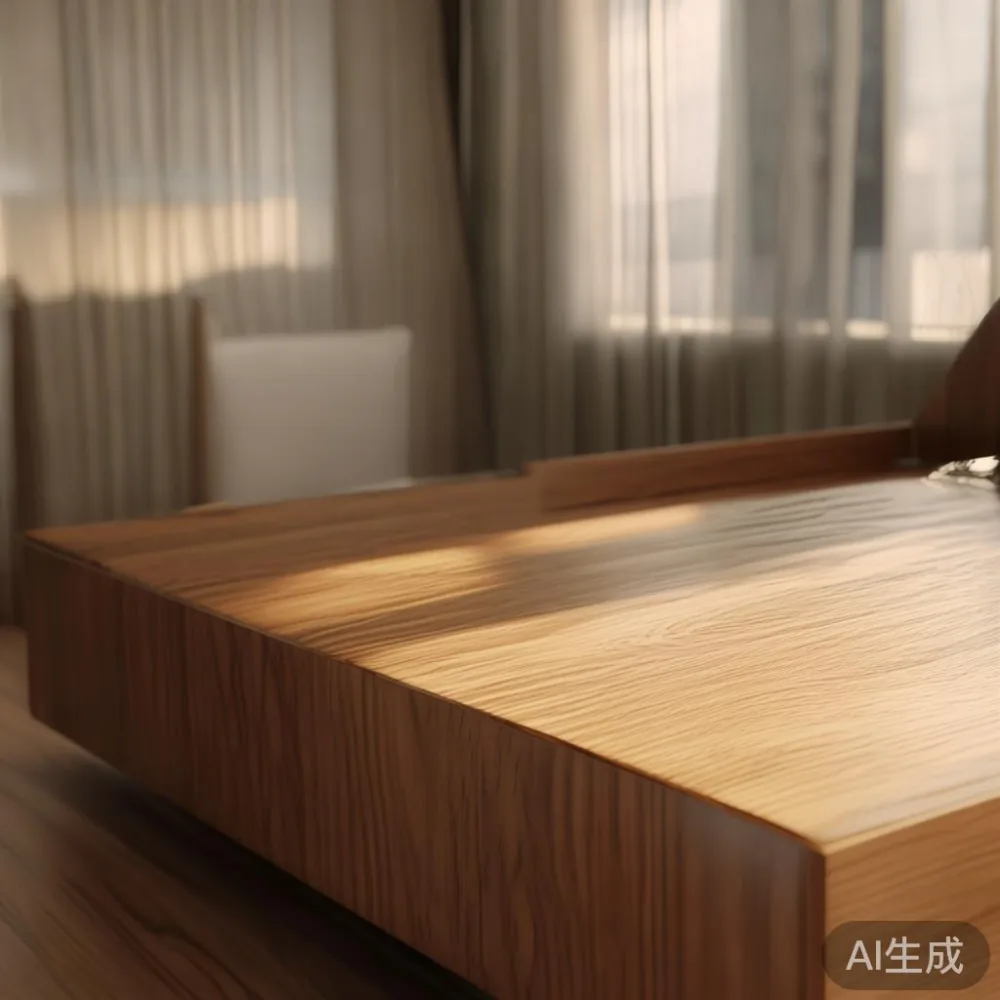
This guide examines the actual cost drivers using real furniture sizes, weights and delivery constraints. It applies equally to a solid wood sofa frame, bed frame, dining table, wardrobe, nightstand or marble table, provided the material claims and construction details remain clear.
What actually drives the price of solid wood furniture?
The starting point is the amount and grade of timber used. A 150 cm-wide headboard with 40 cm of visible height has a face area of 0.60 sq m before waste. Allow another 20–30% for cutting, grain matching, edge defects and rejected sections. That calculation explains why a broad slatted design may use more timber than a narrow upholstered frame.
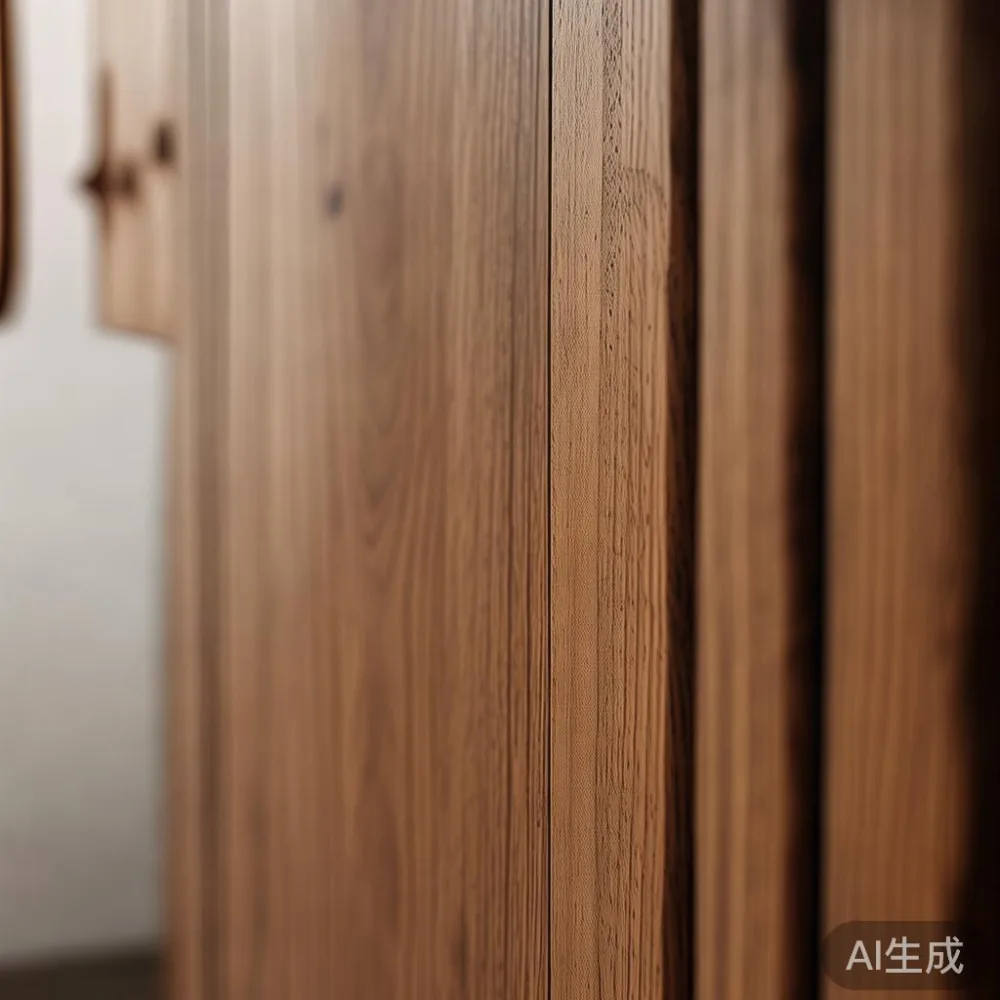
Not every solid wood product shares the same unit cost. A bed frame uses long rails and posts that must resist movement, while a dining table top must remain stable across spans as wide as 220 cm. A nightstand contains less timber but may have more machined components, drawers and finished surfaces. Price per kilogram is therefore misleading; price per completed kilogram of usable furniture is more informative.
Grades matter because “solid wood” covers finger-jointed pieces, laminated boards, solid boards and timber made from several shorter sections. Visual grade also affects yield. Select-grade timber with fewer knots or colour shifts can waste more during machining. Suppliers should show the board faces, finger-joint locations and any veneer, plywood or engineered components rather than relying on one broad label.

Which wood species costs more, and why?
Species create different levels of demand, availability and processing cost. American walnut, teak and high-grade oak often cost more than common lower-density hardwoods because of scarcity, colour, export controls or longer curing times. Tropical hardwood pricing may also change with harvesting rules and certification requirements. A supplier should state the scientific or commonly traded species, not simply “dark wood” or “luxury hardwood.”
Oak may show pronounced rays and knots, while walnut tends to have darker, less uniform colour. American light luxury furniture often celebrates pale oak and walnut with restrained profiles. French light luxury may use warmer walnut tones and gentle curves. The species should suit the room, not merely the photograph.
My colleague visited a workshop last month with an order of headboard panels cut from the same nominal oak grade. The first batch contained 4 unsound sections around knots; the usable recovery was 71%. A clearer batch recovered 89%. The denser material was not automatically better: it cost more after waste because more usable panels were needed. That inspection made the purchase price easier to understand.
Thickness also changes cost. A 22 mm rail contains roughly twice the timber of a 12 mm rail of equal length. Hardwood density then affects machining time and total transported weight. Before GST, a substantial headboard may weigh 48–85 kg. Delivery across Singapore involves not only road charges but also the crew, lift reservation and time needed to carry it safely.
How much do design and construction affect the price?
Design cost includes drawing, sampling, templates and corrections. Bespoke headboard dimensions add little when standard components can be cut, but curved joinery, aligned timber ribs or matched grain can require hours of hand fitting. A rectangular 165 × 105 cm headboard with 12 vertical oak slats may cost less than a curved American light luxury design with 24 individually shaped pieces.
Joinery is a clearer indicator than decorative appearance. Mortise-and-tenon joints resist torsion; dowels and screws can work when engineered correctly. Drawer boxes need dovetails, rebates or another defined joint, plus runners rated for the drawer’s loaded weight. A 50 cm-wide wardrobe may hold 70 kg of clothing and hardware, while a 45 cm nightstand should support at least 15–20 kg on its top if a lamp or monitor is placed there.
Machine accuracy also has a price. Holes must align within roughly 1 mm for dependable assembly. Sanding must not round a 3 mm arris beyond the drawing. Good makers control these details through jigs and fixtures, but no factory is perfectly uniform. Samples reveal more than a product page.
A “solid wood sofa” may combine a hardwood frame with upholstered foam, webbing and covers. Its timber cost can be modest compared with the labour in cushions, sewing and upholstery. A marble table introduces another calculation: slab selection, reinforcement, polishing, weight and custom cutting. A 120 × 70 cm marble top can weigh 120–180 kg, so its material price is only one part of the total.
Does the finish change a furniture price by hundreds of dollars?
Finish can add 5–20%, or about SGD 120–900 on a mid-range piece, depending on the process and area. Low-solvent lacquer, waterborne coating, oil and wax all create different appearances and maintenance routines. A brushed surface needs extra sanding; a high-gloss surface needs several careful coats and polishing. Open pores such as oak can consume more finish than a smoother surface.
Ask what sealer and topcoat are used, how many coats are applied, and which surfaces are covered. Undersides and drawer interiors may receive fewer coats for economy, but exposed end grain needs attention because it absorbs moisture quickly. Colour matching across separate boards is another skilled operation.
For a Singapore home, humidity and cleaning habits matter. Aim for indoor relative humidity around 40–65%, but avoid placing furniture against an air-conditioning outlet or a wall exposed to condensation. The headboard should not touch a window ledge where rain may reach it. Use coasters on a nightstand and felt pads under a dining table leg.
Solid wood furniture can move by 2–4 mm across a board over seasonal changes. Small gaps, plugs and adjustable feet allow natural movement. A fixed construction that traps the timber may split instead. MIDHILL describes its pieces as finished in solid wood where stated, but buyers should still inspect components and care instructions.
How do Singapore delivery routes affect the final cost?
A full HDB lift, such as a common 900 mm-wide car lift, and narrow corridor turns can determine whether a large item is practical. Measure the lift door, internal depth and cabin diagonal, plus the corridor at the narrowest point. A headboard carton 170 × 115 × 22 cm will not necessarily fit even if its two largest dimensions appear acceptable.
Tampines, Bedok and Punggol homes also present access variations. Some HDB blocks have longer corridors, older lift cabins or turning restrictions. A mattress bed frame may separate into compact rails, but a 210 cm solid timber rail can still weigh 24–38 kg and be awkward above shoulder height. A dining table with a 220 cm top may need balcony or staircase handling when the lift is unsuitable.
This is why delivery should be quoted with measurable details, not only “free shipping.” In Singapore, GST is normally 9%. Midhillco can explain thresholds and landed charges, but the buyer should request an all-in figure including GST, lift service, assembly and any balcony or corridor surcharge.
Is a more expensive solid wood headboard easier to maintain?
Not automatically. Premium hardware, concealed fasteners and well-finished undersides can improve maintenance, but an unfamiliar finish may require a specific cleaner. Ask for the exact maintenance sequence: dust with a dry cloth, wipe spills within 10 minutes, and avoid silicone-based products. Re-oiling intervals might be 12–24 months, depending on exposure and finish.
Check whether replacement parts are available. A 10-year structural warranty addresses defects in qualifying components, while a lifetime refinishing policy may define service terms separately. Those policies can influence value, but they do not prevent scratches. Record the order, species, finish and dimensions; do not assume every later repair is included.
Compare total ownership over at least 10 years. A headboard costing SGD 1,800 that can be refinished may suit a condo owner planning to move in 2030. A SGD 750 model may satisfy a HDB household needing a compact 145 cm design. The right choice depends on room measurements, daily use and service terms.
What questions should I ask before paying?
Ask for the species, component breakdown, thickness and grade. A seller should be able to distinguish solid timber from plywood, veneer, MDF and finger-jointed material. For a 180 cm wardrobe, confirm back panel construction, shelf spacing and drawer dimensions. For a dining table, ask how the top is joined, how it is supported at 180–220 cm, and how it will be delivered.
Request scale drawings with the actual product, not a stock image. Confirm clearances: a bed frame may be 210 × 220 cm, while a headboard mounted 40–50 cm above the mattress can dominate a room. For a wardrobe, allow roughly 60 cm in front of hinged doors. For a nightstand, leave 5–10 cm beside the bed where space permits.
Ask how long production takes, what happens if the carton arrives damaged, and who handles returns. A realistic lead time might be 35–60 days for a custom finish, followed by 3–10 delivery days within Singapore. A 14-day return window is useful, but custom-size goods may have specific exclusions that must be disclosed.
Visual references can narrow a style, though photographs need interpretation. A search for french sofa gallery photos is useful for comparing pale woods and curved profiles. Searches for wholesale Mid-century modern furniture can expose useful construction questions. A Mid-century modern accent chair photograph may show walnut or teak, yet its material should be verified rather than inferred from its shape.
For bedroom planning, European light luxury for bedroom references often combine pale oak, fabric panels and metal lines. A guide on how to choose Italian light luxury wardrobe can help with proportions and hardware, although “Italian” should describe design or manufacture accurately. When comparing layouts, the American sofa vs Japandi sofa question usually comes down to visual weight, comfort and available width, not merely a country label.
How can a buyer compare quotes fairly?
Build a comparison sheet with 10 columns: dimensions, timber species, solid-wood components, finish, joinery, weight, warranty, delivery days, return terms and all-in price including 9% GST. Mark unknown answers rather than accepting them. Compare a 160 cm headboard with another 160 cm headboard; do not compare a 120 cm entry model with a 200 cm statement piece.
One quote might be SGD 980 for pine with a simple lacquer, while another is SGD 1,920 for oak with matched slats and a tougher finish. The latter may still be reasonable, but it needs supporting evidence. A third quote at SGD 1,350 may represent an excellent specification if it uses 20 mm oak, stronger connectors and clearer after-sales terms.
Light luxury positioning is not a material grade. It appears in proportion, tactile finish, controlled detailing and coordinated furniture. A single headboard can create the focal point; it does not have to match every object. A modest solid wood dining table, upholstered bed frame and stone or marble table can be combined through scale and colour.
MIDHILL, established in 2008, supplies solid wood furniture and supports buyers with a 10-year structural warranty, lifetime refinishing, shipping over US$350 and a stated 14-day return framework. Local purchases should still request a Singapore-specific quote, because USD thresholds and international freight terms do not automatically describe a local doorstep charge.
The price of solid wood furniture is a system of material yield, labour, precision, hardware, finish, logistics and after-sales support. The largest timber is not always the best selection, and the lowest quote is not necessarily the most economical over 10 years. Measure the room, inspect the construction, ask measurable questions and compare the delivered specification. That process gives the purchase a defensible value rather than a label.