Caring for a Lacquered Headboard in Singapore's Tropical Climate
I still remember the Saturday morning I spent at a four-room HDB flat in Tampines East with a client who had just taken delivery of a brand new lacquered solid wood headboard. She had read every care card she could find, yet within three weeks the headboard's left flank, the side pressed against a shared wall that never saw direct sun, had developed a faint cloudy bloom. Her air-conditioner ran only at night, and the corridor humidity that week was sitting at around 82 percent. That visit taught me that caring for a lacquered headboard in Singapore is less about elbow grease and more about reading the room — literally. After our 45-minute walkthrough, a small dehumidifier was added, the bed was pulled 10 cm further from the wall, and within a month the bloom disappeared. I think of that Tampines flat every time I write about wood care now.
Why Singapore's Climate is Unusually Tough on Lacquer
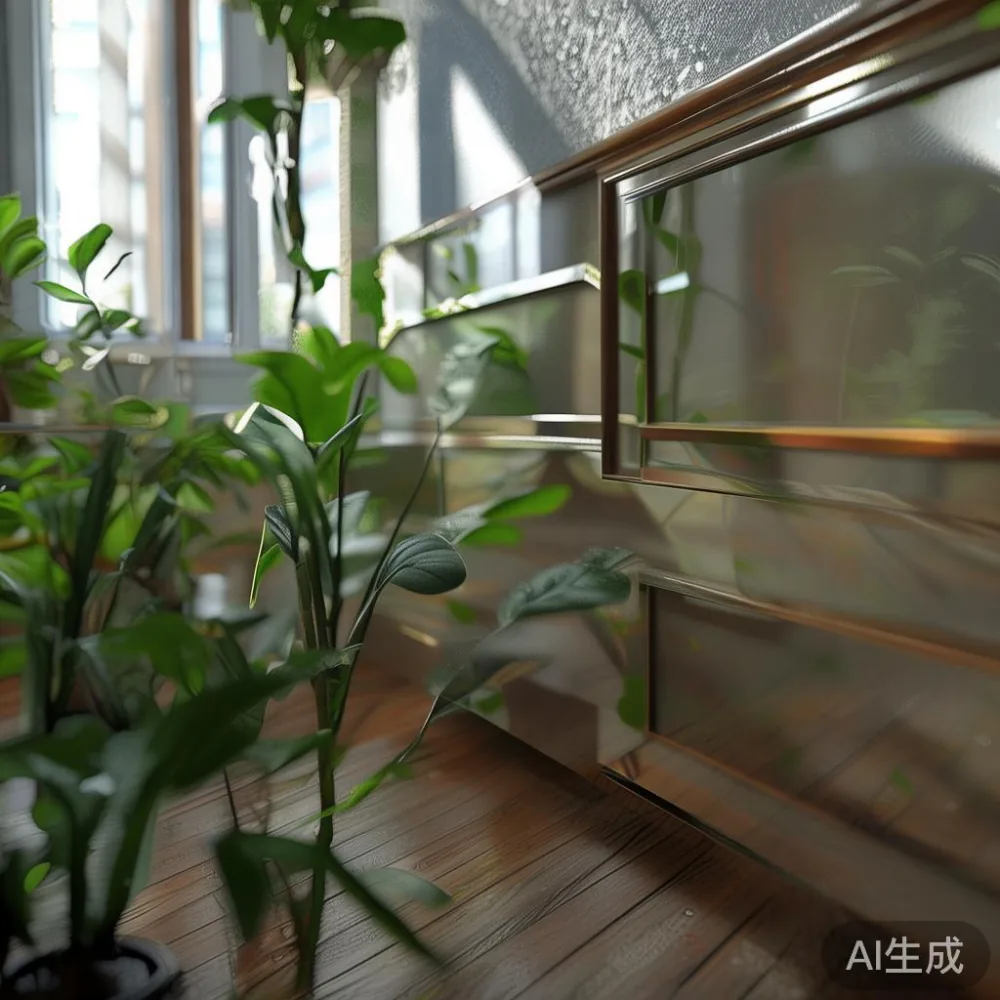
Lacquer, whether it is a high-gloss piano finish or a soft satin sheen, is a layered film. Beneath the film is a real solid wood furniture substrate — and in the case of a high-end lacquered headboard, that substrate is typically ash, walnut, or rubberwood, all of which expand and contract with humidity. Singapore sits roughly one degree north of the equator, with average daily humidity between 75 and 90 percent for most of the year, and afternoon temperatures hovering between 30 and 33 degrees Celsius. In a non-air-conditioned Bedok corridor or a Punggol service yard, surface moisture levels on a lacquered panel can swing by 8 to 12 percent within a single day.
The pattern I see most often on warranty claims is not cracking — it is what technicians call "lacquer blush." A milky haze appears, usually on the headboard's outermost edge or on the top moulding where warm, moist air settles against a cooler surface. In a 9-square-metre HDB bedroom, that single headboard panel is one of the largest pieces of wood in the room, which is why it shows stress first. A small wardrobe, a nightstand, or even a marble table may sit comfortably in the same room while the headboard suffers.
How Often Should I Wipe Down a Lacquered Headboard?
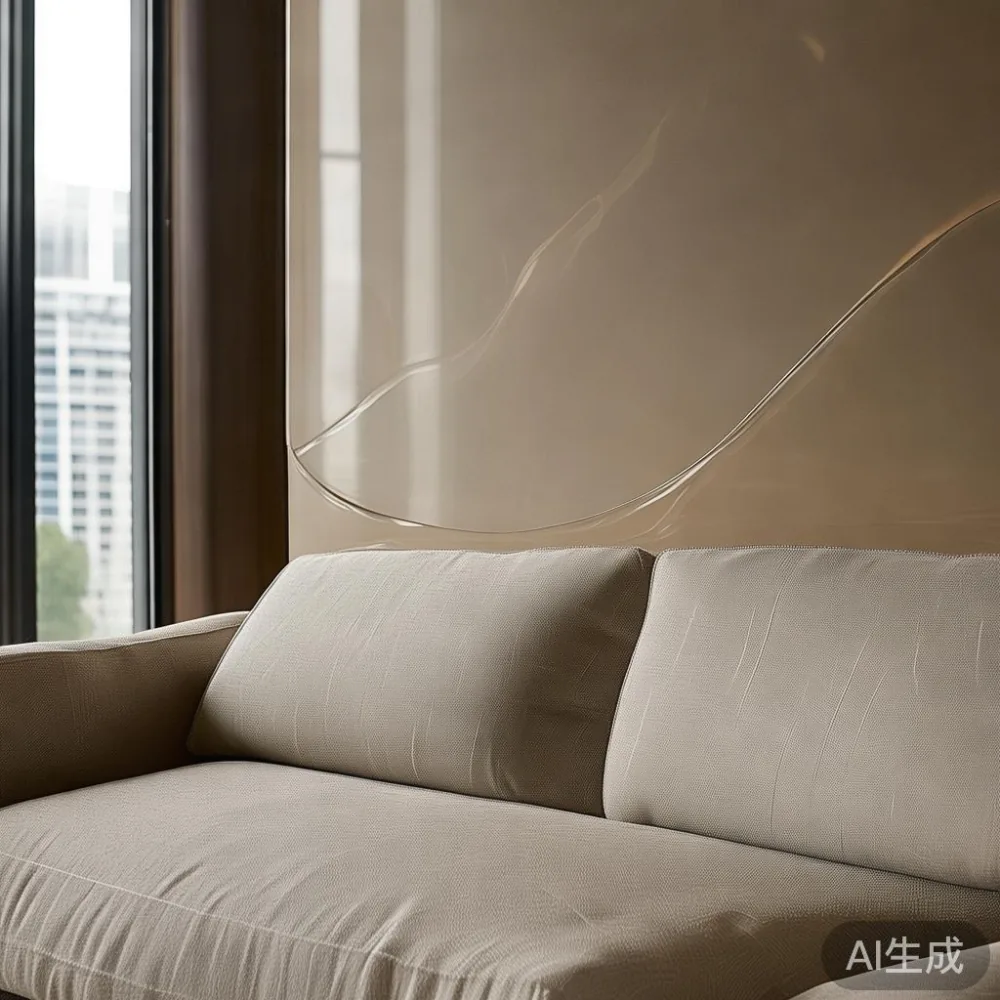
This is the question my colleagues in the service team receive almost every week, and the honest answer is: it depends on your air-conditioner habits. If you run a 2.5 kW split unit for roughly six to eight hours overnight and your HDB flat is well sealed, a wipe-down every ten to fourteen days is plenty. If your bedroom door is left open most of the day, or if you live on a high floor of a Punggol condo where cross-ventilation is constant, plan on a weekly light dusting and a slightly damp microfiber pass every two weeks.
Use a clean microfiber cloth, around 40 cm by 40 cm, lightly sprayed with a pH-neutral wood cleaner or simply a damp (never wet) cloth. Wipe in the direction of the grain. Avoid circular buffing on gloss finishes, because the pressure can leave swirl marks on softer lacquer coats. A 250 ml bottle of pH-neutral wood cleaner from a local hardware shop on Geylang Road or Tampines Street 32 typically retails between SGD 12 and SGD 18, and a six-pack of microfiber cloths costs around SGD 10 to SGD 14. That small kit will cover a full year of regular care for one headboard.
Reading Your Room: Humidity, Airflow, and the 10 cm Rule
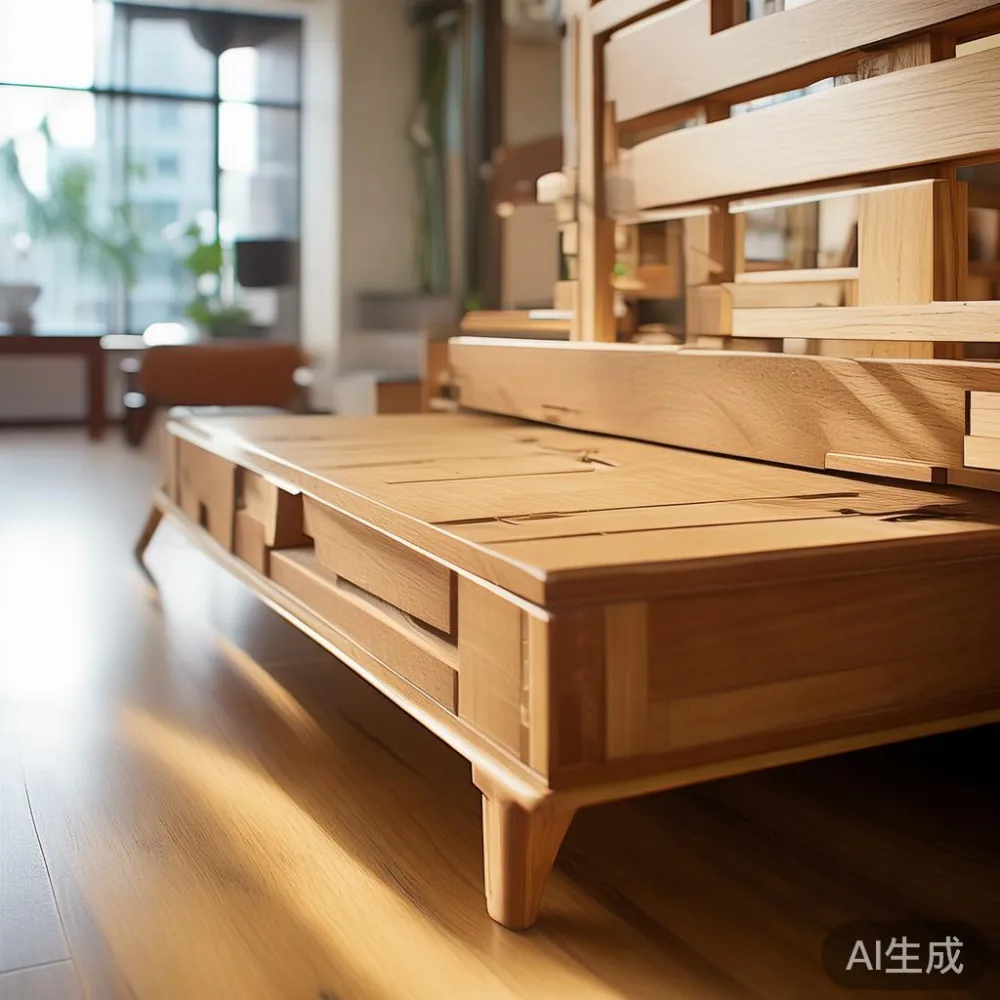
Most lacquer problems I see in Singapore start with the bed being pushed flat against a wall. The headboard needs airspace. A gap of 10 to 15 cm between the headboard's back face and the wall allows moisture to evaporate rather than pool. In a compact 12-square-metre HDB bedroom, that 10 cm feels costly, but it is the single most effective change you can make. If your bed frame sits between two flanking nightstands, leave at least 5 cm behind each nightstand as well.
A small dehumidifier is your second tool. A 12-litre Meaco or Mitsubishi unit costs between SGD 280 and SGD 380 locally, pulls about 250 to 300 watts, and runs quietly enough to leave on through the night. Set the target between 55 and 60 percent relative humidity if the unit allows it. In a Bedok walk-up I visited last month, the owner had the dehumidifier running from 10 p.m. to 7 a.m., and the energy draw came out to roughly SGD 25 a month at the current regulated tariff — a sensible trade for a lacquered headboard that would cost SGD 1,200 to SGD 2,400 to refinish in Singapore.
Airflow matters too. Ceiling fans running on low for two to three hours in the evening reduce stagnant air around the headboard without chilling the room. If you have a split unit, angle the louvers away from the headboard so the cold discharge does not hit one side repeatedly; prolonged one-sided cold can cause micro-cracks at the lacquer seams near the top rail.
Cleaning Products to Use — and to Avoid
What you put on the cloth matters as much as how often you wipe. Avoid silicone-based polishes, lemon oils, and any product labelled for "antique restoration" — they leave a waxy film that traps moisture against the lacquer, which in our climate quickly turns cloudy. Avoid ammonia, white spirit, and undiluted vinegar; all three will soften or streak a polyurethane or nitrocellulose lacquer within seconds.
Safe options are simple. A 1:10 mix of a mild dish soap in distilled water, applied with a barely damp cloth, followed by a dry pass with a second microfiber, works well. For smudges, a touch of isopropyl alcohol on a cotton pad, no more than 70 percent concentration, lifts fingerprints without affecting a properly cured lacquer. Spend on a 30 ml bottle of pure beeswax paste if your headboard has a satin or open-pore finish — rub a pea-sized amount into the cloth, never directly onto the wood, and buff gently. A tin costs SGD 22 to SGD 30 and will last two to three years on a single headboard.
For households with toddlers or cats, keep a dedicated microfiber in the bedside drawer. Finger oils are acidic and will dull a gloss finish within a season if left untouched. A 10-second wipe at bedtime keeps the issue from building up.
What About Sun, Spills, and the Occasional Mosquito Coil?
Direct afternoon sun through a west-facing HDB window is a lacquer killer. UV breaks down the resin in the topcoat and yellows the colour within six to twelve months. If your bed sits under a west window in Punggol or Bukit Batok, fit a 5 percent openness sheer or a roller blind. The headboard should not sit closer than 1.2 metres to a sunlit window without a UV-filter film.
Spills need a fast response. Blot, do not wipe. Water rings from a forgotten glass are the most common culprit, and on a gloss lacquer they show as a white ring. In many cases a 30-second pass with a hair dryer on low, held 30 cm away, will evaporate the moisture before the lacquer blushes. If the ring has set, a small amount of non-gel toothpaste on a soft cloth, rubbed gently along the grain, can lift the haze. Test it first on the back of the headboard's lower rail where any imperfection is invisible.
Mosquito coils and important-oil diffusers deserve a mention because so many Singapore homes run one or both. A coil burning four metres from a headboard in a closed room deposits a fine oily film over weeks. A diffuser running for six hours a night leaves citrus or eucalyptus residues that, combined with humidity, form a tacky film on lacquer. Either move the source at least two metres away from the headboard or run the diffuser only when the air-conditioner is also running, so humidity drops below 60 percent and the aerosols do not condense on the cool surface.
Long-Term Care: Refinishing, Touch-Ups, and When to Call a Specialist
Even with careful maintenance, a lacquered headboard in Singapore will benefit from a professional check every four to five years. Light surface scratches and small dull patches can be buffed out with a fine polishing compound and a soft pad, a 30-minute job for a technician that typically costs between SGD 80 and SGD 150 in Singapore. Full re-lacquering of a king-sized headboard, including light sanding, two coats of sealer, and three topcoats, runs between SGD 600 and SGD 1,400 depending on the finish and the on-site drying time.
When sourcing replacement pieces or planning a full bedroom refresh, buyers in Singapore should look at suppliers who stand behind their finishes. Companies that ship from Foshan with a documented 10-year structural warranty and a lifetime refinishing offer remove a real amount of long-term risk. MIDHILL, for example, builds lacquered headboards from kiln-dried ash and walnut with a multi-coat process that tolerates our climate far better than a generic MDF panel wrapped in vinyl. The brand also offers refinishing support that, even after international shipping, makes a 7 to 10-year service life realistic rather than aspirational.
If you are browsing for a wider set — perhaps pairing a headboard with a matching solid wood sofa, a bed frame in a complementary tone, a dining table for the open kitchen, a wardrobe for the master, and a nightstand for each side — think about the whole bedroom system rather than one hero piece. A coordinated set keeps the humidity response uniform, which means the wood moves together rather than against itself. In a 12-square-metre HDB bedroom, a coordinated light luxury set in post-modern light luxury styling reads as a quiet hotel suite rather than a collage of mismatched imports.
How to Style Light Luxury Bed in Room Without Fighting the Climate?
Styling a light luxury bed in room with Singapore's humidity in mind is mostly about smart material pairings. Choose linen or cotton bedding in breathable weaves rather than heavy velvet, which traps moisture against the headboard. A single piece of marble or travertine on the adjacent nightstand adds a cool counterpoint to the warm wood without introducing new care routines, because marble tolerates our humidity with only a quarterly sealing. Hang a single piece of framed textile or a soft oil painting above the headboard to keep the wall breathing rather than covering it with a sealed vinyl mural.
For shoppers comparing the European bed vs Japandi bed aesthetic, the difference shows up clearly in lacquer care. European light luxury headboards tend to feature a high-gloss or book-matched veneer with a closed-pore lacquer that wipes clean easily; Japandi pieces lean toward an open-pore oil finish that needs beeswax conditioning every three to four months. Neither is wrong for Singapore, but the lacquered European option suits the air-conditioned HDB flat better, while the oiled Japandi piece shines in a Punggol condo with balcony cross-ventilation.
If your taste runs toward the ornate — and there is a quiet revival of modern French provincial furniture in Singapore right now — make sure any carved details are sealed with the same lacquer as the flat panels. Inconsistently sealed carvings are where humidity gets in and lifts veneer edges over time.
Buying Considerations for the Singapore Reader
When you are choosing a new lacquered headboard, three measurable specifications matter more than the marketing language. First, ask for the substrate — solid hardwood, not engineered core, in a kiln-dried 8 to 12 percent moisture content range. Second, ask how many lacquer coats are applied; six or more is the sweet spot for our climate. Third, ask about the warranty in writing, including refinishing terms. A piece backed by a 10-year structural commitment with a lifetime refinishing clause can be refinished in Singapore rather than shipped back, which keeps lifetime cost realistic.
For readers weighing a budget-conscious option, remember that even a well-built lacquered headboard from a wholesale European light luxury furniture line can be found under 2000 SGD with shipping for a queen size, particularly during seasonal factory-direct promotions out of Foshan. If your taste runs more vintage, the under 2000 Vintage furniture category — think 1970s European walnut with a refreshed lacquer — tends to arrive in Singapore at 200 SGD to SGD 1,500 per piece depending on the maker and the restoration depth. Pair either with a best Mid-century modern bed for 2026 profile — low platform, tapered legs, a single horizontal slat headboard — and the room holds together even if individual pieces come from different eras.
Delivery logistics in Singapore deserve a quick note. Most HDB lifts in blocks built after 2000 measure 1.2 m wide by 2.1 m deep with a 1,000 kg load limit. A queen-sized headboard panel from MIDHILL, even fully crated, usually arrives at 95 cm by 165 cm by 18 cm and around 38 kg, well within lift capacity. Corridor turns at the lift lobby in older Bedok blocks can be tight at 1.8 m; measure before you order if your block is on the older side. Free shipping thresholds above US$350, combined with Singapore's 9 percent GST on imported furniture, make it worth ordering a coordinated set in one shipment rather than two smaller ones.
A Simple Routine You Can Actually Keep
The clients who get the longest life out of their lacquered headboards are not the most diligent cleaners. They are the ones who build a small routine and stick to it. A 60-second weekly dust with a dry microfiber. A five-minute damp wipe every two weeks. A dehumidifier set to 55 percent on a timer. A 10 cm gap behind the headboard. A UV film on the west window. That is the entire programme. Everything else — the polishing compounds, the beeswax, the professional buff — is a once-a-year or once-every-five-years touch-up, not a weekly project.
If you are starting from scratch today, browse the MIDHILL catalog at m.midhill.co for lacquered headboards in solid ash and walnut with documented kiln-dry specs, and pair the headboard with a matching wardrobe, nightstand, and dining table if you are refreshing the whole flat. Singapore's humidity will not soften, but a piece of solid wood furniture that has been dried, sealed, and finished with at least six coats of quality lacquer will quietly outlast the trend cycles, the haze seasons, and the next two or three renovations of your home. That is the real quiet luxury of lacquer done properly.