What to Check Before Buying a Sofa You Cannot Sit On
A sofa you cannot sit on is usually called a display sofa, accent sofa, or occasional chair. It exists to complete a room rather than provide everyday seating, and shoppers often discover the distinction only after delivery. A compact model may look reasonable in a showroom yet become impractical in a Tampines HDB flat with a 90 cm corridor, a narrow lift, and a living room already occupied by a dining table and TV console.
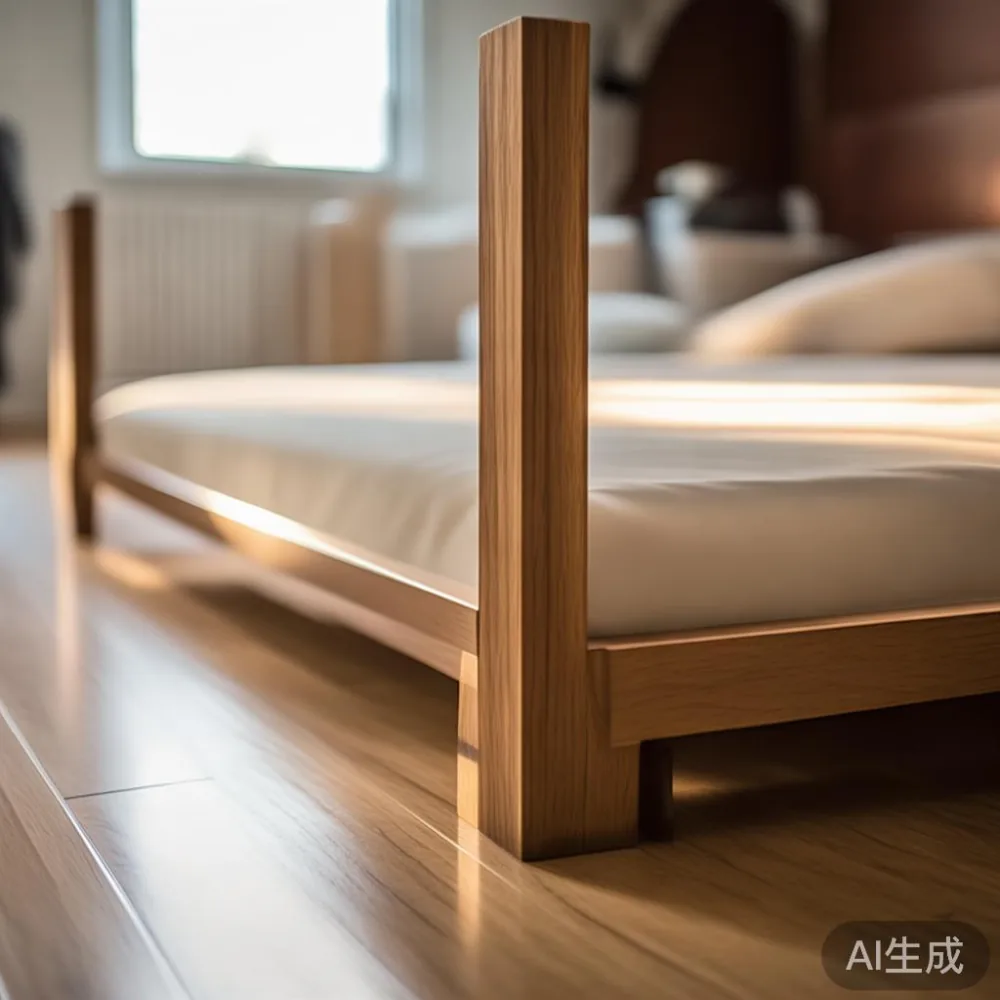
At MIDHILL, the useful conversation starts with measurements, not style. The same questions apply whether you are ordering a solid wood sofa, a bed frame with a padded headboard, a dining table, a wardrobe, a nightstand, or a marble table: will it fit through the building, can it be carried to its final position, and does its purpose match your floor space? For larger furniture, Singapore shoppers should also compare the quoted price before 9% GST with the amount payable after GST.
This guide explains how to assess a display sofa without confusing decorative presence with usable seating. It also shows why the dimensions of a headboard, the construction of the sofa frame, and the access route deserve more attention than a dramatic photograph.
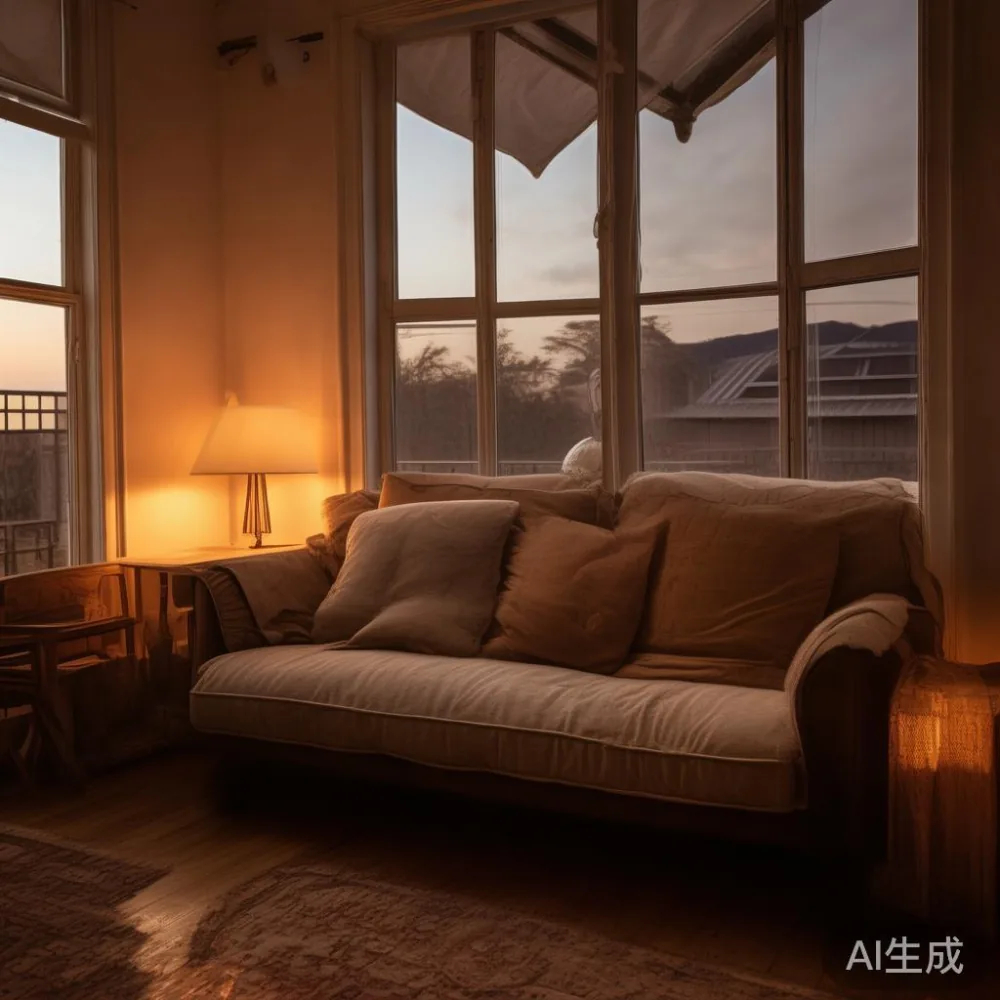
What is the sofa actually meant to do?
A display sofa gives you the outline and visual rhythm of a sofa without promising the comfort of a family seat. Some are upholstered in leather with firm cushions; others use slim wooden frames, webbing, or a lightly padded deck. They suit a study, an entry area, a dining room corner, or the gap beside a bed frame. They do not replace a main sofa when three adults may sit there every evening.
Look at the seat height, depth, and firmness. A display seat might measure only 110 cm wide, with a 38 cm-high seat and a 42 cm-deep base. Such dimensions may accommodate one person briefly, but they are less suitable for lounging, working, or eating. Ask for the load rating, cushion density, frame material, and warranty in writing. A 10-year structural warranty may be reassuring for a solid wood sofa, but it does not automatically confirm that every display model carries the same coverage.

At MIDHILL, established in 2008 and exporting to more than 15 countries, the questions we ask are practical: How often will this piece be used? Will children or older relatives need it as a seat? Is the cushion intended to be decorative? Clear purpose prevents a premium-looking object from becoming furniture you regret.
Will it pass through the lift and corridor?
Measure the route before choosing a model wider than 85 cm. Remove shoes from the entrance, note the narrowest corridor, inspect turns, and check the lift door and cabin dimensions. In many Singapore HDB blocks, the lift door is around 80–90 cm wide, while corridors and bends may leave only 80–100 cm of clearance. A sofa advertised as 180 cm wide cannot turn through a 90 cm opening unless it can be disassembled.
Ask the supplier for the packed dimensions of the longest and widest component, rather than relying only on the finished product size. A solid wood sofa may arrive as separate legs, seat deck, backrest, and arms. A sofa with a rigid one-piece shell may not be separable. Confirm whether the feet can be removed and whether any screws can be undone without damaging the finish.
Also measure the destination: leave at least 60 cm of walking room in a main circulation path and place the sofa where it does not block a door swing. For a bed frame, check the headboard against the wall, ceiling fan, windows, and bedside clearance. A headboard that is 15 cm too wide can make a bed look crowded and may prevent drawers from opening.
Delivery timing matters too. Custom upholstery can take 30–60 days, while stocked designs may be dispatched within 7–14 days. Add the travel days to the manufacturing estimate. Singapore delivery should be planned for a 2–4 hour service window, with extra time booked if the building has a loading bay reservation, lift booking system, or restricted weekend access.
Is the frame strong enough for occasional real use?
A display sofa needs less support than a daily-use family sofa, but “occasional” should not mean structurally weak. Check whether the frame is kiln-dried hardwood, solid wood, or engineered board. Solid wood is not a guarantee of quality by itself: joints, brackets, corner blocks, screws, and finishing methods determine how the structure behaves.
Tap the rails and inspect joints in person. Look for gaps, split corners, loose fasteners, and cushion sag. Sit on the edge for 1 minute, then stand and observe whether the frame twists. Check whether the sofa has been designed to hold a person safely or only to suggest the proportions of a larger seat. Ask for the maximum recommended load; 100 kg is a more useful specification than an unqualified statement that the piece is “strong.”
For a related bedroom purchase, apply the same scrutiny to the bed frame and headboard. Solid wood rails should meet the headboard cleanly, and the fixing hardware should be corrosion-resistant. If you are planning a Japandi-style room, the phrase how to style Japandi bed in apartment is useful, but the styling should follow the available dimensions rather than force a narrow flat into a bulky frame.
Does the cushioning invite sitting or merely looking?
Comfort can be judged in showroom conditions within about 5 minutes, although an in-store test is not a substitute for a home trial. Press the seat and back, then release them. High-density foam usually rebounds more slowly than low-density foam, while a firm webbed base may look restrained but offer stable support. A loose cushion filled with feather or fibre can feel pleasant initially and require careful arranging thereafter.
Check the fabric or leather against Singapore humidity. Ask for the composition, leather thickness, coating, and care instructions. A genuine leather surface may develop a patina, but colour changes are not defects if disclosed. For children and pets, removable covers and replaceable cushion inserts have practical value. A light-luxury palette—warm ivory, pale oak, muted taupe, and brushed brass—can work well, provided the materials can withstand a humid environment.
This is also where French light luxury can be interpreted appropriately. Tufting, curved arms, and cream upholstery may create an elegant impression, yet deep buttoning can make a small seat harder to use. Post-modern light luxury often offers cleaner lines, tactile timber, and restrained contrast. Neither style should distract from dimensions or comfort.
For an office or study, Modern light luxury for office works best when the chair or occasional seat complements the desk without reducing legroom. Check that the seat does not slide under a drawer, that the back does not clash with a monitor, and that the arms provide usable support if the piece will double as a guest chair.
What should you compare in the SGD price?
Compare like with like. Record the model number, dimensions, materials, foam specification, frame type, warranty, delivery charge, and assembly fee. Then calculate the total including 9% GST. A SGD 1,680 sofa becomes SGD 1,831.20 after GST; a SGD 2,480 sofa becomes SGD 2,703.20. Add SGD 80–160 for delivery to a Singapore home and any stair-carry or extra-person charge that applies.
MIDHILL offers free shipping for orders over US$350, with international terms handled separately from local Singapore delivery. Confirm the Singapore quotation directly rather than converting an overseas threshold into an assumed promise. A 14-day return policy also needs checking for display pieces: hygiene rules, assembly, and custom dimensions may affect eligibility.
Do not treat “sale” as proof of value. A listing for sale Vintage furniture should disclose whether the item is genuinely vintage, reproduced in a vintage style, or newly made with distressed upholstery. Likewise, a French provincial TV console can complement a display sofa, but its width, drawer projection, and finish should coordinate with the room rather than compete with the seating.
How do you know the delivery and warranty terms are clear?
Request a written order summary before payment. It should state the finished dimensions, packed dimensions, material and cushion specifications, expected production time, delivery window, access charges, return conditions, and warranty coverage. The product should arrive protected, with corner guards on timber and wrapping around upholstery. Inspect for transit damage before signing, and photograph the packaging and piece.
MIDHILL provides a 10-year structural warranty and lifetime refinishing on qualifying furniture, while free shipping applies over US$350. Those benefits should appear in the relevant order terms, along with the return period of 14 days. Lifetime refinishing is not the same as replacement: confirm whether scratches, water marks, and structural failures are treated differently.
For wider furniture, coordinate delivery with the rest of the room. A dining table may need two people and a 30-minute assembly allowance. A wardrobe may require wall fixing, so measure skirting boards and ask whether the installation date is separate. A nightstand should clear the bed frame and not obstruct a headboard. A marble table needs especially careful handling because its weight, not only its footprint, affects the route; a 120 cm marble table can weigh more than 70 kg.
What if the sofa will mainly support a bed frame and headboard?
A compact sofa beside the bed can create a useful visual relationship if both pieces share a material or proportion. Place the sofa near the headboard only if the room offers genuine clearance. Keep the sofa at least 20–30 cm from the bed edge where people need to walk, and avoid blocking bedside drawers or the switch beside the bed. The headboard should remain the room’s vertical anchor; an oversized display sofa beside it can make the bedroom feel crowded.
Consider the sightline from the doorway. A low, narrow sofa can preserve openness in a compact Punggol or Bedok condo, while a high-backed model may consume the wall without adding useful storage. Check dimensions on a floor plan at a scale of 1:20, then use masking tape on the floor to mark the footprint. Walk around it for 2 minutes and imagine cleaning underneath it.
Material matching should be restrained. Oak-toned timber can connect with a solid wood bed frame; a dark walnut finish may coordinate with a nightstand and marble table. If the bed has an upholstered headboard, a pale display sofa can balance the texture. If the headboard is already strongly detailed, choose a simpler seat so the room does not appear over-designed.
What questions should you ask before paying?
Ask: Can this sofa be sat on safely, and what is its recommended load? What are the packed dimensions of each removable part? Will all parts pass through my lift door and corridor? Are the timber, foam, fabric, and leather specifications confirmed? What is included in the warranty? How long is production, and what happens if delivery is delayed?
Then ask the less glamorous question: how often will I actually sit here? If the answer is once a week, a display sofa is defensible. If it is daily, choose a deeper seat with firmer support and dimensions closer to a usable lounge chair. A good display piece can be elegant without pretending to offer the comfort of a 200 cm-wide family sofa.
Our final piece of advice comes from direct experience. Last month, a colleague and I visited a client’s three-room HDB flat in Tampines before a new bed frame was delivered. The sofa in the catalogue measured 165 cm across, but the lift opening and right-angled corridor allowed only 118 cm for the largest rigid section. A supplier could have offered a smaller set, yet the client had already chosen based on the photograph. We marked the route with tape, identified the removable arm, and confirmed a 96 cm diagonal fit. The order was revised before dispatch, saving the family from a sofa that could reach the lobby but not the bedroom.
The lesson was simple: style may draw your attention, while measurements decide whether the piece can enter your home and serve its purpose. Confirm the route, materials, comfort, total SGD cost, and written protections. If a sofa cannot be sat on, make sure it does not need to be—and that it earns its place through proportion, craftsmanship, and the way it completes the room.