How to Choose the Right Headboard Size for a Singapore HDB Living Room
Choosing a headboard for a Singapore HDB living room is less about filling an empty wall and more about balancing proportion, circulation, and the way your household actually uses the room. A 160 cm headboard may look generous in a 3.2 m-wide Tampines flat, yet it can crowd a sofa placed 45 cm in front of it. The same headboard can feel restrained in a 5.4 m living-dining room in Bedok, especially when the wall also accommodates a dining table, wardrobe, or a television console.
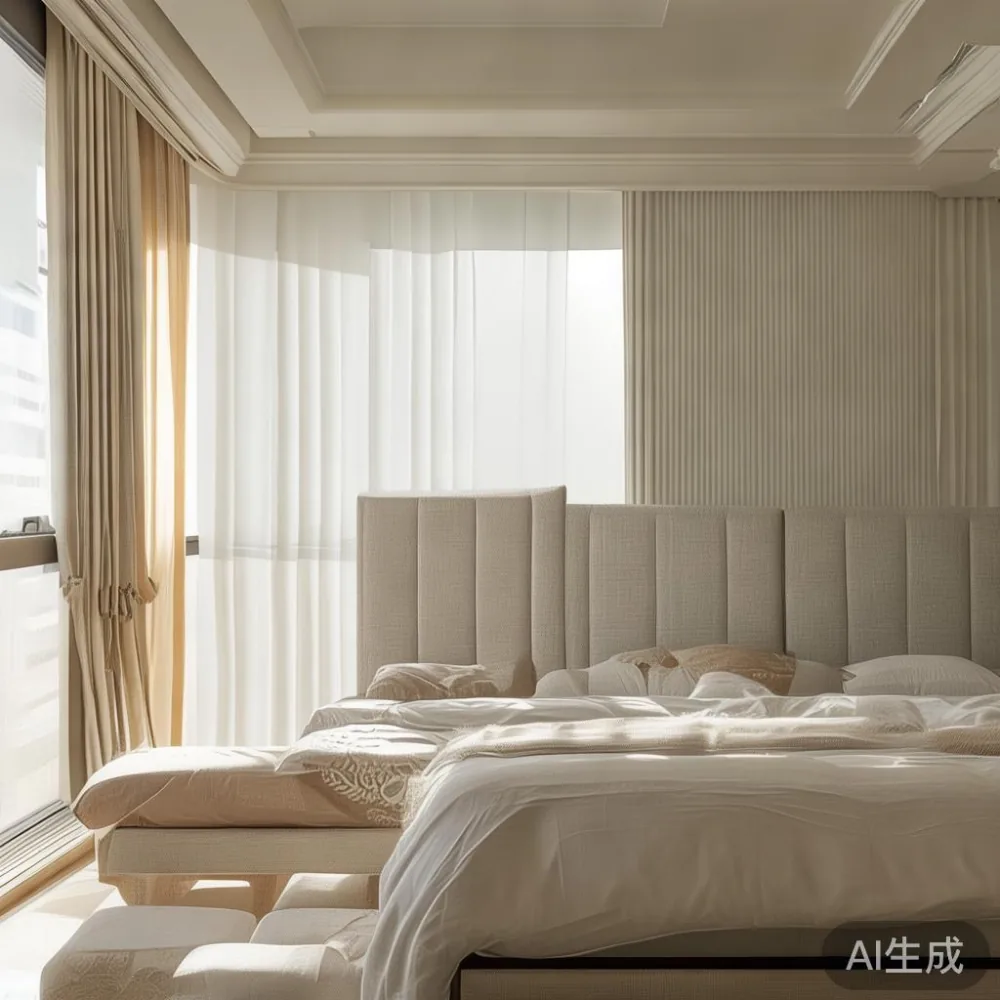
The useful starting point is the usable wall, not the room’s marketing floor area. Measure from the nearest fixed obstruction, check the lift and corridor at the delivery entrance, and leave enough room for knees, side tables, and passing traffic. This guide explains how to choose the width and height of a headboard without turning a compact Singapore interior into a furniture showroom.
MIDHILL makes solid wood furniture for homes where dimensions matter. Its headboards are offered with practical guidance, a 10-year structural warranty, lifetime refinishing, and delivery arrangements that should be confirmed before purchase. For local orders over US$350, the stated free-shipping threshold is useful, although a Singapore quote will normally be presented in SGD because GST is calculated for the destination.
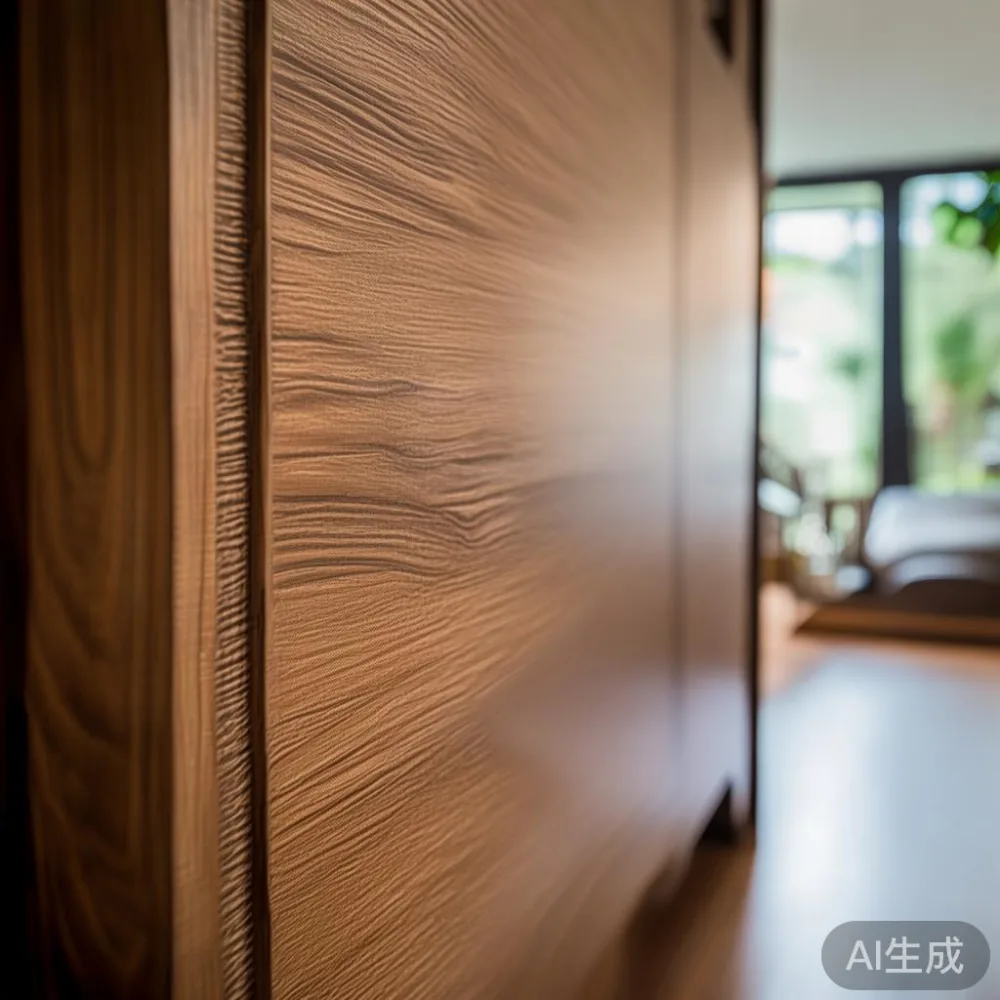
How wide should a headboard be for an HDB living room?
A practical headboard width is usually 120–180 cm for a typical HDB living room. The 120 cm option suits a narrow wall or a compact 3.0–3.6 m room; 140–160 cm gives more visual weight; and 180 cm works better when the wall is at least 4.2 m wide or when the headboard forms part of a larger built-in composition. These are working ranges rather than universal rules.
For visual balance, select a headboard that measures roughly 60–75% of the available wall width. On a 2.4 m clear wall, a 140 cm headboard leaves 50 cm on each side. On a 1.9 m wall, a 110–120 cm model is more restrained. If the headboard sits above a solid wood sofa, the sofa width should establish the visual zone: a 180 cm sofa can carry a 140–160 cm headboard, while a 200 cm sofa may suit a 180 cm headboard if the wall allows it.
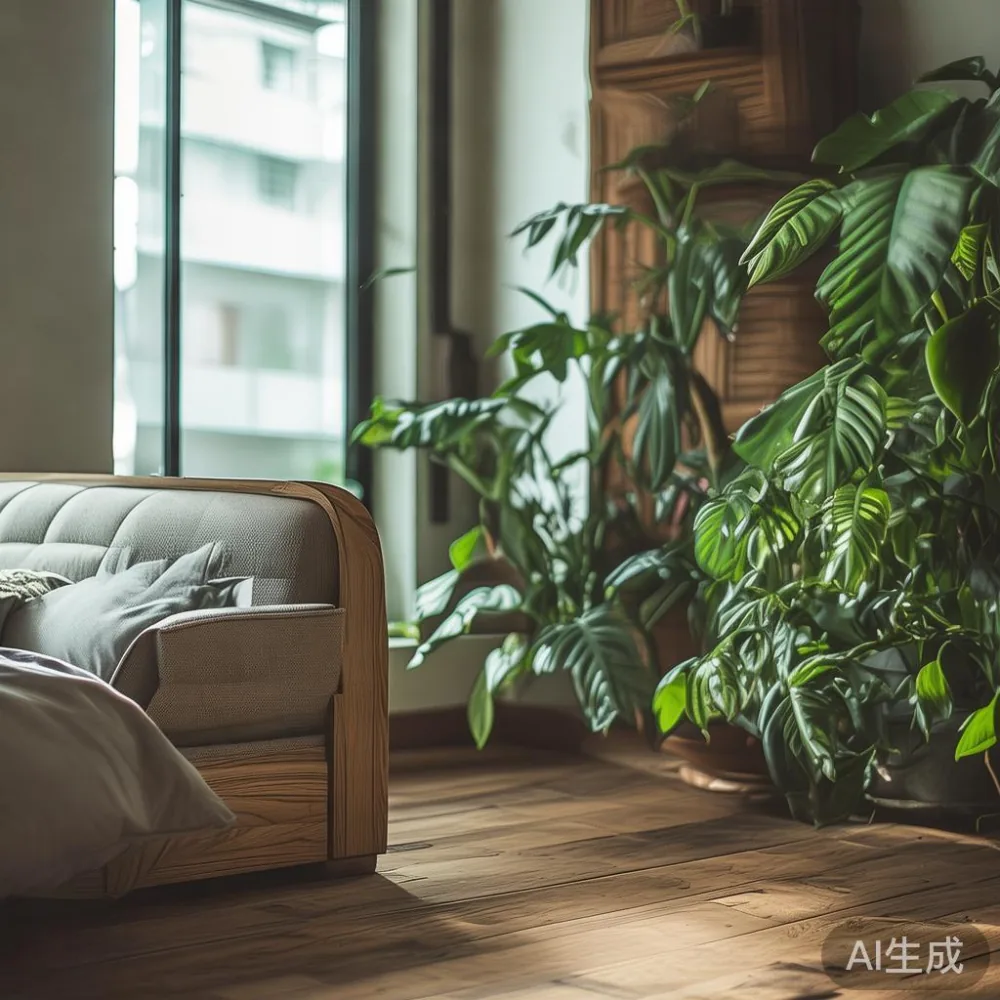
Do not assume that a wider headboard means a better fit. Excess width can make a small room appear tighter and restrict the path between the sofa and dining area. In many Singapore layouts, circulation depends on at least 80–90 cm beyond a seated person. A headboard projecting 8–12 cm from the wall is usually manageable; adding loose cushions can increase that depth to 20–25 cm, so account for the complete arrangement rather than the frame alone.
My colleague measured a 4.6 m living-dining wall in a Punggol HDB flat last month. The resident originally wanted a 200 cm headboard, but the dining table sat only 95 cm from the front edge of the sofa. We reduced the headboard to 160 cm, kept a 35 cm gap on the right, and shifted the table 15 cm toward the balcony. The result felt more generous without buying a narrower solid wood sofa.
Is a 140 cm or 160 cm headboard more suitable for Singapore?
Choose 140 cm when the clear wall is approximately 1.8–2.2 m, the sofa is 160–190 cm wide, or the living room doubles as a frequently used passage. Choose 160 cm when the wall spans about 2.3–2.7 m and the sofa is 180–220 cm wide. In a room below 3.6 m wide, those dimensions still require a careful check of the lift, corridor turns, stairwells, and balcony door.
A 140 cm headboard may also pair better with a 120 cm or 130 cm bed frame elsewhere in the home, while a 160 cm headboard gives a bedroom wall more presence. The living room does not need to repeat the bedroom’s exact scale. A restrained headboard can connect with a wardrobe or sideboard while still leaving negative space around it.
The height matters just as much. A headboard 90–110 cm high is comfortable with a standard sofa seat height of 40–45 cm. Taller designs at 120–140 cm create a stronger architectural effect, but they can overpower low furniture in rooms with a ceiling below 2.7 m. Many Singapore HDB ceilings are about 2.7 m high, so a 130 cm headboard leaves a relatively shallow band of wall above it.
Look for balance in the 2:1 ratio: a 160 cm headboard at 95 cm high appears horizontal and calm; a 120 cm headboard at 140 cm high appears vertical and more sculptural. Both can work, but their relationship to the room differs. The design should complement the sofa, not compete with the dining table or television.
How do I measure the wall and the route into the living room?
Use a tape measure and record four figures: wall width, ceiling height, sofa depth, and the narrowest route from the HDB flat entrance to the living room. Measure the headboard itself at its widest point, including any frame moulding or posts. Add the packaging dimensions, not merely the product dimensions, because a protective carton may increase every side by 3–8 cm.
Singapore access deserves particular attention. Many HDB corridors are around 1.2–1.5 m wide, with a typical door opening of 80–90 cm. A 180 cm headboard may need to enter on its side. Lift cars in newer blocks can be around 1.1–1.4 m deep and 1.0–1.1 m wide, but older or renovated layouts vary. Measure the lift door, the diagonal available inside the car, and the turn from the lift lobby.
A boxed 160 × 100 cm headboard has a diagonal of about 188 cm. That calculation is only an early guide because the carton and handling space still count. Ask the supplier for the packed size and weight, then compare both with the lift opening and landing. MIDHILL can advise on delivery arrangements by location, with the normal Singapore delivery window generally being 7–14 working days after production or stock confirmation.
For a private condo, check the loading bay, service lift reservation system, and whether the building requires a delivery permit. Moving fee, lift booking, and corridor protection may add SGD 50–SGD 250 depending on access. Confirm the final landed cost in SGD, including GST and any local delivery charge, before placing the order.
Which headboard style suits a compact living room?
Vertical slats and softly rounded profiles often make a narrow Singapore living room feel composed. A solid wood headboard in light oak, ash, or a pale American walnut tone can reflect daylight and work with both warm and cool lighting. Avoid a very dark finish if the wall faces away from the balcony and receives less than 300 lux for much of the day.
French light luxury tends to favour pale woods, refined profiles, curved edges, and restrained contrast. That approach suits a 150–170 cm headboard over a 190–210 cm solid wood sofa, especially with cream or muted beige upholstery. American light luxury leans toward deeper tones, broader proportions, and symmetrical details; a 160–180 cm headboard can suit a larger 3.8–4.8 m room. Post-modern light luxury can introduce mixed materials and geometric forms, provided the scale remains controlled.
The comparison between Japanese sofa vs Modern sofa can help a buyer understand proportion rather than decoration alone. A low, compact Japanese-style sofa may need a headboard with a quiet horizontal line, while a deeper Modern sofa with a high back benefits from a slimmer or more architectural frame. Neither style compensates for poor measurements.
Material selection should match the furniture around it. A marble table nearby introduces cool veining and more visual contrast, so a warm oak headboard can balance it. A solid wood dining table calls for a simpler headboard to avoid too many competing grain patterns. A coordinated wardrobe in the same wood tone can create continuity without making every item identical.
Can a headboard work in a room that also has a dining table?
Yes, if the furniture forms two visual zones. Place the headboard wall and sofa as one zone, then allow at least 90–110 cm between the sofa front and the dining table edge for circulation and chair withdrawal. In a smaller room, consider a dining table 120–140 cm long rather than forcing a 180 cm model into a narrow path.
People searching under 2000 European furniture may focus on price, but the more useful question is how each piece fits the plan. A European-style bed frame may be appropriate in the bedroom, while the living room headboard should be judged against the sofa and wall. Likewise, a European light luxury for small living room approach works best through proportion, pale finishes, and fewer bulky elements.
Do not place a tall headboard directly behind a low television unless the television will be wall-mounted or raised on a console. For a conventional television, keep the upper edge of the screen around 15–30 cm below the headboard top. If that creates crowding, choose a lower headboard or relocate the television to an adjacent wall.
A nightstand beside the sofa can provide functional continuity. Allow about 10–15 cm between the sofa arm and the nightstand, and use a table 40–50 cm wide. It can hold a lamp, charger, and a 25–30 cm drink without reducing the main walkway. The same restraint applies to a wardrobe near the headboard: leave 5–10 cm of visual separation where possible.
What should I check before ordering a headboard?
Ask for the exact dimensions in centimetres, the weight in kilograms, the finish, and the packed carton size. For a 160 × 100 cm headboard, a weight around 25–40 kg is plausible depending on the solid wood species and construction. If the item weighs more than 45 kg, arrange a second person for unpacking and lifting.
Review the finish in daylight if possible, then compare it with the solid wood sofa, bed frame, dining table, wardrobe, nightstand, or marble table already in the room. MIDHILL’s furniture can be ordered for a coordinated interior, and its 10-year structural warranty gives long-term confidence in joinery and frame stability. Lifetime refinishing is another useful point when discussing maintenance with Singapore’s humidity and changing household needs.
Confirm whether the quoted delivery time is 7–14 working days, and ask whether stock is available sooner. Singapore orders above US$350 qualify for free shipping under the stated policy, but the local invoice should be checked for GST and destination-specific terms. The 14-day returns period should also be understood before the item leaves the property.
Buyers comparing best Modern light luxury furniture should prioritise clear measurements, solid construction, and service terms over fashionable labels. A good fit means the headboard is large enough to anchor the sofa but small enough to preserve movement around the room. It should look intentional from the dining table, not merely attractive when photographed alone.
How do I style a Japanese wardrobe in room?
The question of how to style Japanese wardrobe in room planning is relevant because a wardrobe placed near a living room can affect the headboard’s perceived balance. A low-profile wardrobe with clean sliding doors preserves visual quiet, while a dark-framed unit beside a pale headboard may make the wall feel uneven. Keep the headboard centred over the sofa and treat the wardrobe as a separate boundary.
For a Singapore HDB living room, the final measurement check is simple. Confirm the headboard fits the wall, the packed item can pass the lift and corridor, the sofa remains 90 cm from the dining area, and the walkway stays at least 80 cm wide. A 140–160 cm headboard will suit many compact flats, while wider rooms can carry 180 cm with ease.
Last month, I also watched a family test a 170 cm headboard in a narrow Bedok condo. It looked striking in isolation, but the carton could not turn easily past the corridor corner. A slimmer 155 cm version passed through and visually widened the wall. The lesson was practical: the right size is not only the size that photographs well; it is the size that can be delivered, positioned, and lived with every day.