Caring for a Lacquered Headboard in Singapore’s Tropical Climate
A lacquered headboard can make a Singapore bedroom feel calm, tailored and quietly luxurious. It also asks for more care than people expect. Humidity, ultraviolet light, sticky fingers, coastal salt and the limited space of an HDB flat can all affect a lacquered surface. The good news is that a sensible routine of about 15 minutes twice a week can protect the finish for years.

In this guide, I explain how to assess a lacquered headboard, how to clean it without damaging the coating, how to control moisture around a bed frame, and what to do when a mark appears. I also include measurements and prices in SGD for homeowners in Tampines, Bedok, Punggol and other Singapore districts.
What makes lacquer different from ordinary wood care?
Lacquer is a cured surface coating, not bare timber. It may contain resin, pigment and solvents that form a hard film when properly cured. That film resists ordinary stains better than unfinished solid wood, but it can scratch, cloud, swell or lift when exposed to heat, standing water, harsh chemicals or excessive humidity.
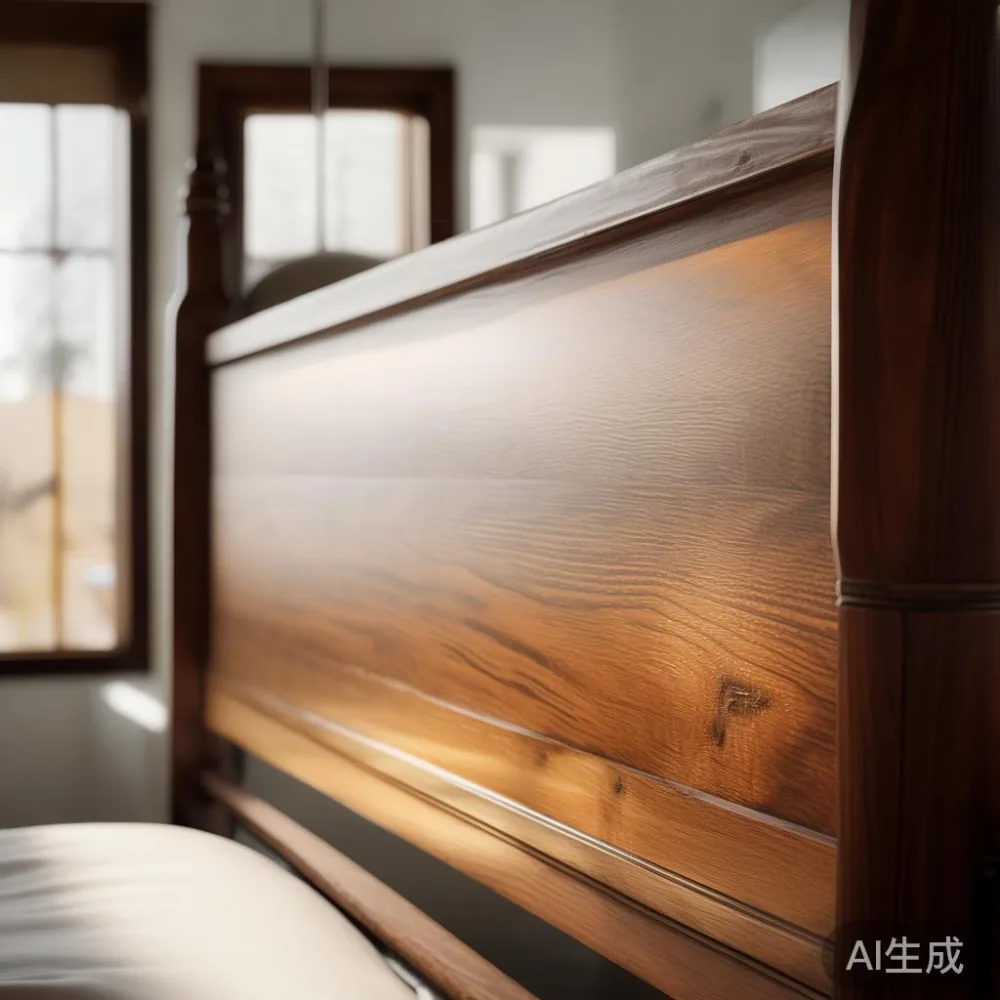
Ask the seller for the exact finish type before applying anything. Water-based lacquer, solvent-based lacquer, polyurethane and conversion varnish do not all respond in the same way. A clear lacquered headboard may need a different cleaner from a smoked or tinted lacquer. If the supplier cannot confirm the coating, test any product on a concealed 5 cm by 5 cm area and wait 72 hours before treating the full panel.
French light luxury often uses pale woods, creamy upholstery and restrained reflective surfaces. A lacquered headboard fits that visual language, while an American light luxury room may pair it with dark metal details and a substantial solid wood sofa. Post-modern light luxury can mix rounded forms with a crisp lacquer plane. In each case, the finish should remain a background element rather than a gloss showpiece that attracts fingerprints.

For a wider material comparison, our guide to how to choose European light luxury bed explains frame construction, mattress clearance and finish durability. The lacquered headboard is one component of that decision, not the whole bed.
How humid does a Singapore bedroom get?
Singapore’s hot, humid weather can keep lacquer under constant pressure. The outdoor air is often around 80% relative humidity, while an air-conditioned bedroom may be between 55% and 65%. Rapid changes are more troublesome than a stable moderate reading because wood expands and contracts as moisture moves into and out of the substrate.
Use a calibrated hygrometer rather than guessing. Place it about 30 cm above the floor and 60 cm away from an air conditioner or dehumidifier. A sensible target is 45% to 60% relative humidity, with less than 10 percentage points of overnight variation. In a compact HDB Tampines flat, run the dehumidifier for 2 hours after cooking or showering and close the bedroom door. In a Bedok or Punggol condo near the coast, check the hygrometer after rain because salt-laden air can encourage metal corrosion and leave residue around the headboard fixings.
Keep the bed frame and headboard at least 10 cm from the wall where possible, and leave 5 cm around the sides for airflow. Do not press the headboard tightly against a cold condensation-prone surface. For lift and corridor planning, a 180 cm wide headboard may require a lift car with an internal depth of at least 210 cm once the door is open. Check the building’s delivery booking rules before arranging delivery days.
What should I use to clean a lacquered headboard?
Start with a soft, lint-free microfibre cloth. For routine cleaning, lightly dampen it with clean water and add 2 to 3 drops of mild, pH-neutral dish soap per 500 ml bucket. Wring it until it is almost dry, then wipe in the direction of the grain. Follow with a second dry cloth so no moisture remains around joints or upholstered borders.
Do not spray cleaner directly onto the lacquer. Overspray can penetrate hairline cracks or form a cloudy ring. Keep liquids at least 5 cm from the surface and never use a saturated cloth. Avoid silicone polishes, furniture oil, wax, ammonia, bleach, alcohol-based glass cleaner, abrasive pads and scouring powder.
A simple care timetable works well:
- Daily: wipe hand contact areas once with a dry cloth if needed.
- Twice weekly: use the diluted soap solution, then dry thoroughly.
- Monthly: inspect under oblique light for haze, scratches and lifting edges.
- Every 6 months: check humidity readings, tighten visible fixings and clean any gaps with a dry brush.
- Every 2 to 3 years: ask a qualified refinisher to assess a lacquered headboard, particularly if the colour has faded or the sheen has changed.
Never use a steam cleaner. One 150°C steam cycle can soften some coatings or force moisture into a veneer seam. Do not place the bed frame in direct sunlight for more than 30 minutes at a time, and avoid heating devices within 60 cm of the headboard.
How do I remove fingerprints, marks and sticky residue?
Fresh fingerprints usually lift with the routine soap solution. For an isolated mark, use a clean white microfibre cloth, barely damp, and work gently for 10 to 15 seconds. A cotton swab can reach around a handle or narrow groove, but it must not be wet.
Sticky residue needs care. Remove adhesive labels slowly with warm water and a neutral soap rather than scraping. If a mark remains, test a tiny area with a food-grade silicone-free lubricant recommended by the finish manufacturer. Apply less than a rice-grain amount to the cloth, not the headboard, and buff after 60 seconds. If the finish manufacturer does not approve a treatment, professional assessment is safer.
Do not rub a mark aggressively. Lacquer can polish unevenly before it wears through. Scuff marks from a zipper or buckle need an abrasive product only after the coating type is known, and even then application should be limited to 2 cm by 2 cm for testing.
Last month I visited a customer’s three-room HDB flat in Punggol with my colleague. Her lacquered headboard stood in a bedroom that reached 72% humidity during a wet afternoon. A window unit had also been blowing cold air directly across the panel for 18 months. We moved the bed 12 cm from the wall, set the dehumidifier to 55%, cleaned the surface with the 2-drop soap mixture and found that the apparent haze was mostly airborne dust rather than damaged lacquer.
The same visit reminded us to check delivery logistics. A 165 cm headboard had arrived through a condo service lift with a 190 cm internal diagonal, but the turning space at the corridor was only 105 cm wide. The carton had to remain upright because one end was not designed for side loading. For another project, a MIDHILL sofa was brought into a Bedok HDB flat through a 90 cm opening after the corner protectors were removed. Measure the narrowest turn, not only the doorway.
How can I prevent mould, swelling and finish failure?
Control the room before treating the furniture. Vacuum around the skirting and behind the nightstand weekly, and wipe condensation from nearby windows before it runs onto the lacquer. If a mould spot appears, identify whether it is on the lacquer or on the wall behind it. Surface mould on lacquer should be addressed with the approved cleaner and a barely damp cloth; porous mould in the substrate requires different treatment.
Check that the headboard does not touch bedding that remains damp. Use a mattress protector, rotate pillows and avoid hanging wet towels on the bed frame. Keep plants and diffusers at least 45 cm away. A reed diffuser is a common source of unnoticed oil and fragrance residue, especially around a lacquered headboard.
Singapore’s GST-inclusive pricing can help with comparisons. A replacement 60 cm bedside lamp may cost SGD 45 to SGD 120, while a compact hygrometer typically costs SGD 20 to SGD 40. A 20 L dehumidifier commonly ranges from SGD 180 to SGD 320. These small purchases protect a bed frame that may cost several thousand SGD and reduce the need for refinishing.
When searching for for sale light luxury furniture, compare the finish warranty with the care instructions. MIDHILL offers a 10-year structural warranty, and its lacquered surfaces are covered by a lifetime refinishing service, subject to the stated terms. The material description should identify the coating, while the care guidance should explain cleaning and environmental limits.
Can I use the same care method for a bed frame, nightstand and dressing table?
Only when their finishes match. A lacquered nightstand may have the same film as the headboard, but its top could be marble or its edges may use a different sealer. A European light luxury dressing table can include lacquer, brass and a stone surface, so each material needs its own method. Wipe marble with a separate damp cloth and do not assume that cleaner approved for lacquer is suitable for stone.
The same principle applies to adjacent furniture. A solid wood sofa has fabric cushions rather than a lacquer plane, while a dining table may have a different oil or lacquer system. An Italian light luxury sideboard can have reflective fronts and stone tops that require separate care. Modern light luxury for office spaces may combine lacquered panels with metal bases and leather pads, and each junction can collect residue differently.
Keep care products in a labelled tray about 1 metre from the bed. Use separate cloths for lacquer, marble and timber. This prevents a particle from an abrasive marble sponge or oily wood polish from being transferred to a headboard.
What should I ask before a lacquered headboard is delivered?
Request the finish specification, cleaning instructions, warranty terms and expected delivery lead time in writing. Ask whether the lacquer is cured at the factory and whether touch-up can be done locally. Photograph the panel on arrival under indirect light, and document any existing scratches before the bed frame is assembled.
Check the delivery route in centimetres. Measure the lift door, lift car, landing, corridor, stair turn and bedroom door. A 120 cm wide headboard may fit through an 85 cm door if it is angled, but a 180 cm model may not fit a 150 cm corridor turn without a planned pivot. Add at least 10 cm of handling clearance around large panels.
Confirm whether delivery is curbside or room-of-choice, and whether the packaging will be removed. A Singapore order over US$350 qualifies for free shipping under MIDHILL’s published delivery policy, although GST and local handling arrangements should be confirmed at checkout. Returns are accepted within 14 days under the stated policy. Typical production and delivery planning should allow 30 to 60 days for a made-to-order piece, depending on finish and current workshop schedules.
For material pairings, our how to choose European light luxury bed guide covers slat spacing, centre support and headboard stability. A bed frame needs a stable fixing into the wall when required, but anchors should suit the wall construction and must not damage the lacquer face.
How do I know when a lacquered headboard needs professional care?
Professional care is sensible when the lacquer is peeling, lifting at an edge, deeply gouged, discoloured across a large area or releasing a strong chemical odour after normal ventilation. White bloom, cracking and a dull patch larger than 10 cm by 10 cm also deserve an inspection. These signs suggest substrate moisture, incompatible chemicals or coating failure rather than a cleaning problem.
Do not apply a new clear coat over an unexplained failure. A refinisher needs to determine whether the existing lacquer, filler or adhesive must be removed first. Photographing the affected area in daylight and measuring the damaged zone helps the workshop estimate the work.
For routine questions, MIDHILL can advise on care and refinishing under its published policies. A furniture specialist should also check the whole headboard: top edge, mounting points, back panels and the junction with the bed frame. A 2 cm chip near a screw may be easier to treat than a 40 cm split running through a joint.
What is the practical care routine for a Singapore home?
Keep a hygrometer beside the bed for the first 30 days, then check it during the wettest week each month. Wipe the lacquered headboard with a dry cloth every 2 to 3 days, use mild soap twice a week, and inspect the finish monthly. Keep the panel 10 cm from the wall, direct no sunlight onto it for longer than 30 minutes, and maintain indoor humidity near 55%.
These habits matter in a small Singapore home because a crowded corridor, warm lift and limited ventilation can make a bedroom less stable than a detached house. They also preserve the clean geometry that makes a lacquered headboard work with French light luxury styling or American light luxury proportions. With 15 minutes of care every week, the finish can remain clear and tactile while the headboard continues to anchor the bed frame and visually connect with a nightstand, wardrobe or marble table in the room.