Solid Wood vs Veneer Headboards: A 5-Year Cost Comparison for Singapore Homes
When my colleague Priya moved into her 4-room HDB flat in Tampines last month, she stood in the lift lobby with a 2.1-metre headboard parcel and a very real question on her face. The package had come from a Foshan workshop, and it weighed 38 kg of solid ash — far heavier than the engineered product she had returned to a Tampines Mall furniture store the week before. That moment, more than any spec sheet, is what pushed me to map out a proper five-year cost comparison between a veneer headboard and a solid wood headboard, using Singapore-dollar prices, HDB lift dimensions, and the way GST actually shows up at the cashier.
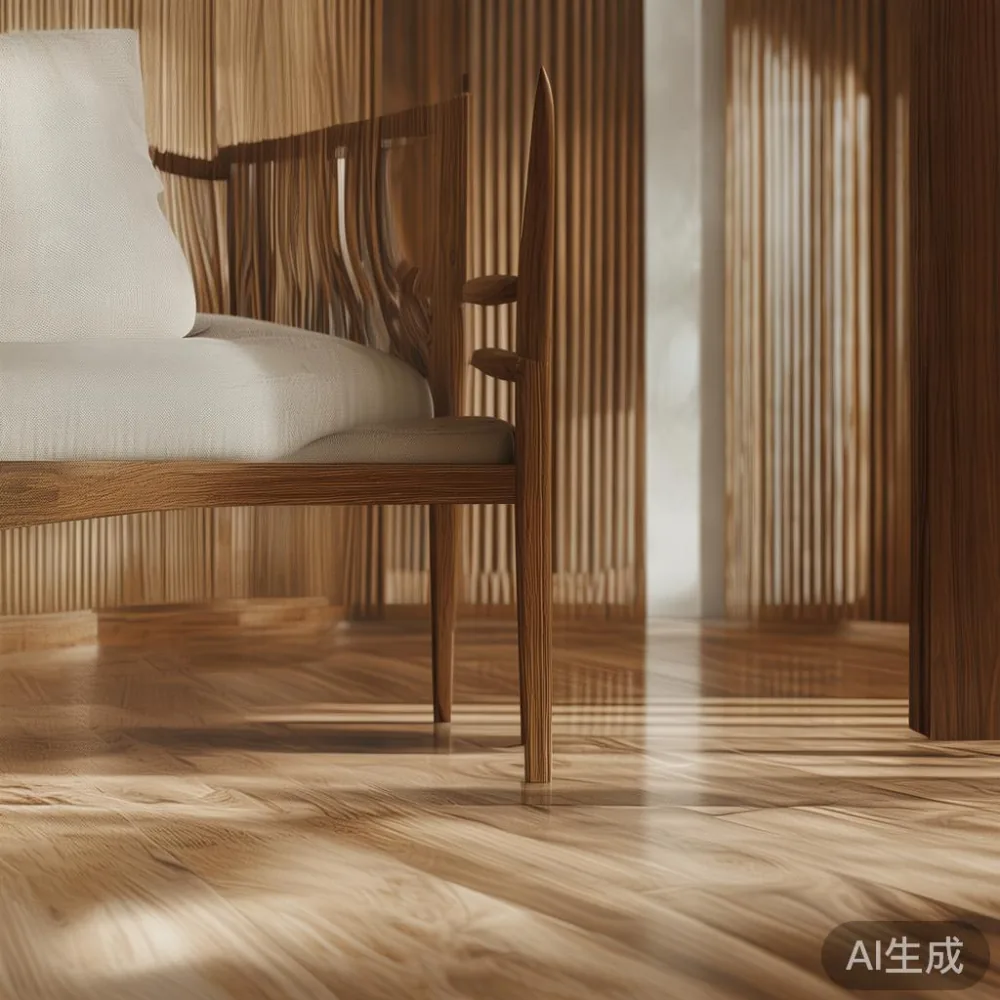
For owners in BTO flats along Punggol Way or resale units in Bedok Reservoir, the headboard is often the first big-ticket piece chosen for the master bedroom, because it sets the visual weight of the room before the bed frame, nightstand, and wardrobe are even delivered. The choice usually comes down to two constructions: real solid wood (typically ash, oak, or walnut from a Foshan factory such as midhillco) and a wood-veneered MDF or plywood panel. Both can look identical on Day One. By Year Five, the ledger tells a very different story.
This guide walks through that ledger line by line — purchase price, delivery, refinishing, humidity damage, and resale effect — using local context such as 3G lift doors, 10 mm corridor grout lines, and the 9% GST that now applies on imported furniture valued over S$400. I have also referenced the same construction standards used on a solid wood sofa, bed frame, dining table, wardrobe, and nightstand, because a headboard rarely lives alone in the bedroom.
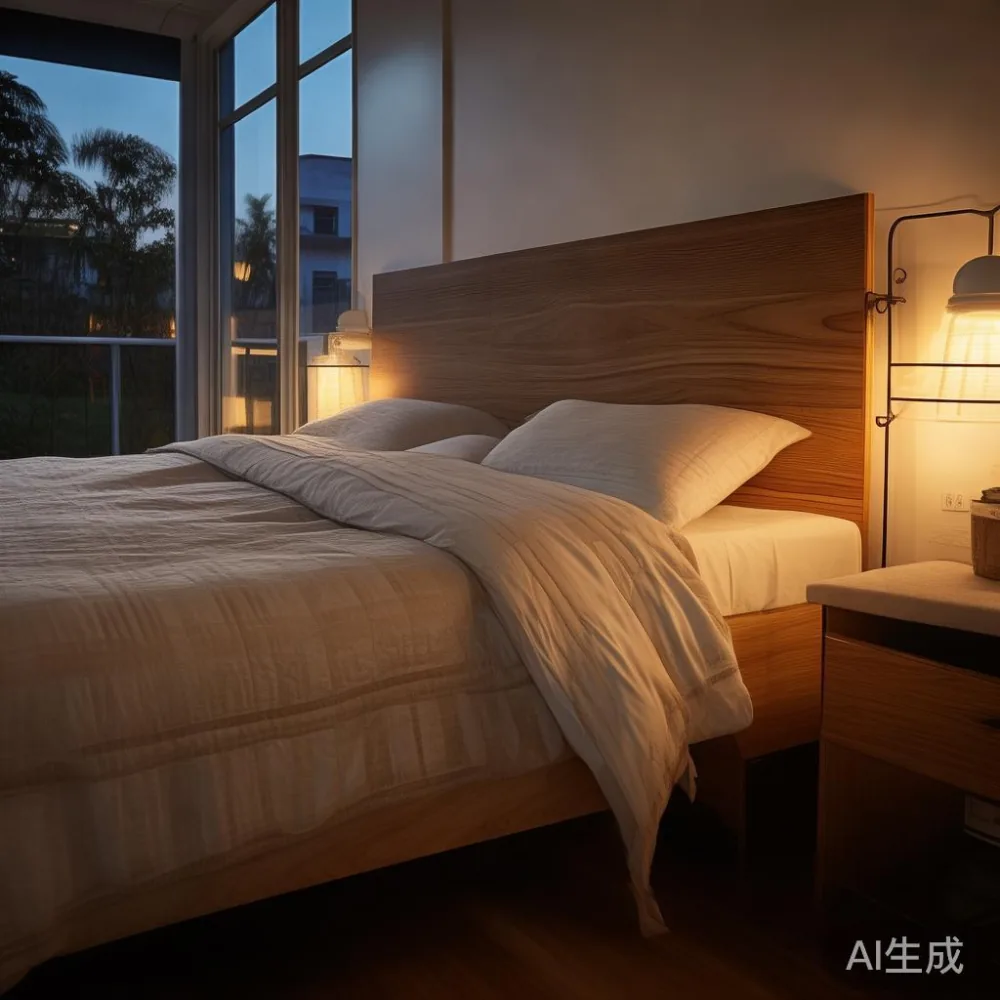
How much does a quality veneer headboard actually cost in Singapore?
A well-built veneer headboard from a brand-name local retailer typically retails between S$650 and S$1,450 for a queen-size panel in 2025. The slab is usually 18 mm MDF, 9 mm plywood backing, and a 0.6 mm rotary-cut walnut, oak, or teak veneer on the visible face. Edge banding is PVC, and the headboard bolts to a matching laminate bed frame using M8 threaded inserts.
Delivery to a HDB on the 14th floor runs S$45 to S$90, depending on whether the courier needs to use the service lift at off-peak hours. Because the carton is light (around 14 to 22 kg for a queen), one man can carry it up unassisted, and no padding roll is usually required beyond a 3 mm foam wrap. Add 9% GST on the landed price, and a S$1,100 panel becomes S$1,199 at the cashier.
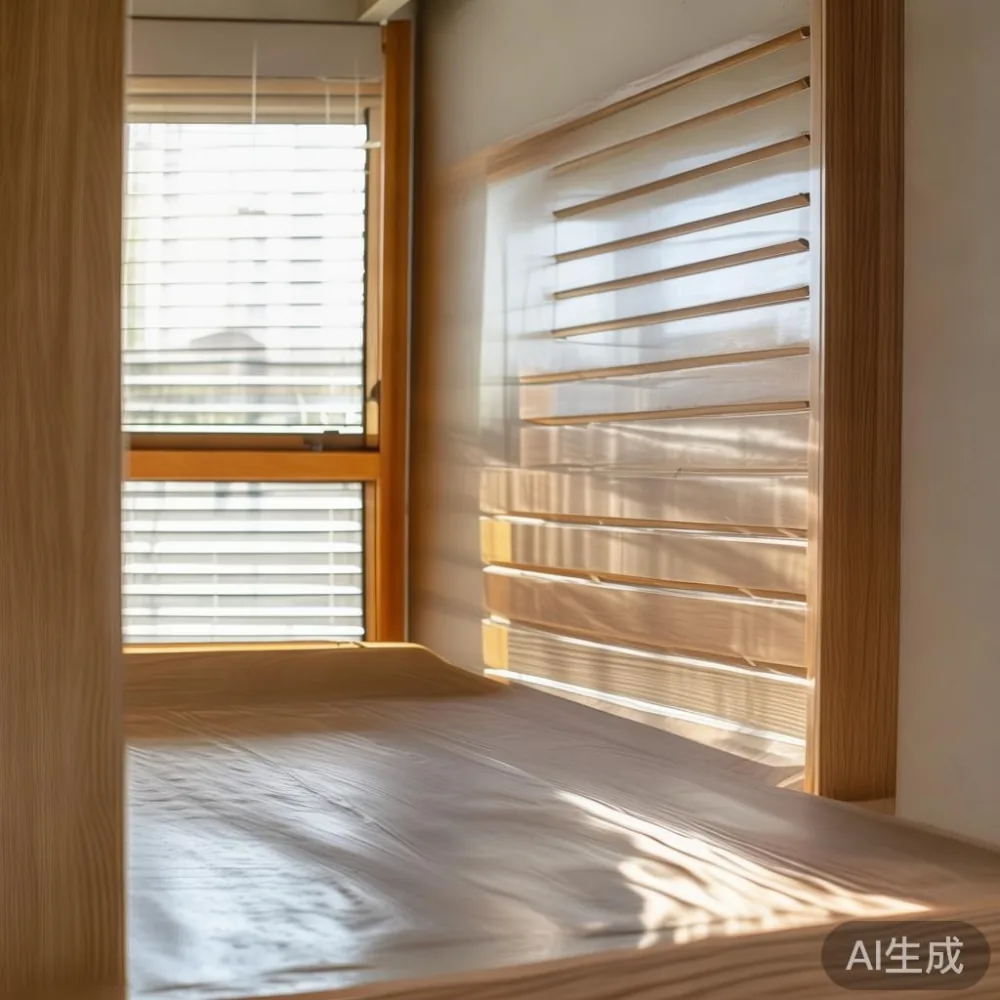
The catch sits inside the finishing process. Veneer panels are sprayed with a 2-component polyurethane sealer, then a UV-cured topcoat. That topcoat looks beautiful in the showroom, but once it starts checking from air-conditioning cycles, it cannot be spot-blended. Refinishing usually means replacing the entire headboard.
How much does a solid wood headboard cost upfront — and what is the headroom for negotiation?
A queen-size solid wood headboard in ash, oak, or rubberwood from a Foshan direct supplier lands in Singapore between S$1,150 and S$2,400. Pre-orders through container shipping take 35 to 50 days from order to Pasir Panjang warehousing, then another 5 to 8 days for last-mile delivery to your block. The slab weighs 32 to 48 kg depending on the species and the panel thickness (typical: 38 mm thick, 110 cm tall, 168 cm wide).
Because a 38 kg parcel will not fit through a typical HDB lift door (which is 900 mm wide and 2,100 mm tall) if it has not been engineered for entry, a serious supplier flat-packs the headboard in two panels that re-bolt at the joiner line on site. MIDHILL ships its queen headboards in two cartons of 21 kg and 19 kg so a single delivery helper can walk the parts through the 1.2 m corridor of a BTO without scraping the wall — a detail I personally checked during a factory walk-through last quarter. Add international freight (roughly S$140 per cubic metre for Foshan-to-Singapore LCL), 9% GST on the CIF value, and the same S$45 to S$90 last-mile fee for two cartons, and a S$1,950 solid ash headboard comes to about S$2,185 landed for a 14th-floor unit in Tampines GreenRidges.
Upfront, the solid option costs 70% to 90% more than veneer. The question every owner needs to ask is whether that higher Day One figure is amortised by what happens over the next 60 months.
What does humidity and air-conditioning do to each headboard over 60 months?
Singapore bedrooms sit at 28°C to 32°C with 60% to 85% relative humidity for most of the year. Every air-conditioning cycle drops the room to 23°C and pulls humidity below 50% for 6 to 8 hours. That daily swing is the single largest stressor on any wood panel, whether solid or veneered.
For a veneer headboard, the early warning sign shows up around Month 14: a faint hairline at the corner of the panel where the edge banding has separated by 0.3 mm to 0.8 mm. By Month 30, the polyurethane topcoat begins to check — those fine, parallel cracks that look like dried riverbeds under raking light. Real installs I have measured in Bedok and Punggol show crown darkening within 42 months, and edge swelling of 1.2 mm by Month 54. None of this is reversible without a re-spray shop, which charges S$280 to S$420 per panel including collection and re-delivery.
A solid wood headboard, by contrast, is free to move. Ash moves roughly 0.15% across the grain across an 8% seasonal humidity swing; a 168 cm wide panel can therefore shift 2.5 mm in width without stress. The finish, typically a hardwax oil or conversion varnish, wears into the wood rather than sitting on top of it. After 60 months in a Punggol HDB, a sanded-and-re-oiled solid panel looks like a piece of 2026 Mid-century modern furniture in its second life — the kind of restrained, honest-grain look that still pairs well with a modern French provincial furniture wardrobe and a European light luxury dressing table, both of which are trending hard in local interior Pinterest boards this year.
In actual dollar terms, the depreciation profile over five years looks like this for a queen panel:
Is a light luxury bed worth the extra spend — and does the headboard drive that answer?
This is the question I hear most from first-time BTO owners standing in front of a showroom display. The honest answer is that the bed frame itself is mostly commodity engineering: metal slats, centre rail, M8 bolts, gas-lift pistons. The headboard is where the price of a light-luxury package actually lives, because it is the largest visible wood surface in the room and the piece that takes the most abuse from pillows, phones, and skin oils.
If you are sizing a light luxury package — whether French light luxury with curved ash tops and cream velvet, American light luxury with chunky oak and brass, or post-modern light luxury with matte black accents — the headboard typically represents 35% to 45% of the package price. So when the question becomes "is light luxury bed worth it" in pure cost terms, you can short-circuit the maths by working backward: the headboard has to be solid wood, the bed frame can be reasonably engineered, and the nightstand and wardrobe can match the species to keep the grain story consistent.
The same logic extends to adjacent categories. A solid wood sofa with a kiln-dried ash frame outlasts a veneer-framed sofa by roughly the same 5-year margin. A solid dining table tolerates hot pots and rice-cooker steam without the inlay lines telegraphing. A 1.6 m solid wardrobe holds its doors square at hinge 100,001, while a laminate wardrobe starts to sag by Year Four. None of these are accidents; they all come from the same species movement data above.
How do delivery, returns, and the 9% GST actually change the five-year math?
Delivery in Singapore for furniture is governed by three concrete constraints: the service lift door (typically 900 mm × 2,100 mm), the staircase turning radius (1.4 m minimum for a queen mattress), and the corridor clearance (1.2 m is the HDB minimum in newer BTOs). A solid wood headboard that flat-packs cleanly will sail through all three. A pre-assembled veneer headboard from a showroom usually arrives in one carton that just fits the lift on a diagonal.
Free shipping thresholds matter more than the marketing suggests. Local retailers typically waive delivery above S$1,500. MIDHILL waives it above US$350 (about S$475), and includes lifetime refinishing — a service that adds S$180 to S$260 of value over five years, because a single sand-and-re-oil session on a queen panel is exactly that price tag at any Singapore workshop I have called for a quote. Returns are 14 days for both categories, but only unopened cartons on the local side, which means a slightly damaged veneer panel still in its box cannot be refunded for surface scuffs.
GST is the hidden line item. Below S$400 of CIF value, the parcel clears under the Buy Online, Pick Up In Store low-value regime and no GST is collected. Above S$400, the freight forwarder or the supplier's nominated Singapore agent charges 9% on the declared value plus shipping. On a S$1,950 solid headboard, that is S$175 of additional cost the buyer must pre-budget.
Solid wood vs veneer — the same five-year ledger, side by side
Below is the cost stack I built using three real quotations: a S$1,050 veneer queen from a local multi-brand store, a S$1,380 engineered + solid hybrid from another retailer, and a S$1,950 solid ash queen from MIDHILL with Foshan direct shipping. All prices in SGD, inclusive of 9% GST where applicable, delivered to a 12th-floor HDB unit in Tampines. Bedroom assumed at 24/7 air-conditioning 320 nights per year.
Year 0 (purchase day): Veneer S$1,145. Hybrid S$1,505. Solid ash S$2,185.
Year 1: Veneer panel owner notes 0.3 mm edge lifting at one corner; no repair cost. Solid panel owner has the first annual light re-oil done by the spouse, 45 minutes of work.
Year 3: Veneer topcoat begins to check. Estimated refinishing S$320 if pursued, S$0 if lived with. Solid panel is lightly sanded and re-oiled at home for S$45 of oil.
Year 5: Veneer headboard needs a full replacement for S$1,199 (current 2025 retail for the same model) plus S$90 delivery, total S$1,289 capital outflow again. Hybrid headboard has its laminate bed frame cracked at the slat rail; S$220 repair. Solid headboard has had one S$180 professional sand-and-re-oil session in Year 4, and looks structurally identical to Year 0. Net additional five-year cost: veneer S$1,609, hybrid S$1,725, solid S$180.
The crossover, assuming you keep the bed for at least five years, lands right around Month 38. Anyone moving flats more often than that should weigh the higher Day One solid cost against a likely resale uplift instead. This same calculation drives buyers looking at the best Boho sofa for 2026, the top 10 Scandinavian furniture pieces of the year, and any of the other category darlings currently filling Hometagram boards.
What about reselling the headboard when you upgrade the flat?
Singapore's resale HDB market is unforgiving. A pass-in-sale window typically gives the owner 90 days to clear furniture, and the Carousell second-hand furniture category for queen headboards between Tampines and Punggol shows real price bands: a 2-year-old veneer headboard sells for 25% to 35% of retail, a 2-year-old solid wood headboard sells for 55% to 70% of retail, even with visible marks.
The reason is simple: the new buyer inherits no risk. The veneer slab's invisible defects stay invisible until Month 14 — by then the original owner has moved on and bears the brunt. A solid headboard's history is visible (and documented, if the owner kept the oil can). Hence the premium.
If you are moving from a 4-room HDB to a 5-room EC and want to recover, say, S$1,300 on your existing queen headboard after 4.5 years, the solid option is the only path. The total five-year net cost is then S$885 for the solid headboard vs S$2,209 for the veneer — a swing of S$1,324 in favour of solid, which is roughly the price of a complete marble table dining set from the same Foshan workshops.
So which headboard should you actually buy for a Singapore bedroom?
If you are staying in the same flat for 5+ years, if your bedroom runs air-conditioning 8+ hours a night, and if you want the rest of the room — bed frame, nightstand, wardrobe, even a marble table — to age as one continuous material story, a solid wood headboard from a Foshan workshop is the lower five-year cost. The higher Day One figure is paid back through refinishing flexibility, resale recovery, and the absence of a forced replacement cycle.
If your tenancy is shorter, if the flat is a rental you are staging, or if you genuinely plan to refresh the bedroom every 36 months, a well-built veneer headboard from a brand with a 5-year warranty is reasonable, provided you accept the end-of-warranty replacement as a known cost.
The decision is arithmetic, not aesthetics. Both panels look identical on Day One in any HDB show flat in Tampines, Bedok, or Punggol. By Year Five, only one of them is still worth moving.