The Influence on Price: Solid Wood Furniture in Depth
Most shoppers assume solid wood furniture is expensive because of the timber. In practice, timber is only one part of the price. Species, grade, moisture control, joinery, dimensions, hardware, finish, headboard design, and delivery access all affect the final bill. For Singapore homes, even a well-made piece can become unusually costly if the lift cannot handle its size and the route to the flat is narrow.
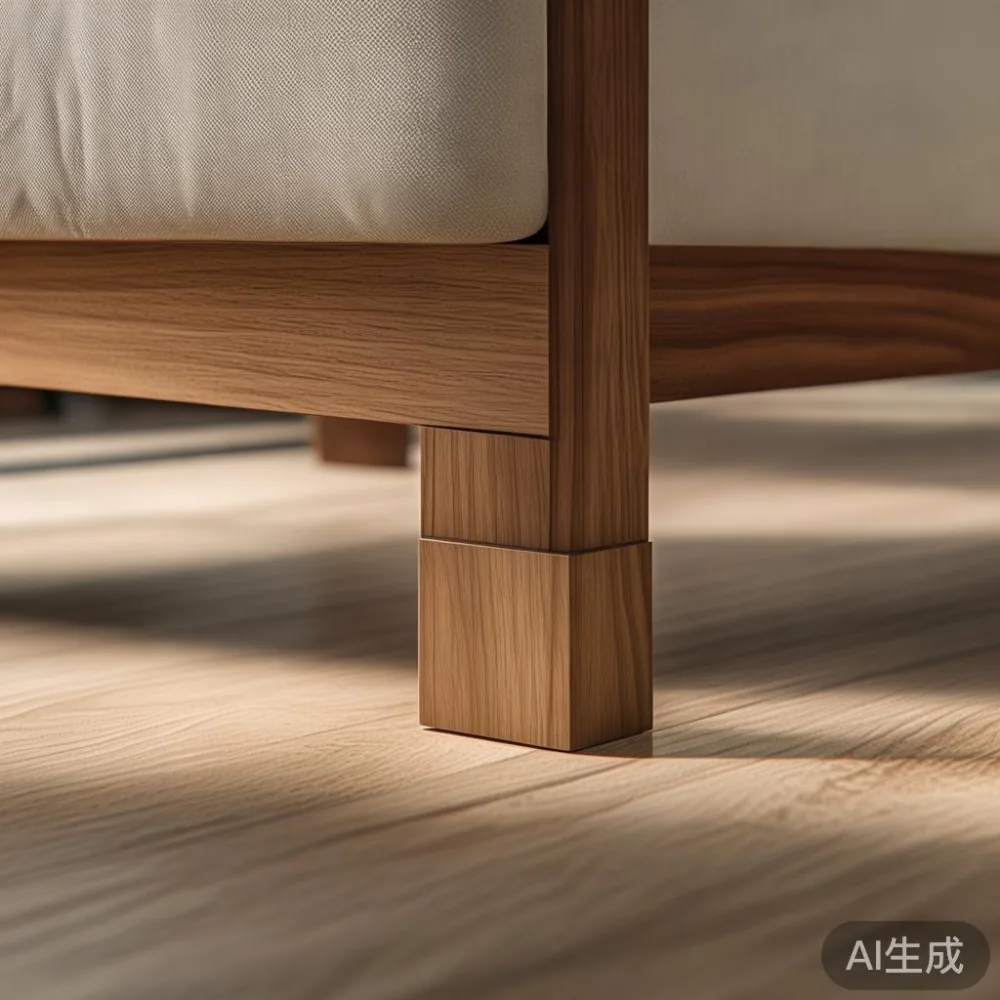
At MIDHILL, price discussions begin with the usable design rather than a decorative label. A solid wood sofa, bed frame, dining table, wardrobe, nightstand, or marble table can occupy very different amounts of material and production time. This guide explains how those costs accumulate, where worthwhile spending sits, and what to confirm before paying for a piece meant for an HDB flat or condo in Tampines, Bedok, or Punggol.
What drives the price of solid wood furniture?
There are 6 main cost drivers: the wood species and grade; the thickness and volume of timber; the complexity of construction; the finish; fittings and moving parts; and logistics. A simple oak nightstand may use about 18 kg of timber, take 4 hours to assemble, and fit through a standard 82 cm doorway. A 210 cm solid wood bed frame with a tall headboard may use roughly 75 kg, require 10 to 14 hours of assembly, and need coordinated delivery because its packed cartons cannot be turned inside a tight corridor.

Construction method matters as much as the visible surface. Machine-cut components can be produced efficiently, while hand-finished edges, shaped headboard panels, dovetail joints, or solid wood drawers add labour. Drawer runners, adjustable mechanisms, and reinforced joints also carry cost, although they should be judged by fit and longevity rather than ornament.
The common mistake is to compare photographs alone. Two headboards can look similar while differing in timber thickness by 10 mm, panel width by 120 mm, and assembly time by 3 hours. Such differences influence durability and the final price, but they do not automatically mean one is better. The right specification depends on the room, the bed, and how often the piece will be moved.
How much do wood species and grades change the price?
Wood species affect purchase price, workability, stability, and appearance. Rubberwood and some lower-cost hardwoods can suit painted or restrained designs. White oak, walnut, ash, and other stronger or more characterful species usually require higher sourcing and processing costs. Solid walnut bed frame prices can therefore exceed comparable rubberwood models even when their dimensions are nearly identical.
Grade creates another price layer. “Solid wood” describes the material category, not a single quality tier. Boards may contain knots, mineral streaks, sapwood, or colour variation. A highly selected, matched board set can command more because it gives consistent grain across a headboard, wardrobe doors, or dining table edge. Expect a visible premium of roughly 10% to 25% for carefully graded and matched timber, though the exact figure varies by species and design.
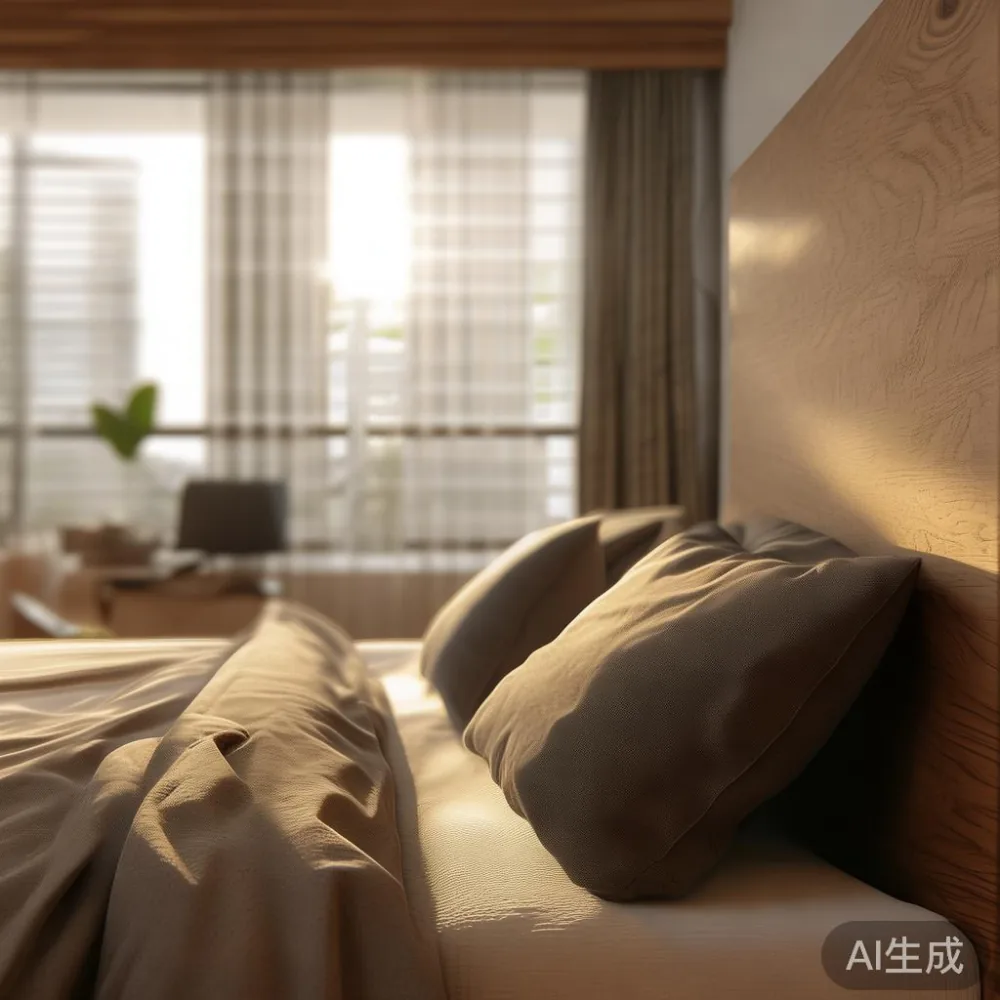
Thickness is especially important for a headboard. A panel at 18 mm can feel different from one at 25 mm, and the latter usually needs sturdier fixings. Before ordering, ask for the frame thickness, panel thickness, and headboard height in millimetres. These numbers are more useful than a vague promise of “premium construction.”
Moisture control also affects cost. Wood for Singapore conditions should be properly dried and acclimatised before finishing. Large components may need 7 to 14 days of acclimatisation in an air-conditioned room. Panels that warp after delivery create replacement, labour, and transport costs that were not part of the original purchase, which is why controlled kiln drying and stable joinery carry value.
Does joinery really affect the price?
Yes. Joinery influences both the factory hours and the expected service life. A solid wood bed frame with screwed and dowelled corner joints, properly glued components, and a reinforced centre rail can resist movement better than a thin frame with minimal reinforcement. A dining table needs a sound apron and leg-to-top connection, not just attractive profiles.
Machine dowels can be entirely appropriate at 8 mm, while more demanding work may use larger dowels, mortise-and-tenon joints, or other established methods. A craftsman may spend 45 to 90 extra minutes on a wardrobe section with multiple drawers and aligned reveals. That labour appears in the price because it reduces alignment issues and makes maintenance more predictable.
At MIDHILL, the point is not to attach an expensive-sounding technique to every product. It is to spend labour where movement and load occur: drawer runners, bed joints, table supports, and long rails. Decorative carving elsewhere may add hours without improving daily performance.
One real check came from my own visit last month. I inspected a workshop where a 200 cm headboard had been joined by hand. The maker stopped after one fixing operation, showed me the 10 mm gap at the rail joint, and rejected the assembly. The panel had shifted by 1.5 mm during curing. That small decision added about 40 minutes, but it prevented a visible defect in a piece intended to sit behind a queen bed in a 12 m² Tampines bedroom.
Why do headboard designs create such large price differences?
A headboard is not merely a decorative timber panel. It must connect securely to the bed frame, stand at a comfortable visual height, and tolerate daily contact. A low upholstered panel may use less timber than a tall slatted design, while a full-height framed headboard uses more rails, joints, and surface area.
Dimensions make the arithmetic concrete. A 150 cm-wide, 90 cm-tall headboard with a 220 cm perimeter and 18 mm panels can require close to 0.07 m³ of timber before waste. A 180 cm-wide, 120 cm-tall version can require about 0.11 m³. At a finished material allowance of 25% to 35% for cutting and matching, the second design may start with 0.14 to 0.15 m³ of usable boards.
Slats add drilling, sanding, and fitting time. Shaped panels require templates and more sanding. Upholstered inserts add fabric, foam, sewing, and internal supports; a convincing fabric finish across 150 × 100 cm might add SGD 180 to SGD 450 in materials and labour before delivery. Marble or stone details can add more because cutting, edge treatment, and weight must be planned carefully.
For a 3-room HDB flat, the practical question is whether the bed frame and headboard will fit through the lift. A 220 cm-long bed frame often enters as two cartons, but a rigid headboard may be a separate carton. Measure the lift door, corridor turns, and bedroom doorway before ordering, and provide the delivery team with accurate access details.
Is a solid wood sofa, wardrobe, or dining table priced in the same way?
Not quite. A solid wood sofa may include a substantial timber frame, but its price can also reflect upholstery, foam density, fabric treatment, cushion construction, and mechanism choice. A wardrobe carries a high labour share because doors must align, drawers must run properly, and interiors may include hanging rails, shelves, and soft-close hardware. A dining table spends more on the top, edge profile, base, and support system.
Those differences make broad price claims unreliable. An under 2000 Scandinavian furniture search may include painted wardrobes, mixed-material tables, and engineered panels rather than solid timber throughout. A European light luxury sideboard can be timber-heavy, but doors, veneer matching, movement hardware, and finish still separate one example from another.
Design language can also affect cost without changing usefulness. French provincial with storage typically includes carved or shaped details, panelled doors, and more internal divisions, so it can require more timber and hours than a rectilinear model. Post-modern light luxury often uses clean lines and restrained detailing, which can reduce labour while retaining visual interest. American light luxury tends toward generous proportions and substantial-looking components, which may raise material use.
The awkward phrase best Modern light luxury sofa for 2026 is not a useful buying specification on its own. Compare the frame, suspension, cushion foam, cover, dimensions, and warranty instead. If the phrase “is Italian light luxury sofa worth it” appears in a product search, treat it as the start of a comparison rather than proof of value.
Why do finishes and hardware add so much?
Finish is one of the most visible price differences because preparation takes time. Raw wood may cost less, but it remains vulnerable to stains and moisture. A sealed finish can add around SGD 25 to SGD 80 per square metre of exposed surface, depending on the process and number of coats. Hand-rubbed oil, matt lacquer, and low-sheen finishes each require different preparation and curing practices.
Colour matching across a headboard, rails, and side panels can take longer than finishing separate parts. Spraying can create an even appearance but demands masking, preparation, and controlled application. Hand-applied finishes may suit smaller projects. Either way, ask whether the final surface has a named coating and what care interval the maker recommends.
Hardware should match the function. A wardrobe may need soft-close hinges, drawer runners rated for 25 kg, and hanging rails rated for 40 kg. A bed frame benefits from strong centre supports and secure wall-restraint arrangements. A nightstand needs runners that do not bind after humidity changes. Premium-looking handles do not compensate for weak internals.
For a marble table, the cost shifts from timber to stone selection and fabrication. Ask about the slab thickness in millimetres, whether it is natural stone or engineered stone, how edges are treated, and the cabinet or base load rating. A 12 mm top spanning 180 cm may need more support than a 20 mm top, regardless of appearance.
How much should Singapore buyers budget for solid wood furniture?
Useful budgets must reflect actual dimensions and materials. A straightforward solid wood nightstand may fall around SGD 280 to SGD 650. A 150 to 180 cm solid wood bed frame with a simple headboard may range from SGD 900 to SGD 2,400. A six-seat dining table with a substantial timber top may range from SGD 1,600 to SGD 4,200. A two-door wardrobe with drawers and internal fittings may sit around SGD 1,800 to SGD 4,800.
These ranges show why material labels alone are insufficient. They are also planning ranges, not quotes. GST applies at 9% to most taxable household furniture purchases in Singapore, so a SGD 2,000 item before GST becomes SGD 2,180 after GST.
Delivery may be free above a threshold such as US$350 on qualifying MIDHILL orders, but the conversion, destination terms, and access charges should be confirmed at checkout. A standard Singapore delivery may take 7 to 21 business days after production, while made-to-order pieces can require 25 to 45 days. Lift or doorstep carrying is different from room-of-choice placement.
In a condo, a booked loading bay and service lift can make a large delivery easier. In an older HDB block, a narrow staircase and a 76 cm lift opening may require modification.? No: the order should be split into manageable sections, but that should be agreed before dispatch, not discovered on the delivery day.
What should I ask before paying for a headboard or bed frame?
Ask for 8 practical answers: and packed dimensions; component weights; timber species; solid timber versus veneer or engineered board in each visible part; joint and support construction; finish type; delivery timing; and warranty coverage.
For structural confidence, ask how many years the warranty covers and whether movement, joint failure, and finish defects are treated differently. MIDHILL offers a 10-year structural warranty, a stated commitment to lifetime refinishing, and a 14-day return window, but the policy terms should still be read before ordering. Confirm what documentation and delivery condition are required for a return.
Check the room measurements too. Leave at least 60 cm beside a queen bed for normal circulation, and 75 cm on the main side where possible. Keep electrical outlets accessible, allow 75 cm in front of wardrobe drawers, and verify that the headboard does not block a window or ceiling fan. A bed measuring 160 × 200 cm needs more floor area than a 140 × 190 cm model.
How can I judge whether a higher price is justified?
Compare like with like using a written specification. Match species, dimensions, timber thickness, finish, storage, hardware, and warranty. Then ask what happens if a part arrives damaged, a drawer catches, or the finish needs attention after 3 years. A lower price can be sensible when the design meets the need; a higher price becomes difficult to defend when it is based only on a style name.
Pay attention to the proportions that affect daily use. A 24 mm headboard panel may feel substantial, but it must still be supported by a properly designed frame. A dining table should have enough clearance: roughly 75 cm per place setting and 90 cm around its outer edge in a busy dining zone. A wardrobe should open without striking a neighbouring door, which depends on hinge geometry as much as the cabinet width.
Look for modern Modern light luxury furniture that respects the architecture rather than filling every surface. In a compact flat, 5 to 7 pieces of correctly scaled furniture often create more visual calm than 12 crowded objects. If a MIDHILL sofa accompanies the bedroom furniture, check its actual footprint against the lift and the intended seating position rather than comparing only showroom photographs.
What is the sensible way to buy solid wood furniture?
Begin with a dimensioned plan, then compare construction details and service terms. Do not ask only which timber is used. Ask how much timber is used, how it is joined, how the surface is protected, how the item enters the home, and who is responsible if something fails.
The final price is a bundle of material, time, precision, and logistics. Understanding that bundle lets you remove unnecessary spending without removing the qualities you will actually notice 5 years from now. For a headboard, that might mean a matched grain pattern and stronger fixings; for a dining table, a stable top and balanced base; for a wardrobe, aligned drawers and dependable runners.
Good value is not the smallest invoice. It is a piece with the right dimensions, sound construction, manageable care, and a clear warranty that suits a Singapore home. Measure once, compare twice, and make sure the delivery team knows the lift width, corridor turns, and stairs before the truck arrives.